Marble shower walls, tub decks, and backsplashes face constant moisture, soap residue, and mineral deposits. Professional restoration removes buildup and restores original beauty without replacement costs.
Share:
Summary:
Marble walls and tub decks face challenges that floors and countertops never see. Vertical and horizontal bathroom surfaces deal with constant water runoff, steam exposure, and cleaning product residue that creates specific damage patterns you won’t find elsewhere.
The most common culprit is etching from acidic bathroom cleaners. Most homeowners don’t realize their regular cleaning products contain acids that react with marble’s calcium carbonate, creating dull, cloudy spots that look like stains but are actually chemical burns on the surface. Long Island’s mineral-heavy water compounds these problems, building up deposits that accelerate staining and etching when combined with soap residue and bathroom moisture.
Nassau and Suffolk County’s mineral-rich water leaves calcium and magnesium deposits that appear as white, chalky residue on marble shower walls, tub decks, and backsplashes. These deposits don’t just sit on top. They actually react with the marble, creating permanent discoloration if not properly addressed.
The problem gets worse in shower and tub environments. Constant moisture means water sits on surfaces longer, especially in humid Long Island conditions near the coast. Every shower creates another layer of mineral buildup around your tub deck and on shower walls. Over time, what started as minor water spots evolves into permanent-looking staining that conventional cleaning can’t touch.
Hard water stains are particularly stubborn because they penetrate marble’s porous structure. The minerals work their way into microscopic pores, bonding with the stone at a molecular level. This is why scrubbing harder doesn’t help. You’re not dealing with surface dirt that wipes away. You’re dealing with mineral deposits embedded in the stone.
We mechanically remove these mineral deposits using diamond abrasives and specialized techniques. The process eliminates the embedded minerals without harsh chemicals that would damage the marble further. After removal, proper sealing creates a protective barrier that makes future mineral buildup much easier to manage on your shower walls and tub deck.
For homeowners in Garden City, East Hampton, Huntington, or anywhere across Nassau and Suffolk Counties, understanding local water conditions matters. The same restoration approach that works in other regions won’t address the specific challenges created by coastal humidity and mineral-heavy water. Working with restoration specialists familiar with Long Island conditions delivers better, longer-lasting results for your marble surfaces.
Shower walls and tub decks take the worst beating in your home. Constant moisture, soap scum, shampoo residue, and hard water minerals create the perfect storm for marble damage. What makes this worse is that soap scum doesn’t just coat the surface. It actually bonds with marble at a molecular level.
Traditional bathroom cleaners that claim to remove soap scum are often too acidic for marble. They cause etching damage while trying to address the buildup problem, creating a cycle where homeowners cause more damage while attempting to clean their surfaces. You end up with both soap scum AND etching on your tub deck and shower walls.
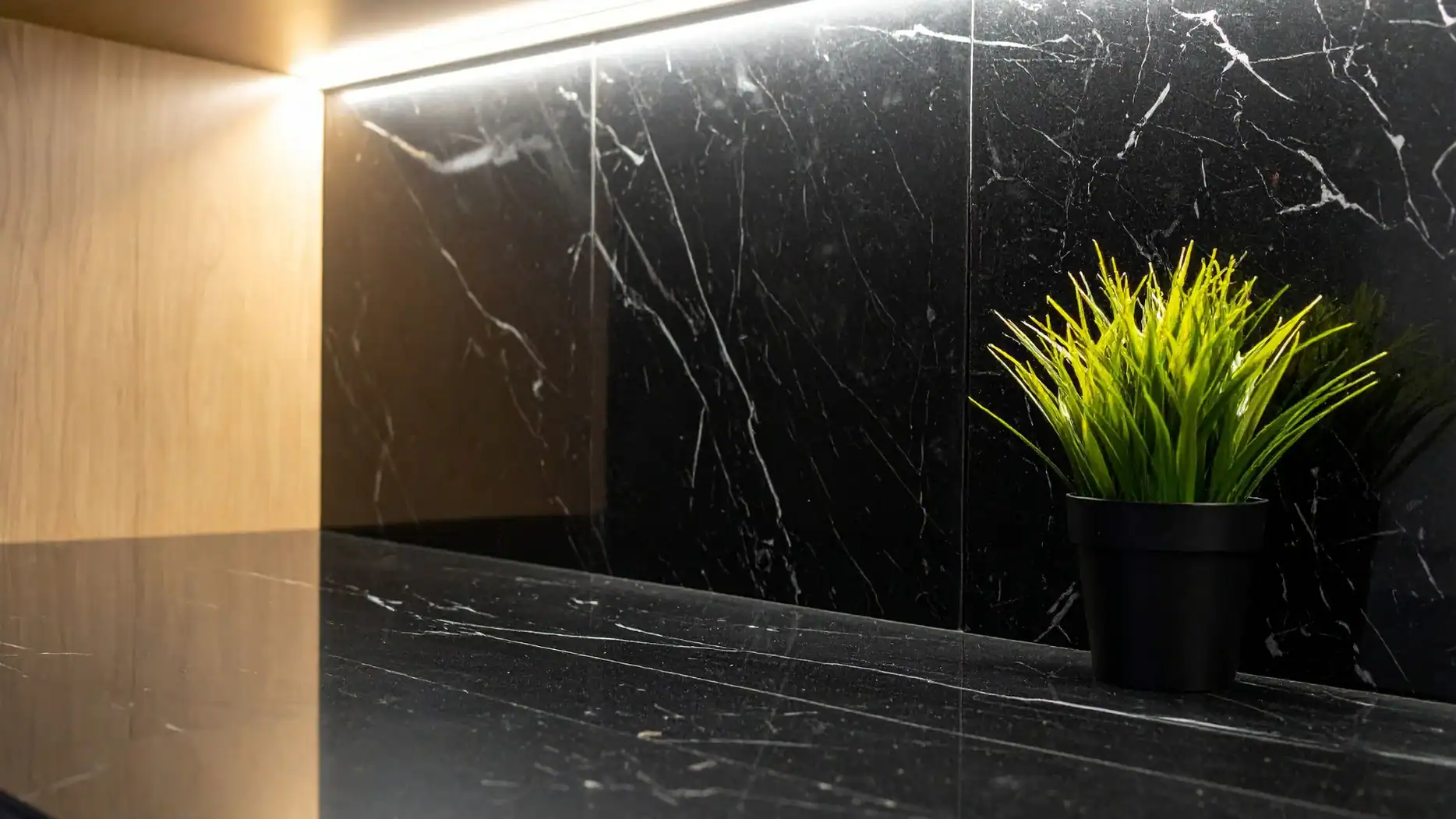
Kitchen backsplashes face different challenges but equally frustrating ones. Grease and cooking residue penetrate marble’s porous structure. Unlike soap scum, these organic stains can actually feed bacteria growth if they’re not properly removed, creating both aesthetic and hygiene concerns behind your stove and prep areas.
Steam from hot showers adds another layer of complexity for bathroom marble. The constant cycle of heating and cooling, combined with personal care products in the air, creates the perfect environment for buildup and even mold growth in marble’s microscopic pores. Steam penetrates into every crack and crevice around your tub deck, carrying soap residue and mineral deposits deep into the marble structure where regular cleaning can’t reach.
The key issue with both soap scum and grease is that most damage occurs gradually over months or years. By the time Nassau County homeowners notice the problem, multiple types of damage have layered on top of each other. What looks like a simple cleaning issue is actually embedded staining, etching, and mineral deposits all working together to dull the marble on your shower walls and backsplash.
This is exactly why DIY cleaning attempts fail. You’re not dealing with one problem. You’re dealing with several types of damage that each require different treatment approaches. We address each issue in the correct sequence, removing buildup without causing additional harm to the marble structure on your tub deck or walls.
Want live answers?
Connect with a High Definition Marble Restoration Inc expert for fast, friendly support.
Professional restoration goes much deeper than cleaning. Cleaning removes surface dirt and soap scum but can’t fix etching, scratches, or restore lost shine on your marble shower walls, tub deck, or backsplash. Restoration actually repairs the marble structure and brings back the original finish.
The process starts with thorough assessment. Etching, staining, mineral deposits, and soap scum buildup each require different treatment approaches, and the sequence matters for achieving lasting results. What works for hard water stains on your tub deck won’t work for grease penetration on backsplashes or acid etching on shower walls.
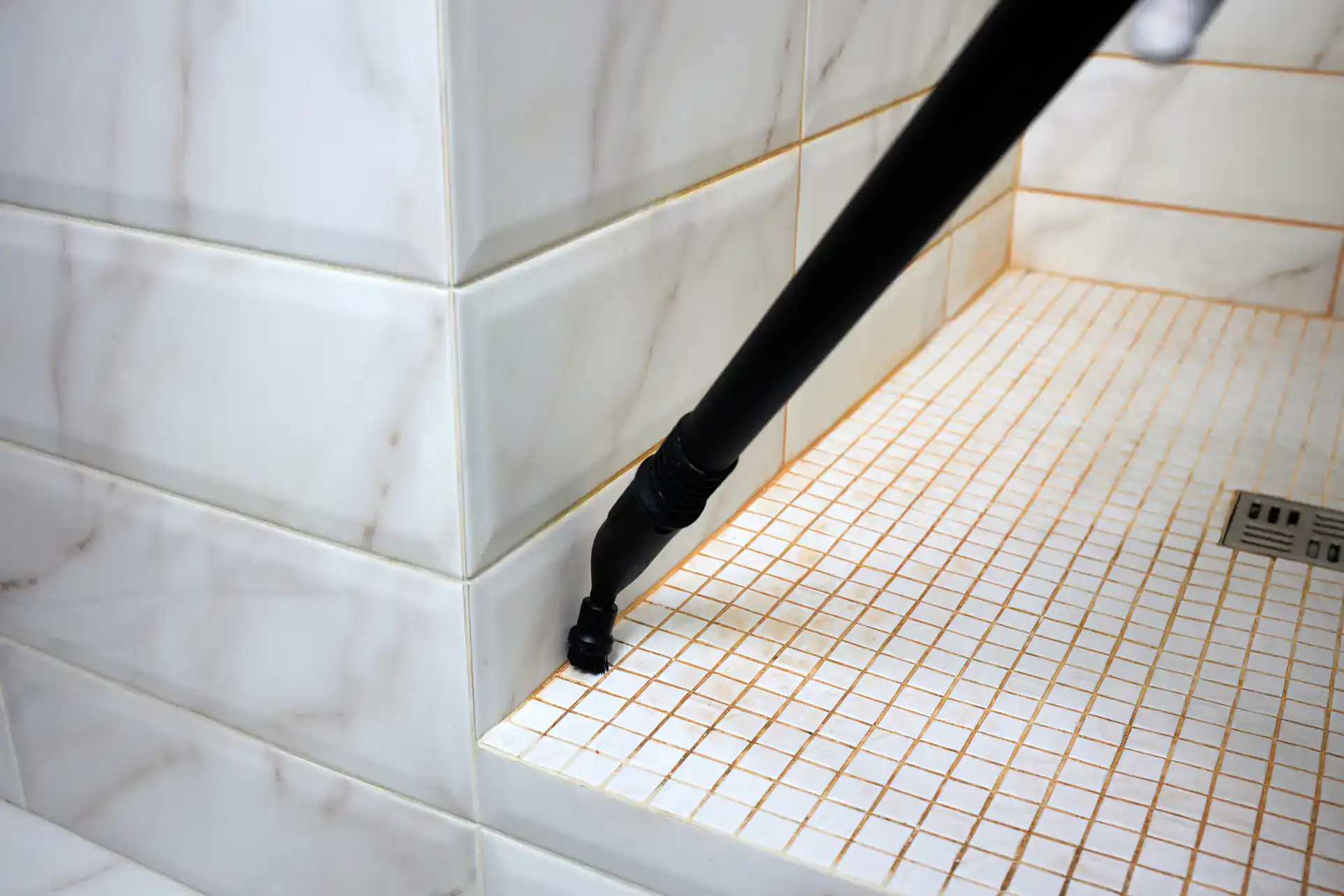
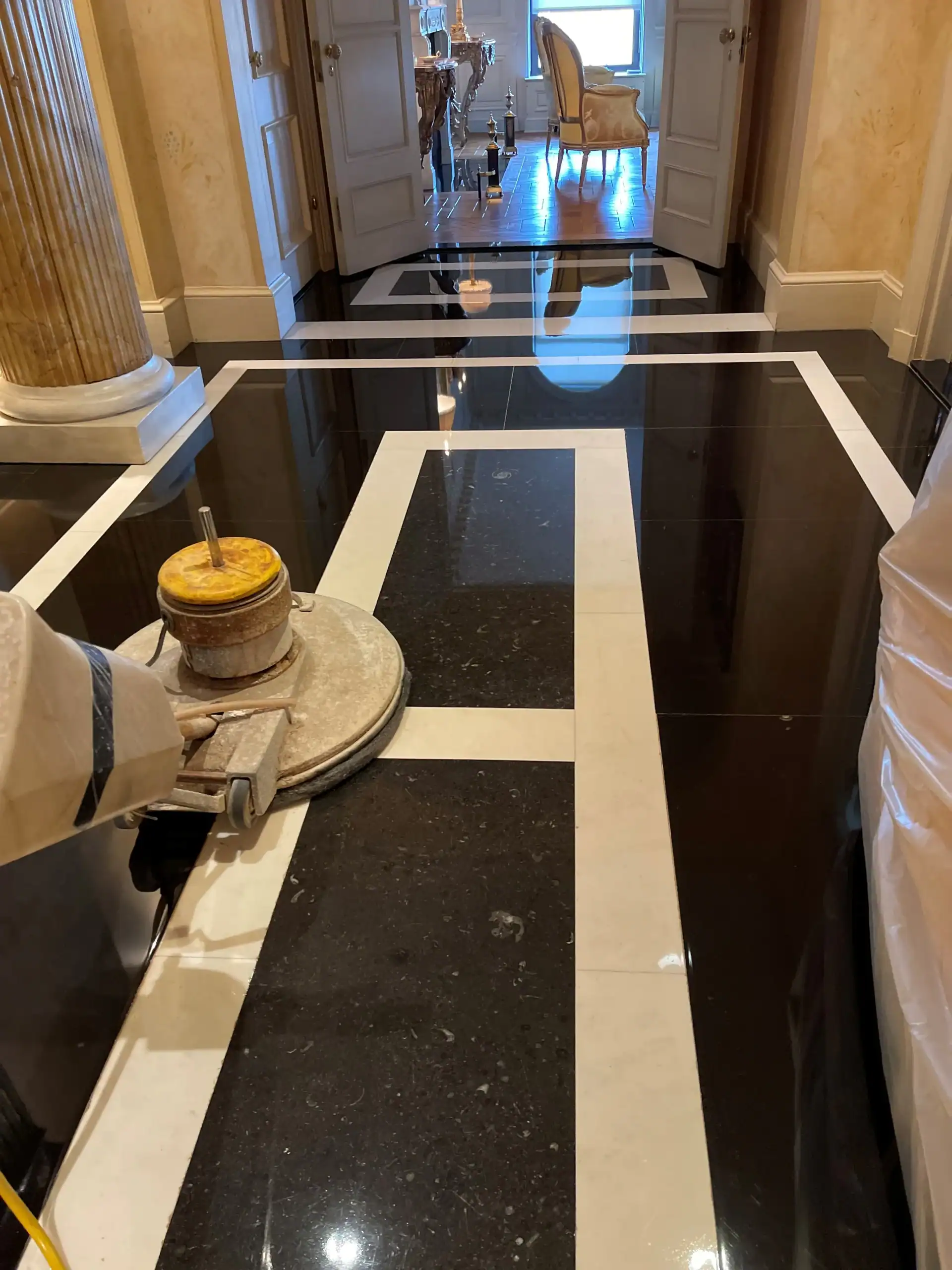
We use specialized grinding and honing techniques to actually remove damaged surface layers from shower walls, tub decks, and backsplashes. This isn’t buffing or polishing with household products. This is precision work that eliminates etches, scratches, and dull spots permanently.
The process begins with diamond grinding to remove the damaged surface. Different grit levels address different types of damage on your marble. Coarser grits eliminate deep scratches and heavy etching around tub decks where bath products have caused chemical burns. Finer grits smooth the surface and prepare it for polishing. The progression through grit levels is what creates that mirror-like finish on shower walls.
Honing comes next, using progressively finer diamond abrasives to create an increasingly smooth surface. This step is critical for shower walls, tub decks, and backsplashes because it removes the microscopic roughness that traps soap scum and mineral deposits. A properly honed surface resists buildup much better than damaged marble.
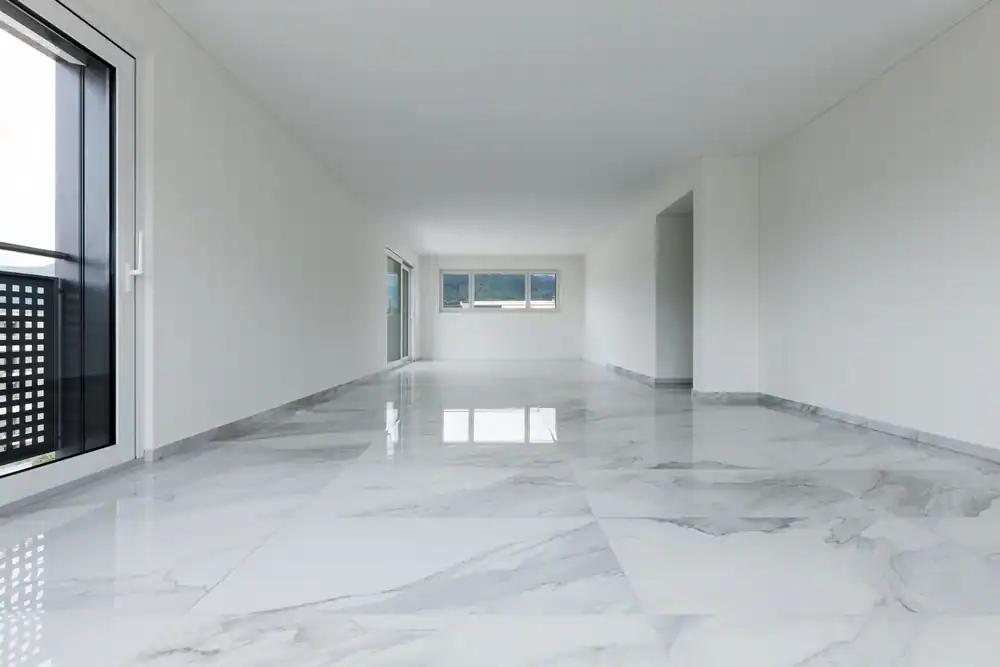
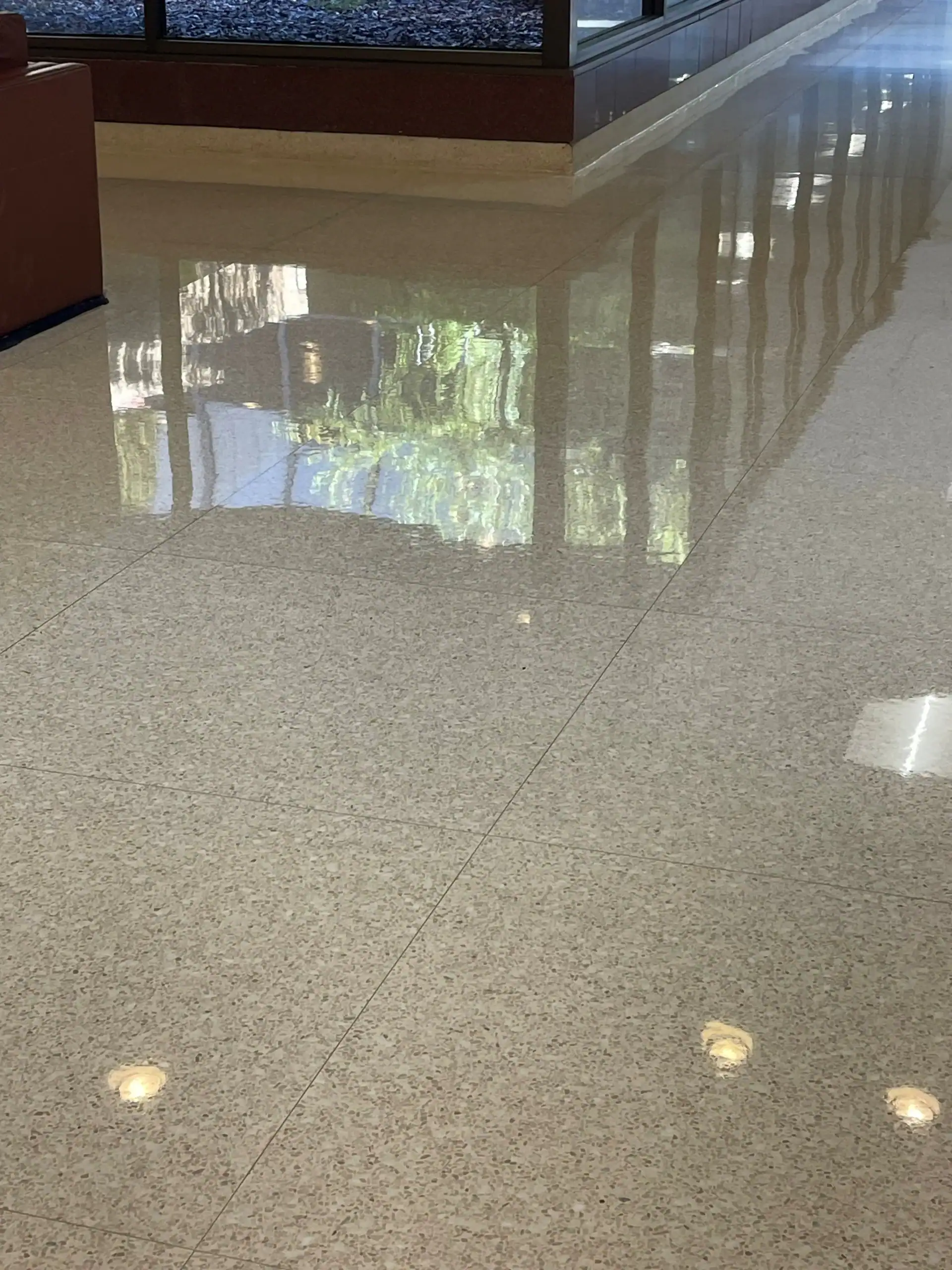
Polishing restores the marble’s natural luster. Professional polishing compounds and techniques bring out the stone’s crystalline structure, creating that deep, reflective finish on your tub deck and walls. This isn’t the same as the “shine” from household marble cleaners, which just coat the surface. True polishing actually changes how light reflects off the stone.
For Nassau and Suffolk County homes, our restoration approach adjusts for local conditions. Long Island’s hard water and coastal humidity mean restored marble needs stronger protective measures. The sealing step becomes even more critical here than in drier climates or areas with softer water. Your tub deck, shower walls, and backsplash need protection specifically designed for the challenges they face.
Color-matched repair compounds fix chips and cracks so well you’ll never know they were there. This matters for tub decks and shower walls where dropped bottles and daily wear create damage over time. Our repairs blend seamlessly with the original stone, maintaining the uniform appearance across the entire surface.
Sealing protects your investment and makes daily maintenance significantly easier for your marble shower walls, tub deck, and backsplash. Professional-grade sealers create a protective barrier that reduces the risk of staining, etching, and mineral buildup. This is especially important for marble surfaces that face constant exposure to water and cleaning products.
The sealing process involves applying penetrating sealers that work below the surface rather than coating the top. These sealers fill the microscopic pores in the marble, preventing liquids from absorbing into the stone. Water, soap, and oils bead on the surface of your tub deck and shower walls instead of soaking in, giving you time to wipe up spills before they become permanent stains.
For Long Island homeowners, sealing addresses the specific challenges created by hard water. Properly sealed marble on your tub deck and shower walls resists mineral deposit buildup much better than unsealed stone. The minerals can’t penetrate and bond with the marble, making those white, chalky stains much easier to prevent.
Grout sealing matters just as much as marble sealing around shower walls and backsplashes. Grout is even more porous than marble, making it susceptible to staining, mold growth, and water damage. We include grout sealing to create a watertight barrier that protects the entire shower or backsplash installation, not just the marble tiles.
The longevity of sealing depends on usage and exposure. Shower walls and tub decks in Nassau and Suffolk County typically need resealing every 6-12 months due to constant water exposure and humid conditions. Kitchen backsplashes may last 12-18 months between sealing treatments. We assess your specific situation to determine the right schedule.
Maintenance after sealing becomes much simpler. You can use pH-neutral cleaners and soft cloths for regular cleaning of your tub deck, shower walls, and backsplash without worrying about damaging the marble. Spills that would have previously caused permanent damage wipe away easily. The time and money invested in professional sealing pays for itself through reduced maintenance and extended marble life.
Professional marble restoration costs a fraction of replacement while delivering results that last for years. Most Nassau and Suffolk County homeowners are shocked at how much life remains in their “ruined” shower walls, tub decks, and backsplashes. What looks like permanent damage is often just years of improper care that can be reversed.
The math is straightforward. Restoration typically costs $5-25 per square foot depending on damage severity. Replacement runs $70-190 per square foot on Long Island, plus demolition, disposal, and weeks of construction disruption. You’re looking at savings of 60-80% while preserving the character and quality of your original marble tub deck, shower walls, and backsplash.
When you’re ready to restore your marble surfaces to their original beauty, we bring 35+ years of expertise to Nassau and Suffolk County properties. Our owner-operated approach ensures every project receives direct attention and quality control that these surfaces deserve.
Article details:
Share:
Continue learning: