Marble countertop restoration costs 70-80% less than replacement while fixing etching, chips, and stains in days, not weeks.
Share:
Summary:
Marble countertop restoration in Nassau County and Suffolk County typically ranges from $5 to $25 per square foot, depending on the extent of damage and restoration method needed. Minor polishing for dullness runs $1 to $7 per square foot, while comprehensive restoration involving grinding, repair, and sealing costs more.
For an average kitchen with 50 square feet of countertop space, you’re looking at $800 to $2,400 for professional restoration. Compare that to marble countertop replacement cost, which runs $70 to $190 per square foot on Long Island, or $3,500 to $9,500 for that same kitchen.
The savings go beyond just the sticker price. Replacement means demolition costs, disposal fees, potential plumbing modifications, and weeks of your Nassau County home turned into a construction zone. Restoration addresses the actual problems without the massive expense and disruption of starting over.
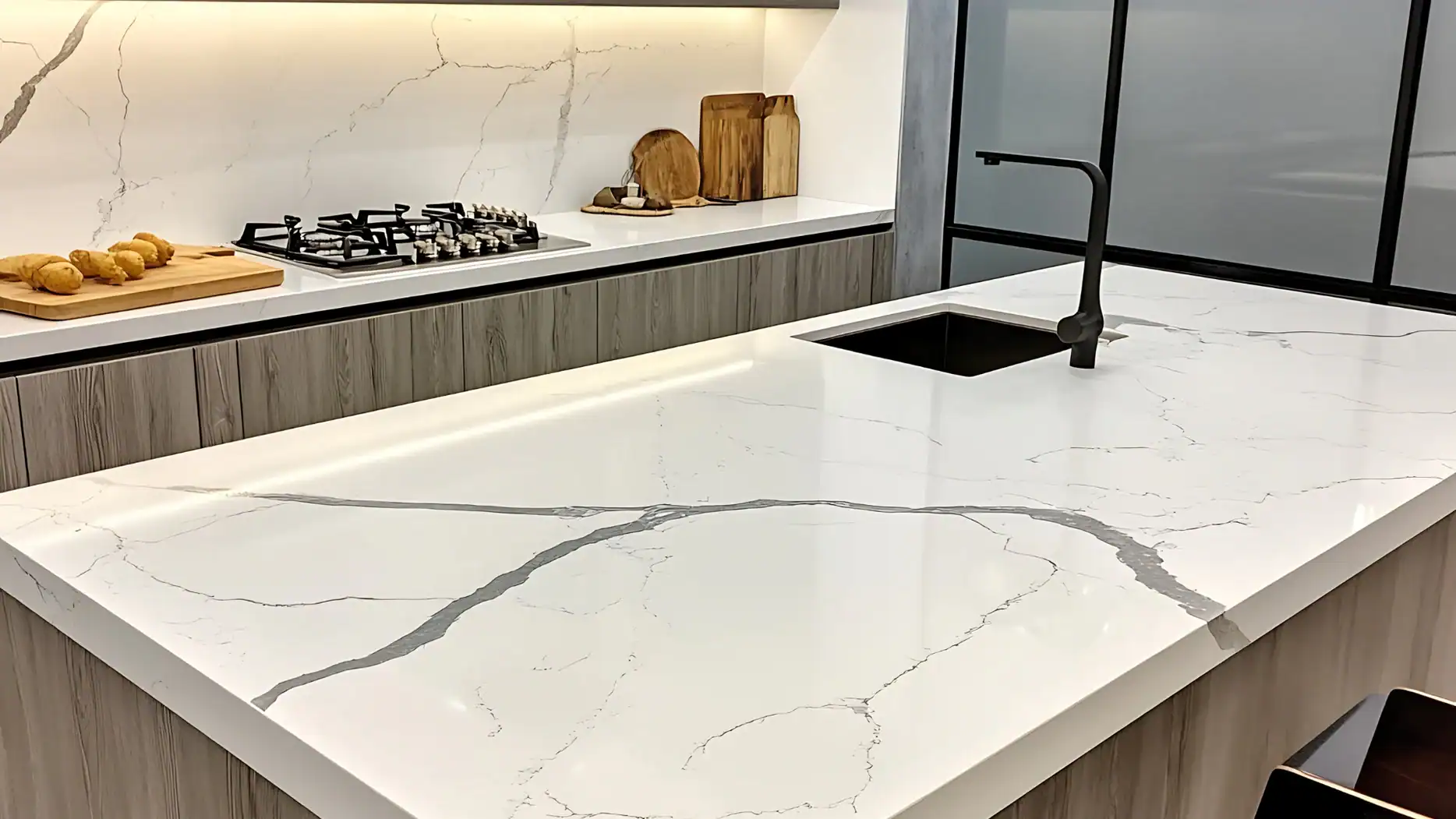
Professional marble countertop restoration isn’t just cleaning your surfaces with better products. The process actually removes damaged surface layers to reveal the pristine stone beneath, then rebuilds the finish you want.
We start with a complete assessment. Every marble surface tells a different story. Some countertops need light polishing, while others require more intensive work. The assessment identifies specific issues like etching from acidic spills, stains from daily use, chips around sink cutouts, or general dullness that makes your investment look worn.
Next comes deep cleaning using professional-grade equipment. This removes soap scum, hard water deposits, and years of buildup that regular cleaning can’t touch. Nassau County and Suffolk County’s mineral-rich water creates specific challenges that require specialized techniques.
Repair work happens before any polishing. Chips and cracks get filled with color-matched epoxy that blends seamlessly with your marble’s pattern. The key is precision. Amateur repairs stand out. Professional repairs become invisible.
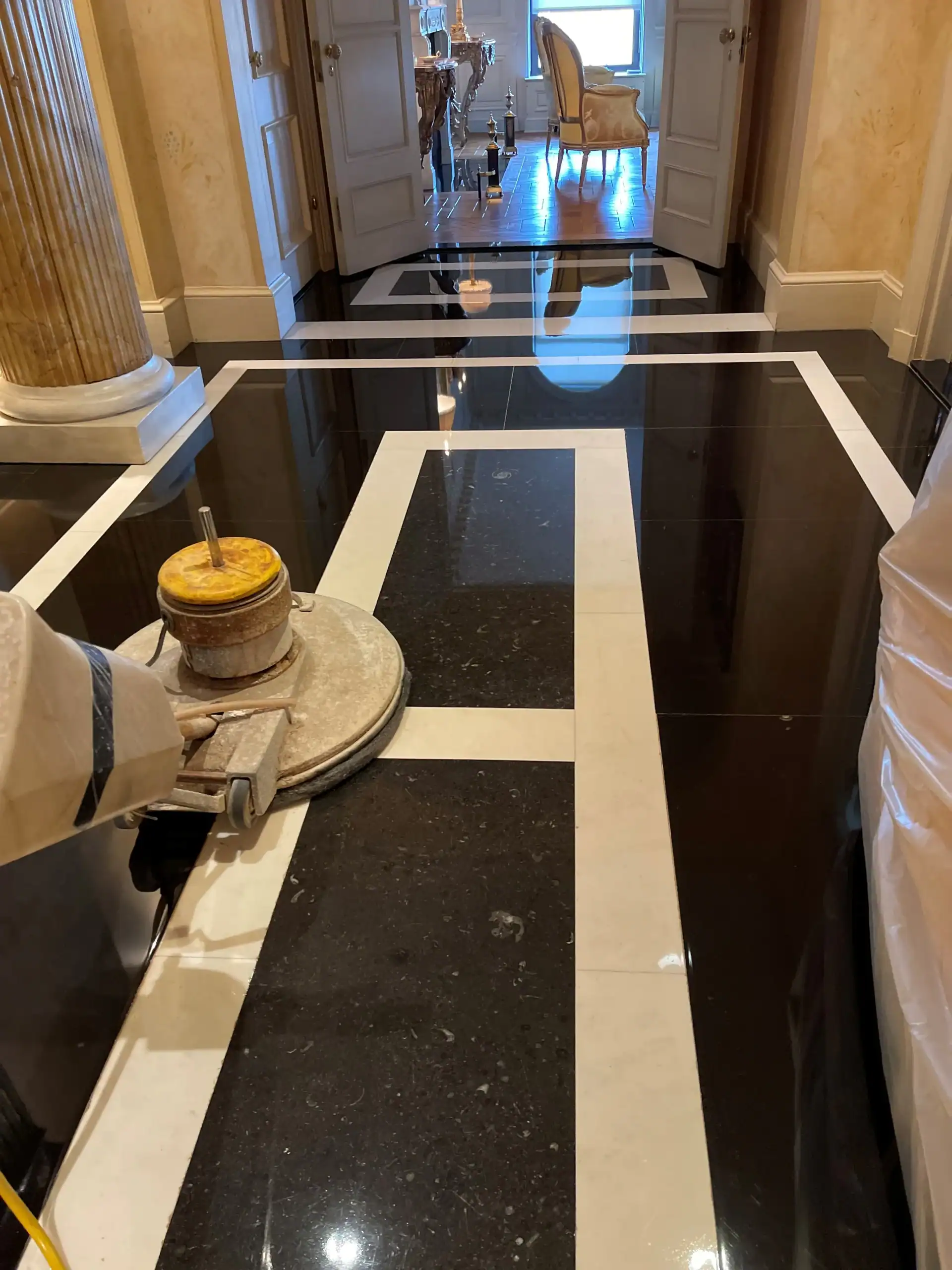
The restoration phase uses diamond grinding and honing to remove surface damage. This isn’t harsh. It’s controlled removal of the damaged layer, typically just a few millimeters. The process works through progressively finer diamond pads, starting around 400 grit and working up to 3000 or even 8500 grit for high-gloss finishes.
Polishing brings back that mirror-like shine you remember. You can choose your finish level during restoration. Honed finishes have a matte appearance that’s more forgiving of daily wear. Semi-gloss offers moderate shine. High-gloss delivers that dramatic, reflective finish that makes marble look luxurious.
Final sealing protects your investment. Professional-grade sealers create a barrier against future staining and etching. This isn’t the stuff you find at local stores. Solvent-based sealers provide better protection and last years instead of months.
The entire process typically takes 1 to 2 days for most residential countertops. Your kitchen remains functional throughout most of the work. No weeks of eating takeout or washing dishes in the bathroom.
Etching appears as dull, cloudy spots where acids have reacted with your marble’s surface. Lemon juice, vinegar, wine, even some cleaning products cause this damage. It happens in seconds. Many Nassau County homeowners think etching means their marble is ruined, but it’s actually one of the most repairable types of damage.
The confusion comes from not understanding what etching actually is. When acids touch marble, they dissolve the calcium carbonate that makes up the stone. This creates a rough, dull patch that feels different to the touch. Unlike stains that penetrate into the stone, etching is surface damage. Professional polishing removes the damaged layer and restores the original shine.
Stains present different challenges. Oil-based stains from cooking penetrate marble’s porous structure. Water-based stains from coffee or wine behave differently. The distinction matters because treatments vary. Professional assessment determines the right approach, preventing damage from incorrect treatment methods.
Chips and cracks are more common than most people realize, especially around sink cutouts and edges where stone is most vulnerable. Dropped items cause damage. Normal settling creates cracks. Daily use takes its toll. Most damage can be repaired so well you’ll never know it was there using color-matched materials and specialized techniques.
Hard water damage creates its own set of problems on Long Island. Nassau and Suffolk County’s mineral-rich water leaves calcium and magnesium deposits that appear as white, chalky residue. These deposits don’t just sit on the surface. They react with marble, creating permanent discoloration if not properly addressed. Professional restoration removes these deposits without causing additional etching.
General dullness happens gradually. High-traffic areas lose their shine first. You might not notice until the difference becomes stark. This isn’t something household cleaning will fix. The natural wear from daily use requires professional techniques to restore that original luster.
Soap scum in bathrooms bonds with marble at a molecular level. Traditional bathroom cleaners that claim to remove soap scum are often too acidic for marble, causing etching damage while trying to address the buildup problem. This creates a frustrating cycle where homeowners cause more damage while attempting to clean their surfaces.
All these problems respond to professional marble countertop restoration. The key is understanding that most damage that looks devastating is actually surface-level. Your marble probably has decades of life left. What seems permanent to you is routine restoration work for specialists who understand these materials.
Want live answers?
Connect with a High Definition Marble Restoration Inc expert for fast, friendly support.
Replacement becomes necessary when damage goes beyond the surface. Deep structural cracks, significant chipping affecting more than a quarter of the surface, or widespread damage that would push restoration costs toward replacement territory all indicate it’s time for new stone.
Water damage from foundation settling or improper installation creates problems restoration can’t address. If your marble has warped, if there’s damage to the substrate beneath, or if the stone itself is structurally compromised, replacement ensures long-term stability and performance.
Thickness matters too. If your marble is less than 3/4 inch thick and shows significant damage, replacement might be the safer choice. Thin stone limits how aggressively restoration can work. However, standard thickness marble can usually handle multiple restoration cycles throughout its lifetime.
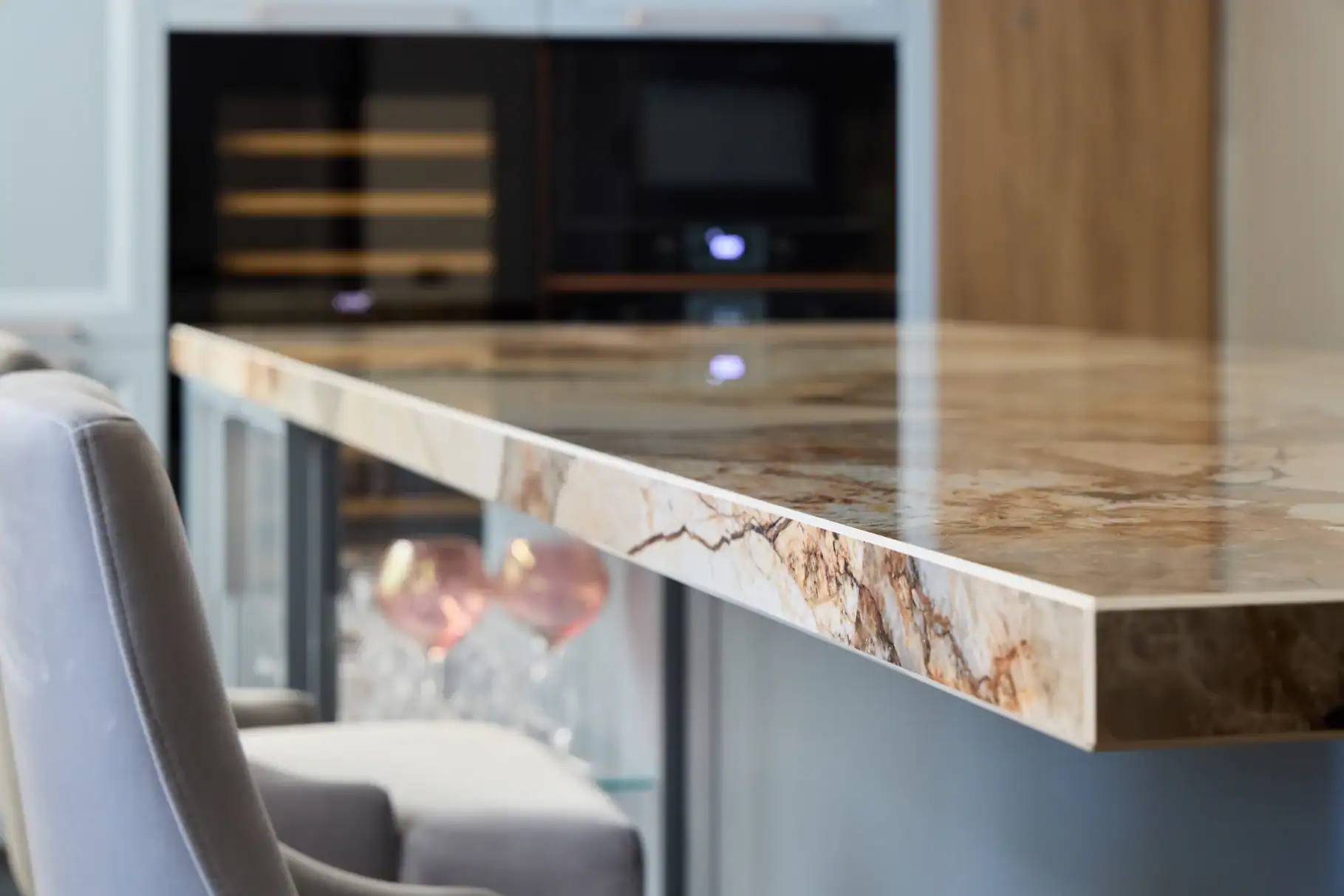
The restoration process involves removing damaged surface layers through grinding and honing. Thicker stone allows for more aggressive restoration techniques when needed. Thinner material requires gentler approaches that may not address deeper damage.
For historic Long Island properties, thickness often indicates the era of installation. Century-old homes across Nassau and Suffolk Counties typically feature substantial marble thickness that can withstand multiple restorations. These older installations used higher-quality marble than what’s commonly available today.
Modern thin-set installations from the last few decades may have different considerations. Professional assessment becomes critical here. What looks like major damage to you might be routine work for someone who understands these materials. Conversely, seemingly minor issues might indicate deeper problems requiring replacement.
The assessment process checks marble density, tests for structural soundness, evaluates substrate condition, and determines whether damage goes surface-deep or deeper. This isn’t guesswork. We look beyond what you see on the surface to understand what your specific marble can handle.
Nassau County and Suffolk County properties often feature marble from specific quarries or periods that are no longer available. This makes preservation valuable beyond simple cost considerations. The veining patterns, color variations, and craftsmanship of period marble represent irreplaceable value. Restoration maintains authentic character that replacement can’t replicate.
Professional marble countertop restoration can increase your property value by up to 25% according to the National Association of Realtors. That’s because restored original marble maintains the authentic character that makes historic properties so desirable. Buyers specifically seek this authenticity. Replacing it with modern marble diminishes that appeal.
Your decision should factor in how long you plan to stay in your property and your long-term goals. For properties you’ll own for many years, restoration often provides better value. Professional countertop repairs last five to ten years or longer with proper maintenance, with stone surfaces maintaining their appearance better than alternatives when professionally sealed and maintained.
Most Nassau County homeowners are shocked at how much life remains in their marble that they thought was ruined. What looks like permanent damage is often just years of improper care that can be reversed.
The most obvious sign is when normal cleaning stops working. If you’re scrubbing harder and seeing no improvement, if dull spots keep spreading, or if your marble looks worse after cleaning than before, professional assessment becomes necessary rather than just routine maintenance.
Etching that’s spreading indicates ongoing damage. Those dull, light-colored spots don’t stay contained. Each acidic spill creates new damage. Each time you use the wrong cleaning product, you make things worse. Professional intervention stops the cycle and reverses existing damage.
Stains that won’t respond to household treatments need different approaches. Oil-based stains require poultice treatments to draw them out. Water-based stains respond to different techniques. Trying the wrong treatment wastes time and money. Professional assessment determines the right approach the first time.
Chips around edges or near sinks don’t heal themselves. They catch on dish towels. They collect debris. They make your beautiful countertops look damaged every single day. Professional repair makes these chips invisible using color-matched materials and techniques that blend seamlessly.
General dullness across your entire countertop signals that your marble needs more than cleaning. The shine doesn’t come back with elbow grease. The finish is damaged at a level that requires professional polishing to restore.
Hard water buildup that regular cleaning can’t remove indicates mineral deposits have bonded with your marble surface. This is especially common in Nassau and Suffolk County due to local water conditions. Professional restoration mechanically removes these deposits without harsh chemicals that could cause additional damage.
For historic properties common in Nassau and Suffolk Counties, professional maintenance becomes even more critical. Antique marble often requires specialized techniques that preserve its aged character while maintaining structural integrity. Generic approaches can actually decrease the value of historic marble by making it look too new or damaging period-appropriate finishes.
The assessment itself is typically free. We evaluate your marble’s condition, explain exactly what can be accomplished, and provide itemized estimates so you know what to expect before any work begins. This transparency helps you make informed decisions about restoration versus replacement.
Your marble countertops represent a significant investment in your home’s beauty and value. The choice between restoration and replacement affects your budget, your timeline, and whether you preserve the character that makes your property special.
Professional marble countertop restoration delivers dramatic results for 70-80% less than replacement costs. The process takes days instead of weeks. Your kitchen stays functional. There’s no demolition mess, no disposal fees, no construction chaos. Most importantly, you keep the authentic marble that adds value to your Nassau County or Suffolk County home.
Understanding what your marble actually needs starts with professional assessment. Most damage responds beautifully to restoration techniques. Even surfaces that look beyond saving often just need the right expertise and equipment to bring them back to life.
When you’re ready to restore your marble countertops to their original beauty, we bring decades of experience to every Nassau County and Suffolk County project. We specialize in challenging restoration work, with expertise in historic floors and complex materials that other contractors avoid.
Article details:
Share:
Continue learning: