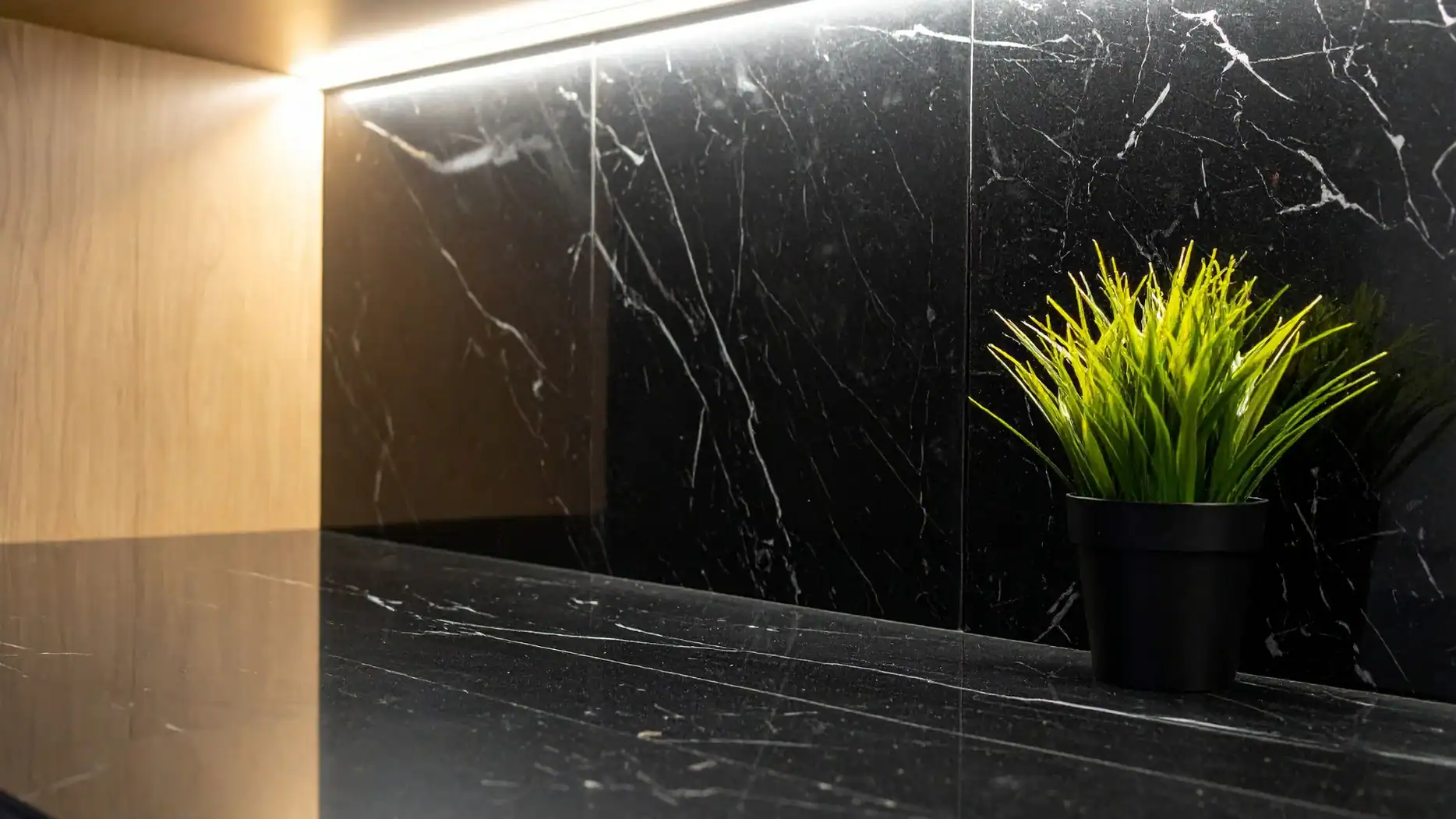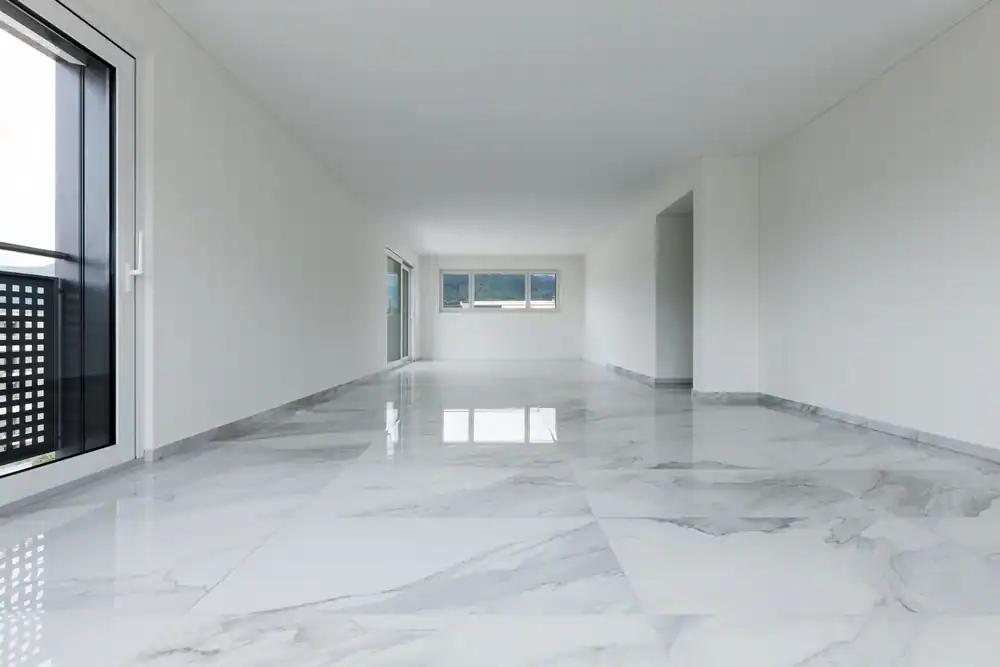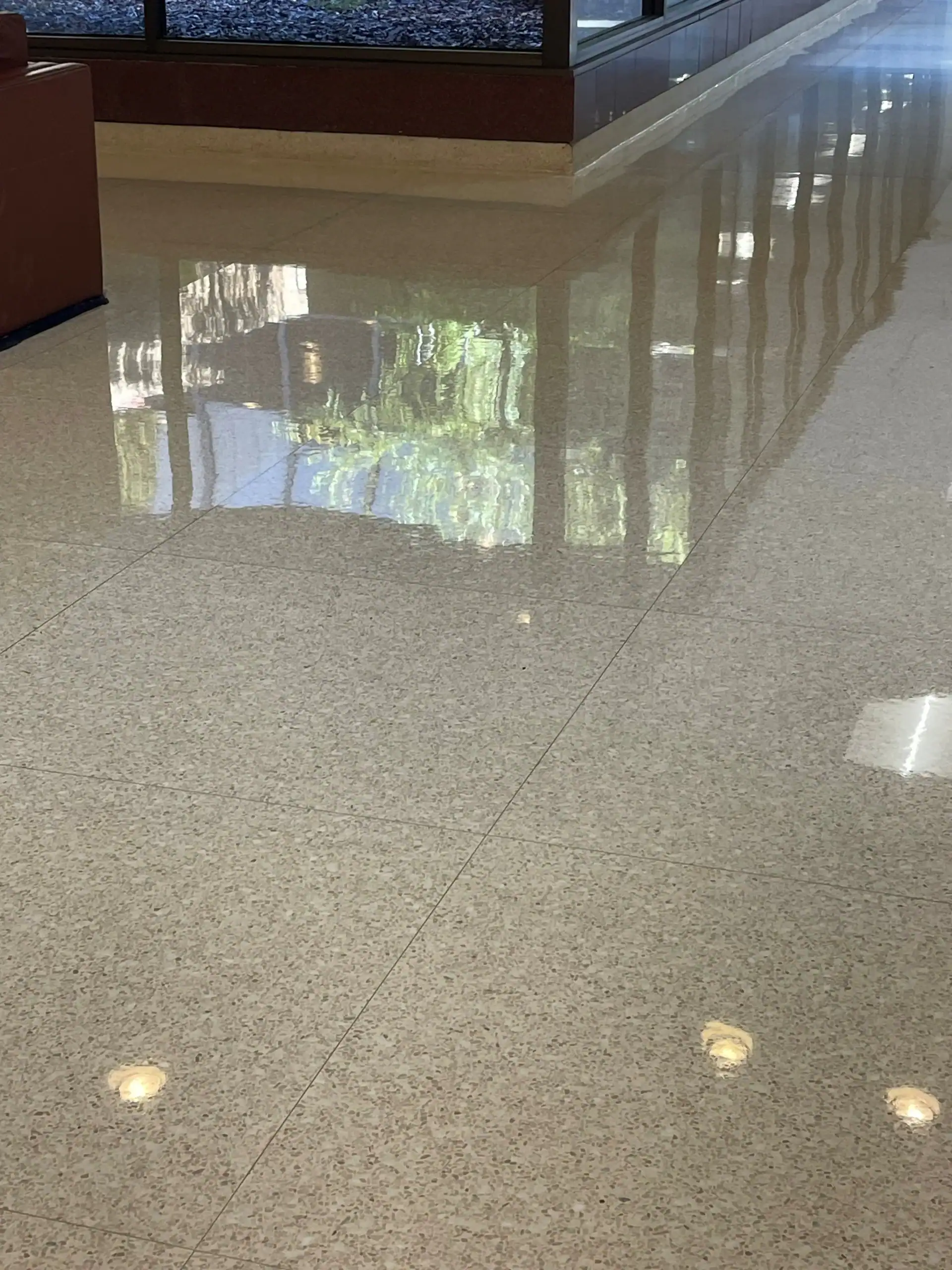
Professional marble tub deck restoration removes etching, stains, and water damage while restoring luxury shine to bathroom surfaces.
Share:
Summary:
Long Island’s humid climate and hard water create specific challenges for marble surfaces, with moisture sitting on surfaces longer in humid environments. Your bathroom’s constant exposure to steam, soap, and personal care products creates the perfect storm for marble damage.
The constant cycle of heating and cooling from hot showers, combined with personal care products in the air, creates the perfect environment for buildup and even mold growth in marble’s microscopic pores. Marble soaks up shampoos, soaps and body oils like a sponge, leading to permanent staining if not properly maintained.
The biggest culprit is using the wrong cleaning products, as many household cleaners are acidic and actually etch the marble surface, creating permanent dull spots.
The acid in common cleaners reacts with calcium carbonate in marble, causing etching and dullness. Etching appears as rings, spots, or faded patches, especially after regular cleaning with acidic products. You might think your marble is getting cleaner, but the natural shine is being destroyed.
Without proper maintenance, you risk stains from bath salts, oils, water pooling, and rust stains from products with metal containers that will ruin the surface. Water doesn’t drain very well from the deck into the tub and tends to pool on the top of the deck, creating both staining issues and safety hazards.
Frequent moisture exposure wears down marble’s finish and protective sealants surprisingly fast. Wet, warm marble becomes the perfect home for mold and mildew, creating stubborn black spots that are bad news. The longer these problems persist, the more extensive the damage becomes.
Hard water containing dissolved calcium and magnesium is particularly problematic for marble surfaces, and since your marble is porous, these minerals can penetrate and cause lasting damage. Hard water stains result from minerals left behind after water evaporates, creating dull spots that break up the otherwise glossy surface.
Marble tub decks require daily maintenance, meaning after each use the best practice is to wipe down the deck surface, and you cannot use harsh chemicals for cleaning, requiring gentle, non-toxic products and a lot of elbow grease. Most homeowners simply don’t have time for this level of maintenance.
Many homeowners attempt marble cleaning at home using acidic products or household remedies, but these methods often do more harm than good, providing temporary stain removal while damaging the surface and removing the seal from grout. Acidic substances like vinegar remove calcium carbonate deposits but cannot distinguish between the deposit and your marble, which is also made of calcium carbonate, resulting in micro-pitting, gradual loss of shine, and removal of protective seals.
Common liquid cleaners containing acidic ingredients like lemon juice and white vinegar wear down the protective seal on marble. High-gloss finishes can be dulled by acidic or strong cleaning solutions because they create micro-abrasions on the surface, and even if you can’t see damage immediately, dull patches will appear.
The reality is that proper marble maintenance requires specific knowledge and products that most homeowners don’t have access to. With water pooling on the deck, daily maintenance becomes essential to prevent staining and soap scum buildup, but this level of care is simply unrealistic for busy families.
Want live answers?
Connect with a High Definition Marble Restoration Inc expert for fast, friendly support.
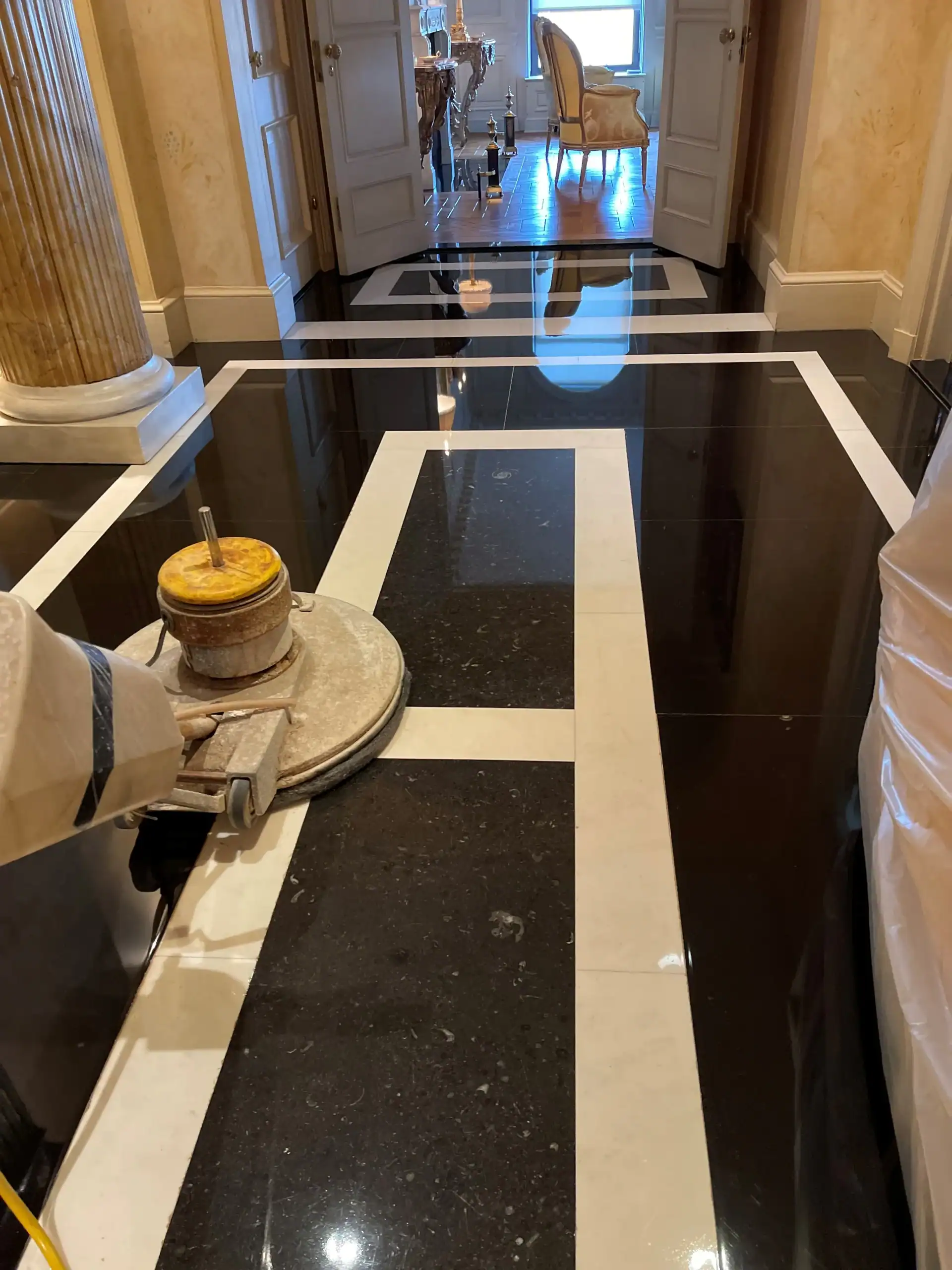
Professional restoration goes much deeper than cleaning, which removes surface dirt and soap scum but can’t fix etching, scratches, or restore lost shine. Professional restoration uses specialized grinding and honing techniques to actually remove damaged surface layers, eliminating etches, scratches, and dull spots permanently, then polishes the marble to restore its original luster and applies protective sealers.
The process begins with assessing your marble to identify specific issues – whether etching from cleaning products, cracks from settling, or dullness from years of use, followed by specialized grinding and honing techniques to remove surface damage, polishing to restore the original finish, and color-matched repair compounds for cracks or chips.
The difference between amateur cleaning and professional marble restoration is night and day, as professionals use proven techniques that work with your stone’s natural properties instead of harsh chemicals that damage marble further.
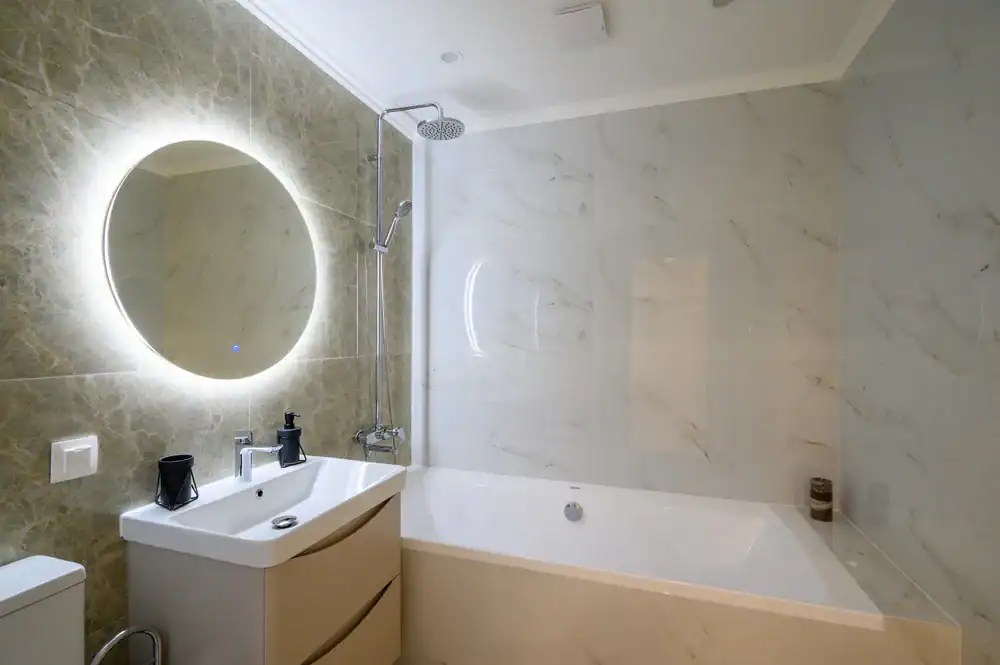
Our restoration service includes deep cleaning to remove soap scum and hard water deposits, professional grinding and honing to eliminate scratches and etches, crack and chip repair with color-matched materials, and protective sealing to prevent future staining. For Long Island homeowners, this approach matters because the humid climate and hard water create specific challenges, and we understand these local conditions and adjust techniques accordingly to ensure restored marble withstands humidity levels common in Nassau and Suffolk County homes.
Chips and cracks are more common than most people think, happening from dropped items, during installation, or from normal settling, but most damage can be repaired so well you’ll never know it was there using color-matched epoxy and specialized techniques to fill chips, seal cracks, and restore smoothness, followed by polishing and sealing the entire surface.
Professional steam cleaning uses commercial-grade equipment at precisely controlled temperatures to remove dirt, grime, and bacteria without harsh chemicals, operating at optimal settings that clean deeply while preserving marble’s integrity, understanding exactly how much heat and pressure different stone types can handle, resulting in sanitized, spotless marble that’s especially effective for removing greasy buildup and food stains.
Most marble restoration projects take 1-3 days depending on size and condition, with typical bathroom shower walls usually taking 1-2 days, while larger projects like multiple rooms may take longer. This approach saves thousands compared to replacement while giving results that last for years, and even significant damage can often be repaired rather than requiring complete replacement.
Marble tubs often develop etching and dullness from harsh cleaners and mineral buildup, requiring avoidance of acidic or abrasive cleaners that cause etching. Proper cleaning requires pH-neutral stone cleaners or mild dish soap diluted in water, applied with soft cloths, and for stubborn buildup, a poultice made from baking soda and water can help, but surfaces must be regularly dried after use to prevent mineral accumulation.
DIY solutions like baking soda poultices and soft bristle brushes can help with minor stains, but marble is not as durable as granite or quartz, requiring extra time and care to prevent damage to the stone. More difficult stains around faucets may need stronger tools like razor blades or plastic scrapers, but these must be used carefully to avoid puncturing sealants or gouging the stone.
Serious etching or accumulation of water damage requires professional honing and polishing, but this process can restore marble’s original beauty in many cases. Professional restoration can bring marble back to original beauty without the massive expense of replacement, restoring even heavily stained, etched, or cracked walls using the right techniques and equipment, including specialized grinding and honing processes that remove damaged surface layers while preserving marble’s integrity.
The tools, techniques, and products required for proper restoration simply aren’t available to homeowners. Professional equipment allows completion of 99% of restoration work on-premises without messy dust, something impossible to achieve with consumer-grade tools. After professional restoration, marble walls have that mirror-like shine and smooth feel they had when first installed, a level of renewal regular cleaning simply cannot achieve, especially on Long Island where hard water and humidity create ongoing challenges.
When you factor in the cost of new materials, demolition, disposal, and installation, replacement projects can easily run $3,000-$8,000 or more for typical projects, while restoration addresses the actual problems without the massive expense and disruption, avoiding weeks of construction mess and environmental impact.
As an owner-operated business with 35+ years of experience serving Nassau and Suffolk Counties, we provide direct expertise without subcontracting. You work directly with experts who understand Long Island’s historic properties, having restored marble in century-old homes across both counties, with our work even featured in the New York Times, providing the direct attention and craftsmanship Long Island homeowners value.
We provide transparent pricing upfront, with the owner personally overseeing every project and a disciplined approach to masking and cleanup that keeps your space protected during restoration. Historic marble restoration is our specialty, having restored marble in Long Island homes since 1998, with a preference for older and more challenging projects.
Article details:
Share:
Continue learning: