Deciding between marble restoration and replacement? Discover the key factors that determine the most cost-effective choice for your Long Island property.
Share:
Summary:
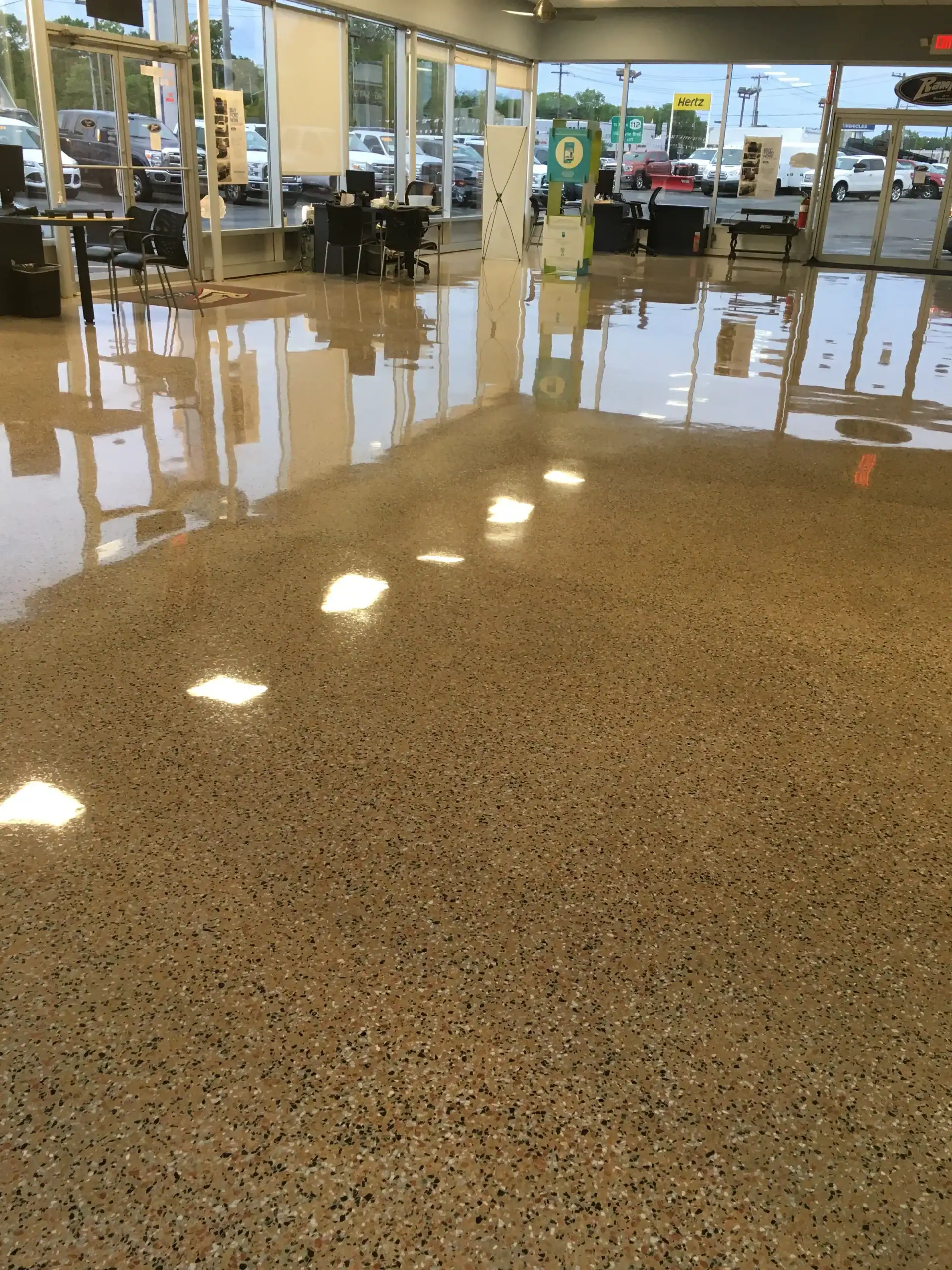
Professional restoration costs a fraction of replacement while new marble installation runs $70-190 per square foot on Long Island. Stone restoration is generally much less expensive than replacement, with new natural stone flooring costing between $6 and $20 per square foot, while new stone countertops can range from $10 to $100 per square foot.
Most stone restoration services cost $5 to $15 per square foot, making restoration dramatically more affordable. Marble countertops cost an average of $12 per square foot to restore, with deep cleaning costing between $0.50 and $1.50 per square foot, while polishing and refinishing range from $1 to $7 per square foot. The math becomes clear when you compare these numbers to replacement costs.
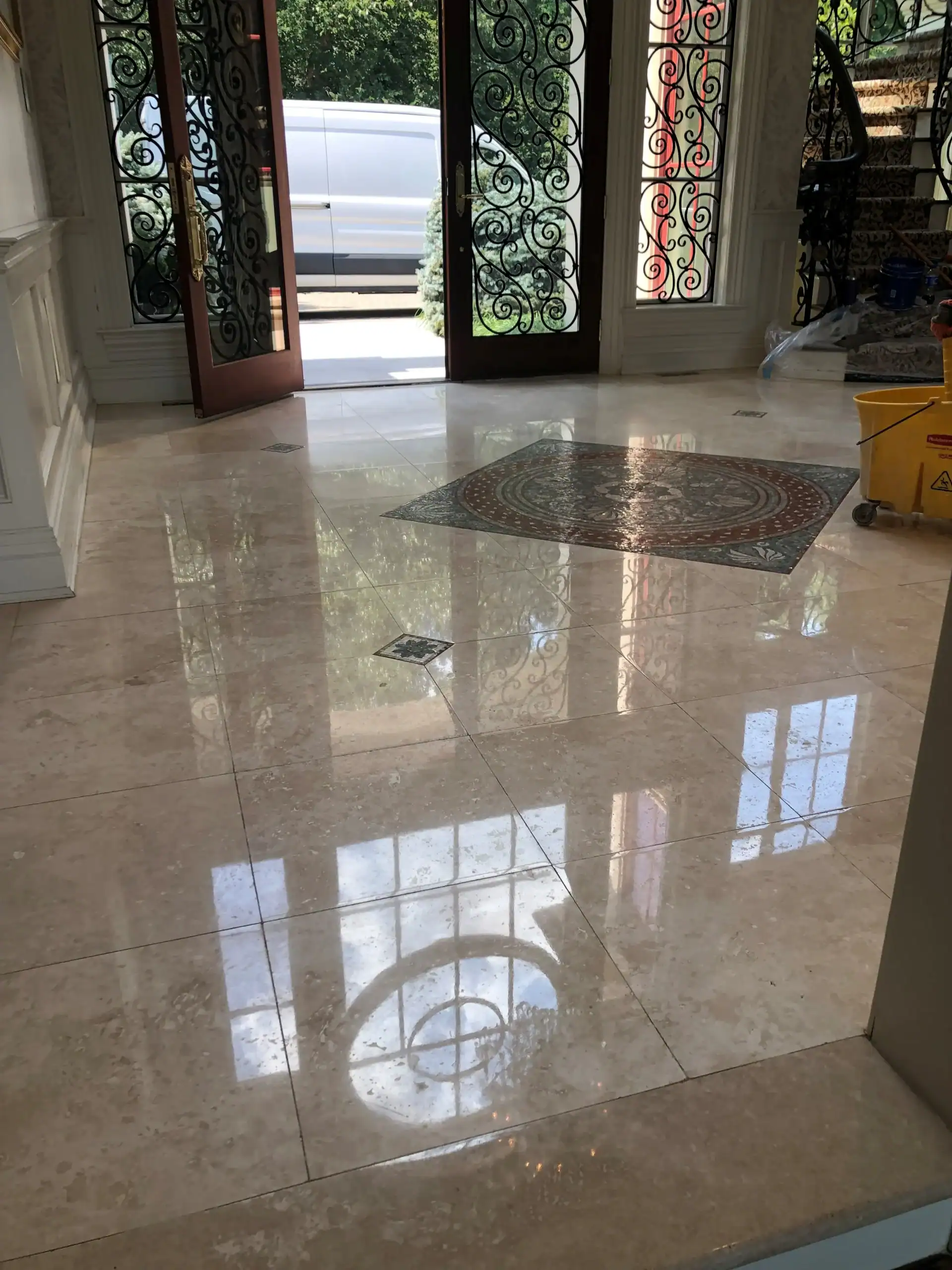
Stone thickness plays a crucial role in whether restoration makes sense. Industry standard slab stock is available in 2 cm & 3 cm (3/4″ & 1 1/4″ nominal) thickness, with typical slab sizes averaging 4′-0 x 8′-0″ for marble. Thicker marble generally offers more restoration opportunities because there’s more material to work with.
Minimum thickness requirements of ≥27 mm for structural applications mean that very thin marble may not be suitable for extensive restoration. If your marble is less than 3/4 inch thick and shows significant damage, replacement might be the safer choice. However, standard thickness marble can usually handle multiple restoration cycles throughout its lifetime.
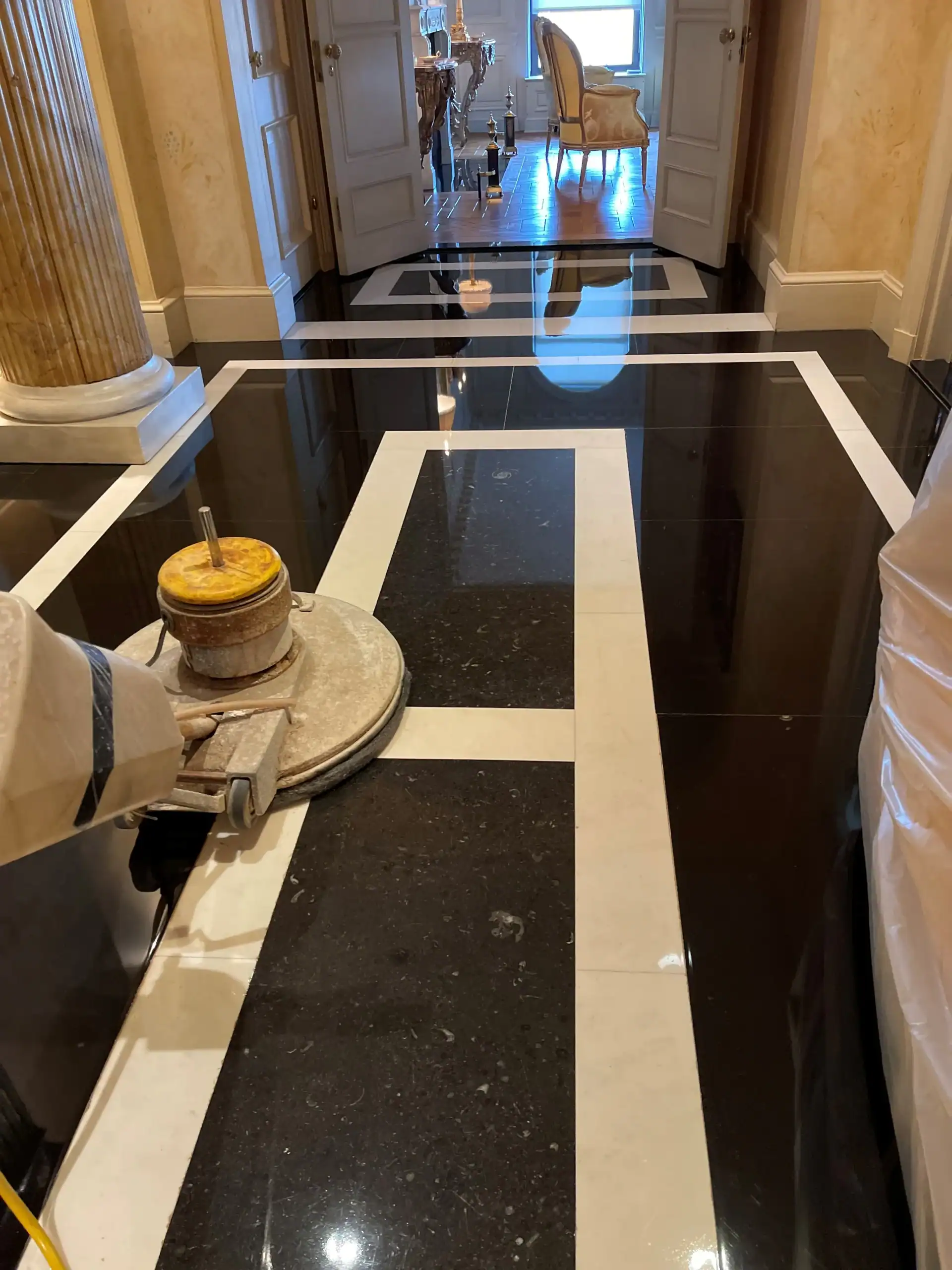
The restoration process involves removing damaged surface layers through grinding and honing. This process involves diamond grinding to remove damaged surface layers, specialized polishing to rebuild the finish, and professional sealing to protect against future damage. Thicker stone allows for more aggressive restoration techniques when needed, while thinner material requires gentler approaches that may not address deeper damage.
For historic Long Island properties, thickness often indicates the era of installation. Century-old homes across Nassau and Suffolk Counties typically feature substantial marble thickness that can withstand multiple restorations. Modern thin-set installations may have different considerations, making professional assessment critical for the right decision.
The extent and type of damage directly impacts whether restoration or replacement makes sense. Surface damage includes etching from cleaning products, cracks from settling, or dullness from years of use. Surface-level issues like etching, light scratching, and dullness typically respond well to restoration.
Repairing chips and cracks is more challenging and expensive, with prices rising as high as $25 per square foot or more if sections require replacement. Deep structural cracks, significant chipping, or widespread damage may push costs toward replacement territory. However, isolated damage areas can often be repaired while preserving the majority of the original stone.
We address etching from acidic cleaners, soap scum buildup, hard water stains, mold in grout lines, failing caulk, and dull surfaces, plus crack repair, chip restoration, and complete re-grouting when necessary. The key is understanding which problems can be fixed and which indicate fundamental structural issues.
Professional assessment becomes critical here. Every marble surface tells a story, and we read it carefully, assessing marble to identify specific issues. What looks like major damage to homeowners may be routine restoration work for us, while seemingly minor issues might indicate deeper problems requiring replacement.
Water damage, foundation settling, and improper installation can create problems that restoration cannot address. These situations often require replacement to ensure long-term stability and performance.
Want live answers?
Connect with a High Definition Marble Restoration Inc expert for fast, friendly support.
Our specialized knowledge in historic floor restoration preserves character while bringing surfaces back to life. Historic marble often has characteristics that cannot be replicated with modern materials. The veining patterns, color variations, and craftsmanship of period marble represent irreplaceable value that goes beyond simple cost considerations.
Since 1998, we’ve been providing services throughout the spectrum of natural stone industries in the New York metro area, helping restore precious, historic pieces of marble. Nassau and Suffolk County properties often feature marble from specific quarries or periods that are no longer available, making preservation the only way to maintain authentic character.
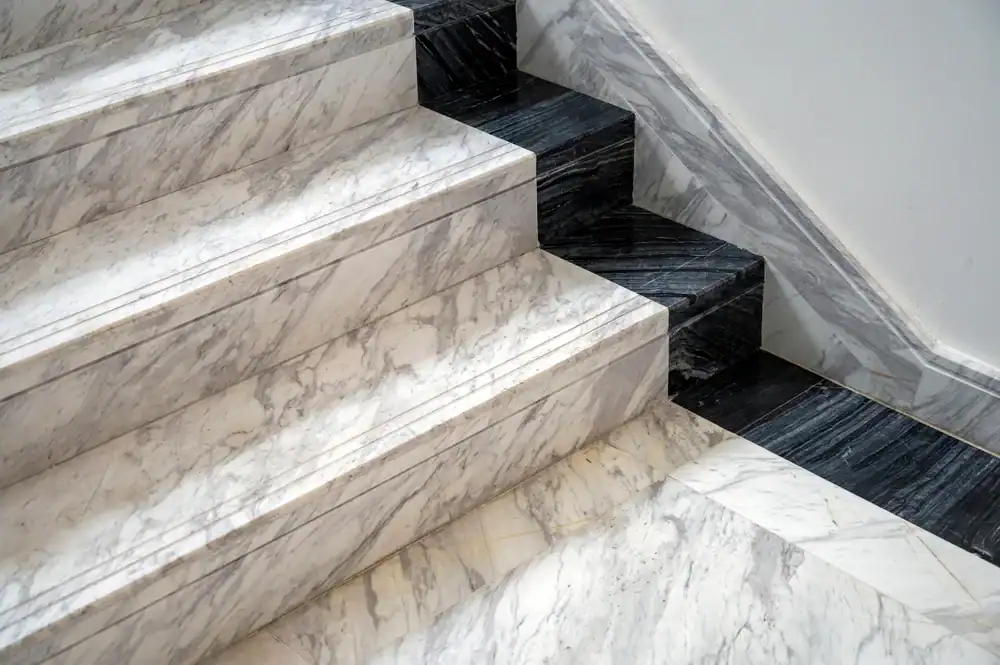
Historic marble restoration is our specialty, with our team working on century-old marble throughout Nassau and Suffolk Counties, including many historic properties. Long Island’s architectural heritage includes homes from the early 1900s through mid-century, each with distinct marble characteristics that reflect their era.
Garden City’s upscale residential areas and historic homes demand high-quality restoration services to maintain elegance, with architectural styles ranging from classic to contemporary, requiring tailored restoration solutions that respect historical elements. These properties often feature marble that was selected for its specific characteristics and installed using period-appropriate techniques.
Replacement in historic contexts often means losing authenticity that cannot be recovered. Modern marble, while beautiful, lacks the patina, character marks, and unique qualities that develop over decades. Our processes respect the item’s history, enhancing beauty without compromising antique value.
The decision becomes more complex when dealing with protected historic properties or homes in historic districts. Preservation guidelines may favor restoration over replacement to maintain historical integrity. We take extraordinary care when working on historical properties, understanding the balance between preservation and practical functionality.
Property values in historic Long Island neighborhoods often reflect the authenticity of original materials. Restoring marble can increase property value by up to 25% according to the National Association of Realtors, particularly when maintaining historic character that buyers specifically seek.
Beyond upfront costs, the total cost of ownership includes maintenance, longevity, and future value considerations. Stone is far more durable than most other floor and countertop materials, so it simply makes more sense to repair and restore it whenever possible. Quality restoration can extend marble life for decades.
Marble countertops last more than 100 years with proper sealing and care. Regular maintenance after restoration costs $200 to $600 and keeps stone surfaces looking their best while extending their lifespan. This long-term perspective often favors restoration, especially for structurally sound marble.
Replacement involves additional costs beyond material and installation. Removing old countertops costs $50 to $400, with most installers including this service in their replacement estimate. Demolition and removal of old countertops costs $100-$800, depending on material and difficulty, with tile countertops taking longer to remove than laminate.
The disruption factor also carries costs. Most marble restoration projects take 1-3 days depending on size and condition, and we understand that homeowners don’t want bathrooms or kitchens out of commission longer than necessary. Replacement projects typically take longer and create more disruption to daily life.
Restoration is far cheaper than replacement, but the decision should factor in how long you plan to stay in the property and your long-term goals. For properties you’ll own for many years, restoration often provides better value. For properties being prepared for sale, the decision may depend on buyer expectations and market conditions.
The restore versus replace decision comes down to stone thickness, damage extent, historic value, and total cost considerations. It’s almost always better to restore stone rather than replace it, provided the original stone isn’t too damaged to be returned to its original state. Most Long Island properties benefit from restoration, especially historic homes where maintaining character adds significant value.
Our transparent pricing upfront means you know exactly what you’re paying before any work starts, with our owner personally overseeing every project. Professional assessment helps you understand your options and make informed decisions based on your specific situation, budget, and goals.
When you need expert guidance on marble restoration versus replacement in Nassau or Suffolk County, High Definition Marble Restoration Inc provides the experience and transparency to help you make the right choice for your property and investment.
Article details:
Share:
Continue learning: