Essential maintenance tips to protect your marble surfaces after professional restoration in Nassau and Suffolk County.
Share:
Summary:
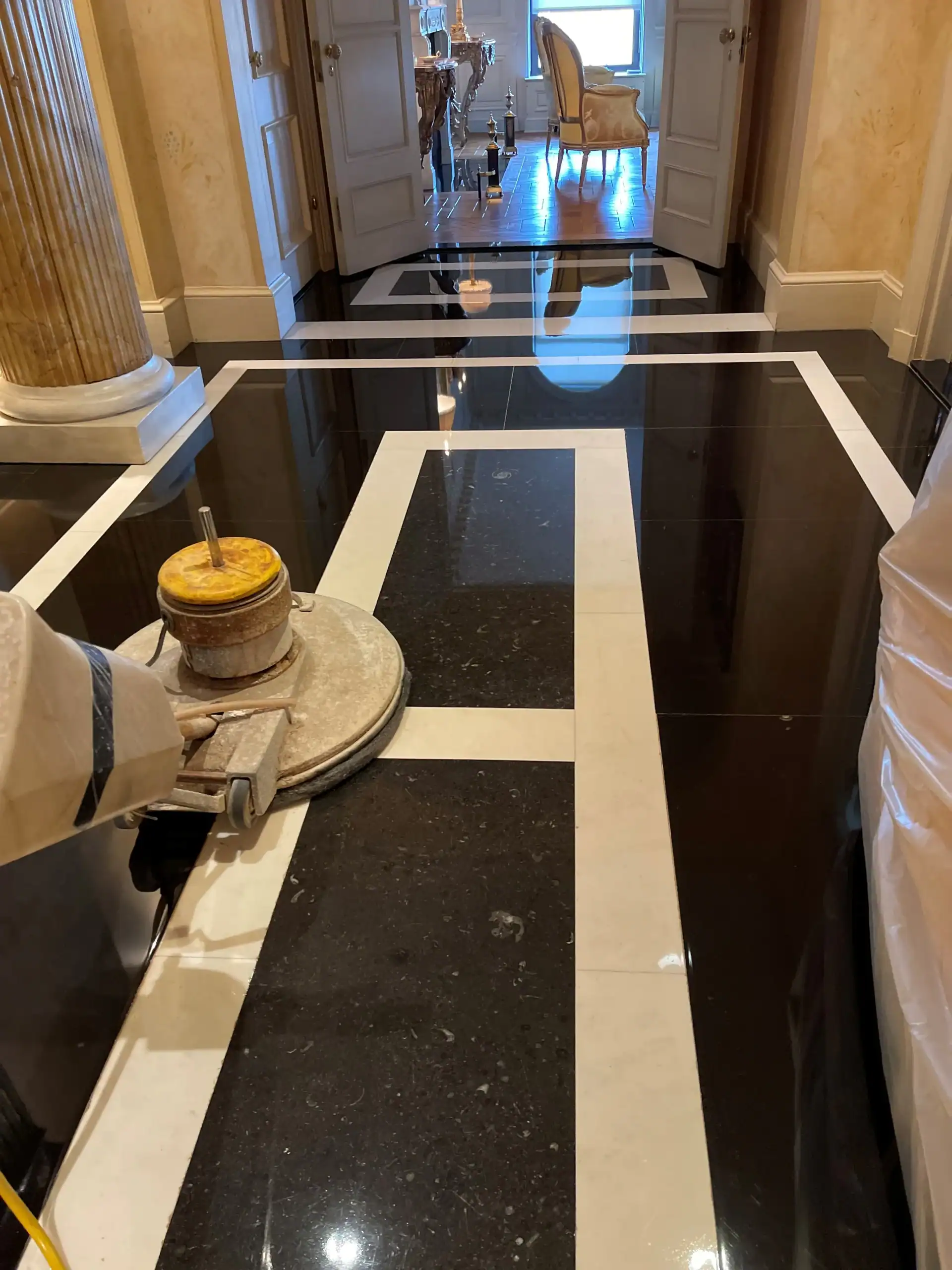
Your freshly restored marble isn’t the same as it was before the work began. Our restoration process has removed damaged layers, polished the surface to a specific finish, and likely applied protective sealing. This means your marble is actually more vulnerable in the first few weeks as sealers cure and the surface adjusts.
The good news is that proper restoration makes marble maintenance significantly easier. Professional work removes the deep stains and etching that made cleaning difficult before. Now you’re working with a clean slate – literally.
The immediate period after restoration is critical for long-term success. Your marble surfaces need time to fully cure, especially if sealing was part of the restoration process. During this window, avoid heavy cleaning or placing items directly on the surface.
Most professional sealers require 24 to 48 hours to reach initial cure strength. This doesn’t mean you can’t use the surface, but it does mean being extra careful about spills and avoiding harsh cleaning during this period. Water is usually fine for light cleaning, but skip any chemical cleaners until the sealer has had time to properly bond.
Nassau and Suffolk County’s humidity and seasonal temperature swings mean that sealer cure times can vary. In winter, when indoor heating creates dry conditions, sealers may cure faster. Summer humidity can slow the process slightly. We provide specific guidance for your situation, but the general rule is gentle use for the first two days.
The restoration investment you’ve made deserves this brief period of extra care. After 48 hours, you can begin implementing your regular marble maintenance routine with confidence.
The biggest mistake Nassau County homeowners make after marble restoration is returning to their old cleaning products. Standard household cleaners – even those labeled as “natural” – often contain acids that will etch your newly restored surface. This includes vinegar-based cleaners, citrus cleaners, and most bathroom cleaners.
pH neutral cleaners maintain a balance that won’t react with the calcium carbonate in your marble. They’re specifically formulated to clean effectively without causing the chemical reactions that create dull spots and etching. The investment in proper cleaners is minimal compared to the cost of restoration, and it’s the single most important factor in maintaining your marble’s appearance.
For Long Island homes, where hard water is common, pH neutral cleaners also help manage mineral buildup without damaging the stone. Regular bathroom cleaners that promise to remove hard water stains often do so through acidic action that will permanently damage marble.
Quality pH neutral cleaners designed for natural stone typically cost between $15 and $30 per bottle, but they’re concentrated and last for months of regular use. Many Suffolk County homeowners find that keeping a spray bottle of diluted cleaner readily available makes daily maintenance effortless.
Want live answers?
Connect with a High Definition Marble Restoration Inc expert for fast, friendly support.
Effective marble maintenance isn’t about intensive cleaning – it’s about consistent, gentle care that prevents problems before they start. The daily routine should take less than a minute per surface, while weekly maintenance adds only a few minutes more.
Your marble’s biggest enemies are acidic spills, abrasive dirt, and standing water. Address these three factors consistently, and your marble will stay beautiful with minimal effort.

Daily maintenance for marble is surprisingly simple, but it needs to happen consistently. For kitchen countertops, this means wiping down surfaces after cooking and cleaning up spills immediately. In bathrooms, it’s about managing water and soap residue before they have time to cause problems.
The most effective daily routine uses a microfiber cloth – either dry for dusting or slightly damp for cleaning. Microfiber is gentle enough for daily use but effective at picking up the fine particles that can scratch marble over time. Keep cloths designated specifically for marble to avoid cross-contamination from other cleaning tasks.
For spills, the key is speed and technique. Blot rather than wipe to avoid spreading acidic liquids across a larger area. Even something as simple as lemon juice from cooking can cause permanent etching if left on the surface for more than a few minutes.
Water spots are particularly common in Nassau and Suffolk County due to the mineral content in local water. These spots aren’t just cosmetic – over time, mineral deposits can build up and become difficult to remove without professional intervention. A quick daily wipe-down prevents this accumulation and protects your marble restoration investment.
In bathrooms, consider keeping a squeegee or dedicated cloth nearby for post-shower cleanup. The few seconds it takes to remove standing water and soap residue prevent the buildup that leads to costly restoration needs down the road.
Weekly cleaning goes beyond daily maintenance to address the buildup that naturally occurs even with good daily habits. This is where your pH neutral cleaner becomes essential, along with proper technique that protects your restoration investment.
The process starts with removing loose dirt and debris using a soft brush or dry microfiber cloth. This step is crucial because cleaning over gritty particles can cause micro-scratches that accumulate over time. Pay particular attention to areas where dirt tends to collect, such as corners and edges.
When applying your pH neutral cleaner, work in small sections and avoid letting the cleaner sit on the surface longer than necessary. Most quality stone cleaners are designed to work quickly – usually within 30 seconds to a minute. Follow the manufacturer’s dilution instructions precisely; stronger isn’t better and can leave residue that attracts dirt.
For Nassau and Suffolk County homes, weekly cleaning often needs to address hard water deposits, especially in bathrooms and kitchen areas near sinks. The mineral content in Long Island water can create a film that dulls marble’s natural shine. pH neutral cleaners formulated for natural stone typically include ingredients that dissolve these deposits without etching the marble.
After cleaning, always rinse thoroughly with clean water and dry with a soft cloth. Standing water, even clean water, can leave spots and potentially penetrate the sealer over time. The drying step also gives you an opportunity to inspect your marble for any issues that might need professional attention.
Proper maintenance after restoration isn’t just about keeping your marble clean – it’s about protecting a significant investment in your home’s value and beauty. The techniques covered here have been proven effective in thousands of Nassau and Suffolk County homes, where the combination of hard water, coastal humidity, and active lifestyles creates unique challenges for marble care.
Remember that consistency matters more than intensity. Daily attention to spills and weekly proper cleaning with pH neutral products will keep your marble looking beautiful far longer than sporadic deep cleaning efforts. When you do need professional attention again – whether for sealing marble countertops, minor repairs, or eventual restoration – you’ll find that proper maintenance significantly extends the time between services.
For expert marble restoration and ongoing maintenance guidance specific to Nassau and Suffolk County conditions, we have the experience and knowledge to keep your investment protected for years to come.
Article details:
Share:
Continue learning: