Your damaged marble might not need replacement. Learn when professional restoration beats costly replacement in Nassau County homes.
Share:
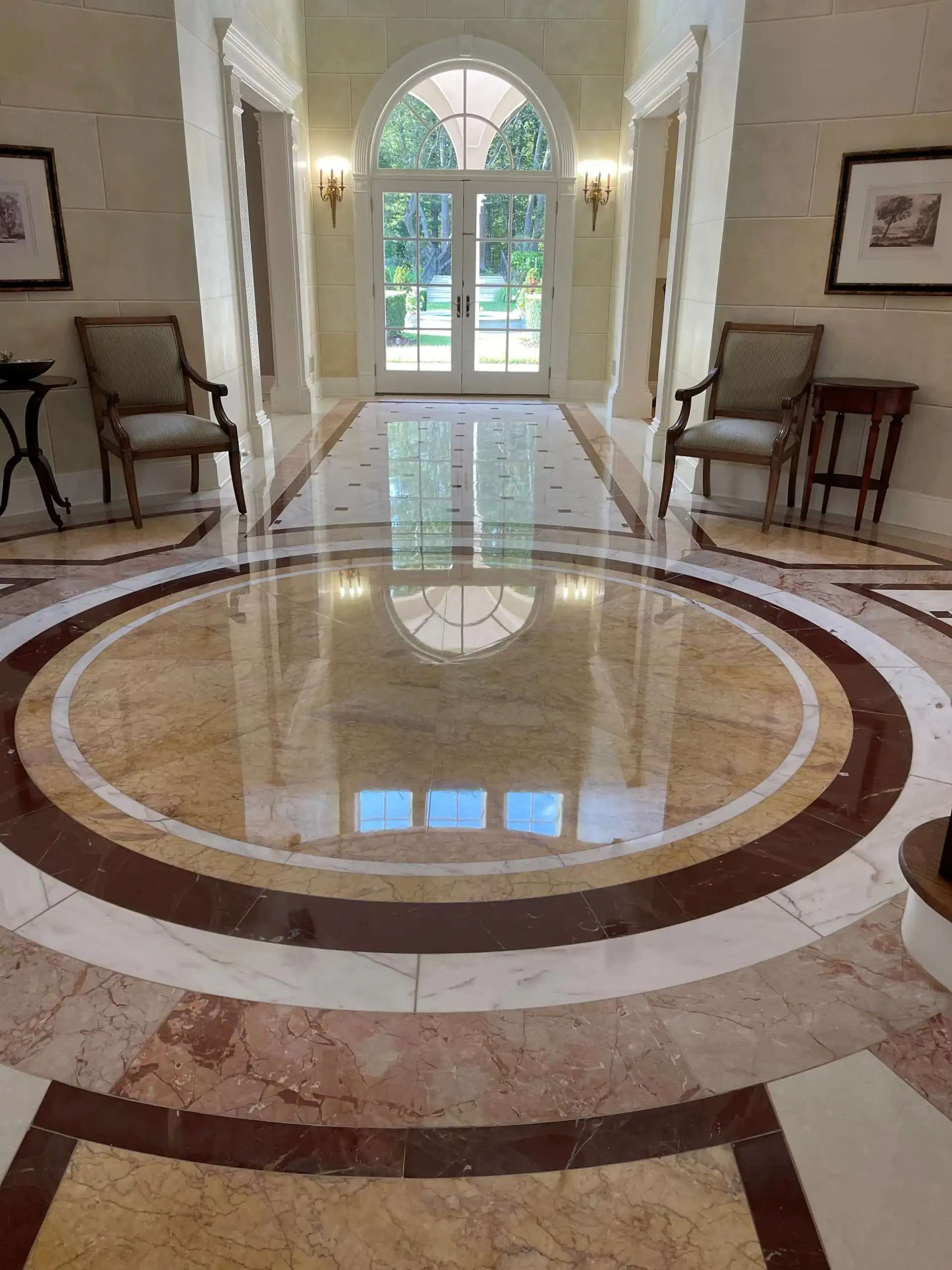
Summary:
The numbers tell the story. Restoration typically costs 60-80% less than replacement while achieving similar aesthetic results. You’re looking at $2,000 in professional marble restoration versus $10,000 for complete replacement—same stunning result, completely different impact on your budget.
But cost isn’t the only factor. Professional marble restoration can increase your property value by up to 25% according to the National Association of Realtors. That’s because restored original marble maintains the authentic character that makes Nassau County’s historic properties so desirable.
Your marble probably has decades of life left. Most damage that looks devastating is actually surface-level and responds beautifully to professional techniques.
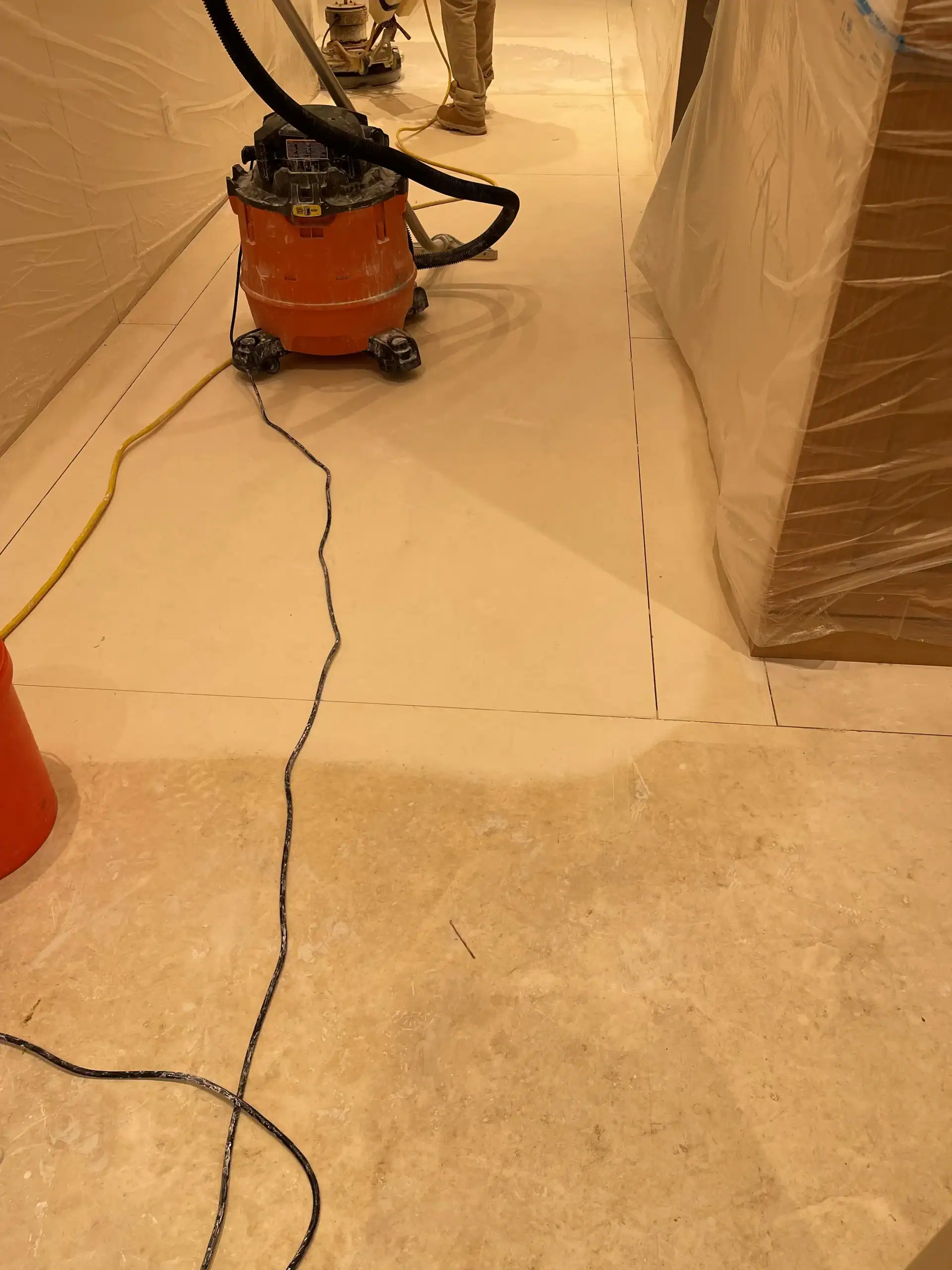
Those chips and cracks that seem permanent? Marble that has chipped or cracked can be repaired with epoxy or UV-curing resin, with both being effective methods. The key is color-matching the repair material to your specific marble pattern.
Surface scratches disappear under professional polishing. Marble that appears hazy with etching visible in certain light can be improved with diamond compounds and machine polishing. This polish and seal process removes the damaged surface layer to reveal fresh marble underneath.
Even deep damage responds to restoration. Scratched and deeply etched marble can be restored by resurfacing the damaged area using diamond pads exclusively designed for natural stone surfaces. What looks like permanent damage often isn’t.
Stains present another success story. Marble that has darkened or stained can be restored by applying a poultice—a mixture applied to the stain and covered in plastic, then removed after 3-4 days. This process draws stains out of the porous marble structure.
The restoration process goes beyond fixing visible problems. After polishing, we seal marble with solvent-based sealer, which provides better protection from stains and etching compared to water-based sealers you find at local stores. You’re getting protection that lasts years, not months.
New natural stone flooring costs between $6 and $20 per square foot, while new stone countertops can range from $10 to $100 per square foot. But those sticker prices don’t include the hidden costs that make replacement even more expensive.
Replacement means demolition, disposal fees, potential plumbing modifications, and weeks of your Nassau County home turned into a construction zone. Compare that to floor restoration at $1-3 per square foot, or countertop restoration at $5-25 per square foot depending on damage severity.
Here’s what really matters: marble restoration projects are efficient and won’t cause much disruption to your daily routine, unlike full replacement projects. You’re talking about a day or two of professional work versus weeks of construction chaos.
Older marble, particularly in Nassau County’s historic homes, often has superior density and character compared to contemporary stone, making restoration particularly worthwhile. You literally cannot buy that quality and character in today’s market. Why throw it away?
The disruption factor alone makes restoration attractive. Your family stays comfortable, your routine stays normal, and you end up with marble that looks brand new.
Want live answers?
Connect with a High Definition Marble Restoration Inc expert for fast, friendly support.
Not every marble situation calls for restoration. Some damage requires a different approach, and knowing the difference saves you money and frustration.
Cracks are the one exception where professional stone restoration becomes the only option, and in severe cases, replacement might be necessary. Structural damage, extensive cracking, or marble repeatedly damaged by harsh chemicals might be beyond cost-effective restoration.
Sometimes the marble itself is fine, but the installation has failed. Loose tiles, significant height differences between tiles, or substrate problems require addressing the underlying structure. In these cases, replacement might be more practical than trying to restore over a failing foundation.
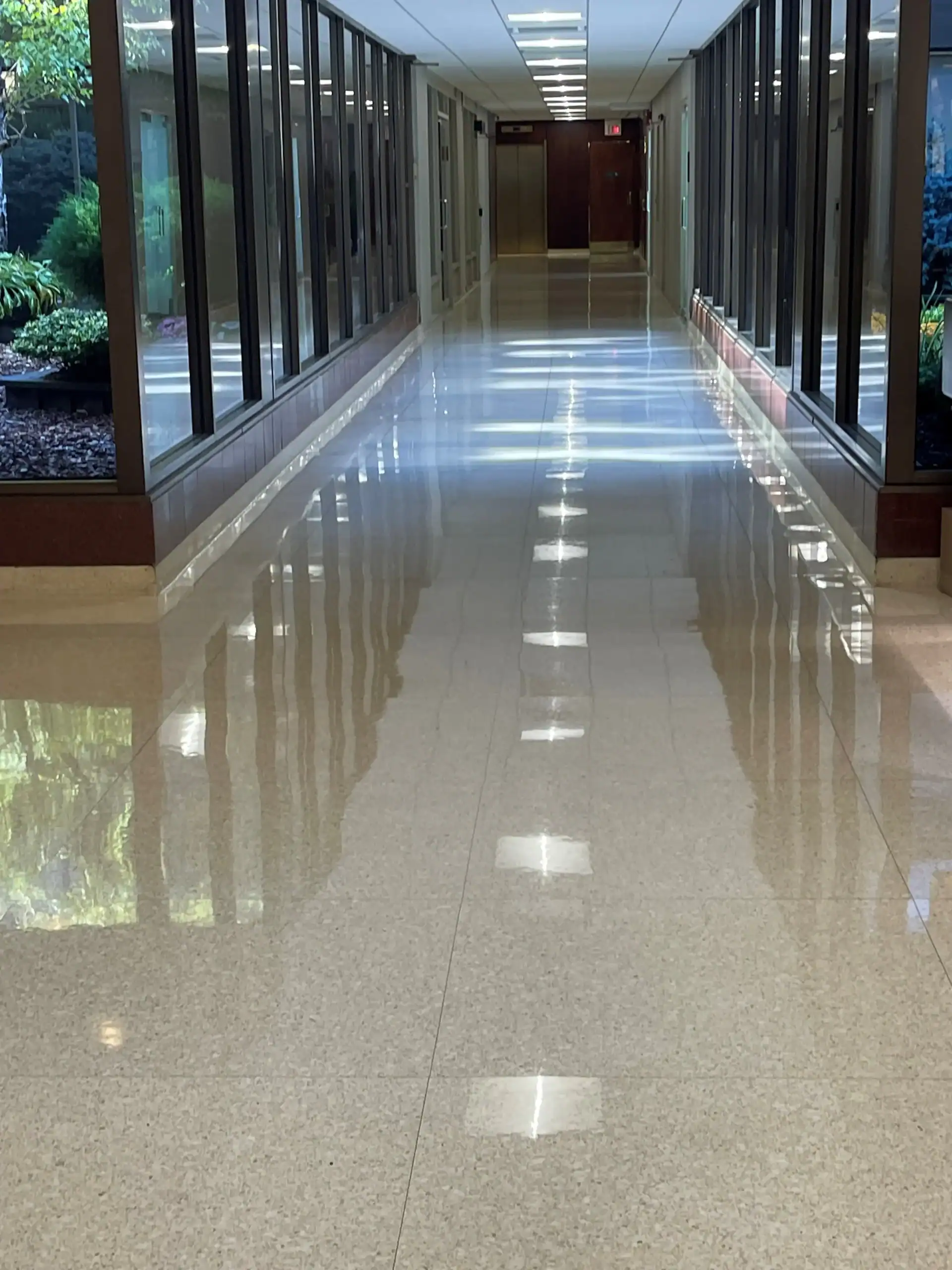
Cracks in marble come in several varieties from hairline cracks to full-thickness breaks, and the type of crack dictates potential repair options. Full-thickness breaks that compromise structural integrity often require replacement sections rather than repair.
Multiple failed DIY repairs create another warning sign. DIY epoxy repairs are more permanent than wax and if they need to be removed can result in further damage, plus marble’s naturally unique coloring makes exact color matching nearly impossible. Bad previous repairs sometimes cause more damage than the original problem.
Extensive water damage that’s reached the substrate, repeated exposure to harsh acids that have eaten through significant marble depth, or installation that’s fundamentally flawed all point toward replacement being the more practical choice.
Issues that potentially lower property value and lead to costly marble replacement if left unaddressed include ongoing moisture problems, structural settling, or damage that keeps recurring despite professional restoration attempts.
The good news? Most marble damage doesn’t fall into these categories. Most Nassau County homeowners are shocked at how much life remains in their “ruined” marble, as what looks like permanent damage is often just years of improper care that can be reversed.
Professional assessment starts with thorough evaluation of your marble’s condition, as every surface tells a different story—some need light polishing, others require more intensive restoration. This isn’t guesswork you can do yourself.
We look beyond what you see on the surface. Our evaluation tests marble density, checks for structural soundness, evaluates the substrate condition, and determines whether damage goes surface-deep or deeper. We also assess whether your specific marble type responds well to restoration techniques.
We evaluate the depth and impact on the marble’s sealant to choose the right repair method. This technical assessment determines whether restoration will achieve the results you want or whether replacement makes more sense for your specific situation.
The assessment also considers your long-term goals. Are you planning to sell soon? Will this area see heavy daily use? Do you want to maintain historic authenticity? These factors influence whether restoration or replacement better serves your needs.
Years of improper maintenance can make marble look beyond repair when it actually just needs professional attention to restore its original elegance and functionality. Professional assessment reveals this difference, potentially saving you thousands in unnecessary replacement costs.
It’s almost always better to restore stone rather than replace it, provided the original stone isn’t too damaged to be returned to its original state, since stone is far more durable than most other materials. Your Nassau County marble likely falls into the restorable category.
The decision comes down to professional assessment, your budget, and your long-term plans. Restoration is efficient and affordable, and following restoration, minimal maintenance leaves your property with gorgeous flooring that adds elegance and value.
For Nassau and Suffolk County homeowners dealing with scratched or chipped marble, restoration often provides the perfect solution that preserves your home’s character while protecting your budget. Contact us at High Definition Marble Restoration Inc for professional assessment and transparent pricing that helps you make the right decision for your specific situation.
Article details:
Share:
Continue learning: