Choosing between concrete polishing and marble for your Long Island property? Compare costs, maintenance, and durability to make the right decision.
Share:
Summary:
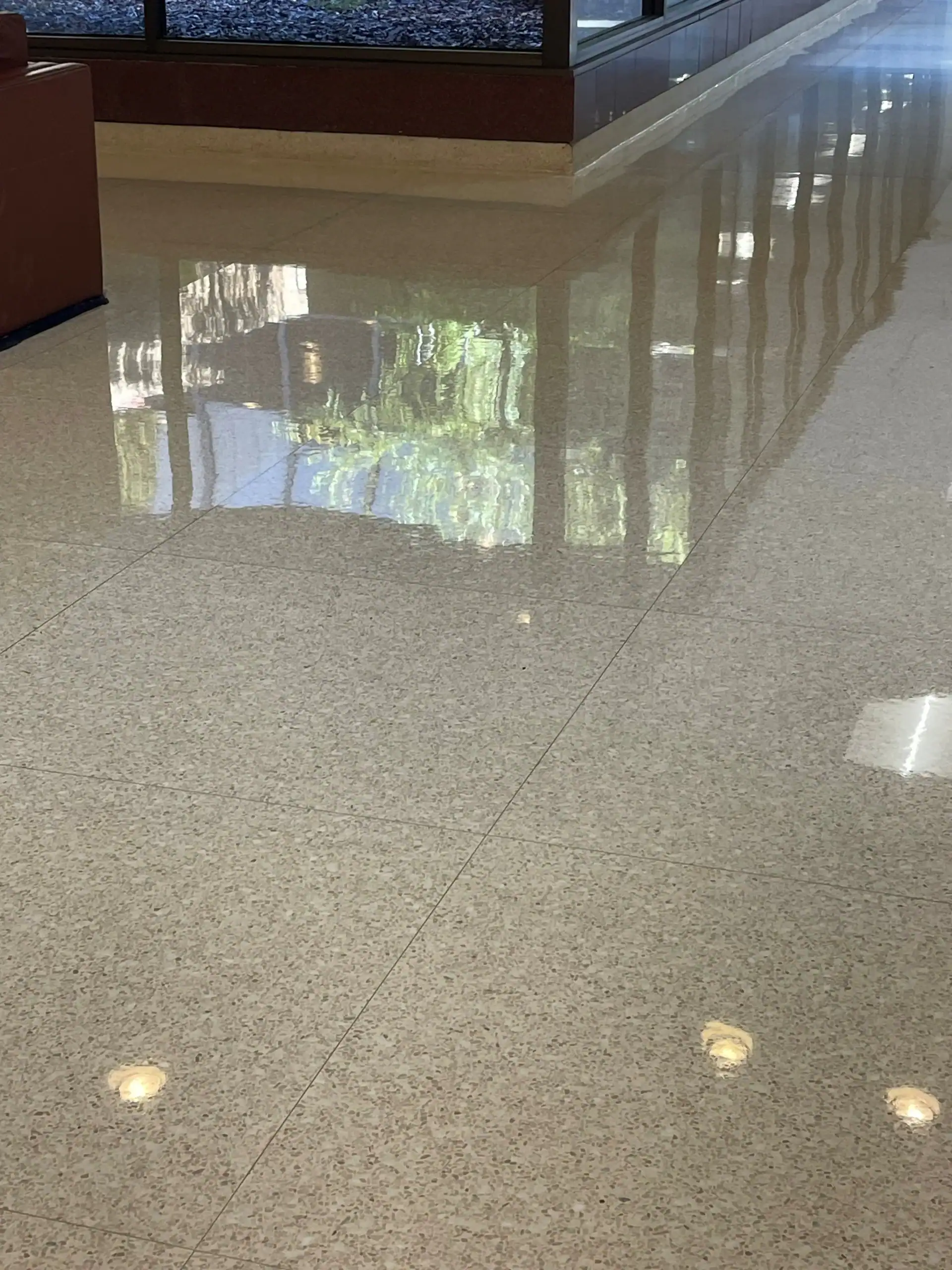
Concrete polishing transforms existing concrete slabs into glossy, sophisticated surfaces through mechanical grinding and polishing with diamond abrasives. The process creates dense, durable floors that rival natural stone in appearance while offering superior performance characteristics.
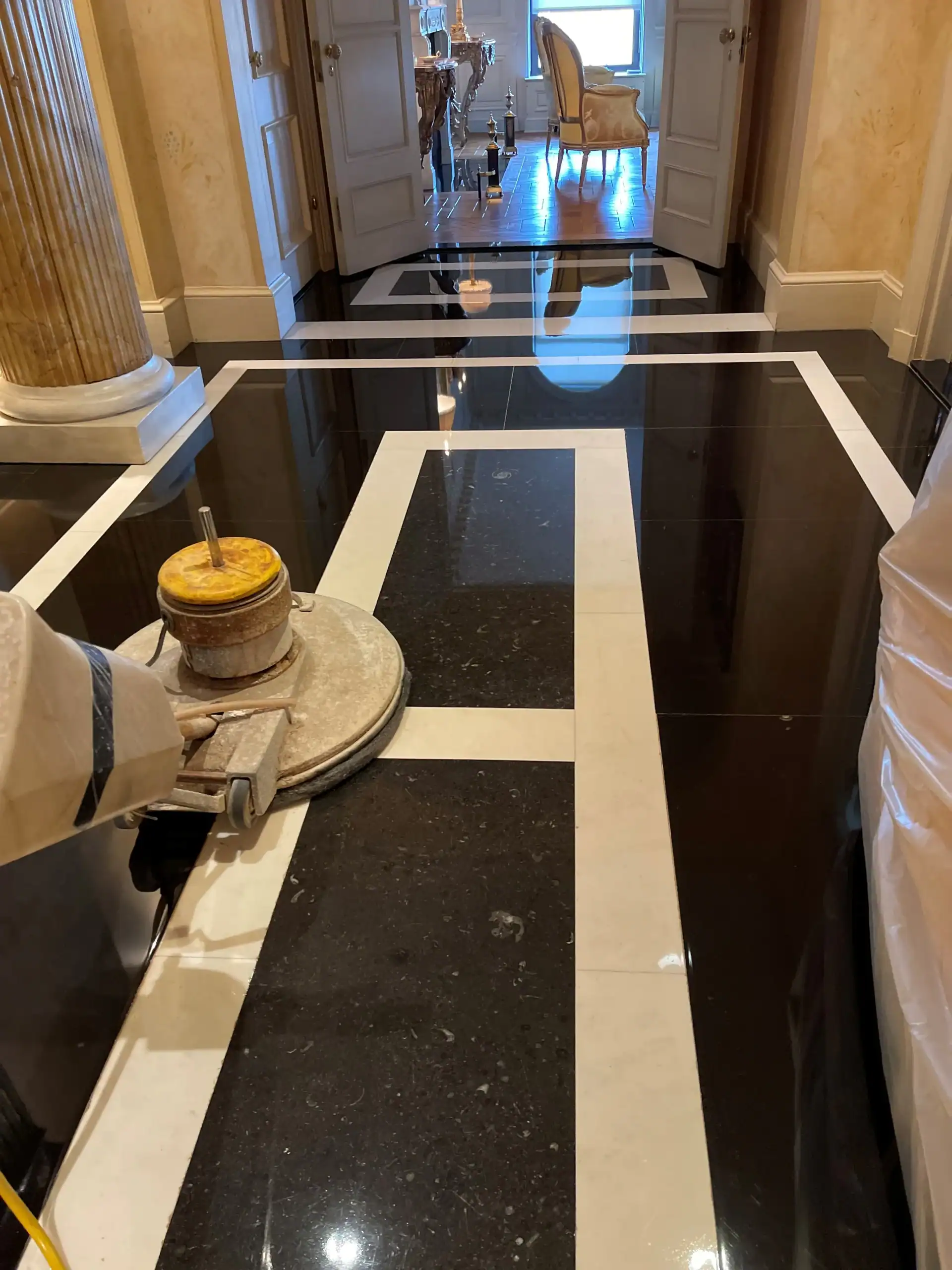
Marble restoration brings damaged or worn natural stone back to its original beauty through specialized grinding, honing, and polishing techniques. This process removes scratches, etching, and dullness while preserving the stone’s natural character and veining patterns.
Both processes require professional expertise and specialized equipment, but they address different starting points and deliver different long-term experiences for property owners.
The financial reality of flooring choices hits home quickly on Long Island, where labor and material costs run higher than many regions. Concrete polishing typically ranges from $3 to $12 per square foot, making it an attractive option for larger spaces or budget-conscious projects.
Marble restoration costs vary significantly based on the extent of damage and type of marble, but professional restoration runs far less than replacement. New marble installation can cost $70 to $190 per square foot on Long Island, while restoration preserves your investment at a fraction of that expense.
The long-term cost picture favors concrete polishing for maintenance simplicity. Polished concrete requires minimal ongoing care—regular sweeping and occasional damp mopping keep it looking pristine. Marble demands more attention, including periodic sealing, immediate spill cleanup, and potential restoration work to address etching or scratches over time.
For Long Island’s hard water conditions, this maintenance difference becomes even more pronounced. Mineral deposits and soap scum buildup require specific removal techniques for marble surfaces, while polished concrete resists these issues naturally. Property owners in Nassau and Suffolk Counties often find the reduced maintenance burden of concrete polishing appealing, especially in high-traffic commercial spaces or busy family homes.
Labor costs for ongoing maintenance also differ significantly. Marble restoration requires specialized technicians with stone-specific knowledge, while concrete polishing maintenance can often be handled with standard commercial cleaning approaches.
Long Island’s coastal environment and varying soil conditions create specific challenges for flooring materials. Humidity levels, temperature fluctuations, and hard water all impact how different surfaces perform over time.
Polished concrete excels in durability testing. The mechanical polishing process creates an extremely dense surface that resists scratches, impacts, and heavy foot traffic. When properly sealed, polished concrete also handles moisture exposure better than many alternatives, making it suitable for basements, commercial spaces, and areas where spills are common.
Marble, while beautiful, requires more careful consideration in Long Island’s environment. The natural stone is softer than concrete and more susceptible to scratches and chips. Acidic substances—from citrus spills to certain cleaning products—can cause permanent etching on marble surfaces. This sensitivity becomes particularly relevant in kitchen applications or commercial spaces where acidic materials are common.
The humid coastal climate also affects marble differently than concrete. Moisture can penetrate unsealed marble, potentially leading to staining or structural issues over time. Polished concrete’s density and sealing options provide better moisture resistance, making it more forgiving in Long Island’s variable weather conditions.
For historic properties common throughout Nassau and Suffolk Counties, both materials can work, but the choice often depends on the building’s specific conditions and intended use. Concrete polishing might suit converted industrial spaces or modern renovations, while marble restoration preserves the character of traditional residential properties.
Want live answers?
Connect with a High Definition Marble Restoration Inc expert for fast, friendly support.
The visual impact of your flooring choice shapes how people experience your space. Both concrete polishing and marble offer distinct aesthetic advantages, but they serve different design goals and architectural styles.
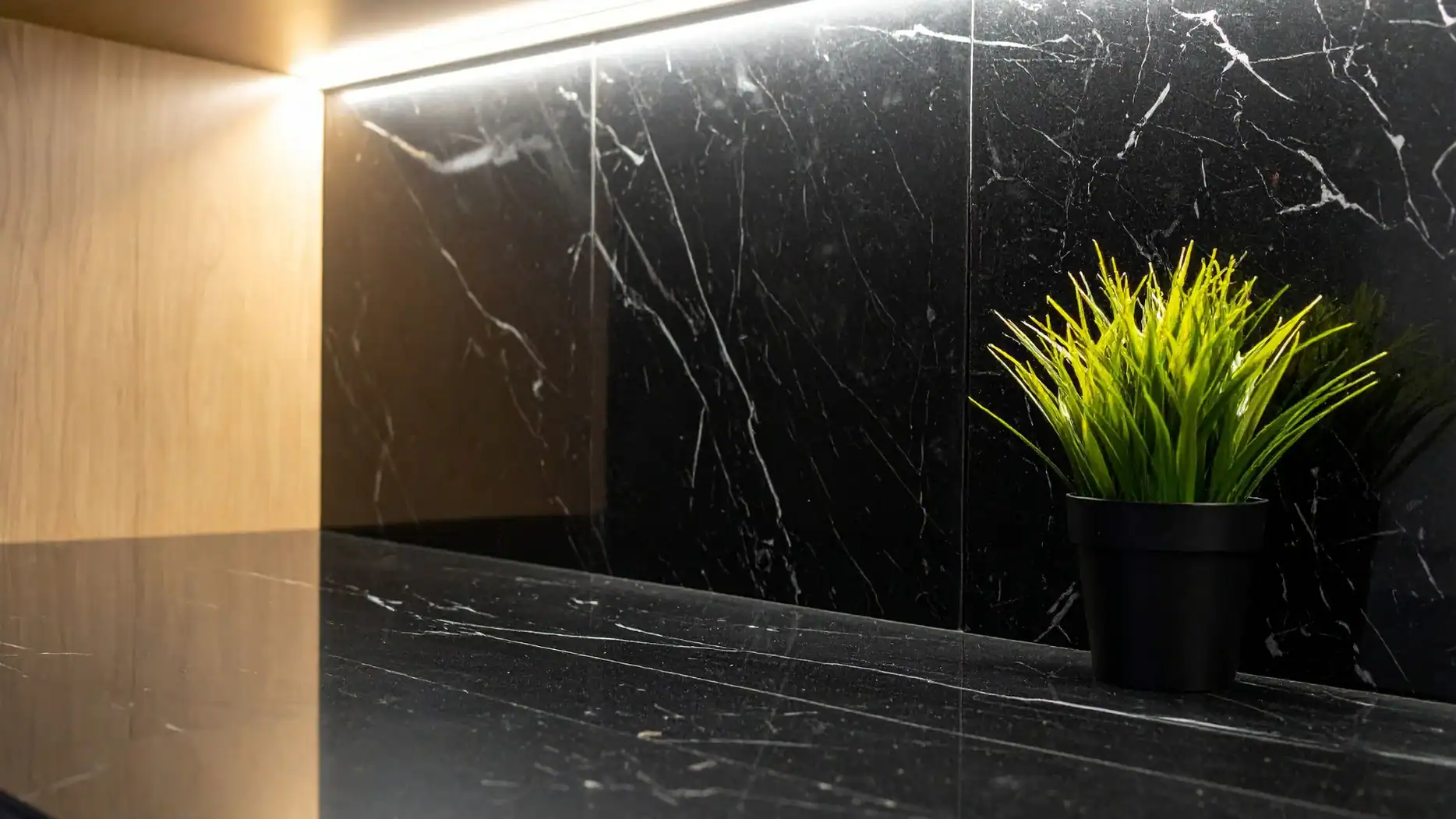
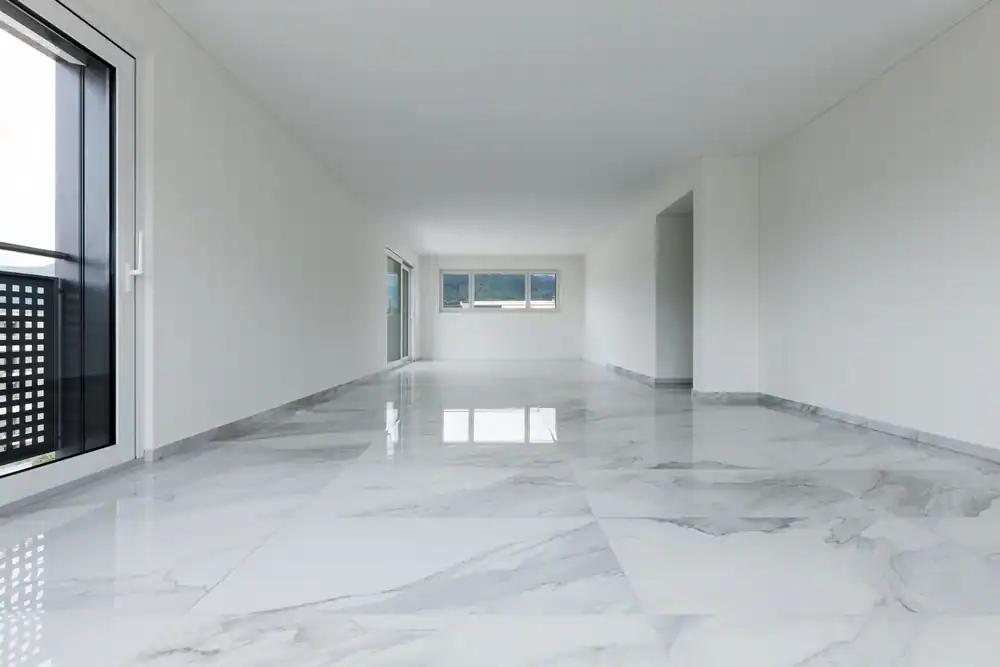
Marble brings unmatched natural beauty with unique veining patterns that can’t be replicated. Each piece tells its own geological story, creating one-of-a-kind surfaces that elevate luxury residential and commercial spaces. The cool touch and elegant appearance of marble suits traditional architectural styles common in Long Island’s historic neighborhoods.
Concrete polishing offers modern sophistication with surprising design flexibility. Color options through stains and dyes, aggregate exposure levels, and various sheen options allow customization that marble can’t match. The sleek, industrial aesthetic works particularly well in contemporary spaces, lofts, and commercial applications.
The daily reality of maintaining your floors matters more than initial appearance, especially for busy Long Island households and commercial properties. Understanding what each option requires helps you choose flooring that fits your lifestyle and operational needs.
Polished concrete maintenance stays refreshingly simple. Regular sweeping removes debris, and occasional damp mopping with pH-neutral cleaners maintains the surface. The sealed, dense surface resists most stains and doesn’t trap dust, allergens, or odors like carpet alternatives. For commercial spaces or family homes, this low-maintenance approach saves time and money over the floor’s lifespan.
Spill response with polished concrete is straightforward—clean up liquids promptly to prevent potential staining, but the surface forgives minor delays better than natural stone. The non-porous sealed surface doesn’t absorb spills immediately, giving you time to address accidents without permanent damage.
Marble maintenance demands more attention and specific knowledge. Immediate spill cleanup becomes critical, especially with acidic substances like wine, citrus juice, or vinegar that can etch the surface permanently. Regular cleaning requires pH-neutral products specifically designed for natural stone—many common household cleaners will damage marble over time.
Professional sealing typically needs renewal every 6 to 18 months depending on usage levels, and Long Island’s hard water accelerates the need for professional maintenance. Soap scum, mineral deposits, and potential mold growth in marble’s natural pores require specialized removal techniques that standard cleaning companies often don’t understand.
The humidity common in Nassau and Suffolk County homes also affects marble maintenance schedules. Bathroom installations may need more frequent professional attention due to constant moisture exposure, while kitchen applications face different challenges from cooking activities and food preparation.
Your specific situation determines which flooring option serves you better. Consider how you use the space, your maintenance preferences, and your long-term goals for the property.
Choose concrete polishing when durability and low maintenance top your priorities. Commercial spaces, high-traffic areas, basements, and modern residential applications often benefit from concrete’s practical advantages. The cost savings over time, combined with superior performance in challenging conditions, make concrete polishing attractive for property owners focused on long-term value.
Concrete polishing also suits situations where you’re working with existing concrete slabs. Rather than covering or replacing the substrate, polishing transforms what’s already there into a finished surface. This approach saves money and time while delivering professional results that can last decades with minimal care.
Consider marble restoration when preserving character and achieving luxury aesthetics matter most. Historic properties, upscale residential spaces, and applications where natural beauty justifies the additional maintenance often warrant marble’s investment. The timeless appeal and potential property value increase can offset the higher ongoing costs.
For Long Island properties, location within your home or building also influences the decision. Marble might suit formal living areas, entryways, or bathrooms where the luxury factor matters most, while concrete polishing could handle utility areas, commercial spaces, or family rooms where practicality takes precedence.
Budget considerations extend beyond initial installation costs. Factor in long-term maintenance, potential restoration needs, and the time investment required for proper care. Concrete polishing typically offers better cost predictability, while marble requires ongoing professional attention that varies based on usage and environmental conditions.
Both concrete polishing and marble restoration can transform your space, but they serve different needs and lifestyles. Concrete polishing delivers modern durability with minimal maintenance, making it ideal for busy households and commercial applications. Marble restoration preserves timeless elegance but requires ongoing professional care to maintain its beauty.
Your choice ultimately depends on how you use the space, your maintenance preferences, and your long-term goals. Consider the specific challenges of Long Island’s environment—hard water, humidity, and temperature fluctuations—when making your decision.
We offer both concrete polishing and marble restoration services throughout Nassau and Suffolk Counties, helping property owners make informed decisions based on their specific needs and providing expert installation regardless of which option you choose.
Article details:
Share:
Continue learning: