Learn to spot the early signs your marble surfaces need professional restoration before costly damage sets in.
Share:
Summary:
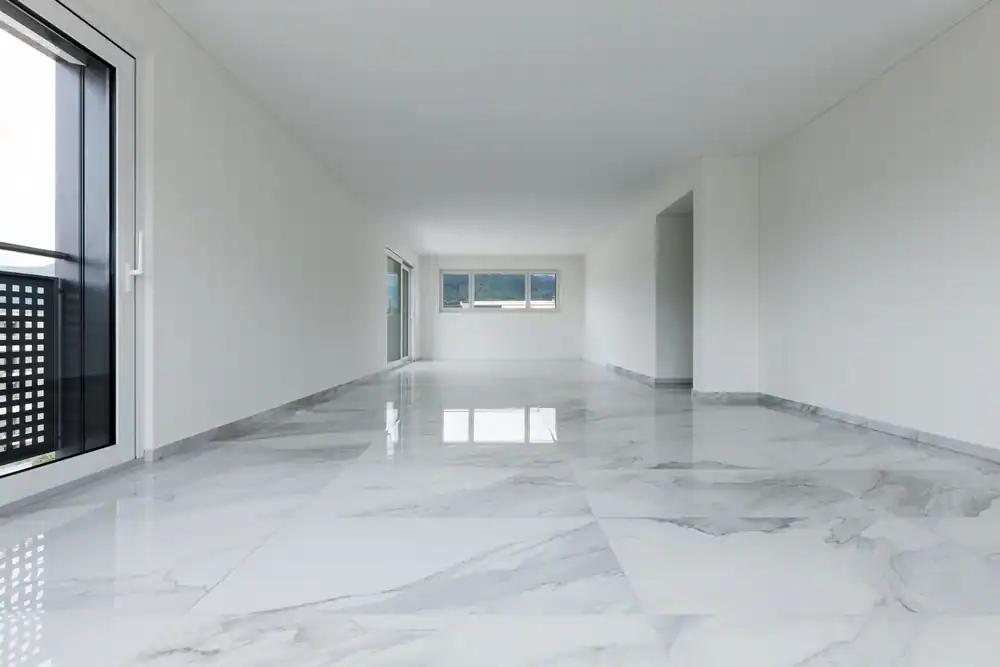
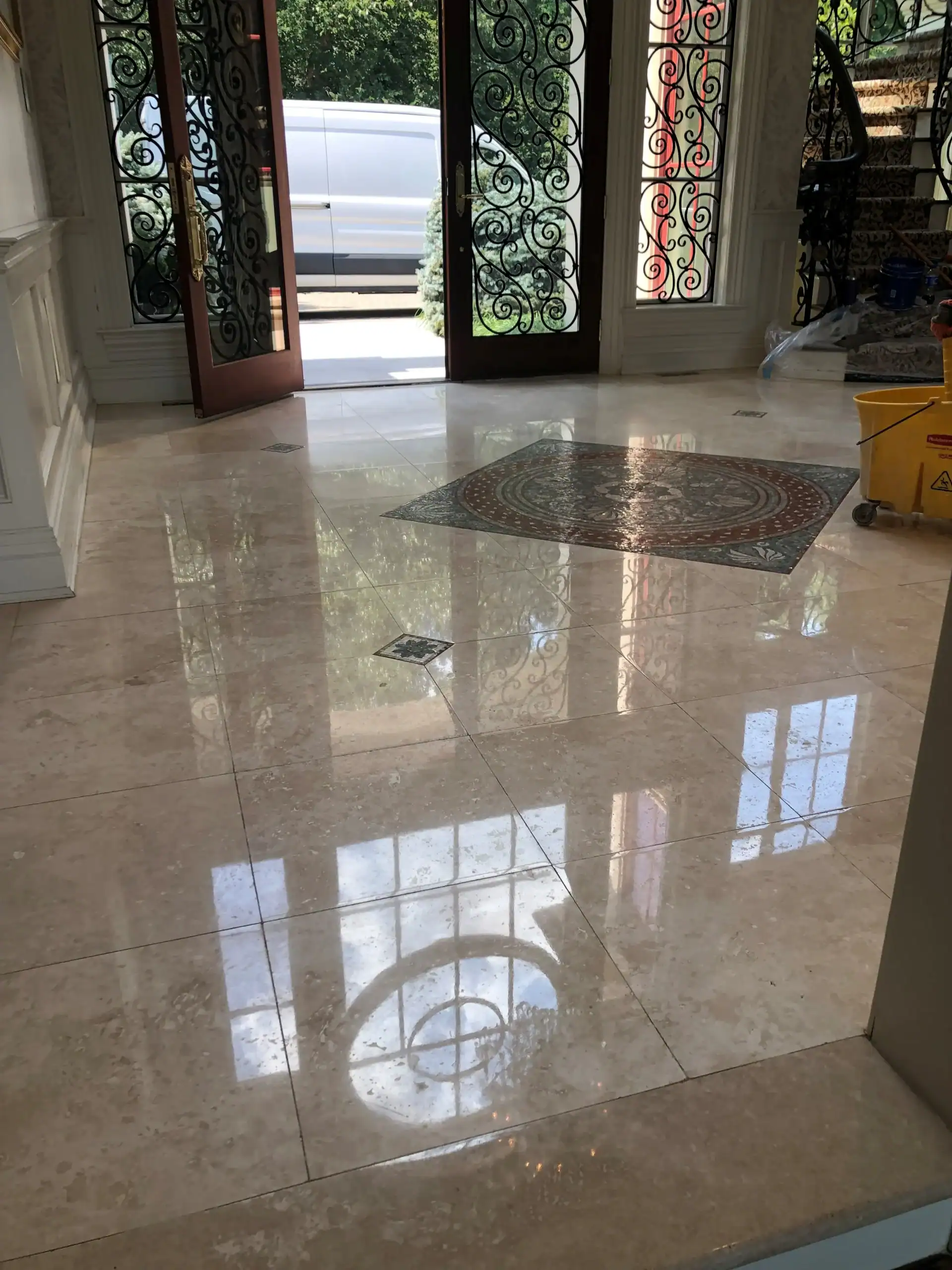
The most common early sign is when marble finishes lose their shine over time, with frequently used parts appearing dulled compared to other areas of the surface. This isn’t something that happens overnight—it’s a gradual process that many Nassau County homeowners don’t notice until the difference becomes stark.
When this dullness appears, professional marble restoration is the best way to restore your countertop’s appearance and consistency. What you’re seeing is the natural wear pattern from daily use, and no amount of household marble cleaning will bring back that original luster.
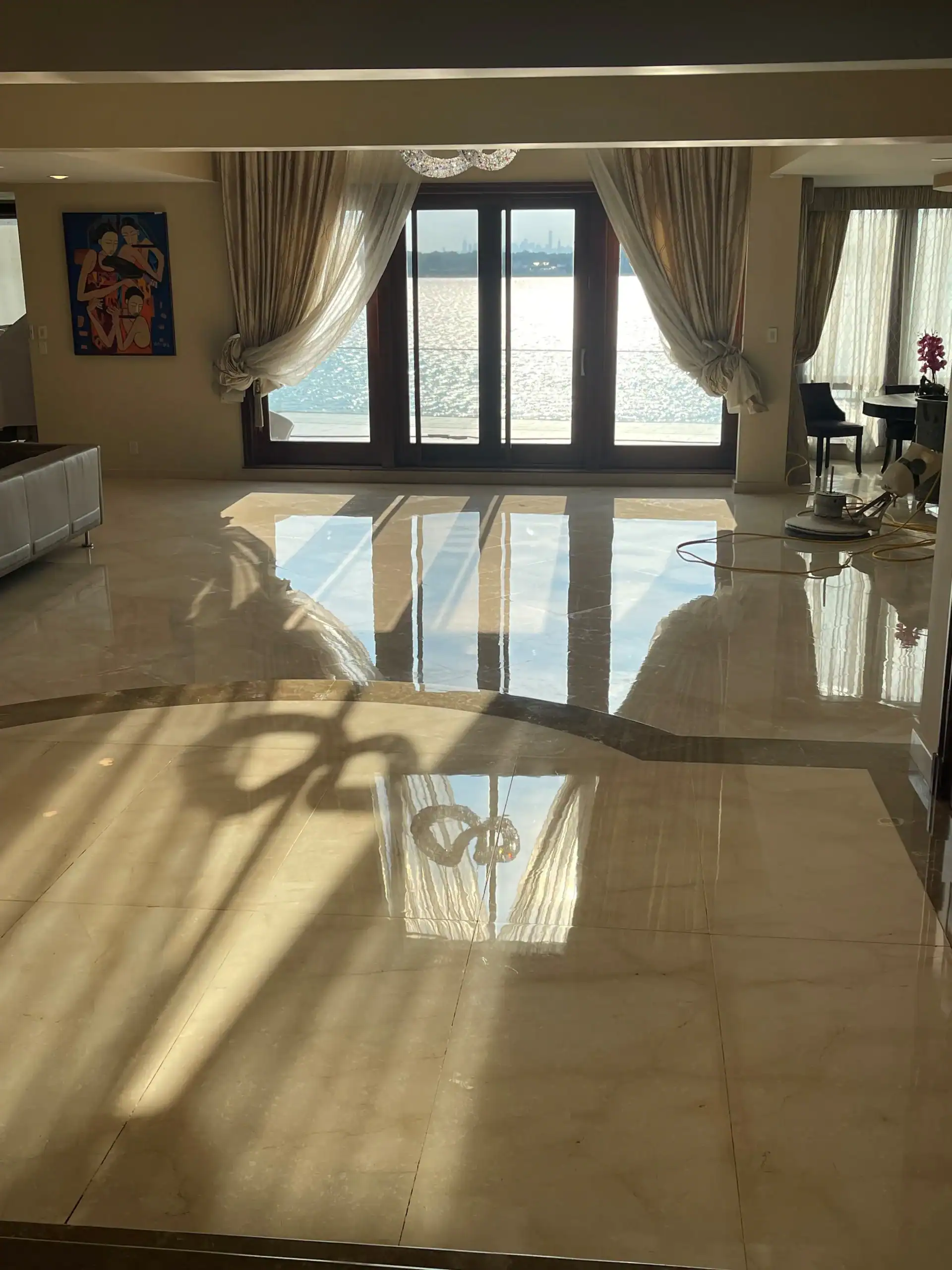
Understanding why marble loses its shine helps you recognize when marble repair becomes necessary rather than just routine cleaning. Marble is a relatively soft stone that can be scratched and damaged by sharp objects, and with constant use in busy kitchens, you’ll start seeing signs of wear and tear.
The problem goes deeper than surface dirt. As marble ages, it becomes more porous, and even with proper care and regular cleaning, nearly imperceptible scratches occur. These microscopic scratches accumulate over months and years, creating that overall dull appearance that makes your marble look tired and worn.
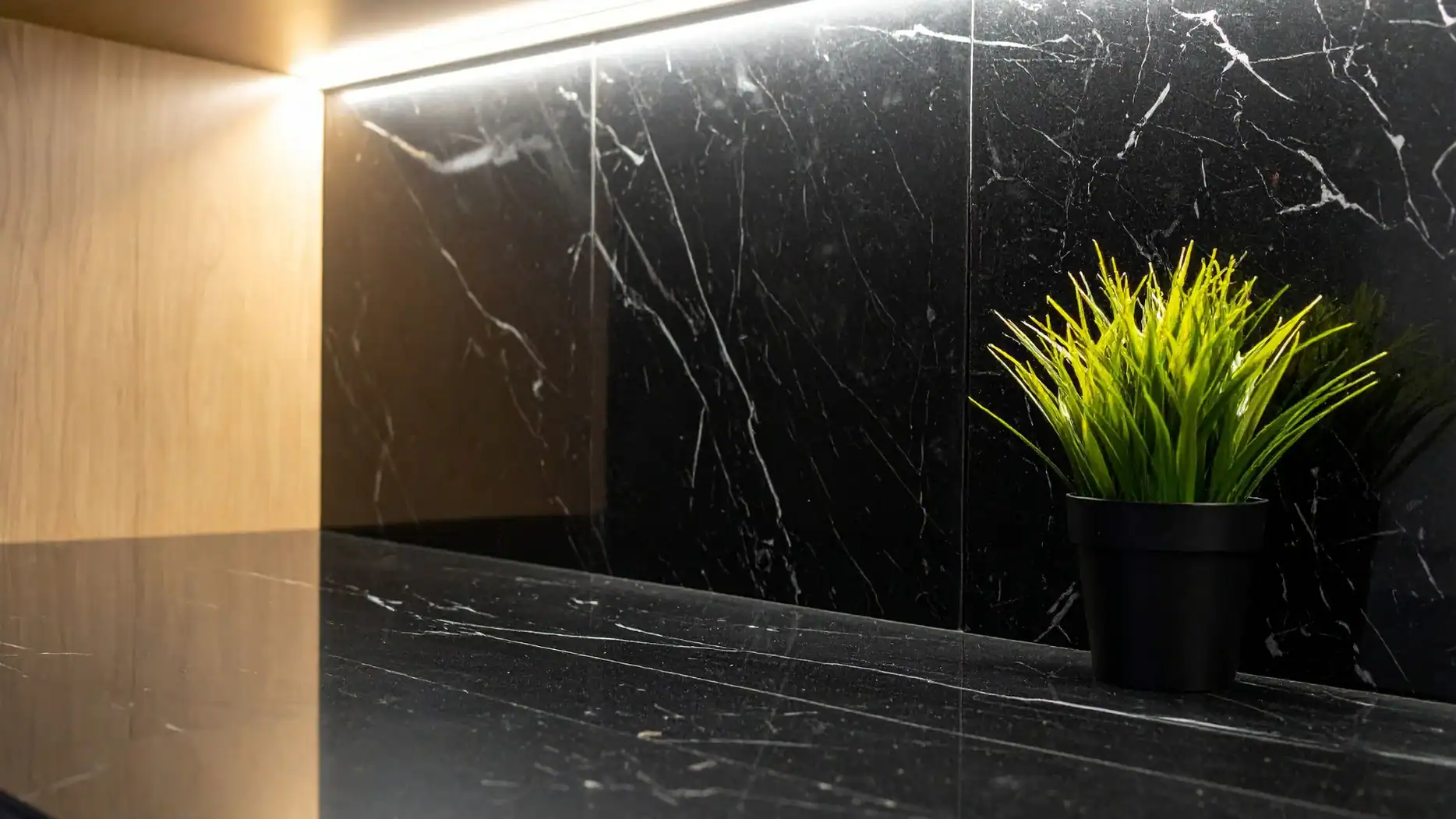
Etching is very noticeable on polished surfaces because it exposes dull raw marble, though it happens the same on honed surfaces but isn’t as visible since honed marble has a matte finish to begin with. This means that polished marble countertops and floors will show wear patterns much more dramatically than honed finishes.
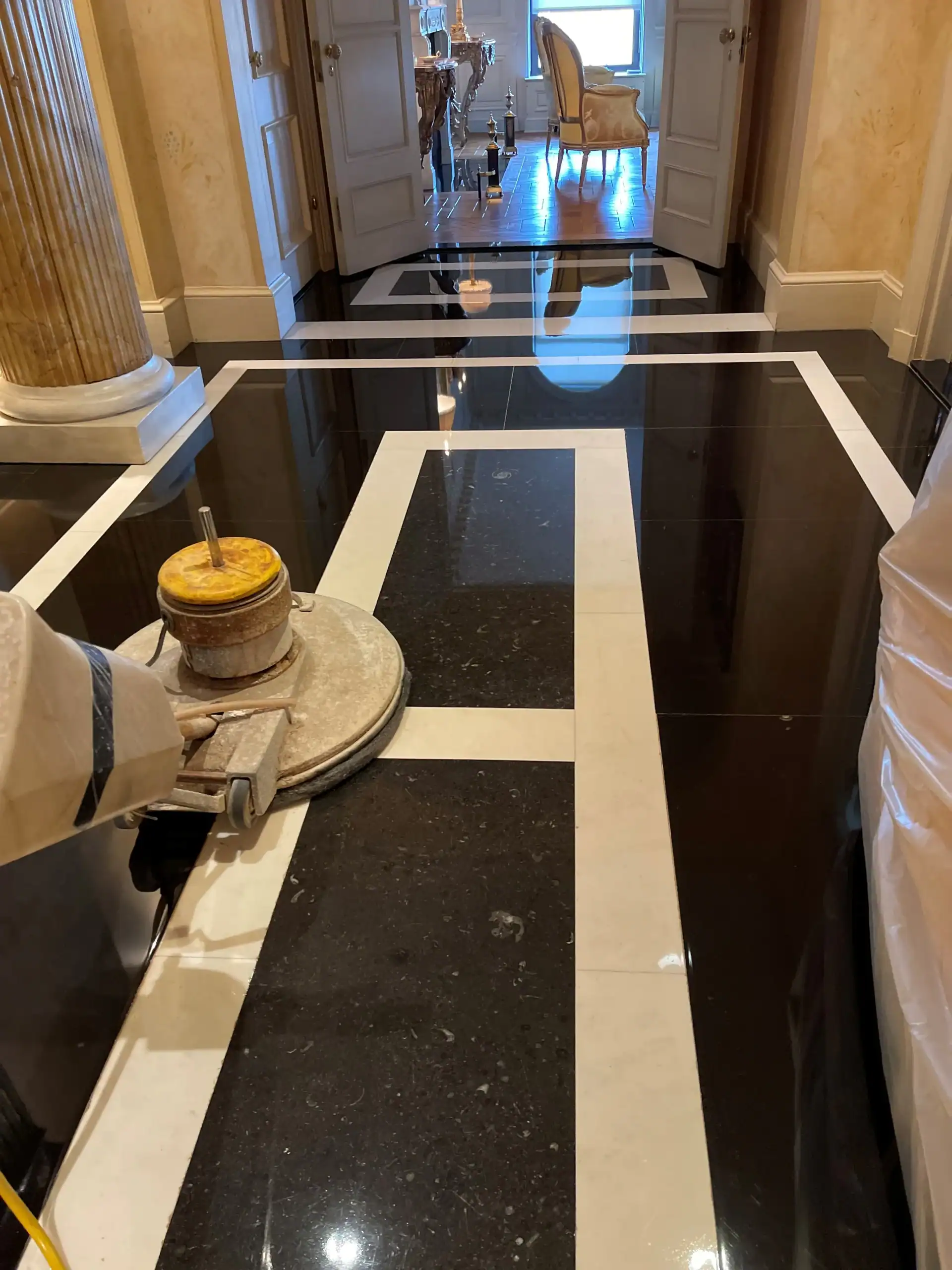
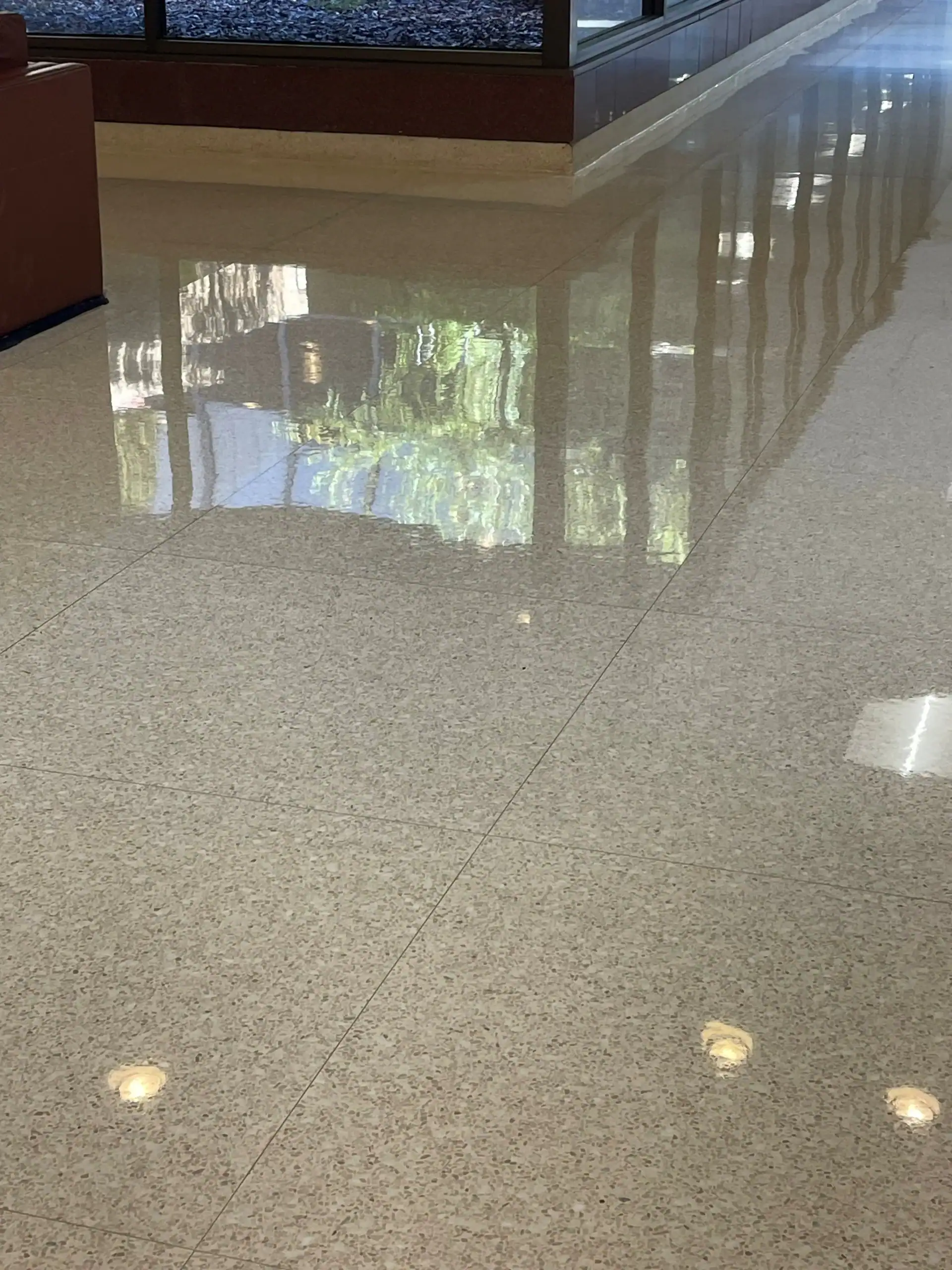
What many Long Island homeowners don’t realize is that this dullness isn’t permanent damage—it’s surface-level wear that professional marble restoration can completely reverse. We use diamond pads to grind down the surface and expose a fresh layer of stone, then use successively finer grade pads to bring the surface to a mirror-like shine.
If scratches and scuff marks don’t go away with normal cleaning or buffing with a soft cloth, it’s likely a sign that you need professional surface repair. This is often the moment homeowners realize their marble needs more than routine maintenance.
You might find yourself scrubbing harder or trying different cleaning products, but the dullness persists. Most generic and common brand-name cleaners are too caustic for cleaning marble and will etch the finish, which is why you should only use products safe for cleaning marble. Unfortunately, many homeowners unknowingly make the problem worse by using inappropriate cleaners.
If you clean marble without proper cleaner and equipment, you’ll destroy the finish, as general cleaners eat through marble minerals resulting in faded shine. This creates a cycle where the more you try to clean away the dullness, the duller your marble becomes.
The solution isn’t stronger cleaning products—it’s professional marble polishing. We use professional honing to smooth the marble floor with industrial diamonds, bringing up more shine while removing scratches, stains, and creating a uniform appearance. This process addresses the root cause rather than just treating the symptoms.
Professional marble restoration can also determine whether your dullness is from etching, wear patterns, or improper cleaning damage. Each requires a slightly different approach, and we can customize the marble refinishing process to your specific marble’s needs.
Want live answers?
Connect with a High Definition Marble Restoration Inc expert for fast, friendly support.
Etching on marble refers to physical damage that occurs when acidic substances like citrus, wine, coffee, tomatoes, or alcohol contact your marble, actually eating away at the surface layer and revealing raw stone beneath, leaving your marble looking noticeably lighter and duller.
It only takes mere seconds after spilling for these deficiencies to appear. Unlike stains that penetrate into the stone, etching is surface damage that appears as light-colored, dull spots that feel different to the touch.
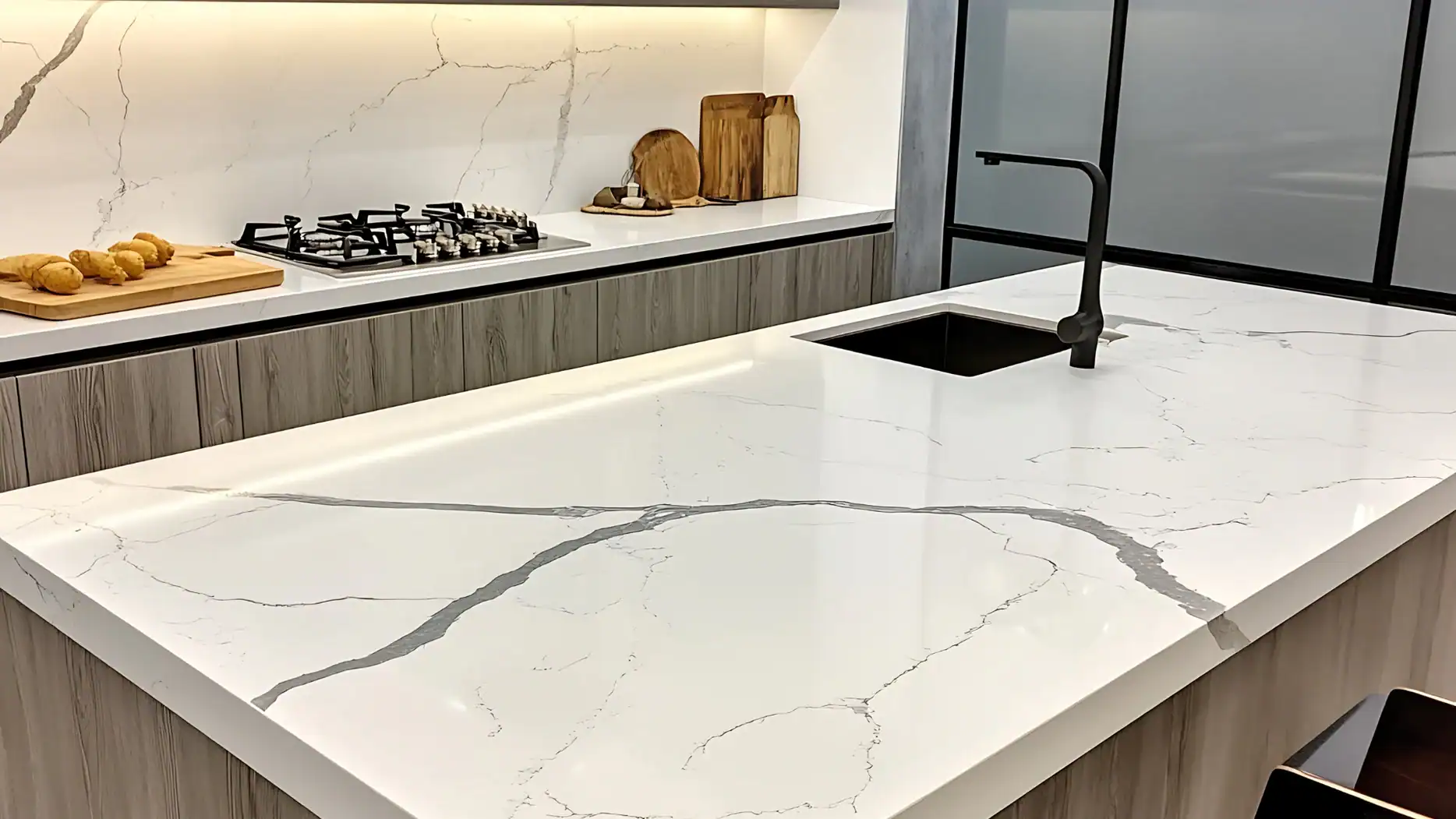
One simple way to distinguish a stain from etching is by color—if the affected area is darker than the rest of the stone, it’s a stain, but if the affected area is lighter than your marble’s natural color, it’s etching. This distinction is crucial because the treatments are completely different.
Etch marks are always lighter in color while a stain is always darker, and if you think you have a stain rather than an etch mark, you’ll need different treatment methods. Many Nassau County homeowners waste time and money trying stain removal techniques on etch marks, which won’t work because the damage is physical, not absorption-based.
Especially severe etching can result in the surface feeling slightly rough to the touch and even abrasive, particularly on stones with a polished finish. If you run your finger across an etched area and feel texture differences, that confirms you’re dealing with surface damage rather than staining.
Etching is a corrosive chemical reaction that essentially eats at the marble, like a burn that removes the finished top layer, which is very noticeable on polished surfaces because it exposes dull raw marble. This is why etched areas look so dramatically different from the surrounding marble.
The good news is that etching, while unsightly, is repairable through professional marble restoration. Professional etch removal products are engineered specifically for marble repair and will restore the shine and color to like-new condition. However, severe etching typically requires professional equipment and expertise to achieve seamless results.
While home improvement stores sell DIY products like hand buffers and epoxies for filling cracks, in many cases DIY repairs end up doing more harm than good, as it’s very difficult to get repaired surfaces to match the look of the rest of the countertop.
DIY methods work on about 95% of etch marks, even if you have to apply them a few times, but when etching is severe and rough, you’ll likely need professional help. The problem is that homeowners often can’t tell the difference between mild and severe etching until they’ve already attempted repairs.
If you’re not properly trained to use the equipment, you can actually make the damage worse, adding even more to your repair costs, and it’s very difficult to match repairs to the existing surface. This is especially true with etching, where the repair must blend seamlessly with the surrounding marble’s finish and color.
Severe etching is rare but can occur if acidic substances are left on marble for extended periods, continuing to eat away at the surface, and if the damaged area is noticeably rough to the touch, professional stone restoration is usually needed. What starts as a small DIY project can quickly become a major restoration job if handled incorrectly.
We have the experience to assess etching severity and choose the appropriate repair method. We use proper honing techniques with abrasive pads to smooth the marble surface and remove etch marks, followed by polishing with fine abrasives and compounds to enhance the marble’s natural shine and color. This ensures the repair is invisible and durable.
The investment in professional marble restoration often costs less than attempting multiple DIY fixes, and you get guaranteed results that match your existing marble perfectly. Professional marble sealing after restoration also protects your investment from future damage.
Professional marble restoration can extend the life of your marble surfaces and save you thousands of dollars on replacement. The key is recognizing these early warning signs before minor issues become major problems requiring full replacement.
Professional marble repairs don’t have to be expensive or time-consuming, especially if you notice the damage and address it early. When you see dullness, etching, or scratches that won’t respond to normal marble cleaning, that’s your marble telling you it needs professional attention.
For Nassau and Suffolk County homeowners dealing with marble floor restoration, marble polishing, or marble repair needs, we bring decades of experience restoring historic and challenging marble surfaces. Our owner-operator approach ensures you get direct expertise and quality control throughout the marble restoration process.
Article details:
Share:
Continue learning: