Learn the essential cleaning practices that keep your restored marble surfaces looking pristine for decades to come.
Share:
Summary:
Your marble’s biggest enemies aren’t dramatic accidents. They’re the small, daily exposures that add up over time.
The foundation of marble care starts with understanding what you’re working with. Marble is calcium carbonate, which means acids are its kryptonite. That morning orange juice spill? It’s etching your surface as you read this. The vinegar-based cleaner your housekeeper uses? It’s slowly eating away at your stone.
Effective daily cleaning means using pH-neutral cleaners specifically designed for natural stone. Regular household cleaners, even “gentle” ones, often contain acids that cause permanent damage you won’t notice until it’s too late.
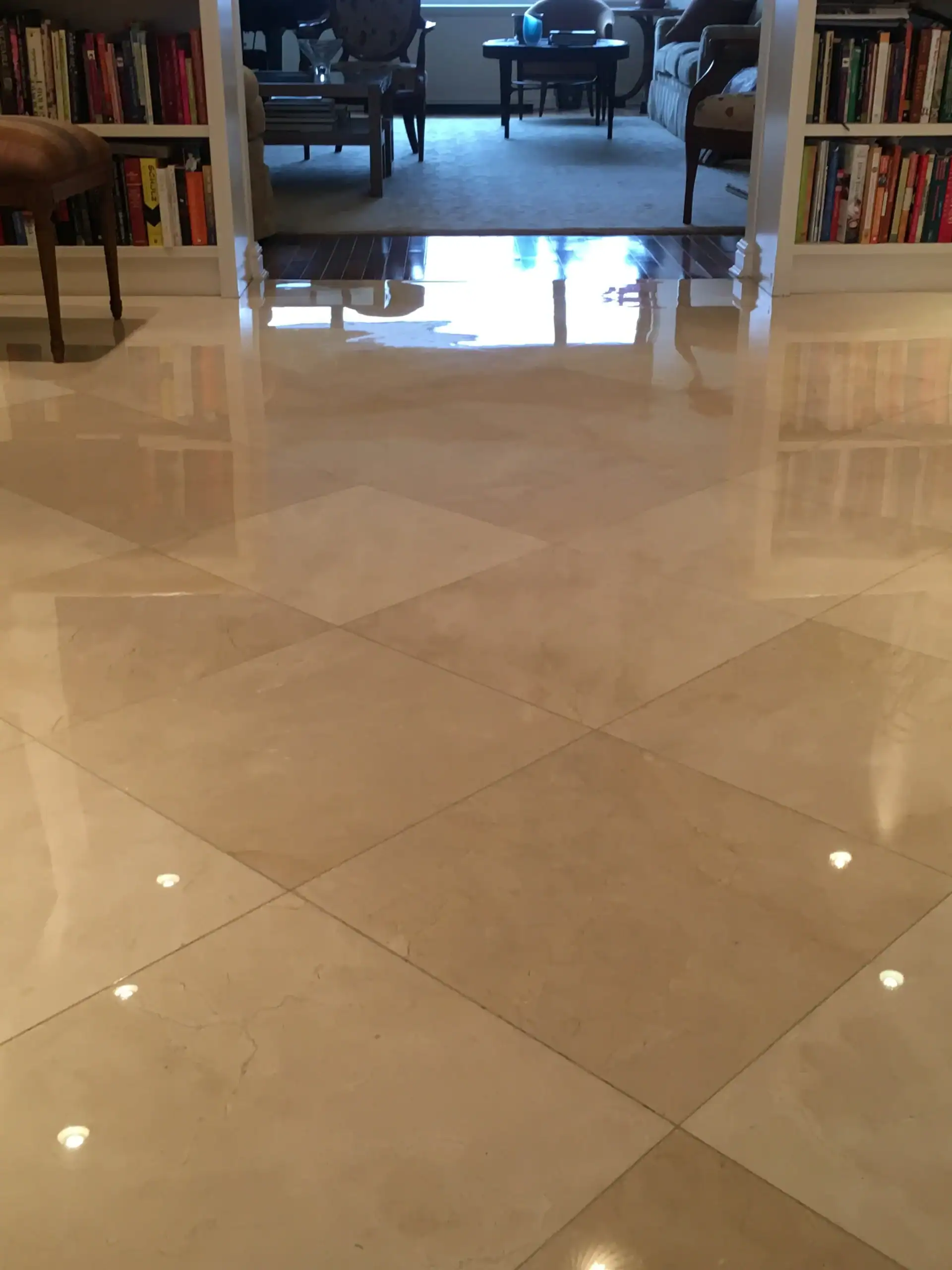
Not all marble cleaners are created equal, and the wrong choice can undo months of restoration work in a single cleaning session.
Professional-grade stone cleaners work differently than household products. They’re formulated to clean without chemical reactions that damage marble’s crystalline structure. Look for cleaners specifically labeled for marble and natural stone, never generic “all-purpose” solutions.
The application method matters just as much as the product. Spray the cleaner directly onto the surface, let it work for the recommended time, then wipe with a microfiber cloth. This prevents the circular scratching patterns that dull marble over time. Always work in straight lines, overlapping slightly to ensure complete coverage.
Temperature plays a role too. Room temperature products work better than cold ones, and you should never use hot water on marble. The thermal shock can create micro-fractures that become visible etching later. Keep your cleaning products at room temperature, and use lukewarm water for rinsing when needed.
For Nassau County and Suffolk County properties, humidity control becomes crucial during certain seasons. High humidity can leave water spots that require different treatment than standard cleaning. During humid periods, dry surfaces immediately after cleaning to prevent mineral deposits from forming.
The most effective marble maintenance happens before problems start, not after damage appears.
Strategic placement of protective barriers makes a massive difference. Coasters aren’t just polite—they’re essential marble protection. Place them under every glass, bottle, and decorative item that might contain acids. This includes flower vases, which often contain plant food or additives that can etch marble.
Entry mats serve as your first line of defense against abrasive particles. Choose mats that actually trap dirt rather than just wiping it around. Replace or clean them regularly, because a dirty mat can be worse than no mat at all. The goal is preventing sand, salt, and other abrasives from reaching your marble floors.
Furniture protection requires special attention. Felt pads under table legs prevent scratching when chairs get moved. But check these pads regularly—dirt can accumulate underneath them, turning protective pads into sandpaper against your marble. Replace felt pads every few months, or whenever you notice dirt buildup.
In Suffolk County’s coastal areas, salt air creates additional challenges. Salt residue acts like a mild acid over time, so weekly cleaning becomes even more critical. Pay special attention to surfaces near windows or doors where salt-laden air enters your home.
Want live answers?
Connect with a High Definition Marble Restoration Inc expert for fast, friendly support.
Even perfect daily care can’t replace professional maintenance, but knowing when and what type of service you need saves both money and marble.
Professional cleaning differs significantly from daily maintenance. It involves deep cleaning techniques that remove buildup your regular routine can’t touch. Most restored marble surfaces benefit from professional attention every 12-18 months, depending on usage patterns and environmental factors.
Timing matters more than you might think. Schedule professional maintenance before problems become visible, not after. By the time you notice dullness or etching, the damage requires restoration rather than simple maintenance—a much more expensive proposition.
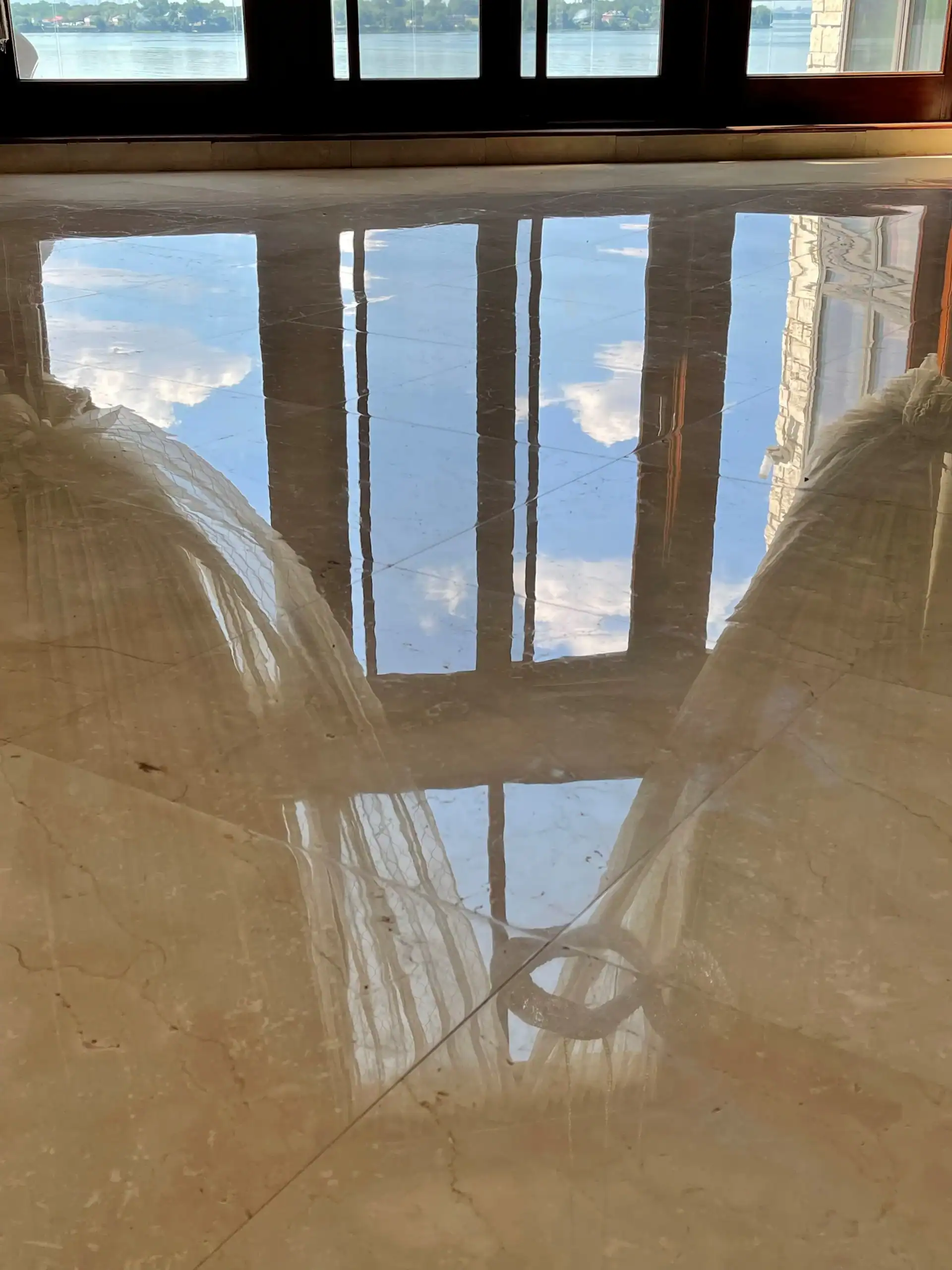
Knowing the difference between maintenance issues and restoration needs can save you thousands in unnecessary work.
Surface dullness often indicates etching rather than dirt buildup. If your marble looks cloudy or hazy despite regular cleaning, acids have likely damaged the surface. This requires professional honing or polishing, not more aggressive home cleaning. Attempting to “clean harder” usually makes etching worse.
Water spots that don’t respond to normal cleaning methods often signal mineral buildup or early etching. These spots typically appear near sinks, in showers, or around planters. Professional technicians have specialized compounds that can remove these deposits without damaging the underlying marble.
Staining presents different challenges than etching. Oil-based stains penetrate marble’s porous structure and require poultice treatments to draw them out. Water-based stains often respond to different techniques entirely. Professional assessment determines the right approach, preventing damage from incorrect treatment methods.
For historic properties common in Nassau and Suffolk Counties, professional maintenance becomes even more critical. Antique marble often requires specialized techniques that preserve its aged character while maintaining structural integrity. Generic restoration approaches can actually decrease the value of historic marble by making it look “too new.”
Nassau and Suffolk County properties face unique environmental challenges that affect marble maintenance schedules and techniques.
Winter brings specific concerns beyond just salt tracking. Heating systems create dry air that can cause marble to contract slightly, potentially opening existing micro-fractures. Maintaining consistent humidity levels helps prevent this thermal stress. Humidifiers aren’t just comfort devices—they’re marble protection tools during heating season.
Summer humidity creates different problems. High moisture levels can slow the evaporation of cleaning products, leaving residues that attract dirt. During humid periods, increase air circulation after cleaning and consider using fans to speed surface drying. This prevents the film buildup that makes marble appear dull even when technically clean.
Spring cleaning requires special attention to winter damage assessment. Salt residue from snow removal can cause delayed etching that becomes apparent months later. Early spring professional inspection can identify and address this damage before it becomes extensive. This timing also prepares surfaces for increased summer use and entertaining.
Fall preparation focuses on sealing assessment. Most marble sealers last 1-2 years under normal conditions, but coastal exposure can reduce this timeframe. Test your sealer’s effectiveness by placing a few drops of water on an inconspicuous area. If the water absorbs quickly rather than beading, resealing is needed before winter weather arrives.
The cleaning practices you establish today determine whether your restored marble surfaces maintain their beauty for decades or require expensive restoration again within a few years.
Consistency beats intensity every time. Daily attention with the right products and techniques prevents the buildup that leads to permanent damage. Your marble will reward proper care with decades of beauty that actually improves your property value.
When you need professional guidance or restoration services, we bring decades of experience to Nassau and Suffolk County properties. Our expertise in both historic and modern marble ensures your surfaces receive the specialized care they deserve.
Article details:
Share:
Continue learning: