Professional marble restoration involves assessment, chip repair, etch removal, polishing, and sealing to restore your countertops to like-new condition.
Share:
Summary:
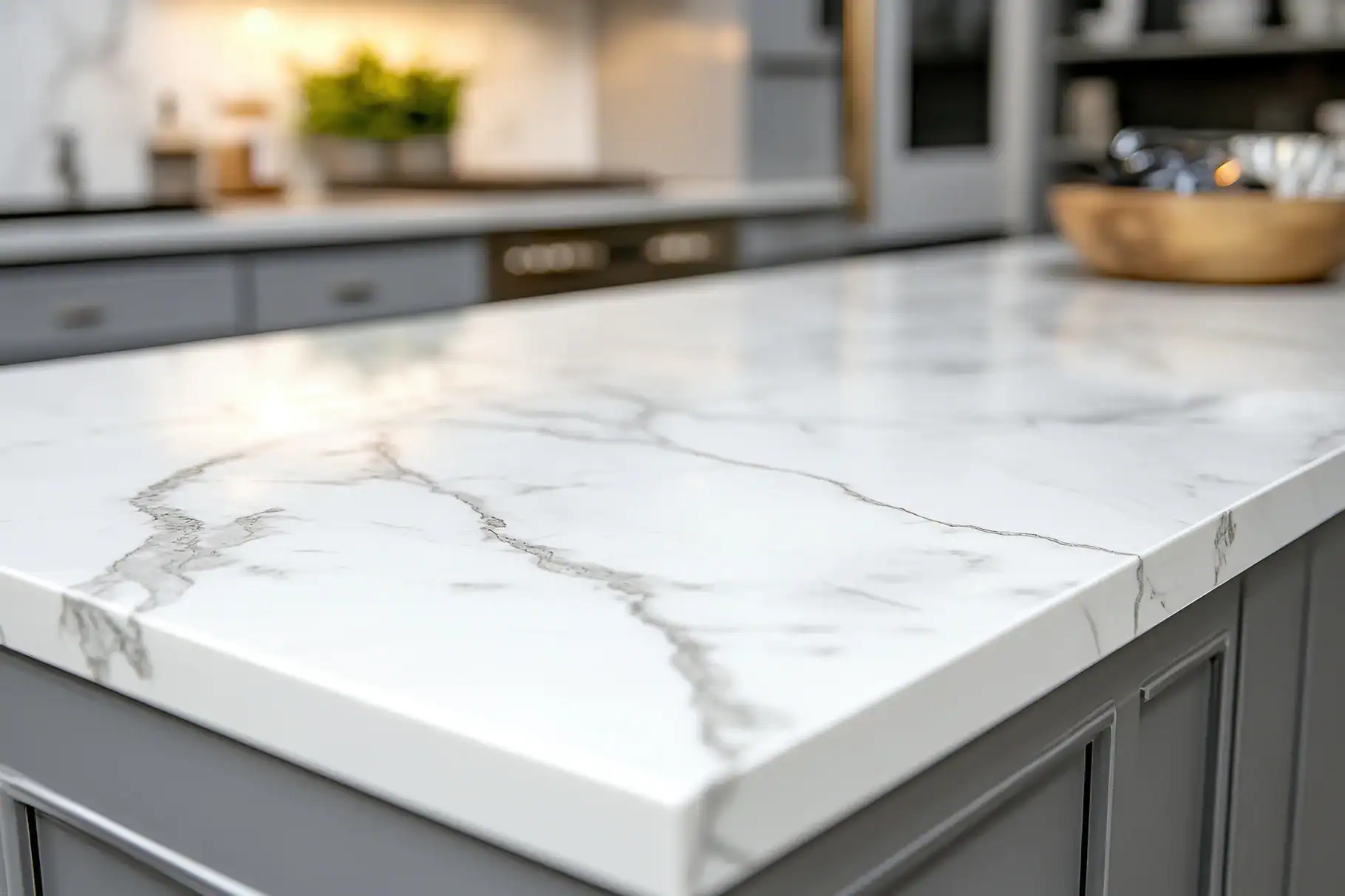
Our restoration process always starts with a thorough assessment of your marble’s condition. Our skilled technicians examine every inch of your countertops, identifying different types of damage that require specific treatments. We’re looking for etching from acidic spills, stains that have penetrated the stone, chips around edges or sink cutouts, and areas where the polish has worn away.
This assessment determines our restoration approach. Light surface etching might only need polishing, while deep chips require epoxy repairs. We also test the existing seal to see if moisture is penetrating the stone. This evaluation phase is crucial because marble restoration isn’t one-size-fits-all—each surface tells its own story of wear and needs a customized treatment plan.
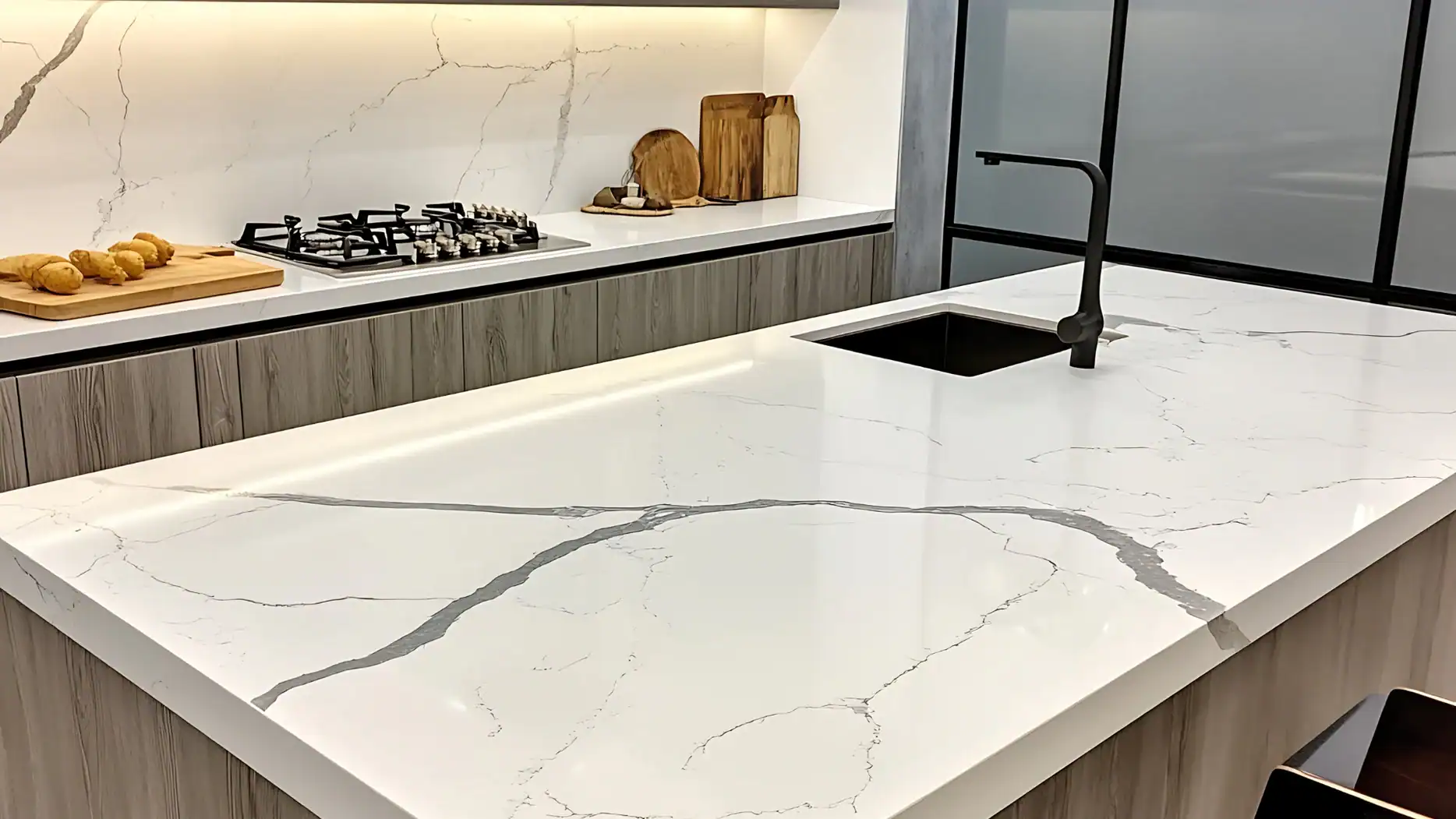
Understanding what damaged your marble helps prevent future problems. Etching happens when acidic substances like lemon juice, wine, coffee, or vinegar come into contact with marble’s calcium carbonate composition. This creates a chemical reaction that literally eats away at the surface, leaving dull spots that look like water stains but won’t wipe off.
Staining is different from etching. While etching affects the marble’s surface structure, stains occur when liquids penetrate the stone’s pores and get trapped beneath the surface. Coffee, tea, wine, and oil-based substances are common culprits. The longer these substances sit on unsealed marble, the deeper they penetrate and the harder they become to remove.
Many Nassau and Suffolk County homeowners are surprised to learn that regular stone sealers don’t prevent etching—they only slow down liquid absorption. Etching happens on the surface before liquids can penetrate, which is why even well-sealed marble can develop those frustrating dull spots. This is why our professional restoration often includes specialized protective treatments that create a barrier against acid damage.
The good news is that both etching and most stains can be professionally removed. The key is understanding that these aren’t permanent defects—they’re surface issues that we deal with every day. Your marble isn’t ruined; it just needs the right treatment approach.
Chips and cracks in marble countertops are more common than you might think, especially around sink cutouts and edges where the stone is most vulnerable. Our professional repair involves much more than simply filling the gap—it requires matching the marble’s color and texture so the repair becomes invisible.
Our process starts with cleaning the damaged area and removing any loose debris. We then use knife-grade epoxy that’s precisely color-matched to your specific marble using various pigments. This isn’t guesswork—we’ve developed techniques for matching even the most complex marble patterns and veining.
The epoxy is carefully applied with a razor blade to eliminate air voids and prevent excessive buildup. We use heat guns or torches to accelerate the curing process, ensuring a strong bond. Once the epoxy has cured, we sand away the excess material using progressively finer grits, starting from 100 grit and working up to 1000 grit or higher.
The final step involves polishing the repaired area to match the surrounding marble’s finish. When done correctly, these repairs are virtually undetectable. The key is working with professionals who have the experience and materials to handle your specific type of marble. Different marble varieties require different approaches, and what works for Carrara marble might not work for Calacatta or other stone types.
Want live answers?
Connect with a High Definition Marble Restoration Inc expert for fast, friendly support.
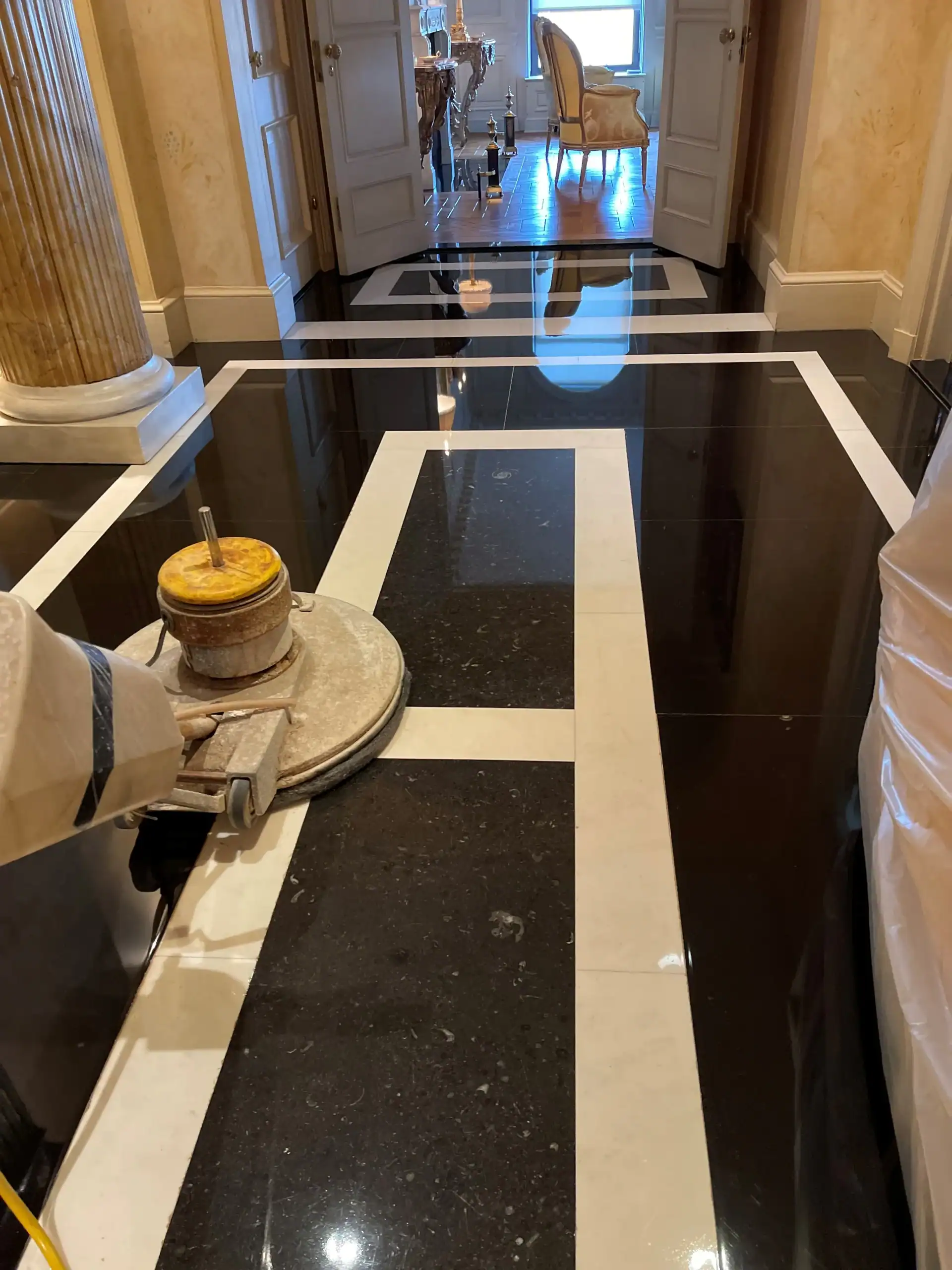
Once repairs are complete, the polishing phase begins. This is where your marble transforms from dull and damaged back to its original lustrous beauty. Our professional polishing involves multiple steps using specialized diamond abrasives and compounds that aren’t available to homeowners.
Our process typically starts with honing to remove surface scratches and etch marks. We use progressively finer diamond pads, working methodically across the entire surface. For marble, this usually begins with 400 grit and progresses through 800, 1500, 3000, and sometimes up to 8500 grit for the highest shine levels.
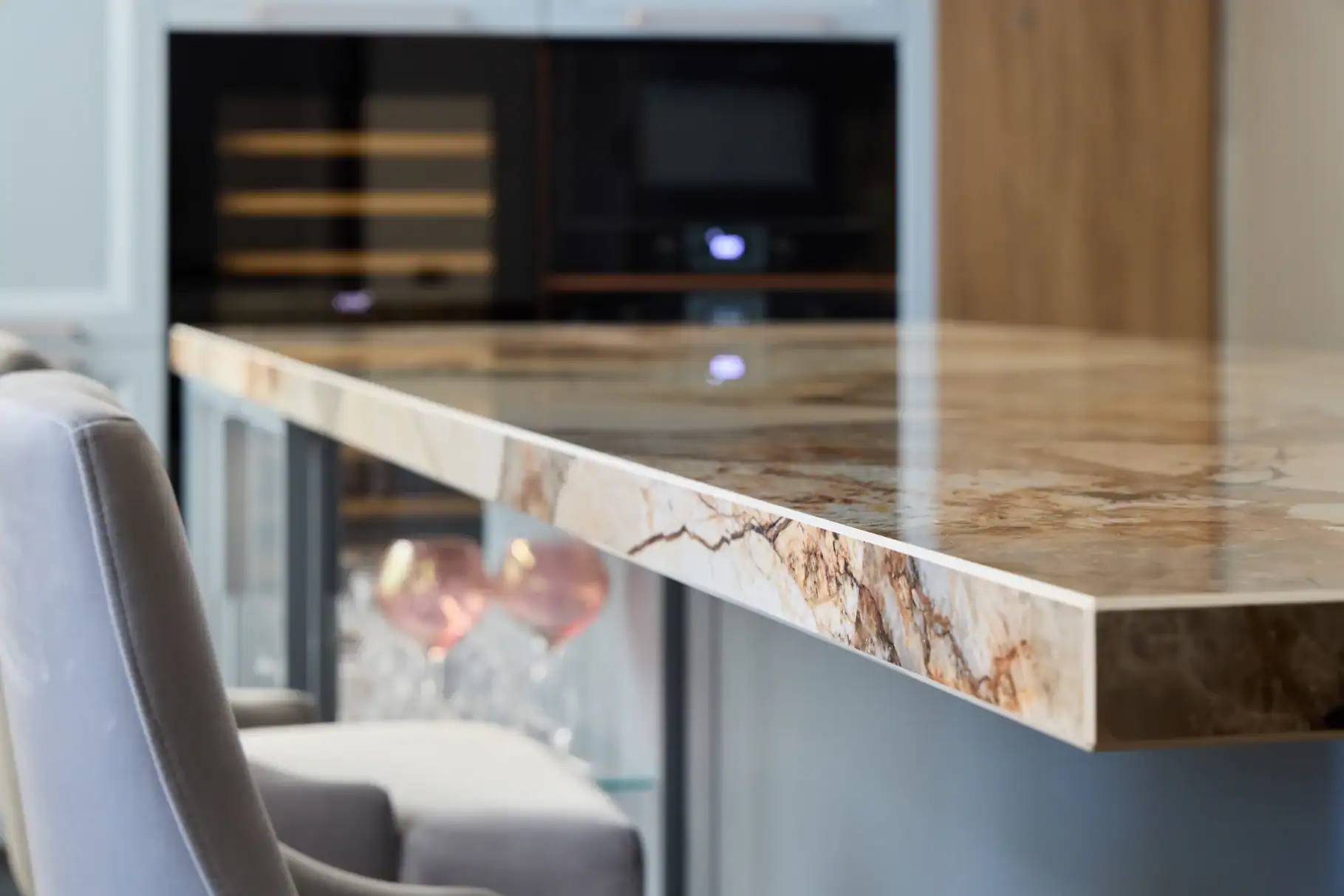
One advantage of our professional restoration is choosing your preferred finish level. You’re not stuck with whatever finish you had before—this is your chance to customize the look of your countertops. We offer four main finish types, each providing different aesthetic and practical benefits.
Honed finishes have a matte appearance with little to no shine. This finish is more forgiving of scratches and etching because it already has a non-reflective surface. Many Long Island homeowners prefer honed finishes in busy kitchens because daily wear is less noticeable. The trade-off is that honed marble is more porous and may require more frequent sealing.
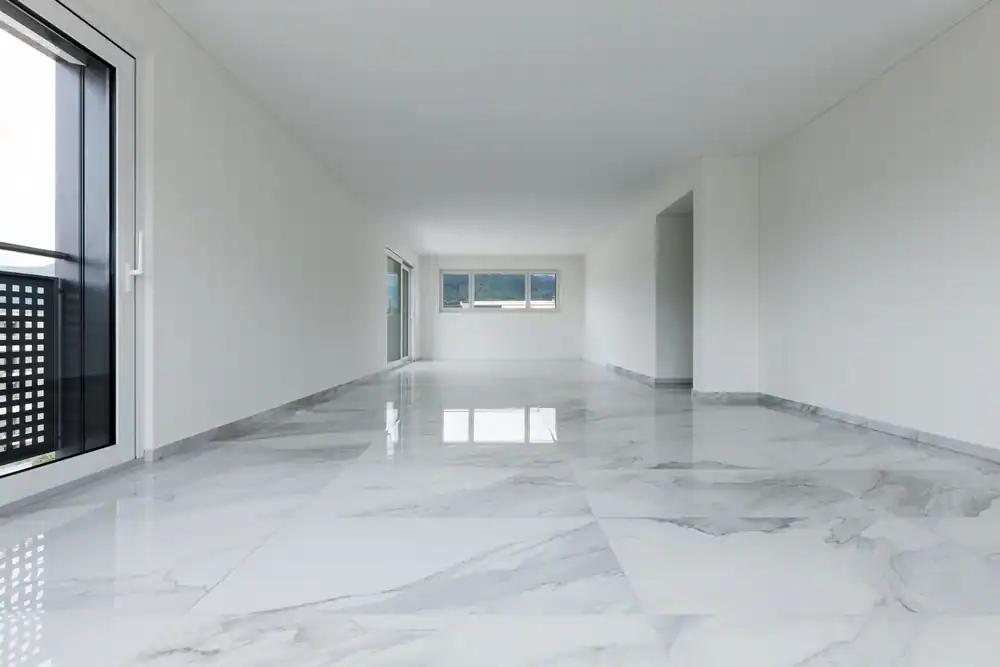
Semi-gloss and gloss finishes offer varying levels of shine and reflection. These finishes are achieved through progressively finer polishing compounds and create the classic marble look most people envision. Gloss finishes show etching more readily than honed surfaces, but they’re also easier to clean and maintain when properly sealed.
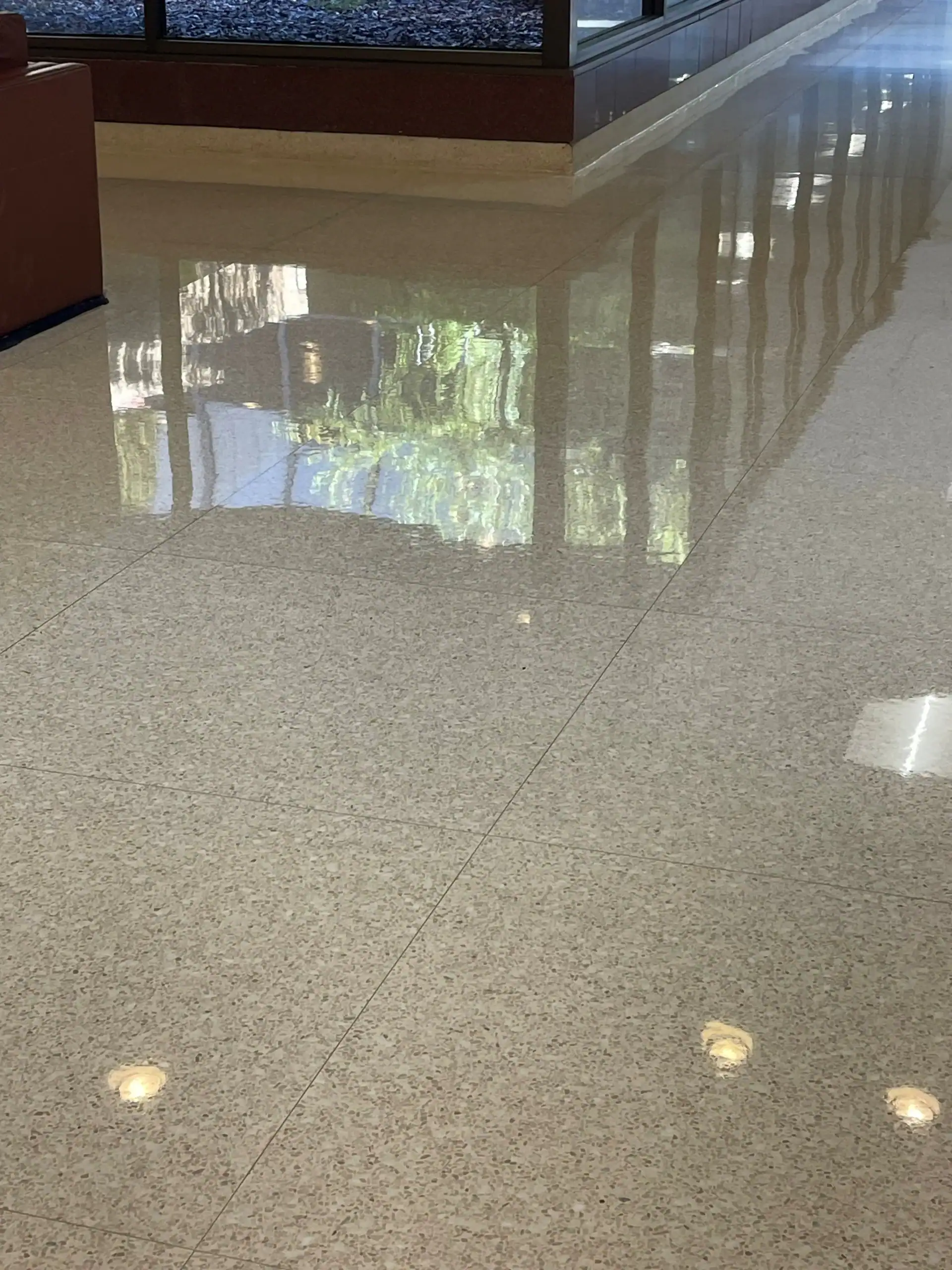
High-gloss finishes create a mirror-like reflection that showcases marble’s natural veining and color depth. This is the most dramatic option but also requires the most careful maintenance. The choice often comes down to your lifestyle and how much maintenance you’re willing to commit to. We can show you samples and help you choose the finish that best suits your needs and preferences.
The final step in our marble countertop restoration is applying a protective sealer, but this isn’t as straightforward as many homeowners think. Different sealers serve different purposes, and the type we use depends on your marble variety, finish level, and how you use your countertops.
Traditional impregnating sealers penetrate the stone’s pores and help prevent staining, but they don’t protect against etching. These sealers typically need reapplication every 6 to 12 months in high-use areas like kitchens. The sealer creates a barrier that slows liquid absorption, giving you more time to wipe up spills before they penetrate and stain.
For homeowners who want maximum protection, we now offer anti-etch coatings. These advanced treatments create an invisible barrier on the marble’s surface that physically blocks acidic substances from reacting with the stone. Unlike traditional sealers that work inside the stone, anti-etch coatings work on the surface where etching actually occurs.
The curing process is important regardless of which protection method you choose. While sealers may feel dry within 30 minutes, they continue curing for several hours. We recommend avoiding heavy use for at least 8 hours after application. During this time, the sealer bonds properly with the stone, creating the strongest possible protection. We’ll provide specific care instructions based on the products used and your particular situation.
Professional marble countertop restoration offers a cost-effective alternative to replacement while delivering results that can make your surfaces look better than new. The process requires expertise, specialized equipment, and high-quality materials that aren’t available to homeowners attempting DIY repairs.
When choosing a restoration professional in Nassau or Suffolk County, look for companies with extensive experience, proper insurance, and a track record of satisfied customers. The investment in professional restoration typically pays for itself through extended countertop life and maintained home value.
If you’re ready to restore your marble countertops to their original beauty, High Definition Marble Restoration Inc brings decades of experience to every project. Our owner-operated approach ensures attention to detail and quality results that stand the test of time.
Article details:
Share:
Continue learning: