
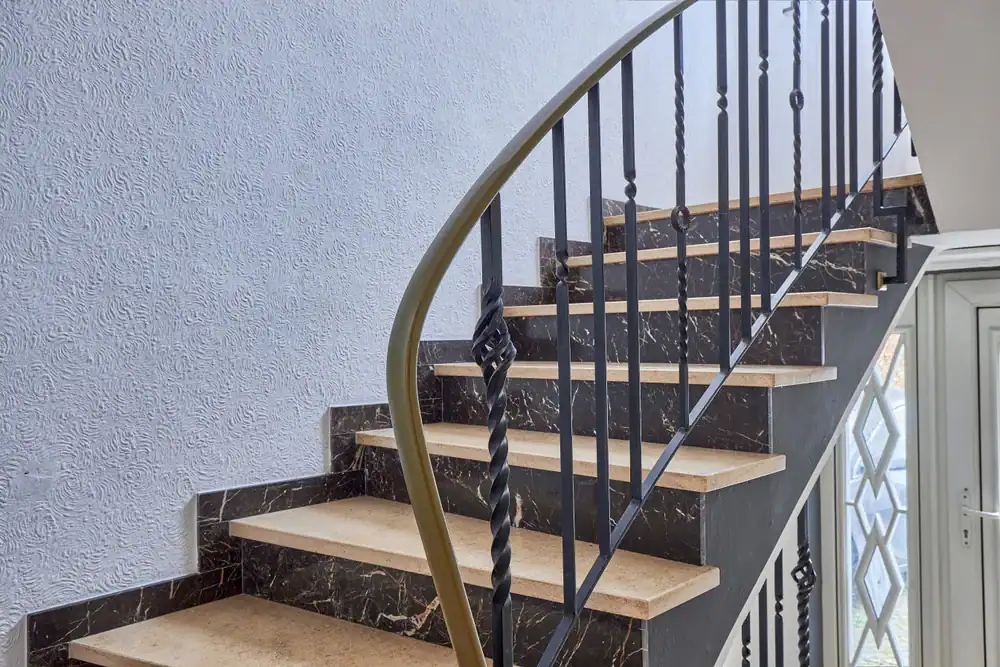
Your marble staircase tells the story of your home’s history. When it’s dulled by decades of wear, scratched from daily use, or showing its age, you don’t need to replace it—you need someone who understands how to bring it back.
After professional marble staircase restoration, you’ll have steps that look like they did when your home was first built. The natural stone’s depth and character return. Every scratch disappears. The surface becomes smooth and safe again.
You’ll walk up stairs that feel solid, look stunning, and add real value to your property. No more worrying about guests seeing worn marble or wondering if you should have replaced the whole thing.
We’ve been restoring historic marble and natural stone in Water Mill and throughout the Hamptons for over 25 years. We specialize in bringing century-old floors and staircases back to life—the older and more challenging the project, the better.
Featured in The New York Times in October 2001, we’ve built our reputation on direct owner involvement in every project. You work directly with us, not a sales team or subcontractors.
Water Mill’s historic properties require someone who understands both the materials and the craftsmanship that went into these homes decades ago. Many of these marble staircases were installed when quality meant something different—and restoring them properly takes that same level of attention.
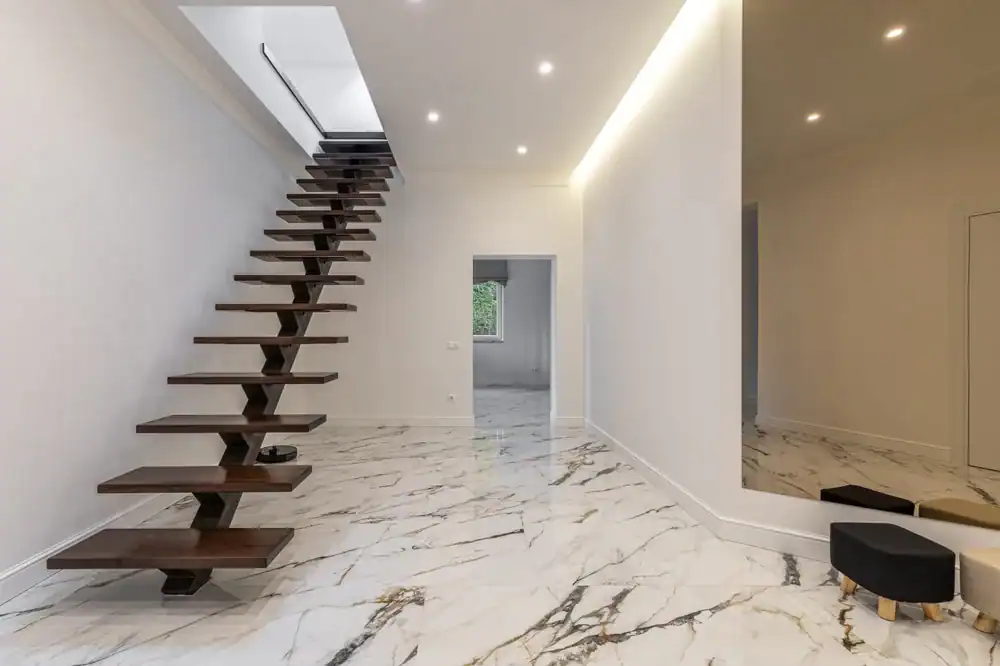
Every marble staircase restoration starts with a free consultation where you get transparent pricing upfront. No surprises, no hidden costs—just honest assessment of what your stairs need.
Our restoration process begins with careful evaluation of each step’s condition. Deep scratches, etching, and wear patterns all require different approaches. The marble gets professionally cleaned, then any damage is addressed using specialized techniques that match the original stone’s characteristics.
Polishing brings back the natural shine and depth that makes marble beautiful. The final steps include sealing and protection to help your restored staircase maintain its appearance longer. Throughout the entire process, you communicate directly with us—no middlemen, no confusion about timeline or progress.
Ready to get started?
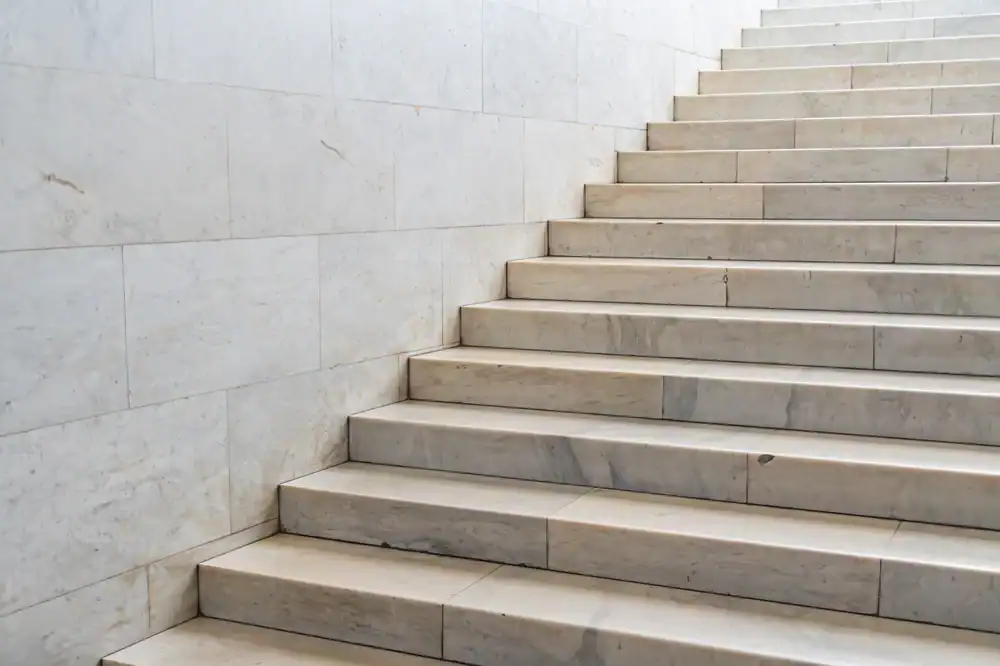
Marble staircase restoration includes everything needed to bring your stairs back to their original condition. This covers deep cleaning, scratch removal, etching repair, professional polishing, and protective sealing.
Water Mill’s coastal environment can be particularly hard on natural stone. Salt air, humidity changes, and the freeze-thaw cycles common in the area all affect marble differently than in other locations. Our restoration process accounts for these local conditions.
Historic homes in Water Mill often feature Carrara marble, Calacatta, or other premium stones that require specific restoration techniques. Each type of marble responds differently to restoration methods, and understanding these differences makes the difference between amateur work and professional results that last.
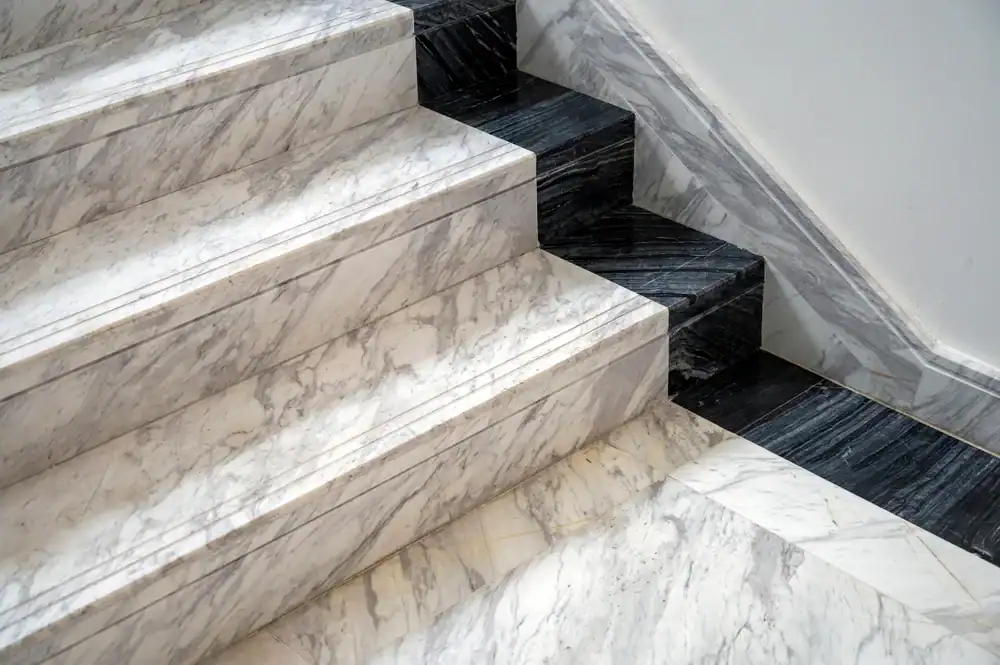
Most marble staircase restoration projects in Water Mill take 2-4 days, depending on the size of the staircase and the extent of damage. Simple polishing and sealing might be completed in one day, while staircases with significant scratching, etching, or structural issues need more time.
The process can’t be rushed without compromising quality. Each step of restoration—cleaning, repair, polishing, and sealing—needs proper drying and curing time. You’ll get a realistic timeline during the free consultation, and we stay in direct communication throughout the project so you always know what to expect.
Weather can affect timing since some materials need specific temperature and humidity conditions to cure properly. This is especially important in Water Mill’s coastal climate where humidity levels change frequently.
Most marble staircases can be restored rather than replaced, even when the damage looks severe. Deep scratches, etching from acidic spills, and general wear that’s built up over decades can usually be addressed through professional restoration techniques.
The key is having someone who understands how to work with historic marble. Many staircases in Water Mill homes were installed 50-100 years ago using marble that’s actually higher quality than what’s available today. Restoring original marble often gives better results than replacement with new stone.
There are limits—cracked steps or structural damage might require individual step replacement. But surface damage, no matter how extensive it looks, can usually be restored. Our free consultation includes honest assessment of whether restoration makes sense or if replacement is the better option.
Marble polishing addresses surface dullness and light scratches, while full restoration handles deeper damage like etching, heavy scratching, and structural issues. Polishing is essentially the final step in the restoration process.
If your marble staircase just looks dull or has lost its shine, polishing might be all you need. This involves using progressively finer abrasives to smooth the surface and bring back the natural luster. It’s quicker and less expensive than full restoration.
Full restoration starts with damage assessment and repair. This might include grinding out deep scratches, addressing etching from acidic substances, or fixing chips and small cracks. Then comes polishing and sealing. Most historic staircases in Water Mill need full restoration rather than just polishing, especially if they haven’t been professionally maintained.
Protecting restored marble starts with proper sealing using products designed specifically for natural stone. Our sealing process creates a barrier that helps prevent staining and makes daily cleaning easier, but it’s not permanent—resealing every 2-3 years maintains protection.
Daily maintenance matters more than most people realize. Using pH-neutral cleaners instead of household cleaners prevents etching. Cleaning up spills quickly, especially acidic substances like wine or citrus, prevents permanent damage. Simple changes in cleaning routine can make restoration last much longer.
Water Mill’s coastal environment requires extra attention. Salt air can accelerate wear, and humidity changes cause expansion and contraction that can create small cracks over time. Regular professional maintenance every few years catches small problems before they become expensive repairs.
Marble restoration pricing varies because companies use different approaches, equipment, and levels of expertise. Some companies focus on quick, surface-level work while others provide comprehensive restoration that addresses underlying problems.
Owner-operated companies typically cost more than crews of subcontractors, but you get direct expertise and accountability. When the person quoting your job is the same person doing the work, you avoid miscommunication and get realistic timelines. This matters especially for historic marble that requires specialized knowledge.
The biggest cost differences come from thoroughness. Proper restoration includes damage assessment, appropriate repair techniques, multiple polishing stages, and quality sealing. Companies that skip steps or use inferior materials might charge less upfront, but you’ll need the work redone sooner. Our free consultation explains exactly what’s included so you can compare properly.
Restoring marble in historic homes requires understanding both the original installation methods and the specific characteristics of period materials. Many Water Mill properties feature marble that was quarried and finished using techniques that aren’t common today.
Our restoration process preserves original characteristics rather than trying to make old marble look modern. This means matching the original finish level, respecting natural variations in the stone, and using techniques that won’t alter the marble’s authentic appearance.
Historic properties often have unique challenges like irregular step dimensions, hand-finished edges, or marble types that aren’t readily available today. Experience with similar historic properties makes the difference between restoration that enhances your home’s character and work that looks out of place. Our 25+ years of experience with historic floors throughout the Hamptons means understanding these nuances.