
Your marble floors look dull despite regular cleaning. Maybe you’ve noticed etching from wine spills or cloudy spots that won’t buff out. You’re wondering if replacement is the only option—and dreading what that would cost, not to mention losing the authentic character that makes your Springs home special.
Restoration brings those floors back. Not just cleaner, but genuinely restored to how they looked decades ago. The shine returns. The depth of color comes back. And you keep the irreplaceable craftsmanship that originally went into your home.
Most jobs take less than two days. You’re not living in a construction zone for weeks, and you’re spending a fraction of what replacement would cost. More importantly, you’re preserving something that can’t be replicated—original marble installed with techniques and materials that simply don’t exist anymore.
We specialize in the floors that make other companies nervous. The 100-year-old installations. The historic homes throughout Springs and Nassau County where the marble has seen generations of foot traffic. The projects where one wrong move could ruin something irreplaceable.
We’re owner-operated, which means you’re getting direct expertise on every job—not a crew that learned last month. The New York Times featured our work back in 2001, and we’ve spent the decades since then building relationships with clients who trust us with their most valuable surfaces. Our very first client, the Garden City Hotel, has used our services exclusively for over 16 years.
You’re not hiring a cleaning company that offers marble work on the side. You’re hiring specialists who understand how calcite marble differs from hematite-colored stone, and why that matters when we’re restoring a mosaic floor in a Springs Victorian.
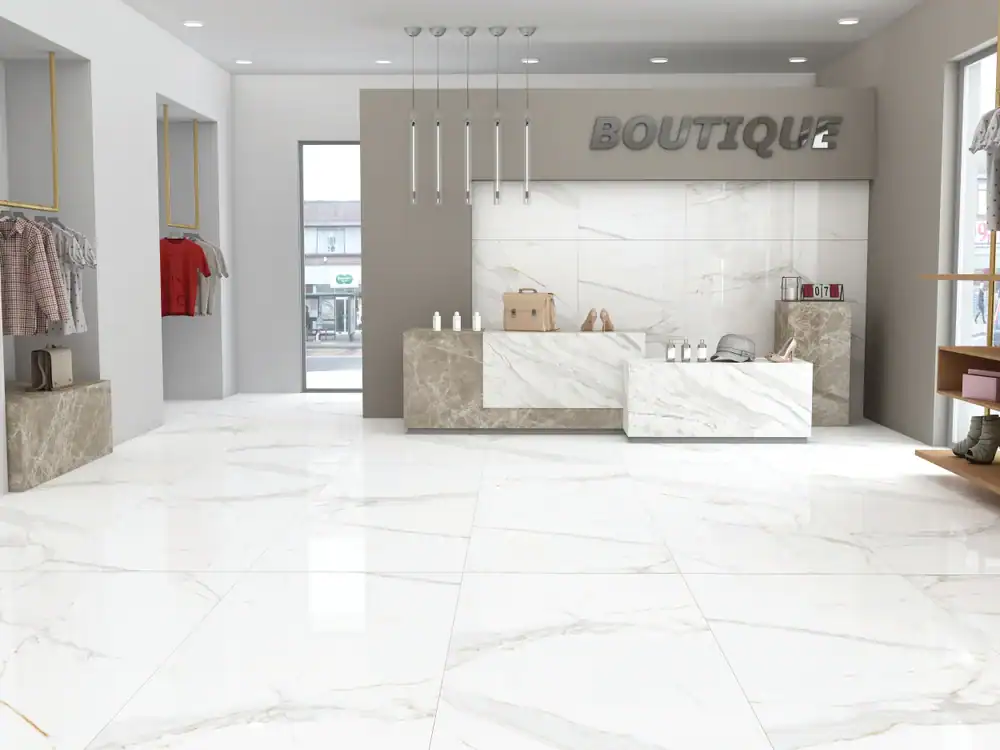
We start with a free assessment of your floors. Not a sales pitch—an actual evaluation of what’s happening with your marble, why it looks the way it does, and what restoration will involve for your specific stone type and installation.
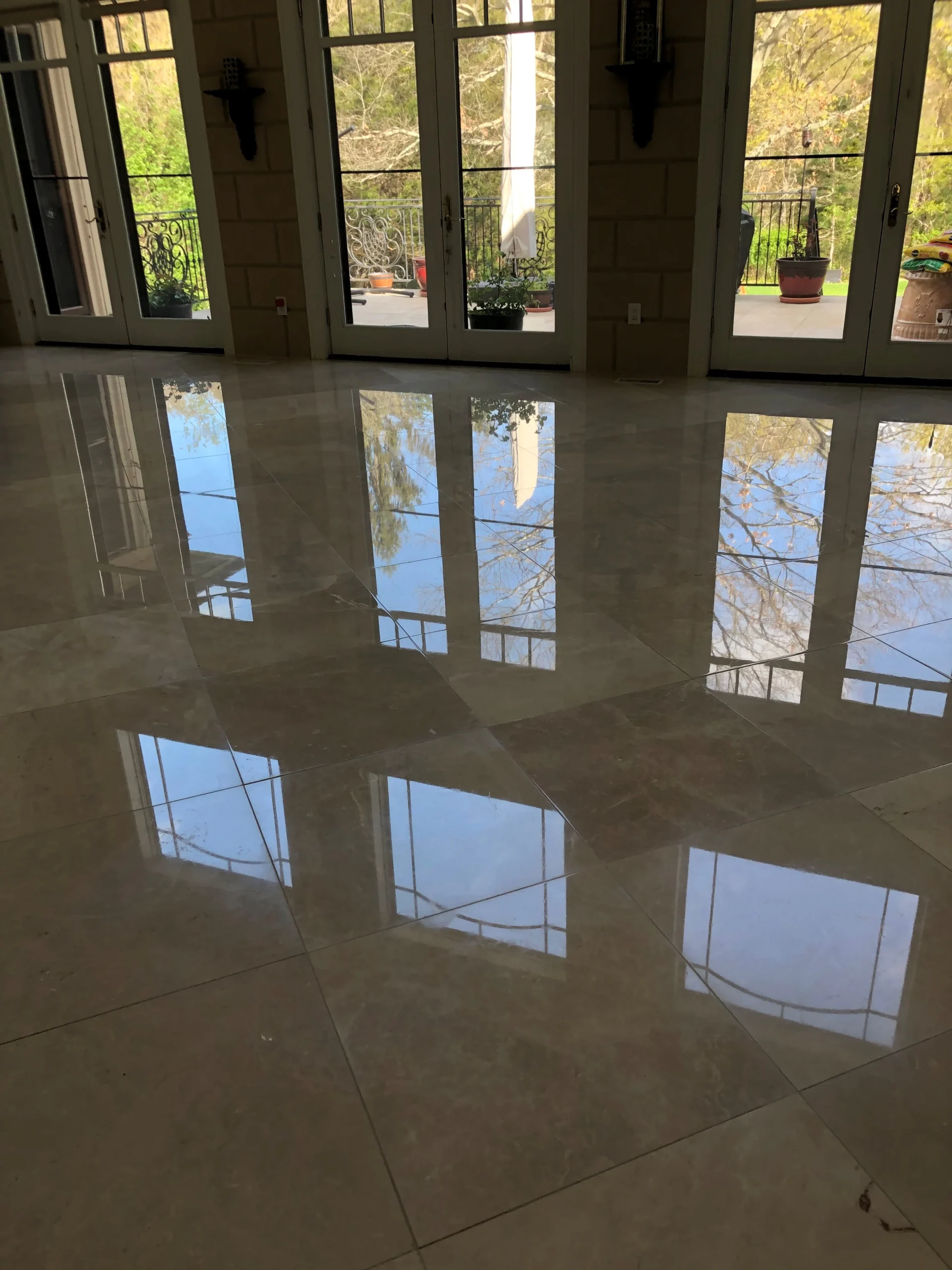
The restoration itself uses a dust-free diamond grinding process. We’re not applying harsh chemicals or abrasives that damage your stone further. We’re carefully removing the damaged surface layer and polishing the marble underneath to the level of shine you want. Different minerals in your stone—whether it’s white calcite, red hematite, or green limonite—get handled appropriately because they each respond differently to treatment.
You’ll see the difference immediately, but the real test comes weeks later when you realize your floors still look incredible. That’s because we’re actually restoring the stone, not just making it shiny for a few days. And if you have questions during the process, you’re talking directly to us—no runaround, no phone tree.

Ready to get started?
Springs and the surrounding Nassau County area are home to countless historic properties built during Long Island’s golden age of estate construction. These homes feature original marble floors installed with craftsmanship that doesn’t exist in modern construction. That’s exactly why they need specialized restoration, not generic floor cleaning.
Your marble floor restoration includes proper assessment of installation methods that are often 100+ years old. We identify the specific stone types in your floors—critical because a mosaic or patterned floor might contain multiple marble varieties that each require different handling. The etching you’re seeing from everyday items like coffee, wine, or lemon juice gets properly addressed, not just covered up.
We also offer concrete restoration and polishing for Springs properties that have original concrete surfaces worth preserving. It’s the same philosophy—restore what’s valuable rather than replace what’s irreplaceable. Well-maintained original floors in historic homes can increase your property value by 3-5%, and buyers consistently pay premium prices for authentic restored features.
The alternative is ripping out materials you’ll never get back. Once those original floors are gone, they’re gone forever. We’ve seen too many Springs homeowners regret that decision after the fact.
Restoration typically costs 40-60% less than full replacement, and that’s before you factor in the time difference. Replacement means demolition, disposal, new material costs, installation, and dealing with a construction zone for weeks. You’re also losing the original character of your floors permanently.
Most of our restoration jobs in Springs finish in under two days. You’re back to normal life quickly, you’ve spent significantly less, and you still have your authentic historic floors. The math makes even more sense when you consider that restored original marble in a historic home actually increases property value more than new installation would.
The real question isn’t cost—it’s whether you want to preserve something irreplaceable or settle for a modern replacement that won’t have the same character or craftsmanship.
Yes, and that’s exactly what our diamond grinding process is designed to handle. Etching happens when acidic substances—wine, coffee, vinegar, lemon juice, even some “natural” cleaners—eat into the marble surface. You see it as dull spots, rings, or cloudy areas that feel rough to the touch.
Unlike stains that darken marble, etch marks appear lighter or hazier than the surrounding stone. They won’t buff out with regular cleaning because the marble surface itself has been chemically altered. Our restoration process carefully removes that damaged layer and polishes the stone underneath back to its original finish.
We see this constantly in Springs homes, especially in kitchens and bathrooms where spills happen. The good news is that proper restoration fixes it completely—and we can show you how to prevent it from happening again without you having to tiptoe around your own floors.
Polishing is surface-level work that might make your floors shinier temporarily. Restoration actually repairs damage and brings the marble back to its original condition. If your floors are just dull from foot traffic but don’t have scratches, etching, or stains, polishing might be enough. Most historic floors in Springs need actual restoration.
Our process addresses the underlying problems—removing scratched or etched surfaces, repairing damage, and then polishing to the finish you want. We’re not just buffing your floors and hoping for the best. We’re using specialized diamond abrasives and techniques developed specifically for natural stone restoration.
A lot of cleaning companies offer “marble polishing” using harsh chemicals and abrasives that actually make things worse long-term. You’ll find your floors damaged further, not restored. That’s why the stakes are high—marble can be ruined easily by someone who doesn’t specialize in this work.
The worse your floors look, the better the restoration results typically are. We specialize in the challenging jobs—century-old floors that other companies won’t touch, complex installations with multiple stone types, surfaces that look beyond saving. If the marble is still structurally intact, it can almost certainly be restored.
Cracks, chips, deep stains, decades of etching, dullness, scratches—we’ve seen it all in Springs historic properties. The free assessment we do tells you exactly what’s possible for your specific floors. We’ll be straight with you about what restoration will achieve and what the limitations are, if any exist.
The only floors we typically can’t restore are ones with structural damage to the substrate underneath, or marble that’s been so aggressively treated with the wrong chemicals that the stone itself is compromised. That’s rare. Most historic marble is incredibly durable—it just needs someone who knows how to bring it back properly.
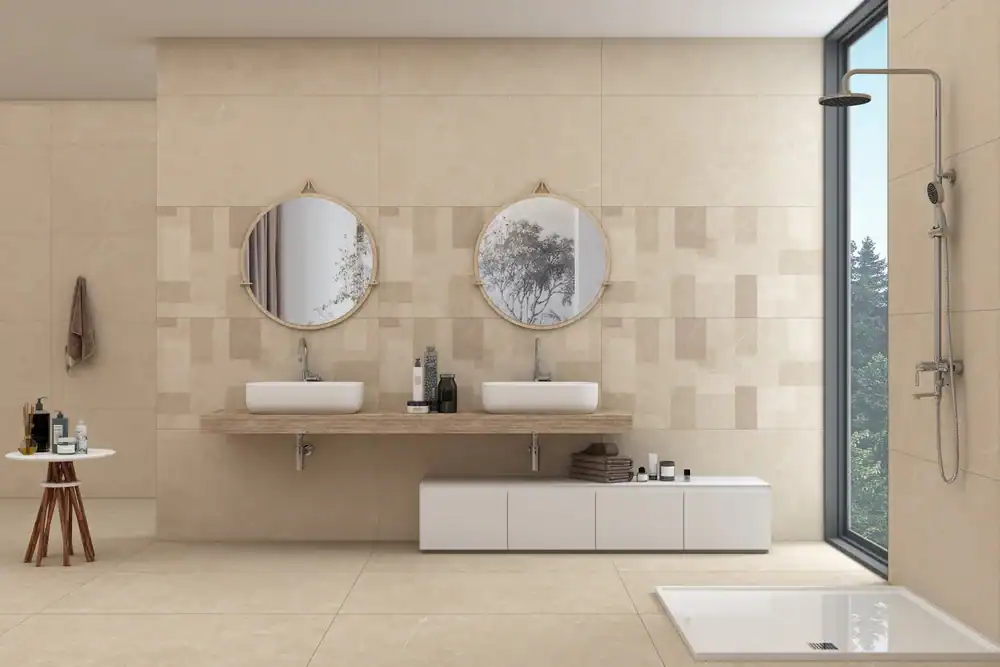
Absolutely. Bathroom floor restoration is one of our most common projects in Springs homes. Bathrooms are where marble takes the most abuse—constant moisture, soap scum, hard water deposits, and all those acidic personal care products that cause etching. Your bathroom marble probably looks worse than your other floors for exactly these reasons.
We restore bathroom floors, shower walls, vanity tops, and any other marble surfaces. The process is the same—careful assessment of your specific stone type, proper restoration technique, and polishing to the finish you want. Bathrooms do require some extra attention to sealing after restoration since they’re high-moisture areas.
The transformation in bathrooms is usually the most dramatic. You’re going from dull, stained, soap-scummed marble that makes your whole bathroom look dated to gleaming stone that looks like it did when your house was new. It’s one of those changes that affects how you feel about your home every single day.
Properly restored and maintained marble floors can go 7-10 years or more before needing another full restoration. That timeline depends entirely on traffic, how you clean them, and whether you’re using the right products. We’ll show you exactly how to care for your floors after restoration so you’re not accidentally damaging them.
The key is avoiding acidic cleaners and abrasive pads. Use pH-neutral stone cleaners, wipe up spills quickly, and your restored marble will stay beautiful for years. Some of our Springs clients have gone over a decade between restorations just by following basic maintenance guidelines.
Compare that to replacement, where you’re still going to need regular maintenance and eventual refinishing anyway—except you’ve lost your original floors and spent significantly more money upfront. Restoration gives you the longevity of your authentic marble plus the character and property value that comes with preserved historic features.