


You get your original floors back without the cost, disruption, or regret of replacement. That’s what matters when you’re dealing with marble that’s been in your Orient home for decades—sometimes over a century.
Marble floor restoration brings back the shine, removes etching and stains, and eliminates the dullness that makes you avoid certain rooms. The process works because it addresses the actual problem: damaged surface layers that can’t be fixed with cleaning products, no matter how hard you scrub.
Most restoration projects in Orient wrap up in under two days. You’re not living in a construction zone for weeks. You’re not ripping out irreplaceable materials that give your home its character. You’re getting floors that look like they did when they were first installed, with modern protection that helps them stay that way.
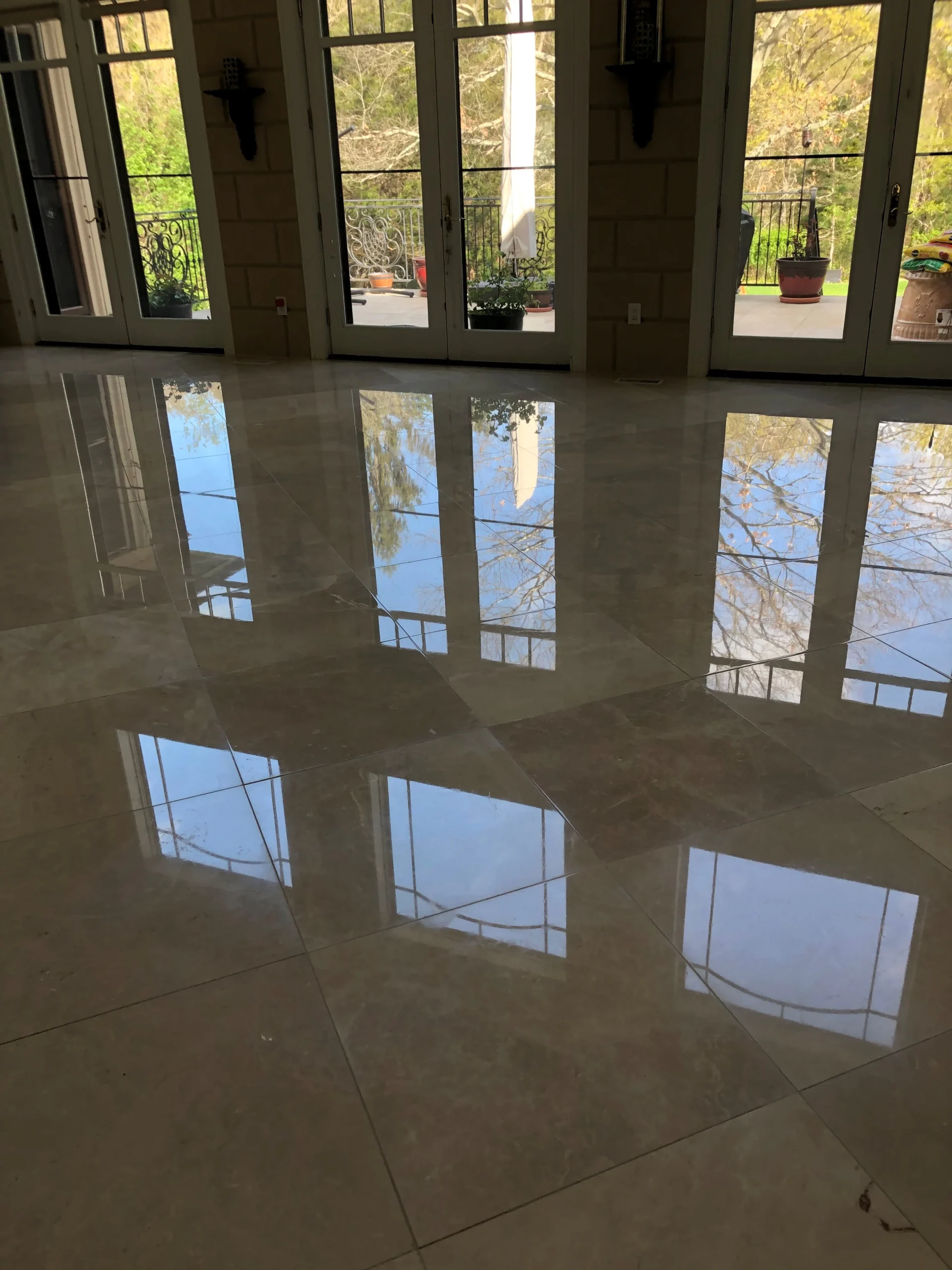
The difference shows up immediately. Walk across a freshly restored marble floor and you’ll see the reflection, feel the smoothness, and know the investment made sense.
We’ve spent over 25 years working on the exact type of floors you’ll find throughout Orient and the North Fork. Historic homes with original marble. Estate properties with materials you can’t buy anymore. Floors that other companies look at and recommend replacement because they don’t know how to fix them properly.
We’re owner-operated, which means the person you talk to actually understands the work and oversees your project directly. No hand-offs to crews who’ve never seen 100-year-old marble. No guessing about whether your floors can be saved.
Orient’s historic properties—many dating back to the early 1900s—require someone who knows the difference between modern marble and the materials used in that era. The techniques are different. The approach is different. We’ve built our reputation on knowing exactly how to handle floors that matter, which is why the New York Times featured our work back in 2001.
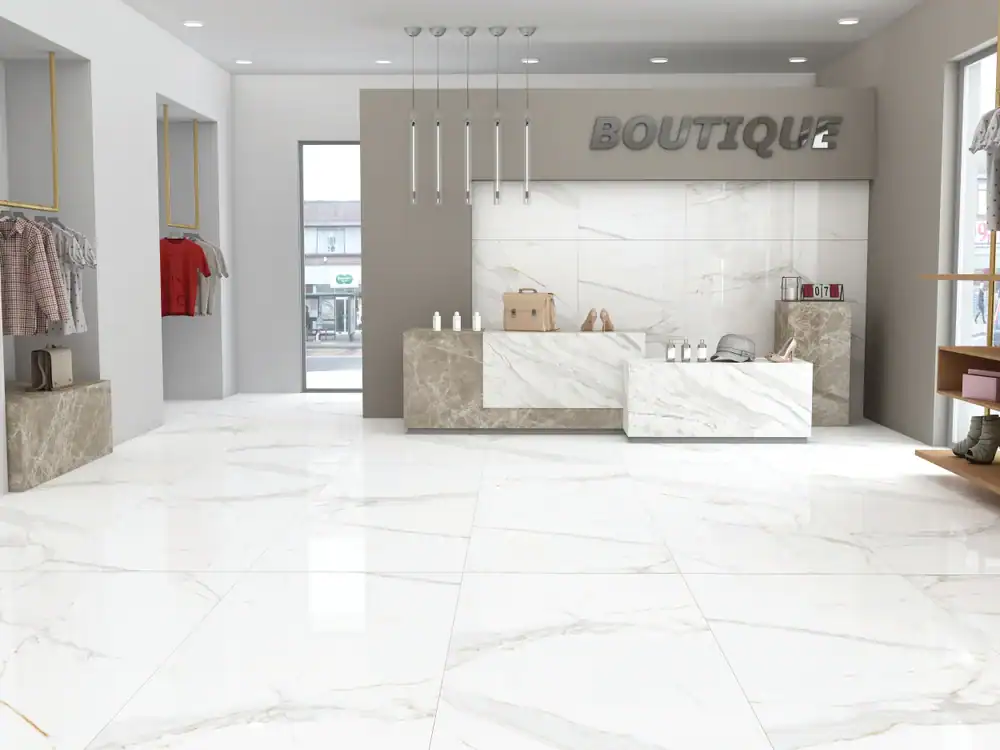
We start with an assessment of your marble floors to determine the extent of damage—etching, scratches, stains, dullness—and whether restoration makes sense or if you’re looking at a replacement situation. Most of the time, even floors that look beyond repair can be brought back.
The restoration process removes the damaged surface layer through a series of progressively finer abrasives. This isn’t aggressive grinding that destroys your marble. It’s controlled material removal that eliminates etching, scratches, and stains while preserving the stone itself. Each pass gets smoother until we’ve recreated that original polished surface.
Once the marble is level and smooth, we polish it to the finish level you want—high gloss, satin, or honed. Then we seal it with a penetrating sealer that protects against future staining and etching without changing how the marble looks.
Most projects in Orient finish in one to two days, depending on square footage and condition. You’ll see the transformation happen in real time as each section gets completed. We clean up completely when we’re done, and you can use your floors immediately—no curing time, no waiting around.

Ready to get started?
You get a complete evaluation before we start any work. We’ll tell you exactly what condition your marble is in, what results you can expect, and what the project will cost. No surprises halfway through the job.
The restoration itself covers everything needed to bring your floors back: surface preparation, multi-stage grinding and honing, polishing to your preferred finish, and sealing with commercial-grade products. We also handle marble repair for cracks, chips, or missing pieces before we start the refinishing process.
Orient homeowners often deal with floors that have been covered up, neglected, or damaged by improper cleaning over the years. We’ve seen it all—marble hidden under carpet for decades, floors etched beyond recognition from acidic cleaners, historic bathrooms with original marble that’s been scrubbed into oblivion. The worse the condition, the more dramatic the results.
You also get maintenance guidance so you know how to keep your restored marble looking right. Simple stuff—what to clean with, what to avoid, when to reseal. Most people damage their marble without realizing it, so we make sure you know how to protect your investment once we’re done.
Restoration typically costs a fraction of what you’d pay for new marble and installation. Buying new marble flooring and having it professionally installed can easily run $20-40 per square foot or more, depending on the material quality and complexity. That’s before you factor in the cost of removing and disposing of your original floors.
Marble floor restoration usually runs significantly less per square foot because you’re working with the material that’s already there. You’re not paying for new stone, new installation labor, or the demolition work. For most Orient homes with historic marble, restoration makes financial sense even before you consider the value of keeping original materials.
The real cost difference shows up in what you’re actually getting. New marble won’t match the character, color, or quality of what was installed in your home decades ago. Those materials aren’t available anymore. Once you rip out original floors, you can’t get them back—and potential buyers know the difference when it comes time to sell.
Yes, etching and stains come out during the restoration process. Etching happens when acidic substances dissolve the calcium carbonate in marble’s surface, creating dull spots that won’t buff out with regular cleaning. It’s permanent damage to that surface layer—but that layer can be removed and replaced through proper grinding and polishing.
We remove the etched surface entirely, taking the marble down to fresh stone underneath. Then we rebuild the finish through progressively finer abrasives until you have a new polished surface with no etching, no dull spots, and no reminder that the damage was ever there.
Stains work differently depending on what caused them. Surface stains come out during the grinding process. Deep stains that have penetrated the marble require poulticing—drawing the stain out of the stone before we refinish the surface. Most stains can be removed or reduced to the point where they’re not noticeable, even on white marble that shows everything.
The key is knowing what you’re dealing with. Some discoloration in very old marble is actually natural aging or mineral deposits within the stone itself, not staining. We’ll tell you what’s removable and what’s part of the marble’s character before we start work.
Most residential marble restoration projects finish in one to two days. A standard bathroom with marble floors might take four to six hours. A large foyer or living area could take a full day or two, depending on square footage and how much furniture needs to be moved.
The timeline depends on the condition of your marble and the size of the area. Heavily damaged floors take longer because we’re removing more material and working through more stages of abrasives to get the surface level. Floors in decent shape that just need polishing and sealing move faster.
We work efficiently because we’ve been doing this for over 25 years. You’re not dealing with a learning curve or trial-and-error approaches. We know exactly how many passes each floor needs, what grit sequence works for your specific marble type, and how to keep the project moving without rushing the results.
You can use your floors as soon as we’re finished. There’s no curing time for the sealer, no waiting period before you move furniture back. We clean up completely when we’re done, and your marble is ready to go.
Absolutely. Historic marble is actually some of the best material to restore because the quality is usually superior to what’s available today. The marble used in Orient’s early estate homes and historic properties was often quarried from sources that no longer exist, with characteristics and coloring you can’t replicate with modern stone.
Old marble responds extremely well to restoration as long as it’s done correctly. The stone itself is durable—it’s lasted a century already. What fails is the surface finish, which gets etched, scratched, and worn down over decades of use and cleaning. We remove that damaged surface and recreate the original polish using techniques specifically designed for historic materials.
The risk with old marble isn’t restoration—it’s improper restoration. Inexperienced companies use overly aggressive methods or harsh chemicals that can damage stone permanently. We’ve spent decades learning how to work with historic marble, understanding how it reacts differently than modern materials, and knowing when to adjust our approach based on what we’re seeing.
Many Orient homeowners don’t realize their marble can be saved until they see it restored. Floors that looked beyond repair—covered in scratches, completely dull, heavily stained—come back to their original appearance. That’s the advantage of working with someone who specializes in historic restoration rather than general marble cleaning.
Yes, we’ve added concrete restoration and polishing to our services. It’s a natural extension of the marble work we do because the process is similar—grinding, honing, and polishing to create a smooth, durable finish. Concrete polishing has become popular in Orient for basements, garages, and modern renovations where homeowners want the industrial look with easy maintenance.
Polished concrete gives you a finished floor without covering the slab with tile, hardwood, or carpet. The concrete itself becomes the finished surface, sealed and polished to whatever sheen level you prefer. It’s extremely durable, easy to clean, and works well in high-traffic areas or spaces where moisture is a concern.
We approach concrete the same way we approach marble—proper surface preparation, controlled grinding through multiple stages, and a final polish that brings out the natural character of the material. For concrete, that might mean exposing aggregate for visual interest or creating a smooth, uniform finish depending on what you’re looking for.
If you’re renovating a historic Orient home and want to balance original marble in living spaces with modern polished concrete in utility areas, we can handle both materials. Same crew, same attention to detail, same owner oversight on every project.
Stop using acidic cleaners immediately. Vinegar, lemon-based products, and most general-purpose cleaners are acidic enough to etch marble every time you use them. Even “natural” cleaning solutions can cause permanent damage if they contain citric acid or vinegar. You’re literally dissolving the surface of your marble with every cleaning session.
Don’t try to buff out etching or scratches with abrasive pads or powders. Scrubbing damaged marble with Scotch-Brite pads, Magic Erasers, or gritty cleansers just creates more scratches. The etching won’t come out, and you’ll add surface damage on top of the existing problem. It’s the most common mistake we see—people trying to clean their way out of damage that requires restoration.
Avoid having your marble “cleaned” by companies that don’t specialize in stone restoration. Many general cleaning services use methods and products that work fine on tile or hardwood but destroy marble. High-pressure steam cleaning, harsh degreasers, and acidic solutions can all cause etching or strip away existing sealers, leaving your marble more vulnerable than before.
If your marble is already damaged, just leave it alone until we can assess it. Sweep or dust mop to keep it clean, but don’t attempt any deep cleaning or DIY restoration. The less you do to it before professional restoration, the better your results will be.