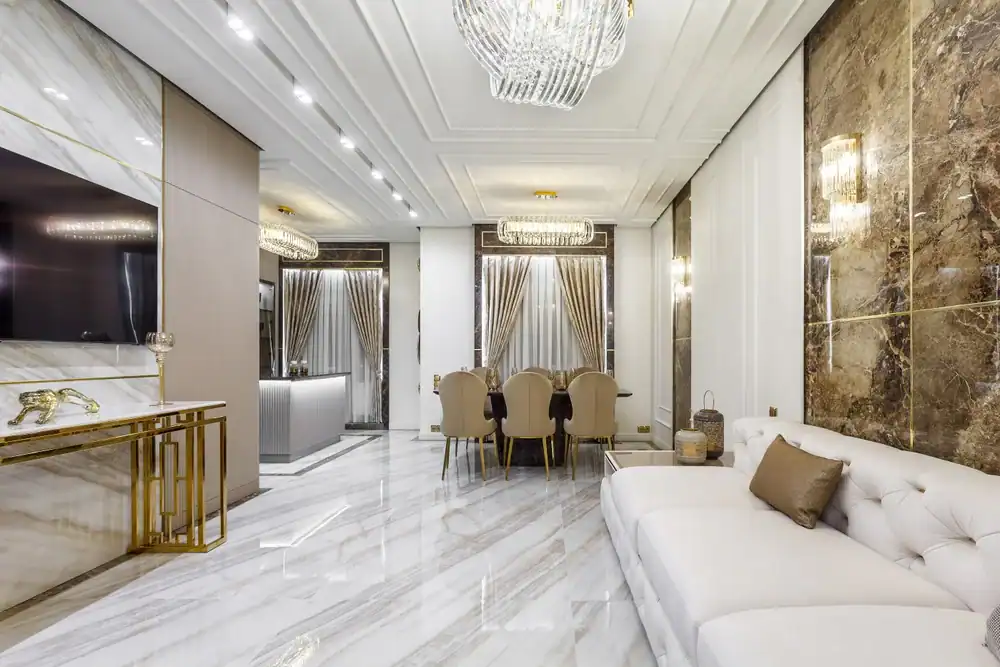
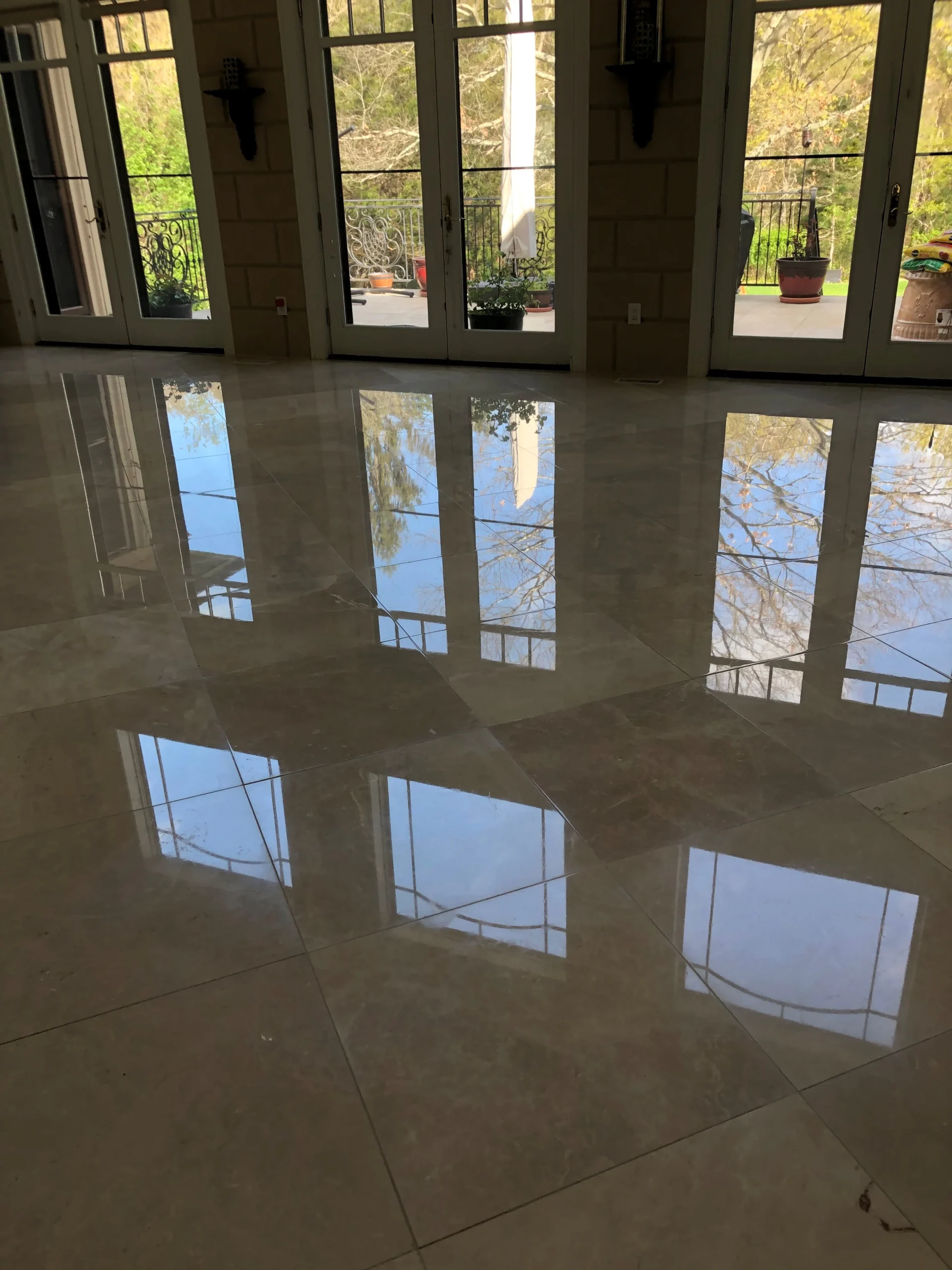
You’ll walk into rooms that feel different. The dull, cloudy haze that’s been building for years is gone. Light reflects off the surface the way it did when the marble was first installed.
Your guests will notice. Most homeowners in North Sea with historic properties know that feeling when someone stops and actually looks at your floors. That’s what proper marble restoration gives you back.
The etching from acidic cleaners disappears. The white mineral deposits from Long Island’s hard water are removed completely. What you’re left with is the stone itself, polished to the finish it was meant to have. No film. No buildup. Just clean, protected marble that you can maintain with simple care.
This isn’t a temporary fix. When marble floor restoration is done correctly, you’re looking at years of protection. The sealing process we use accounts for Nassau County’s humidity and water conditions, so your floors stay cleaner longer and resist the same damage that built up before.
High Definition Marble Restoration Inc has spent over 25 years working on the exact floors you have in your home. We’re not a cleaning company that added stone care as a side service. This is what we do, and we’ve been doing it in Nassau and Suffolk Counties since before most restoration companies existed in this area.
Our owner oversees every project personally. That matters because marble restoration is technical work where one wrong product or technique ruins the stone permanently. You’re not getting a crew that learned this last year.
North Sea homes have specific challenges. The Atlantic humidity affects how marble ages. The mineral content in local water creates buildup that’s different from what you’d see in other parts of New York. We account for these conditions in every restoration because we’ve been dealing with them for decades across Long Island’s historic properties.
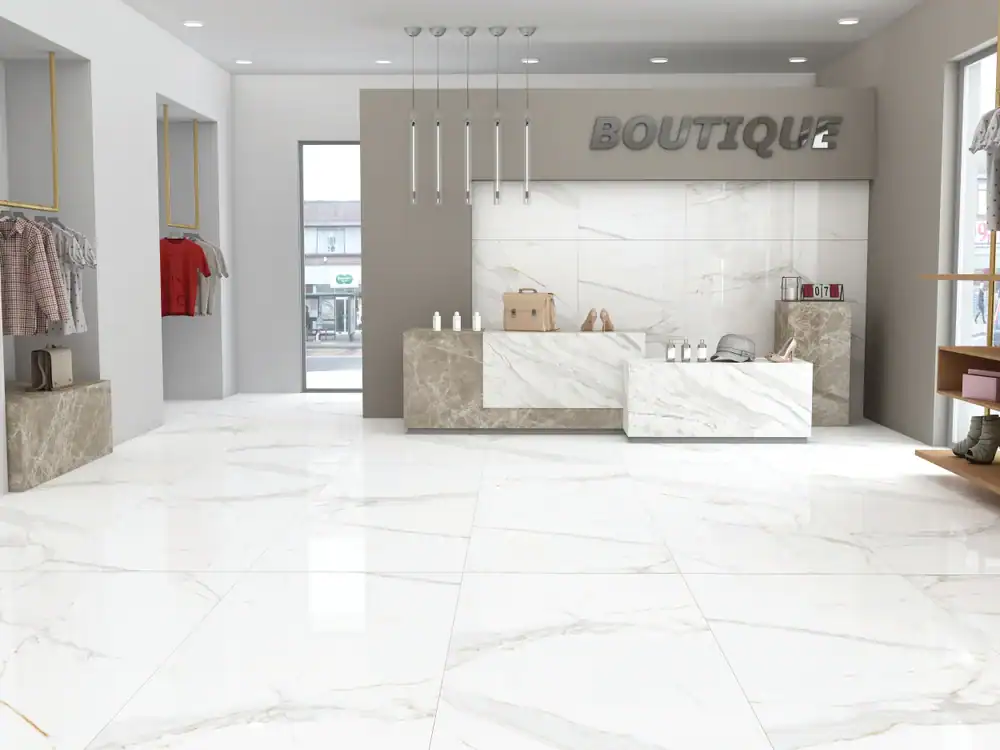
We start with a complete assessment of your marble’s current condition. This tells us how deep the etching goes, what’s causing the dullness, and which restoration approach will work for your specific stone type. Not all marble responds the same way to treatment.
The actual restoration uses a multi-step process that removes damage without removing excessive stone material. We’re working with abrasives that are measured in microns, progressively finer with each pass. This is what brings back the clarity and shine, not chemicals or coatings that sit on top.
Your floors are then honed to the correct finish level. Some historic marble was installed with a honed finish, not a high polish. We match the original specification unless you want something different. After honing comes polishing using compounds specifically formulated for calcium-based stone.
The final step is sealing. We use penetrating sealers that work with Long Island’s water conditions. This isn’t a topical coating that wears off in six months. It’s a below-surface treatment that gives you real protection against the moisture and minerals in North Sea’s environment.
Most marble floor projects take two to three days depending on square footage and damage severity. We protect your baseboards, mask off adjacent surfaces, and clean up completely each day. You’ll have some restricted access during the work, but we’re not tearing anything out or creating the disruption that comes with replacement.

Ready to get started?
You get a full evaluation before we start any work. We identify what’s damaged, what’s causing it, and whether restoration will give you the results you’re looking for. This assessment is detailed enough that you’ll understand exactly what we’re fixing and why.
The restoration itself covers everything needed to bring your marble back: deep cleaning to remove years of buildup, removal of etching and scratches, honing to correct finish level, polishing to restore clarity, and sealing for long-term protection. We’re not cutting corners or skipping steps that matter.
North Sea homeowners also get guidance on maintenance after we’re done. Long Island’s hard water means you need to know which cleaning products won’t damage your newly restored marble. We’ll tell you what to use, what to avoid, and how to handle spills that could cause etching. This information alone prevents most of the damage we see on service calls.
You’re also getting transparent pricing upfront. We quote the job after the assessment, and that’s what you pay. No surprise charges for “unexpected damage” we should have identified from the start. The cost typically runs between $5 and $15 per square foot depending on your marble’s condition and the complexity of the work, which is a fraction of what replacement would cost you.
Most residential marble floor restoration projects take two to three days from start to finish. The timeline depends on your total square footage and how much damage we’re correcting. A small entryway might be done in a day. A full first floor with multiple marble areas could take four days.
The work itself moves efficiently. We’re not waiting for coatings to dry between steps because we’re using mechanical restoration, not chemical treatments. What takes time is the progressive refinement process, moving through finer and finer abrasives to achieve the clarity and finish your marble needs.
You’ll have some access restrictions while we work. We typically section off areas so you can still move through your home, but you won’t be able to walk on the marble until each section is complete. We coordinate timing with you upfront so you know what to expect and can plan accordingly.
Yes, but the approach depends on whether you’re dealing with surface deposits or actual etching. Hard water stains are mineral buildup sitting on top of the marble. These come off during the deep cleaning phase of restoration. Long Island’s water creates stubborn deposits, but they’re removable with the right process.
Etching is different. That’s a chemical reaction where acid has dissolved the marble’s surface, leaving dull spots or rough texture. This requires honing to remove the damaged layer and then polishing to restore the finish. The depth of etching determines how much material we need to remove.
Most North Sea homes have both issues combined. Years of hard water buildup mixed with etching from cleaning products that contained acid. We address both during restoration. The key is identifying what you’re actually dealing with before starting work, because the wrong approach can make etching worse or fail to remove deposits completely.
Restoration costs a fraction of replacement. You’re typically looking at $5 to $15 per square foot for complete marble floor restoration including deep cleaning, honing, polishing, and sealing. Replacement starts around $50 per square foot just for materials, and that’s before you factor in demolition, disposal, installation labor, and the reality that you’re not finding marble that matches what’s in your historic North Sea home.
The bigger issue is that replacement often isn’t even possible. The marble in century-old Long Island homes came from quarries that don’t exist anymore. The specific color, veining, and characteristics of your stone can’t be replicated. You’d be installing something completely different, which changes the entire character of your home.
Restoration also avoids the disruption of a full replacement project. We’re talking about days of work versus weeks of construction, no structural changes, no risk of discovering problems once you start tearing things out. For most homeowners with historic marble, restoration is the only option that makes sense both financially and practically.
Maintenance after restoration is straightforward if you know what to avoid. The biggest thing is using pH-neutral cleaners only. Most household cleaners contain acid or harsh alkalines that will etch your marble. You need products specifically formulated for natural stone, and we’ll tell you exactly which ones work with the sealer we applied.
Daily maintenance is simple. Dust mop or vacuum to remove grit that can scratch the surface. Wipe spills immediately, especially anything acidic like wine, citrus, or tomato-based foods. These will etch marble on contact if left sitting. For regular cleaning, damp mop with your pH-neutral cleaner diluted according to directions.
Long Island’s hard water means you should dry your marble after mopping rather than letting it air dry. This prevents mineral deposits from building up again. It sounds like extra work, but it takes minutes and protects the restoration we just completed. Most North Sea homeowners find that proper maintenance is actually easier than what they were doing before, because the marble stays cleaner and doesn’t develop the stubborn buildup that required aggressive scrubbing.
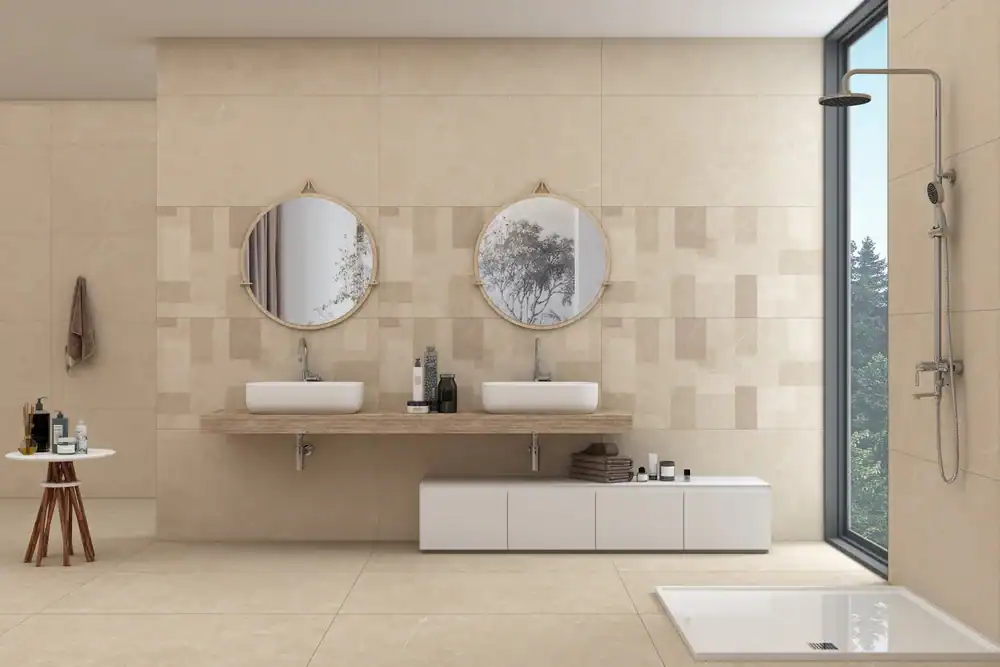
We restore all calcium-based natural stone including marble, limestone, and travertine. These materials respond to the same restoration techniques because they share similar chemical composition. If your North Sea home has marble floors, there’s a good chance you also have marble countertops, vanities, or shower walls that could benefit from restoration.
We’ve recently added concrete restoration and polishing to our services. This addresses the growing number of homeowners who have decorative concrete floors or want to refinish existing concrete rather than covering it. The process is different from marble restoration but uses similar principles of progressive refinement and sealing.
What we don’t work with is porcelain or ceramic tile. These are manufactured materials that can’t be restored the same way natural stone can. If someone has told you they’ll “restore” your porcelain, they’re likely talking about cleaning or regrouting, not actual surface restoration. We focus on natural stone and concrete because that’s where our expertise delivers real results.
If regular cleaning doesn’t bring back the shine, you’re dealing with damage that needs restoration. Dullness that doesn’t respond to cleaning products means the marble’s surface is etched or scratched. No amount of mopping will fix that because the problem is with the stone itself, not dirt sitting on top.
Look for specific signs. Cloudy areas that don’t wipe clean are usually etching from acidic exposure. White crusty buildup, especially near water sources, is mineral deposits from hard water. Scratches that catch light at certain angles mean the surface has been abraded by grit or improper cleaning tools. All of these require restoration, not just better cleaning.
The assessment we provide identifies exactly what’s happening with your marble. We can tell you whether you’re looking at surface issues that clean up easily or deeper damage that needs honing and polishing. Most historic marble floors in North Sea have been through enough years and enough incorrect cleaning that they need full restoration, but we’ll give you an honest evaluation of what your specific floors require.