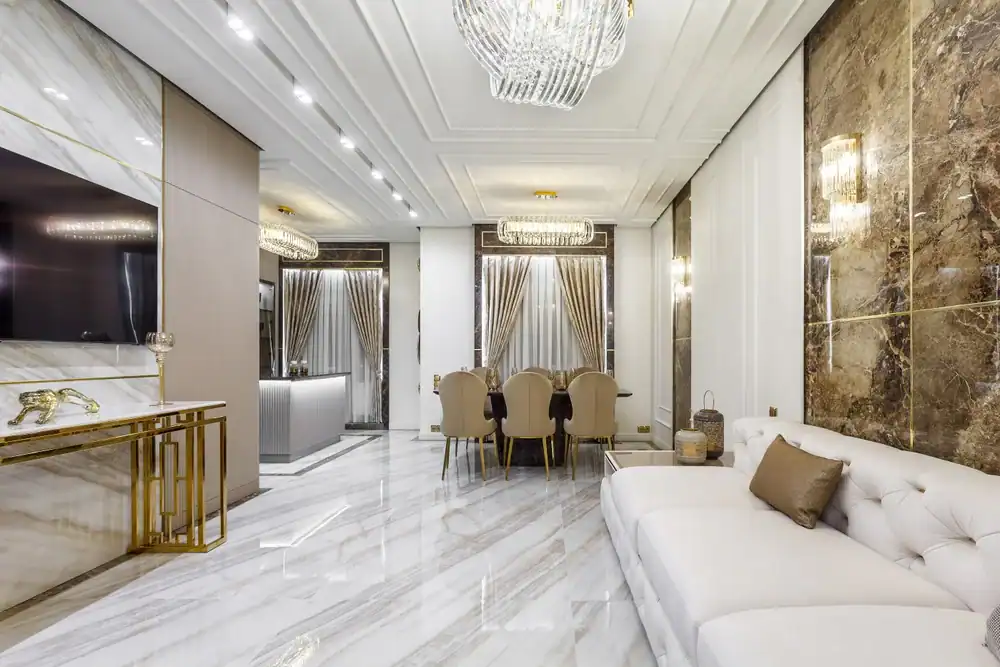
The dull spots disappear. The etching from years of acidic spills—gone. That cloudy haze covering the surface gets replaced with a deep, reflective shine you probably forgot was possible.
You’re not covering up damage. You’re reversing it. The marble in your North New Hyde Park home was installed with materials and methods that don’t exist anymore, which means replacement isn’t just expensive—it’s often impossible to match. Restoration brings back what’s already there, and when it’s done right, it lasts 10 to 15 years in a residential setting.
Your guests notice. Your property value reflects it. And you stop feeling embarrassed every time someone walks through your front door. That’s what proper marble floor restoration does—it gives you back the floor you thought you’d lost.
High Definition Marble Restoration Inc specializes in the floors other companies walk away from. The 100-year-old installations with water damage, the staircases with deep etching, the bathroom floors where previous DIY attempts made things worse—that’s what we do best.
We’re owner-operated, which means the person who quotes your job oversees the work. No handoffs. No miscommunication. The Garden City Hotel has trusted us exclusively for over 16 years, and The New York Times featured our restoration work back in 2001. We’ve spent more than two decades working on Nassau County’s historic properties, where marble floors tell the story of Long Island’s Gold Coast era.
North New Hyde Park has plenty of homes from that period, and we understand what those floors need. Not every marble restoration company does.
First, we assess the damage. Etching, scratches, stains, cracks—each one requires a different approach. We’re looking at the marble itself, the installation method, and any previous repair attempts that might complicate things.
Next comes the actual restoration. We use water-based methods that keep 99% of the work dustless, which means your home stays livable during the process. For surface damage like etching and dullness, we’re removing a microscopic layer of stone to expose fresh marble underneath. For deeper issues like cracks or chips, we use color-matched materials that blend invisibly with the original stone.
Then we polish. This isn’t buffing with a store-bought product—it’s a multi-step process using diamond abrasives that bring out the natural shine in the marble. Finally, we seal the surface with products designed for Long Island’s coastal environment, where humidity and salt air accelerate wear on natural stone.
Most residential projects finish in one to three days. You get a transparent quote upfront, and the owner stays involved from start to finish. No surprises, no upselling—just an honest assessment of what your floor needs.

Ready to get started?
North New Hyde Park sits in an area where 76% of homes were built before 1939. That means a lot of original marble—floors installed using techniques and materials that simply aren’t replicated today. The veining patterns, the color variations, the craftsmanship—it’s irreplaceable.
But age brings problems. Long Island’s coastal climate creates humidity that seeps into older installations where moisture barriers weren’t standard. Water damage shows up as discoloration, particularly in basement and ground-level marble. Then there’s etching, which happens when acidic substances dissolve the calcium carbonate in the stone’s surface. Lemon juice, vinegar, wine, coffee, even common cleaning products—they all cause dull spots and cloudy areas that can’t be fixed with over-the-counter marble cleaners.
We handle all of it. Chips, cracks, deep scratches, staining, water damage, and the kind of surface deterioration that comes from decades of use. We also restore concrete floors, which is a newer service we’ve added for clients who want that same high-end finish on different materials. What we don’t do is porcelain—we stick to natural stone because that’s where our expertise matters most.
The cost runs significantly less than replacement. New marble installation on Long Island typically costs $70 to $190 per square foot. Professional restoration usually runs 70 to 80% less, and you keep the original character that adds value to historic properties.
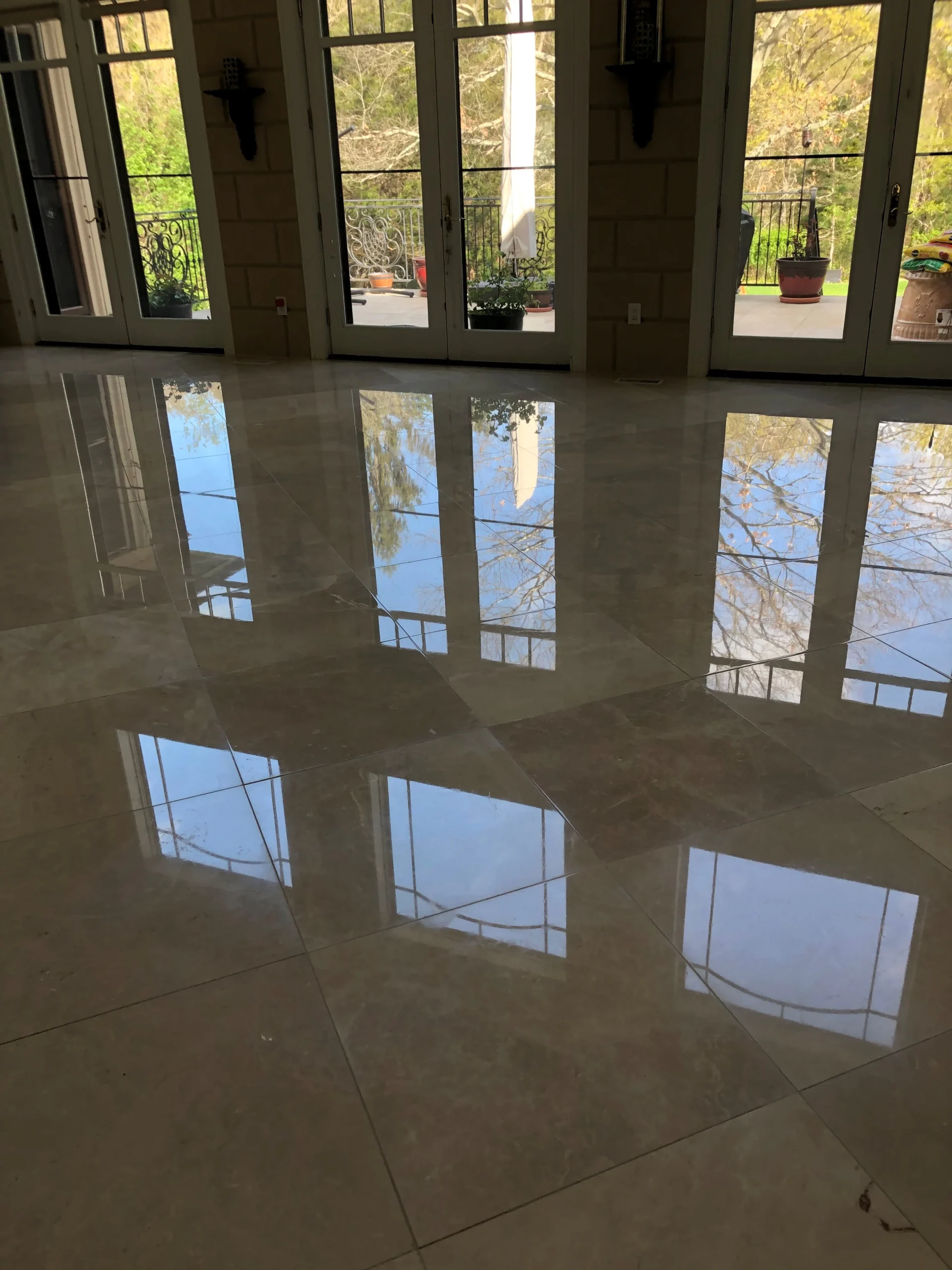
You’re looking at 10 to 15 years in most residential settings across Nassau County, assuming normal use and reasonable care. That timeline holds up because professional restoration doesn’t just polish the surface—it removes damaged stone, repairs structural issues, and seals the marble with products designed to handle Long Island’s specific environmental challenges.
The lifespan depends partly on traffic patterns and partly on what you’re exposing the marble to. High-traffic areas near entryways wear faster than a formal dining room that sees occasional use. Acidic spills still cause etching if you don’t clean them up quickly, and harsh cleaning products will dull the finish over time no matter how well the restoration was done.
But here’s the thing—even when the shine starts to fade after a decade or more, you’re not starting from scratch. A maintenance polish costs far less than full restoration, and it brings the floor back without the extensive work required the first time. Compare that to replacement, which is a one-time cost of $70 to $190 per square foot with weeks of construction disruption, and restoration makes a lot more financial sense.
Etching can be fixed, but not with the products most homeowners try first. Those over-the-counter marble polishes and home remedies don’t work because etching isn’t a surface coating problem—it’s actual chemical damage where acidic substances have dissolved the calcium carbonate in the stone.
The only real fix is removing a microscopic layer of marble to expose undamaged stone underneath. We do this using diamond abrasives in a multi-step process that gradually refines the surface. It’s precise work, especially on historic marble where you’re trying to preserve as much original material as possible.
The good news is that most etching is shallow enough to repair without compromising the floor’s integrity. Deep etching that’s been ignored for years takes more work, but it’s still fixable. What makes etching tricky in North New Hyde Park homes specifically is that many of these properties have original marble that’s already been through decades of wear. You need someone who understands how much material can safely be removed without creating low spots or uneven areas.
Once we’ve repaired the etching and repolished the surface, proper sealing helps prevent it from happening again—though you’ll still need to clean up acidic spills quickly and avoid harsh cleaning products.
Polishing is maintenance. Restoration is repair. If your marble has lost some shine but the surface is still relatively smooth and undamaged, polishing might be enough. That’s a less intensive process focused on bringing back the reflective finish using compounds and buffing techniques.
Full restoration is what you need when there’s actual damage—etching, scratches, cracks, stains, water damage, or dullness that won’t respond to polishing alone. Restoration involves removing damaged stone, repairing structural issues, honing the surface to create an even plane, and then polishing to bring out the natural shine. It’s more involved, takes longer, and costs more than simple polishing, but it’s also the only way to truly fix compromised marble.
A lot of North New Hyde Park homeowners call us after trying polishing services that didn’t deliver results. That usually means the floor needed restoration, not just polishing. The surface damage was too deep for buffing to address.
We assess your specific situation during the quote and tell you exactly what’s required. If polishing will get you where you want to be, we’ll say so. If the floor needs full restoration, we’ll explain why and what that process involves. No upselling, no vague recommendations—just a straightforward assessment based on what we’re seeing.
Restoration typically costs 70 to 80% less than replacement. New marble installation on Long Island runs $70 to $190 per square foot depending on the material quality and complexity of the job. Professional marble restoration generally ranges from $1 to $3 per square foot for floors, with more intricate work like countertops or staircases running higher.
So if you’re looking at a 200-square-foot entryway, replacement could cost anywhere from $14,000 to $38,000. Restoration on that same space would likely run $200 to $600, possibly more if there’s significant damage, but still a fraction of replacement cost.
The other factor is time and disruption. Replacement means weeks of construction—demo, substrate prep, new installation, grouting, sealing, curing time. Restoration usually wraps up in one to three days for residential projects, and we use dustless methods that keep your home livable during the work.
There’s also the question of matching original materials. A lot of historic marble in North New Hyde Park came from quarries that no longer operate or from periods with specific characteristics you can’t replicate today. Replacement means losing that authenticity, which matters if you care about preserving your home’s original character—and it matters to buyers if you ever sell.
Yes, but the approach depends on how deep the damage goes. Surface stains from spills usually come out during the honing process, where we’re removing the top layer of stone. Water stains that have penetrated deeper into the marble require poulticing—a technique that draws the stain out of the stone using specially formulated pastes.
Water damage is particularly common in older North New Hyde Park homes where moisture barriers weren’t standard during original construction. Basement and ground-level marble installations are most vulnerable, especially in Nassau County properties near the water where humidity and occasional flooding create ongoing moisture issues.
If water damage has caused structural problems—cracking, separation from the substrate, or significant deterioration—we address those issues before refinishing the surface. Sometimes that means stabilizing the installation or repairing sections with color-matched materials. The goal is a floor that’s not just beautiful but structurally sound.
What we can’t fix is marble that’s deteriorated to the point where there’s not enough sound material left to work with. That’s rare, but it happens in cases of severe neglect or repeated water exposure over many years. During the assessment, we’ll tell you honestly whether restoration is viable or if replacement is the only real option. Most of the time, even badly damaged marble can be brought back—it just takes more work than a standard restoration job.
We specialize in natural stone—marble, granite, limestone, travertine, terrazzo, and concrete. Each material has different characteristics and requires specific techniques, but the core restoration process is similar: assess damage, repair structural issues, refine the surface, polish, and seal.
Concrete restoration and polishing is actually a newer service we’ve added. A lot of clients want that high-end polished concrete look in basements, garages, or commercial spaces, and the process shares similarities with marble restoration. We’re essentially refining the surface and bringing out the natural beauty of the material, whether that’s the veining in marble or the aggregate in concrete.
What we don’t work on is porcelain. It’s a manufactured product that doesn’t respond to the same restoration techniques, and it’s outside our area of expertise. We stick to natural stone because that’s where our 25-plus years of experience actually matters.
If you’ve got a historic floor in North New Hyde Park and you’re not sure what material it is, we can identify it during the assessment. A lot of homeowners assume they have marble when it’s actually limestone or terrazzo, and the distinction matters for how we approach the restoration. We’ll walk you through exactly what you’re dealing with and what it needs.