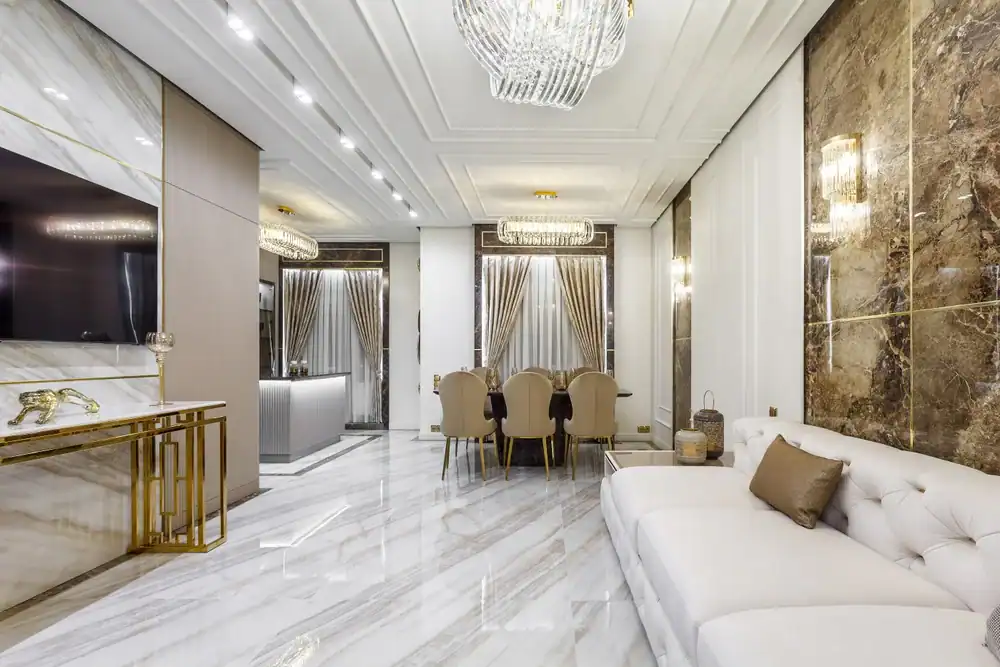
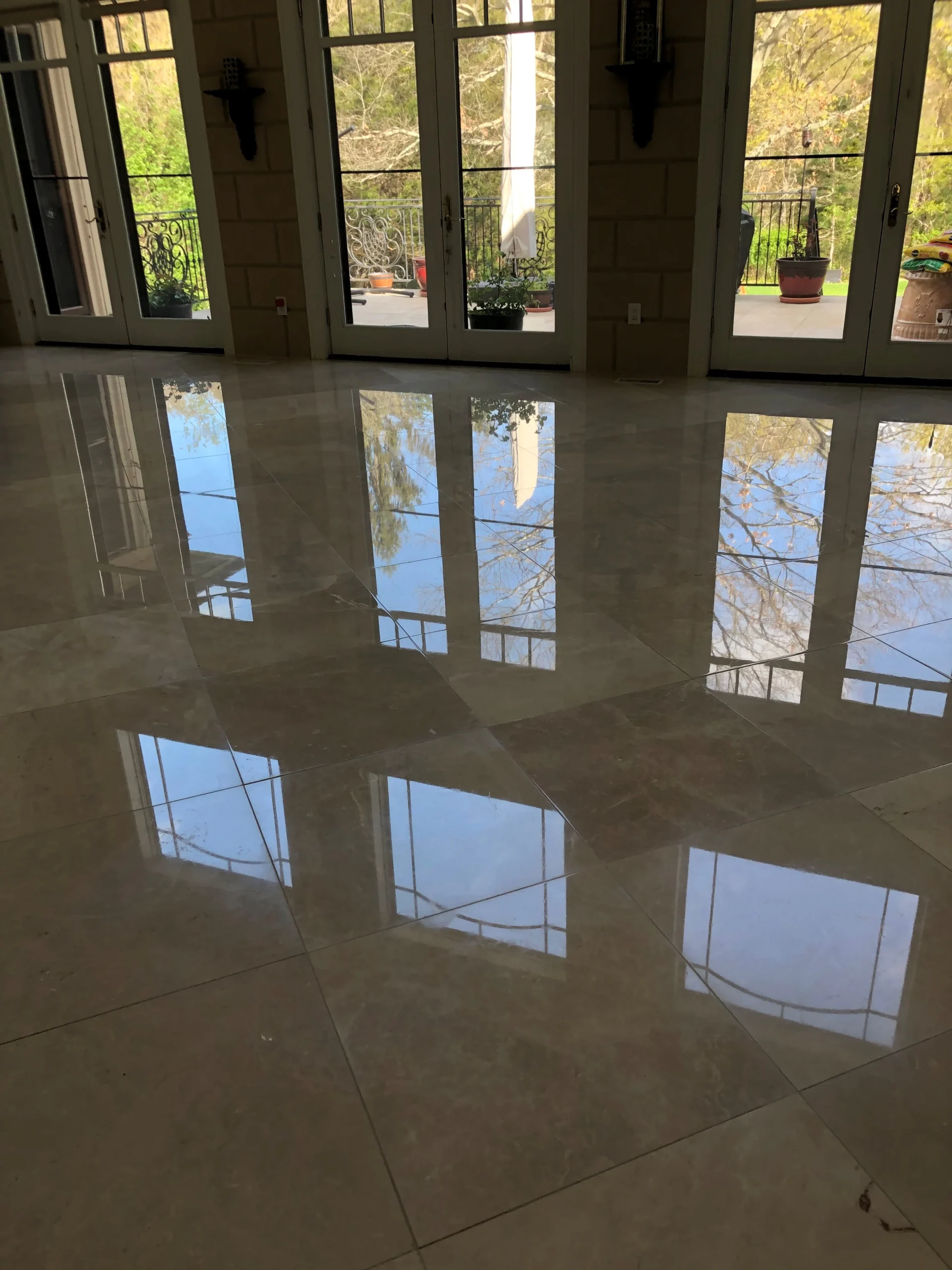
You get floors that look the way they did when they were first installed—sometimes a century ago. Not just clean. Not just shiny for a few months. Actually restored, with the depth and clarity that made you fall in love with natural stone in the first place.
Most marble floor polishing jobs in Manorville take less than two days. You’re not dealing with weeks of construction mess or the cost of ripping out irreplaceable materials. The finish we create isn’t temporary—it’s built to last because we’re restoring the stone itself, not just masking damage with coatings that’ll wear off.
Here’s what matters: well-maintained original marble floors increase your property value by 3-5%. Buyers pay premium prices for authentic, restored features in historic homes. That’s not just about money—it’s about preserving something that can’t be replicated with modern materials or installation methods.
High Definition Marble Restoration Inc specializes in the floors that other contractors won’t touch. The ones with a century of wear. The historic installations where one wrong move ruins irreplaceable stone forever.
We’re owner-operated, which means you’re getting direct expertise on every job—not a crew that learned marble restoration last month. The New York Times featured our work in 2001, but what matters more is the 25+ years we’ve spent restoring historic floors throughout Nassau and Suffolk Counties. We know the materials, the techniques, and the challenges that come with Manorville’s older homes.
The worse the condition, the better the opportunity to show what real restoration looks like. That’s been our approach from day one.
First, we assess the actual condition of your marble—not just surface dirt, but the structural issues, etching, cracks, and wear patterns that tell us what the floor needs. This isn’t a cleaning job. It’s restoration, which means we’re addressing damage at the stone level.
We start with marble repair if there are cracks or chips. These get filled and stabilized before any polishing happens, because leaving them means they’ll spread and create bigger problems down the road. Then comes the grinding and honing process, using progressively finer abrasives to remove etching, stains, and surface damage. This is where experience matters—too aggressive and you damage historic stone, too cautious and you don’t actually fix anything.
The final polishing brings back that original clarity and depth. We’re not applying coatings or sealers that wear off. We’re creating a finish by refining the stone itself, which is why it lasts. Most jobs wrap up in under two days, and you’re left with floors that look like they did when your home was built—not a modern imitation, but the real thing restored right.

Ready to get started?
Manorville’s older homes—especially those built during Long Island’s estate construction boom—feature marble installed with techniques and materials you don’t see in modern work. The stone itself is often higher quality. The installation methods were different. That means restoration requires understanding what the floor was supposed to look like originally, not just what it looks like now.
Historic marble develops specific problems: etching from decades of acidic cleaners, cracks from settling that modern slabs don’t experience, and wear patterns that reveal how the stone was finished initially. A lot of “cleaning companies” offer marble services using harsh acids and abrasives that permanently damage these floors. Once that happens, you can’t undo it.
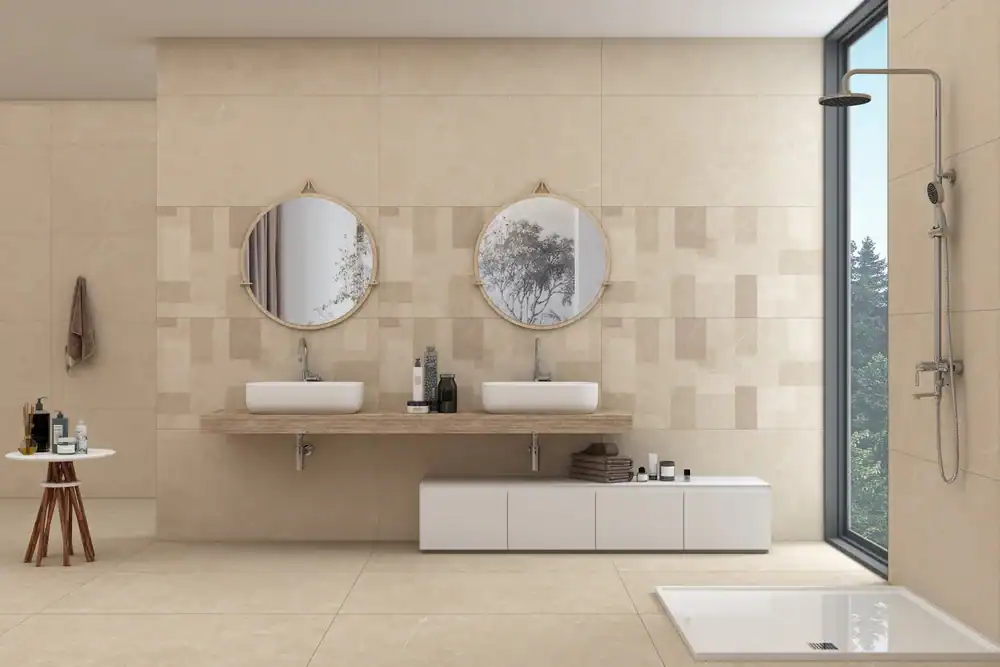
We also handle bathroom floor restoration, which presents its own challenges—water damage, soap buildup, and etching concentrated in high-traffic areas. The same principles apply: restore the stone itself rather than cover problems with temporary fixes. And we’ve expanded into concrete restoration and polishing, because the demand for that expertise is growing throughout Nassau and Suffolk Counties. Same owner-operated approach, same focus on getting it right the first time.
Restoration typically costs 40-60% less than replacement, and that’s before you factor in the time difference. Tearing out old marble and installing new stone means weeks of construction, disposal fees, and the reality that you’re losing irreplaceable materials.
Most marble restoration projects in Manorville run between $3-$8 per square foot depending on condition, while replacement starts around $15-$25 per square foot for materials alone—and that’s assuming you can even find stone that matches your historic installation. You can’t. Modern marble doesn’t look the same, isn’t cut the same, and won’t have the character of century-old stone.
The bigger cost is what you lose. Original marble floors in historic homes add 3-5% to property value. Replacement floors don’t carry that same premium because buyers know the difference between authentic and new. You’re also dealing with the fact that restoration takes days, not weeks, which means less disruption and faster results.
Yes, and that’s exactly what restoration is designed to address. Etching happens when acidic substances—wine, citrus, vinegar, even some cleaners—break down the calcium carbonate in marble. It leaves dull spots or rough patches that won’t buff out with regular cleaning.
Deep scratches and etching require grinding down to a level below the damage, then honing and polishing back up to create a uniform finish. This isn’t something you can do with store-bought products or surface treatments. It requires professional equipment and an understanding of how much material you can safely remove without compromising the floor.
The challenge with historic marble is that you’re often working with stone that’s thinner than modern installations, which means there’s less room for error. That’s why experience matters. We’ve been restoring century-old floors since 1998, and we know how to assess what’s possible before we start grinding. Most etching and scratch damage is completely reversible—you just need someone who knows how to do it without creating new problems.
A proper restoration should last 5-10 years in residential settings, sometimes longer if you’re maintaining it correctly. That’s because we’re not applying a coating that wears off—we’re refining the stone itself to create a polished surface.
The longevity depends on traffic, maintenance, and whether you’re using pH-neutral cleaners. Acidic or abrasive products will dull marble over time, which is why a lot of floors need restoration in the first place. Once we’ve restored your marble, basic care keeps it looking right: regular dust mopping, occasional damp cleaning with proper products, and dealing with spills quickly.
Compare that to topical sealers or waxes, which might last 6-12 months before they need reapplication. Those aren’t restoration—they’re temporary fixes that mask problems rather than solving them. Real marble polishing creates a finish that’s part of the stone, not sitting on top of it, which is why it holds up to actual use.
Cleaning removes dirt and surface grime. Restoration fixes damage to the stone itself—scratches, etching, dullness, cracks, and wear that cleaning can’t touch. If your marble looks dull even after cleaning, or if you’re seeing rough spots and loss of shine, you’re dealing with damage that requires restoration.
A lot of cleaning companies offer “marble services” that involve harsh chemicals and aggressive scrubbing. That approach can actually make things worse by creating new etching or wearing down the finish unevenly. Real restoration uses diamond abrasives in a controlled grinding and polishing process to remove damaged stone and create a new surface.
Here’s the test: if your marble has lost its clarity and depth, if you’re seeing dull spots that won’t shine up, or if there are visible scratches and etching, cleaning won’t fix it. You need someone who understands marble refinishing and has the equipment to actually restore the stone. That’s a specialized skill set, and it’s why we focus on restoration work rather than maintenance cleaning.
Absolutely, and here’s why: you can’t replace them with anything equivalent. The marble in historic Manorville homes was often sourced from quarries that don’t exist anymore, cut and finished using methods that aren’t standard today. The quality and character of that stone isn’t something you’ll find at a modern supplier.
Beyond the material itself, original floors are a major selling point for historic properties. Buyers pay premium prices for authentic features, and well-maintained marble can increase property value by 3-5%. Rip them out and you’re losing both the character of your home and a tangible financial benefit.
The alternative—living with damaged, dull floors—doesn’t make sense either when restoration is faster and more affordable than replacement. Most jobs take less than two days, and you’re preserving something irreplaceable rather than throwing it away. We’ve specialized in historic floor restoration for over 25 years specifically because these projects matter. The worse the condition, the more dramatic the transformation, and the more value you’re protecting.
Yes, and bathroom floor restoration comes with its own specific challenges. You’re dealing with concentrated water exposure, soap scum buildup, etching from shampoo and cleaning products, and often more severe wear in smaller areas. All of that affects how we approach the restoration.
Bathroom marble tends to show damage faster because of the constant moisture and chemical exposure. Etching around the shower or tub is common. So are dull spots where acidic products have been used repeatedly. The good news is that the same restoration process that works on larger floors applies here—we’re just working in tighter spaces and often addressing more concentrated damage.
The key is using proper techniques rather than harsh chemicals that make etching worse. A lot of homeowners try DIY solutions or hire cleaning services that use acidic products, which permanently damages marble. Once we’ve restored your bathroom floors, maintaining them is straightforward: pH-neutral cleaners, quick spill cleanup, and avoiding anything acidic. The restored finish holds up well even in high-moisture environments when you’re taking basic care of it.
Other Services we provide in Manorville