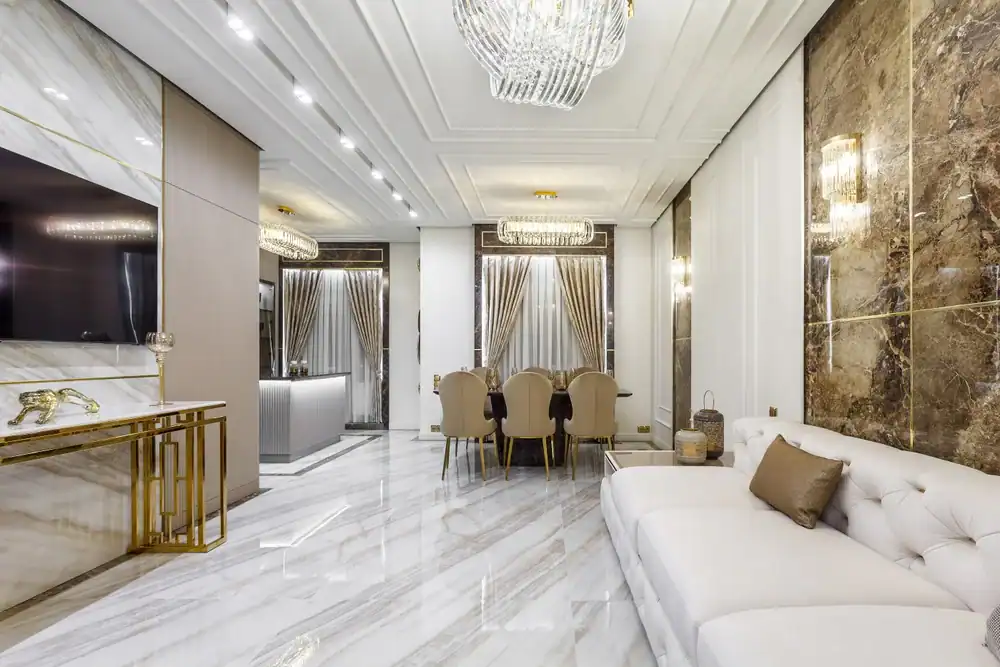
You’re looking at floors that have been in your home for decades. Maybe a century. The veining patterns, the color variations, the craftsmanship—none of it exists in modern materials. Once it’s gone, it’s gone.
Professional marble restoration brings those floors back without ripping them out. You keep the authenticity. You avoid the disruption of replacement. And you’re looking at costs around $5-15 per square foot instead of $70-190 for new installation.
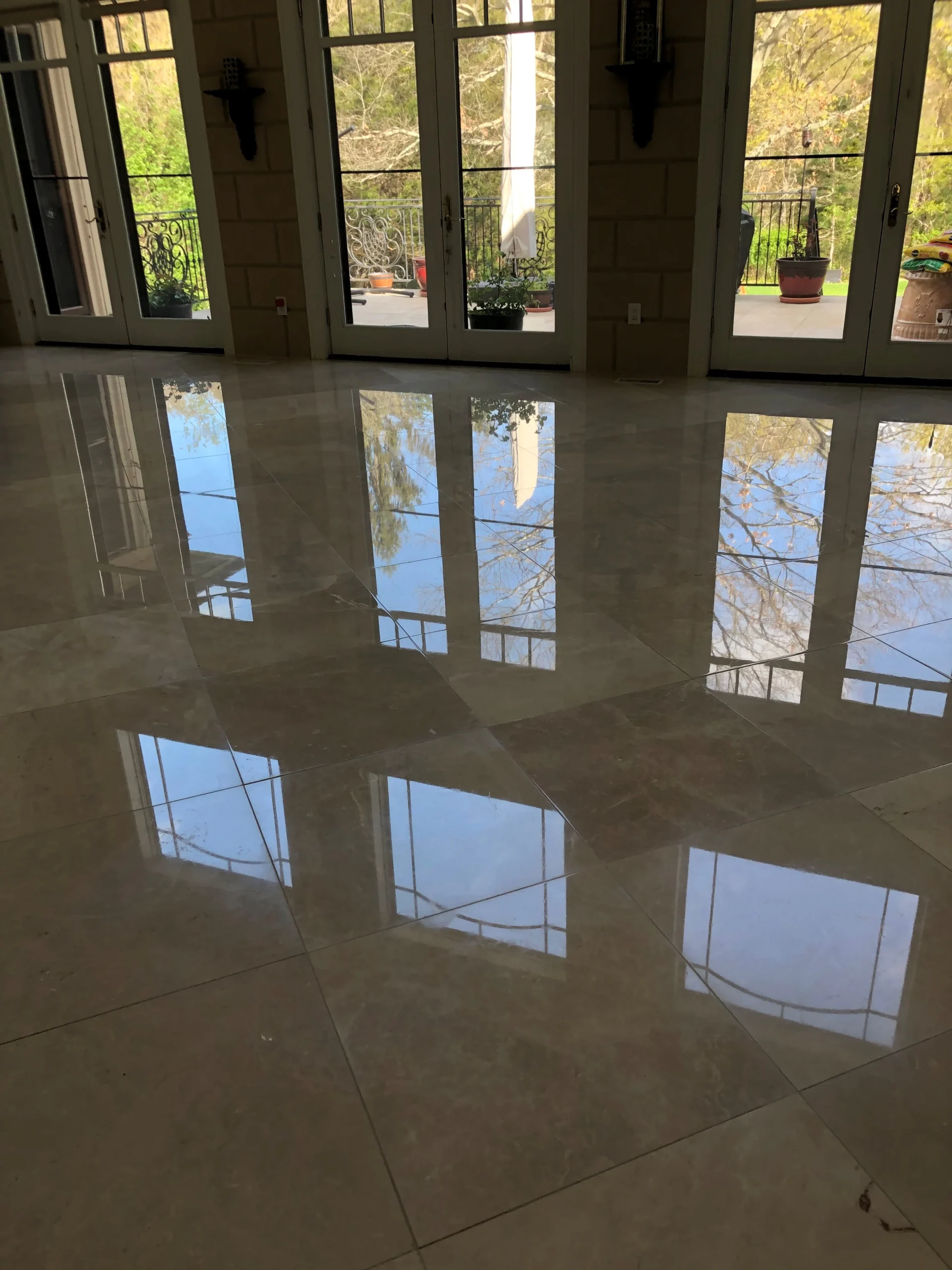
The difference shows up immediately. Scratches disappear. Etching from decades of use gets corrected. The finish comes back with the kind of depth you remember. And because the work is done right—using diamond-impregnated pads and progressive honing techniques—it lasts for decades, not months.
High Definition Marble Restoration Inc has spent over 25 years working on historic properties throughout Nassau and Suffolk Counties. We were featured in the New York Times back in 2001, and we’re still here because the work speaks for itself.
Lloyd Harbor’s Gold Coast heritage means we’re constantly working with marble that dates back to the early 1900s. The estates built during that era used materials and techniques you don’t see anymore. We understand how those floors were installed, what they’re made of, and how to restore them without causing damage.
This is owner-operated. You’re talking directly to the person doing the work, not a sales team. You get transparent pricing upfront, and you know exactly what’s happening at every stage.
First, we assess the condition of your marble. Not all damage is the same. Etching from acidic spills requires different treatment than scratches from foot traffic. We’re looking at the type of stone, the existing finish, and what’s realistic to achieve.
Next comes the actual restoration. We use a progressive honing process with diamond-impregnated pads—starting with coarser grits to remove damage, then moving through finer grits to build the finish. This isn’t a surface treatment. We’re physically reshaping the stone at a microscopic level.
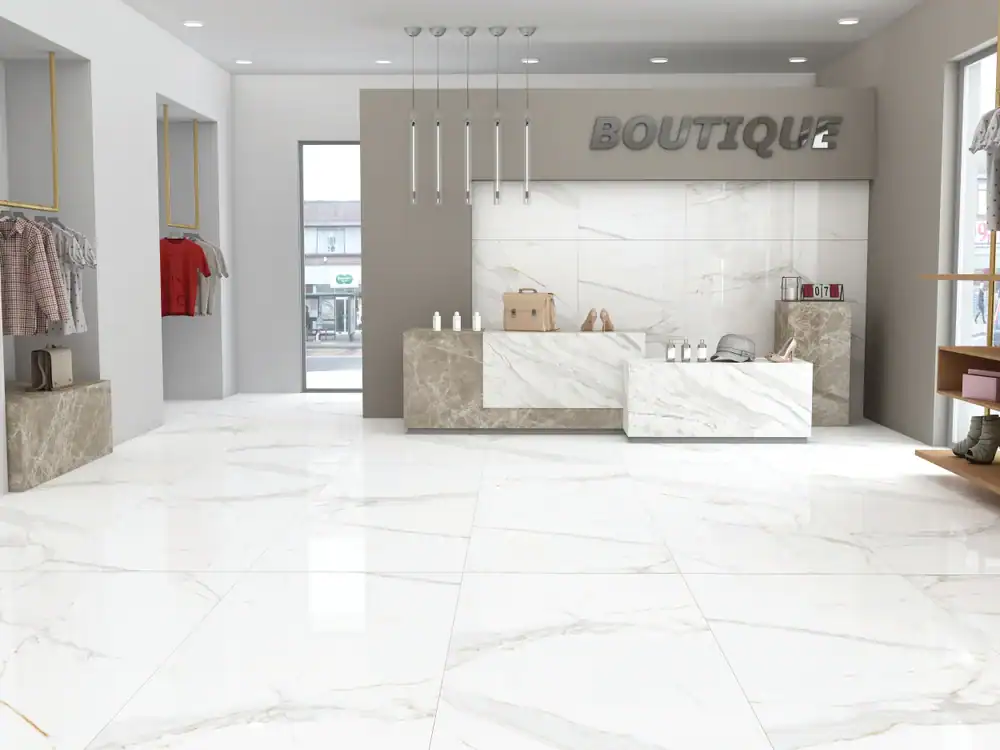
Polishing comes last. We bring the marble up to the gloss level that matches your home—whether that’s a soft hone or a high-gloss mirror finish. The entire process is disciplined. Your space stays protected with proper masking, and cleanup is part of the job, not an afterthought.
You’re left with floors that look the way they did originally, with durability that extends their life for decades.

Ready to get started?
Marble floor restoration in Lloyd Harbor means working with materials that have been in place since the Gilded Age. These aren’t cookie-cutter installations. You’re dealing with calcite-based marble, red marble with hematite, green marble from limonite—each one responds differently to restoration techniques.
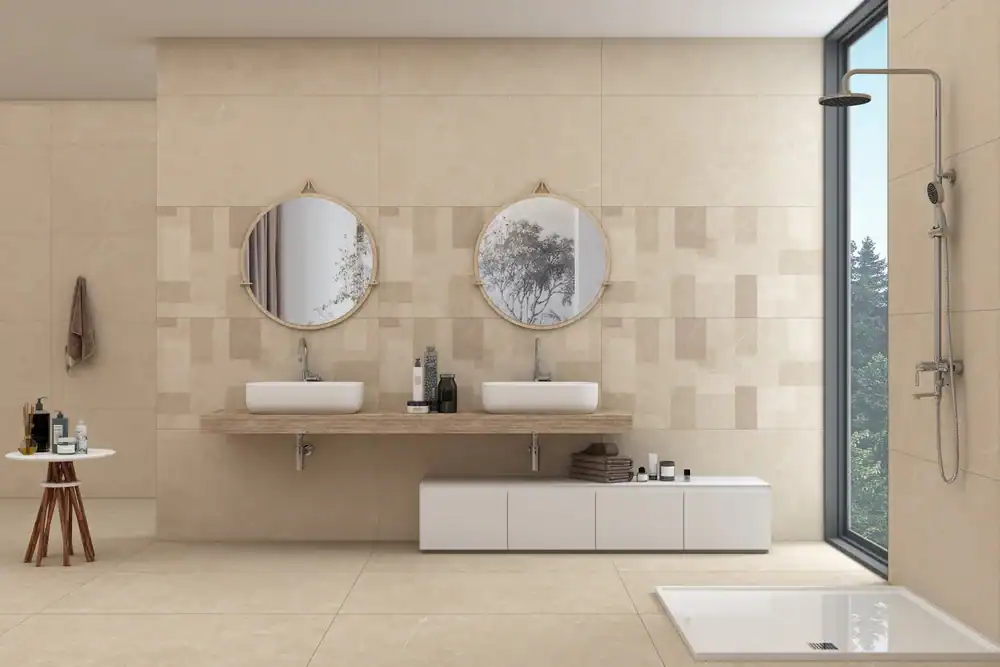
We handle everything from bathroom floor restoration to large entryway marble polishing. The process includes damage assessment, honing to remove scratches and etching, polishing to your preferred finish level, and sealing when appropriate. You also get guidance on marble floor care so the results last.
Lloyd Harbor properties often feature original marble that’s irreplaceable. Homes here start at $1.3 million and climb to $6 million, with many dating back over a century. Maintaining authentic materials isn’t just about aesthetics—it directly impacts property value. Restoration has been shown to increase home values by up to 25% in historic neighborhoods where buyers specifically seek original character.
We also offer concrete restoration and polishing, which has become increasingly relevant as more homeowners recognize the value of preserving original materials rather than replacing them.
Marble restoration typically runs between $5-15 per square foot, with most projects averaging around $12 per square foot. Replacement costs hit $70-190 per square foot once you factor in removal, disposal, subfloor prep, new material, and installation.
The cost difference is significant, but it’s not the whole story. Replacement in historic homes often reveals subfloor issues that weren’t budgeted for. Marble is rigid and cracks on uneven surfaces, so contractors end up adding self-leveling compound and extra labor—that’s another $2-5 per square foot you weren’t expecting.
Restoration avoids all of that. The existing floor stays in place. No demolition, no subfloor surprises, no extended timeline. You’re working with what’s already there, which is almost always higher quality than what you’d install new.
Yes. In fact, those are the projects we prefer. The older the floor, the better the material quality tends to be. Marble installed during Lloyd Harbor’s Gold Coast era was quarried and finished using methods that aren’t replicated today.
Century-old marble often has deeper veining, richer color variation, and better density than modern alternatives. The challenge isn’t the age—it’s the accumulated damage from decades of foot traffic, improper cleaning, and sometimes misguided repair attempts.
We’ve restored marble in estates throughout Nassau and Suffolk Counties that date back to the early 1900s. The stone itself is incredibly durable. With the right techniques—diamond honing, proper polishing, and an understanding of the specific mineral composition—you can bring it back to original condition. The character you’re preserving is literally irreplaceable.
Polishing is the final step in refinishing. Refinishing is the complete process—honing away damage, reshaping the surface, and then polishing to achieve the desired gloss level. Most people use the terms interchangeably, but the distinction matters when you’re evaluating quotes.
If someone offers “polishing” at a suspiciously low price, they’re probably just buffing the surface with a topical compound. That might add temporary shine, but it doesn’t fix etching, scratches, or unevenness. You’ll see results for a few weeks, then the problems come back.
Refinishing involves progressively finer diamond abrasives to physically remove damaged stone and create a new surface. It’s more labor-intensive and requires specialized equipment—gloss meters to measure finish levels, moisture detectors, proper honing machines. But the results last for decades because you’ve actually corrected the damage instead of covering it up.
It depends on the type of damage. Surface etching from soap, shampoo, or hard water deposits can absolutely be restored. We remove the damaged layer through honing and bring the marble back to a smooth, polished finish.
If water has penetrated beneath the marble and caused subfloor damage, that’s a different situation. You’ll see signs—tiles that sound hollow when tapped, grout lines that have deteriorated, or sections that feel loose underfoot. In those cases, the subfloor needs attention before restoration makes sense.
Bathroom floor restoration is common in Lloyd Harbor’s older homes. The marble itself is usually salvageable even after decades of use. We assess the installation, check for underlying issues, and give you a transparent answer about what’s restorable and what isn’t. Most of the time, the marble is fine. It just needs proper treatment.
If you can feel the damage with your fingertips—scratches, rough patches, uneven areas—you need restoration. Cleaning only addresses dirt and surface buildup. It won’t fix etching from acidic spills or scratches from grit and foot traffic.
Etching is the most common issue we see. It looks like dull spots or water marks that won’t buff out. That’s because the acid has literally dissolved a thin layer of the marble surface. No amount of cleaning will fix that. You need to hone the surface down to remove the etched layer, then repolish.
Here’s a simple test: if your marble looks cloudy, feels rough, or has lost its reflective quality in certain areas, you’re beyond what cleaning can solve. Professional marble restoration removes the damaged surface and rebuilds the finish. The difference between a qualified stone restoration specialist and someone who just “cleans” stone is massive—and choosing wrong can cause permanent damage that costs more than replacement.
Properly restored marble can last decades before needing another full refinishing. With basic maintenance—regular cleaning with pH-neutral products and periodic professional care—you’re looking at 20-30 years or more.
The longevity depends on traffic patterns and how you care for it. High-traffic entryways will show wear faster than a formal dining room that sees occasional use. But even in heavy-use areas, quality restoration holds up remarkably well because you’re working with dense, durable stone.
Maintenance costs are minimal. Professional marble floor care—resealing, light polishing, addressing minor issues before they spread—typically runs $200-600 and keeps surfaces looking their best between major restorations. Compare that to replacing floors every 15-20 years, and the math is clear. You’re preserving an asset that increases property value while avoiding the cost and disruption of replacement.