
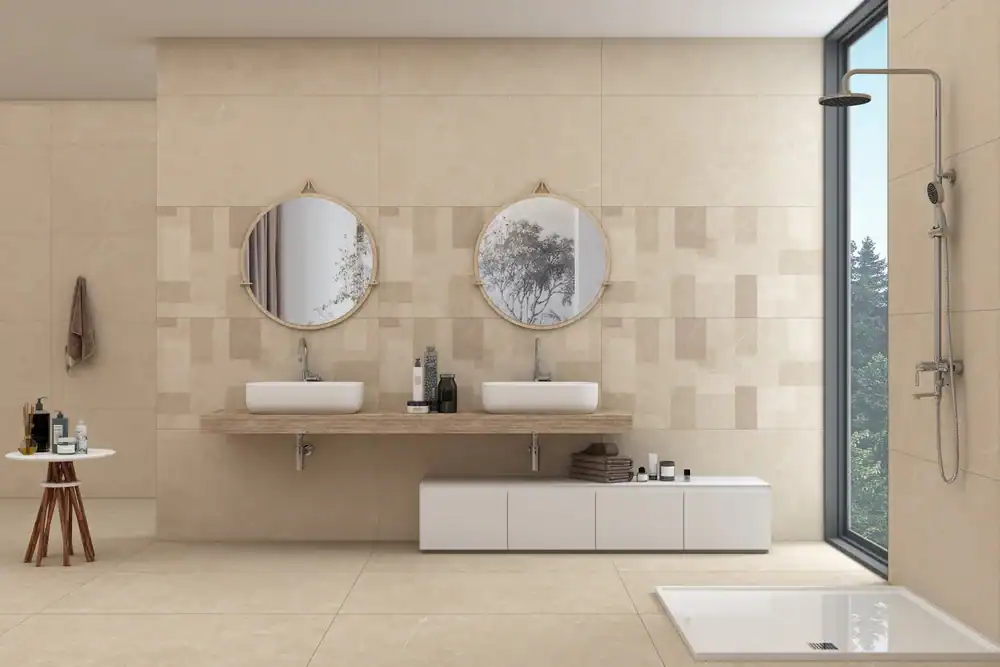
You’re not looking at surface damage. You’re looking at decades of wear, improper cleaning products, and foot traffic patterns that tell the story of how your home has been lived in. That’s not something a cleaning company can fix with a mop and some polish.
Real marble restoration means understanding what your floor looked like when it was first installed—not just what it looks like now. The hand-finished surfaces in homes from the early 1900s had subtle variations that modern machine polishing destroys. Getting it right means knowing the difference.
When we’re done, you’ll have floors that look like they did originally. Not shinier. Not different. Just restored to what they were meant to be. That’s what increases your property value and preserves the character of your home. The National Association of Realtors puts that value increase anywhere from 3% to 25% when original features are properly maintained.
Most of our projects take one to three days depending on size and condition. You’re not dealing with weeks of disruption or contractors you never see again.
We’ve been restoring historic floors in Great River and throughout Nassau and Suffolk Counties for over 25 years. The New York Times featured our work back in 2001, but what matters more is that we’re still here doing the same thing—restoring floors other companies won’t touch.
This is an owner-operated business. That means the person you talk to on the phone is the same person overseeing your project. No subcontractors. No handoffs. Just direct accountability from start to finish.
Great River has some of the most historically significant homes on Long Island—Tudor mansions from the 1880s, estates from the Gilded Age, properties that have been in families for generations. We’ve worked on floors in homes like these throughout the area. The worse the floor, the better the project is for us.
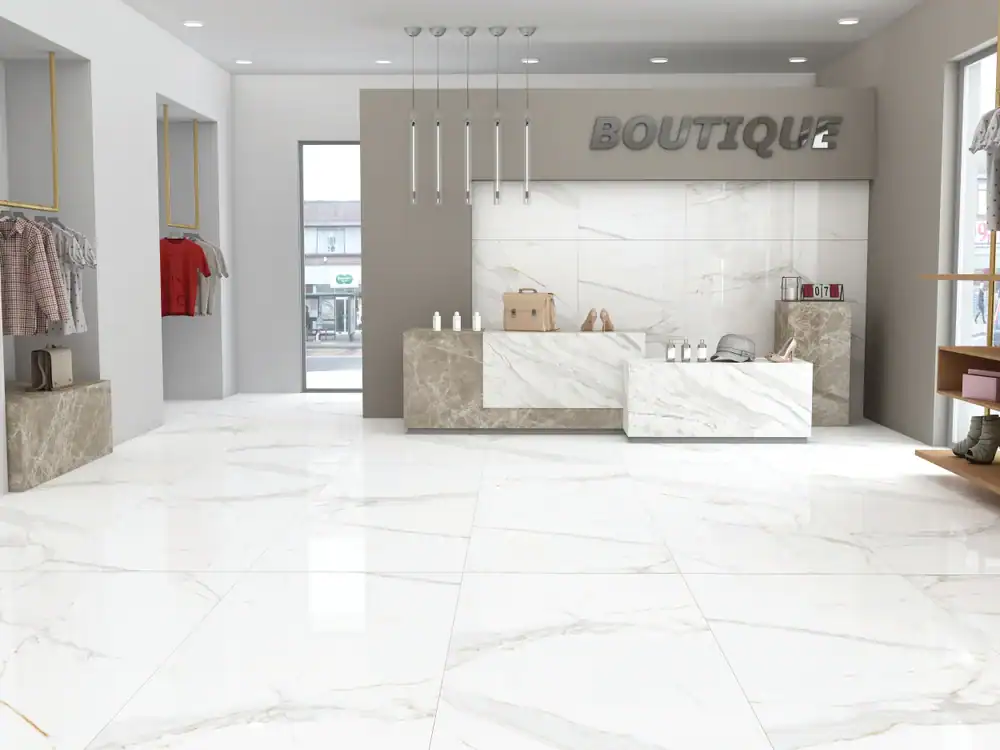
First, we assess what we’re actually dealing with. That means understanding the type of marble, how it was originally finished, what’s happened to it over the years, and what it’s going to take to bring it back. This isn’t a quote over the phone situation—we need to see it.
Then we start with the correction work. If there’s etching from acidic cleaners, uneven wear from foot traffic, or damage from improper maintenance, that gets addressed first. We’re not covering problems up. We’re fixing them.
The restoration process itself involves grinding, honing, and polishing—but the technique changes based on what your specific floor needs. A floor from 1920 doesn’t get treated the same way as one from 1880. The marble is different. The installation methods were different. The finish was different.
What you end up with is a floor that looks original because it is original. Just restored. The results typically last 10 to 15 years in a residential setting when properly maintained—not the two to three years you’d get from a basic cleaning service.
You’ll know what you’re paying before we start. No surprises. No upsells. Just transparent pricing for the work that actually needs to be done.

Ready to get started?
This isn’t a cleaning. It’s a full restoration that addresses the underlying issues in your marble—etching, scratches, dullness, uneven wear, and damage that’s accumulated over decades.
You’re getting someone who understands how Long Island’s coastal environment affects marble. The humidity, the hard water, the temperature swings—all of it impacts how your floors age and what they need. That local knowledge matters when you’re working with materials that have been in place for a century.
We handle marble floor polishing, marble repair, and full marble refinishing. If you’ve got bathroom floors that have lost their finish or entryway marble that’s taken a beating from foot traffic, that’s what we do. We also work with concrete restoration and polishing now—another service for historic properties that need modern solutions.
What we don’t do is porcelain. And we don’t do cheap fixes that’ll need to be redone in two years. The cost of professional marble restoration runs between $5 and $15 per square foot depending on condition. Compare that to new marble installation at $70 to $190 per square foot, and you’re looking at a fraction of the cost to keep what you already have.
Great River homes were built to last. The marble in them was meant to last too. We just make sure it does.
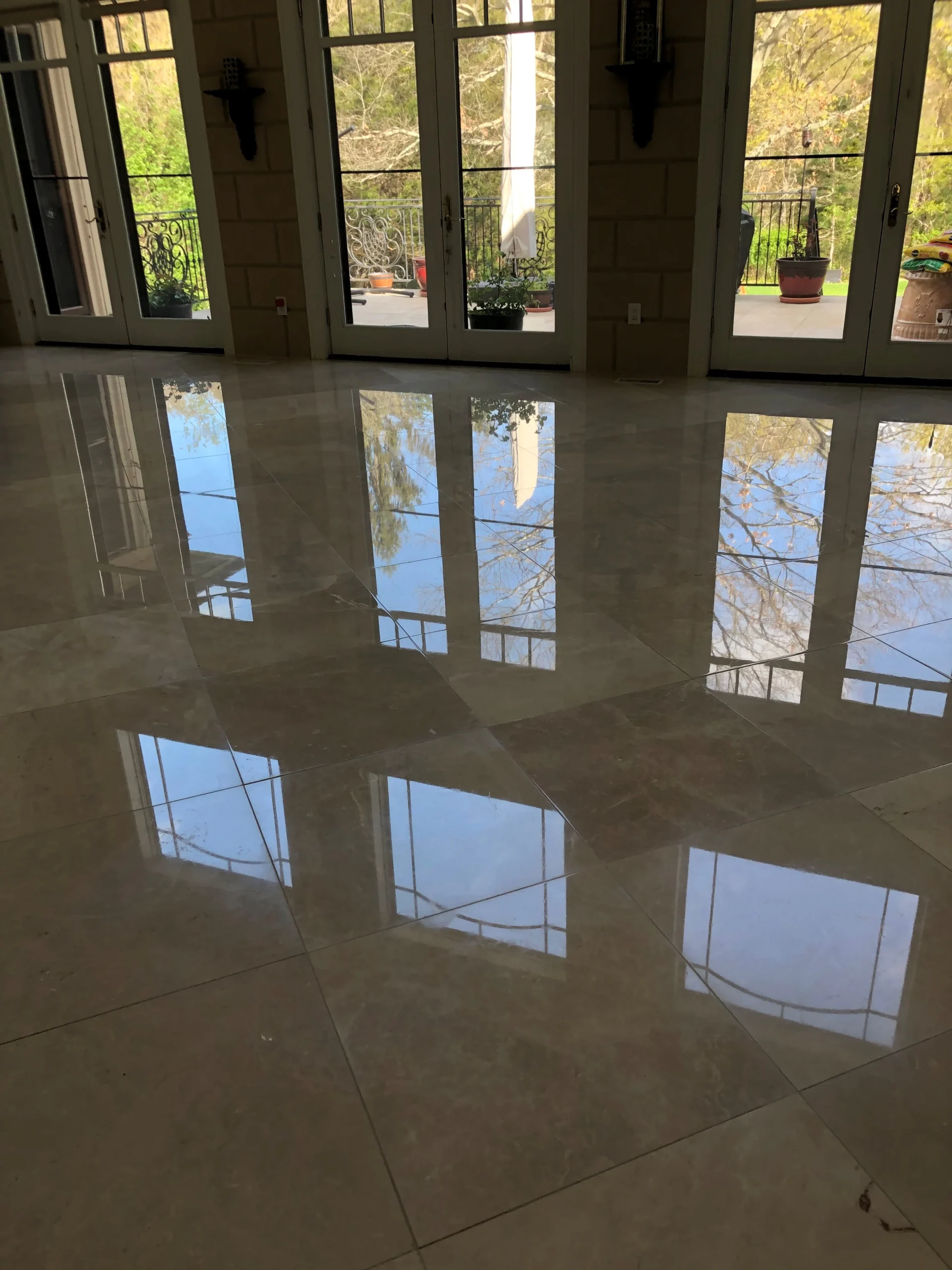
Professional marble restoration typically runs between $5 and $15 per square foot depending on the condition of your floors and what needs to be done. If you’re dealing with heavy etching, deep scratches, or decades of neglect, you’re looking at the higher end of that range.
That’s still a fraction of what replacement costs. New marble installation on Long Island runs anywhere from $70 to $190 per square foot—and that’s assuming you can even find marble that matches what you currently have. In most cases with historic homes, you can’t.
The real cost isn’t just financial. It’s about losing original features that can’t be replicated. Once you rip out century-old marble, it’s gone. You’re not getting that back. Restoration preserves what you have while giving you results that last 10 to 15 years when properly maintained. We give you transparent pricing upfront so you know exactly what you’re paying before any work starts.
Yes. That’s actually our specialty. The older and more challenging the floor, the better the project is for us.
Century-old marble requires a different approach than modern stone. The installation techniques were different. The finishing methods were different. Even the marble itself often came from quarries that don’t exist anymore. You can’t just run a machine over it and hope for the best.
We’ve been restoring historic marble throughout Nassau and Suffolk Counties for over 25 years. That includes floors in Great River’s Tudor mansions from the 1880s and Gilded Age estates that have been standing since before the 1900s. The hand-finished surfaces in these homes had subtle variations that machine polishing destroys if you don’t know what you’re doing. Getting restoration right means understanding not just what the floor looks like now, but what it was supposed to look like when it was first installed. That’s the knowledge that comes from decades of working specifically with historic properties.
Most residential marble restoration projects take one to three days depending on the size of the area and the condition of the floors. We’re not talking about weeks of disruption where your bathroom or kitchen is out of commission.
The timeline depends on what we’re fixing. If it’s straightforward polishing and honing, that’s faster. If we’re addressing deep etching, repairing cracks, or correcting decades of damage from improper cleaning products, that takes longer.
Here’s what matters: we don’t rush the work to hit an arbitrary deadline. Your floors have been there for a century. They deserve to be restored correctly, not quickly. That said, we’re also not dragging out a project unnecessarily. You’ll know the timeline before we start, and we stick to it. This is an owner-operated business, so there’s direct accountability from start to finish. No subcontractors showing up whenever they feel like it.
Cleaning addresses surface dirt. Restoration addresses the actual damage in the stone—etching, scratches, dullness, and wear that’s accumulated over years or decades.
Most cleaning companies use products and techniques that can actually make the problem worse. Acidic cleaners create chemical reactions that dissolve marble and leave etch marks. Harsh abrasives scratch the surface. You end up with floors that look worse than when you started, and now you’ve got deeper damage to fix.
Restoration involves grinding, honing, and polishing the marble to remove damaged layers and bring back the original finish. It’s a skilled process that requires understanding the specific type of marble, how it was originally finished, and what techniques will work without destroying the character of a historic floor. The results from professional restoration last 10 to 15 years in residential settings. The results from basic cleaning last two to three years at best. That’s the difference between fixing the problem and covering it up temporarily.
Yes. Well-maintained original floors can increase property value by 3% to 25% according to the National Association of Realtors. Buyers pay premium prices for authentic, restored features—especially in areas like Great River where historic character is part of what makes these properties valuable.
Here’s why that matters: you’re not just maintaining floors. You’re preserving the original craftsmanship and materials that define your home’s character. When those features are gone, they’re gone forever. You can’t replicate hand-finished marble from the early 1900s with modern materials.
Restoration also signals to potential buyers that the home has been properly cared for. It shows that original features were valued and maintained rather than ripped out and replaced with something generic. In Great River’s real estate market—where the median home value sits around $840,400 and properties have significant historic value—that distinction matters. Buyers looking at homes in this price range aren’t looking for shortcuts. They’re looking for authenticity and quality. Restored original marble gives them both.
We specialize in marble restoration, but we also handle other natural stone and we’ve recently added concrete restoration and polishing to our services. What we don’t work with is porcelain.
The focus has always been on historic materials and challenging projects—the jobs other companies avoid because they’re too complicated or require too much specialized knowledge. That includes terrazzo, limestone, travertine, and other natural stones you’ll find in older homes throughout Great River and the surrounding areas.
Concrete restoration and polishing is a newer addition, but it fits with what we already do. A lot of historic properties have concrete elements that need professional attention, and the techniques overlap with stone restoration. If you’ve got a project that involves old materials, complex damage, or work that requires understanding how these surfaces were originally installed and finished, that’s what we’re set up to handle. The worse the condition, the better the project is for us.