

You’re looking at marble that’s lost its shine. Maybe it’s etched from years of the wrong cleaners. Maybe it’s scratched from foot traffic. Either way, you’re wondering if you need to rip it out and start over.
You don’t. Professional marble floor restoration costs a fraction of replacement—we’re talking 70-80% less than new installation. And it’s faster. Most residential jobs take less than two days, not the weeks of disruption that come with tearing out and replacing floors.
The result? Your original marble looks the way it did when it was first installed. That means the authentic character stays intact, your property value goes up instead of sideways, and you avoid the headache of demolition, disposal, and downtime. Restoration isn’t a band-aid. When it’s done right, it lasts 10-15 years in normal residential use—longer than you’d get from basic cleaning services that don’t actually fix the damage.
High Definition Marble Restoration Inc has worked on marble floors throughout Nassau and Suffolk Counties for over 25 years. We’re owner-operated, which means the person who quotes your job is the same person overseeing the work. No subcontractors. No handoffs.
We specialize in historic floor restoration—the kind of work that requires understanding how century-old marble behaves differently than modern installations. Flanders and the surrounding Long Island area have plenty of homes with original marble from the early 1900s, and those floors need someone who knows what they’re dealing with. The New York Times featured our work back in 2001 because we take on the tough jobs—the ones other companies walk away from.
You get transparent pricing before we start, direct communication throughout the project, and results that respect the original craftsmanship of your floors.
First, we assess your floors in person. Not every marble floor needs the same approach, and we’re not going to sell you services you don’t need. We’ll tell you what’s restorable, what’s not, and what it’ll cost before any work begins.
Once we start, the process depends on your floor’s condition. For dull or lightly scratched marble, we use diamond abrasives to remove surface damage and restore the polish. For deeper issues—etching, staining, or significant wear—we go through a multi-step grinding and honing process that removes damaged layers and rebuilds the surface from scratch.
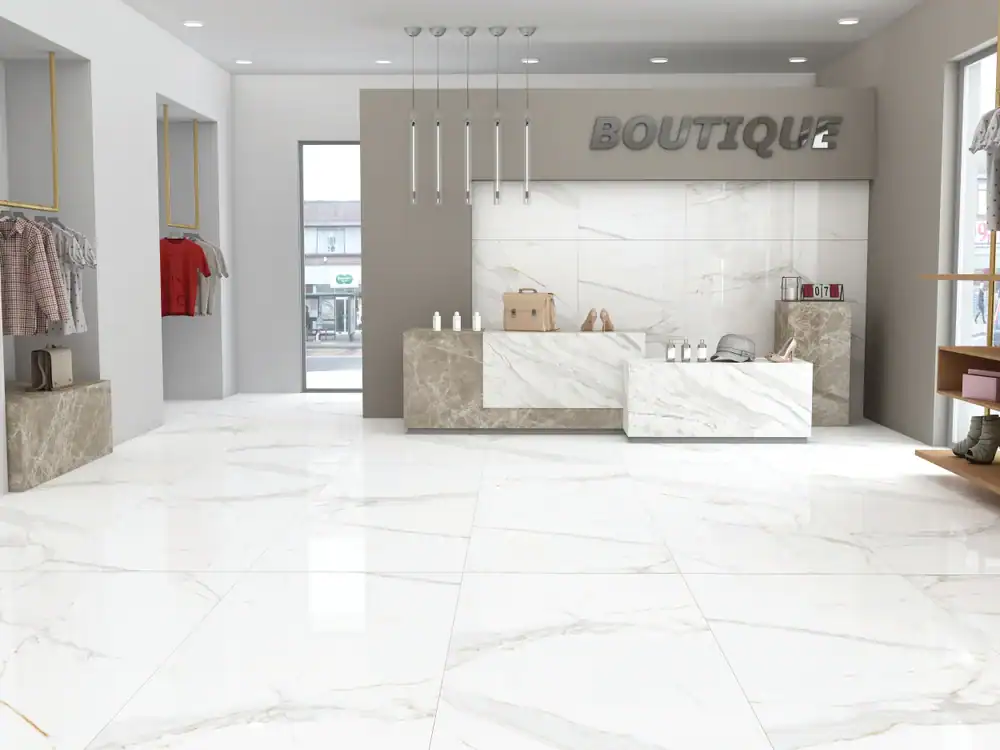
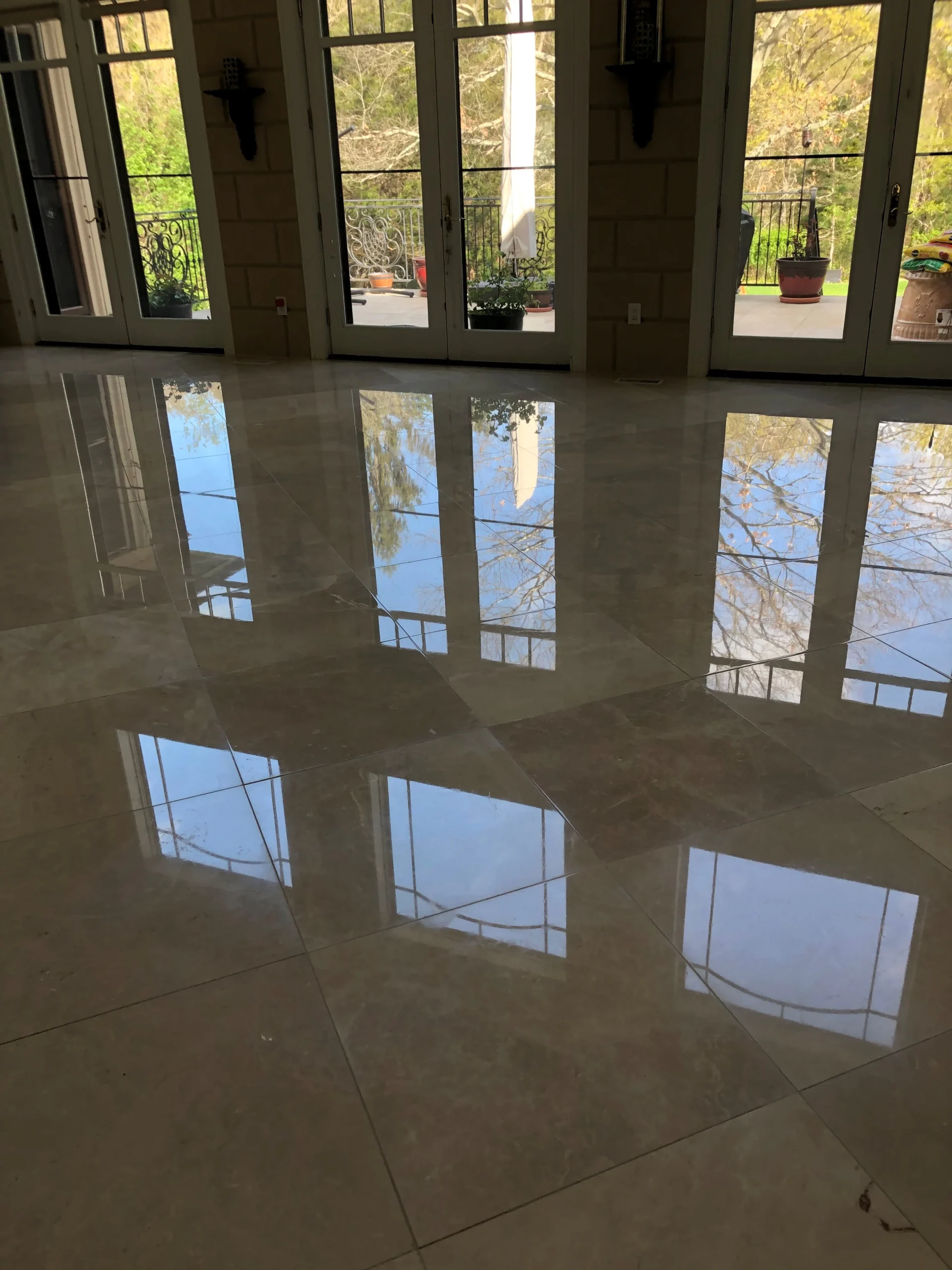
We finish with a high-gloss polish that brings back the reflective quality marble is known for. If your marble needs sealing, we use products that are compatible with historic installations—not modern shortcuts that cause problems down the line. Most jobs wrap up in one to two days, and you’re left with floors that look original because they are original.

Ready to get started?
Marble floor restoration isn’t just polishing. It’s a complete process that addresses the specific damage your floors have accumulated over decades of use.
We handle etching—the dull spots caused by acidic cleaners or spills that eat into the marble’s surface. We remove scratches from foot traffic, furniture, and abrasive dirt tracked in over the years. We address staining, whether it’s from water, oil, or other substances that have penetrated the stone. And we restore the finish, bringing back the high-gloss shine that makes marble floors a showpiece.
For Flanders homeowners, there’s an added challenge: Long Island’s mineral-rich water. Calcium and magnesium deposits leave chalky residue and water marks that look permanent but aren’t—if you know how to remove them without damaging the marble further. We do. We also offer bathroom floor restoration, which involves the same process but accounts for the unique wear patterns and water exposure that bathroom marble faces.
If you’ve got concrete floors that need attention, we handle that too. Polished concrete has become one of the fastest-growing flooring trends, and our process transforms ordinary concrete into a glossy, marble-like surface at a cost-effective price.
Marble restoration typically costs $5 to $25 per square foot depending on the extent of damage and the restoration method needed. Minor polishing for dullness runs on the lower end. Comprehensive restoration involving grinding, honing, and sealing costs more but still saves you 70-80% compared to replacement.
New marble installation in the Long Island area runs $70 to $190 per square foot when you factor in demolition, disposal, materials, and labor. That’s not counting the weeks of disruption or the loss of your original floors’ character and authenticity. Restoration preserves what you have, costs a fraction of replacement, and typically wraps up in under two days for most residential projects.
The financial benefits go beyond the initial savings. Well-maintained original marble floors can increase property value by 3-5%, especially in historic homes where buyers specifically seek authentic period details. You’re not just saving money—you’re protecting an investment.
Etching is fixable. It looks permanent because it’s actual damage to the marble’s surface—acidic substances chemically react with the calcium carbonate in marble and dissolve the top layer. That creates the dull, sometimes rough spots you’re seeing.
The fix involves removing the damaged layer through a process called honing, which uses progressively finer diamond abrasives to grind away the etching and create a smooth, even surface. Once the damaged layer is gone, we polish the marble back to a high-gloss finish. The result looks original because it is—you’re just seeing a fresh layer of the same marble that’s always been there.
This is different from cleaning or topical treatments, which don’t address the actual damage. A lot of homeowners try DIY fixes or hire cleaning companies that make the problem worse by using harsh chemicals or abrasive scrubbing. Proper restoration removes the damage at the source, and when it’s done right, those spots don’t come back unless you expose the marble to the same acidic conditions again.
Professional marble restoration lasts 10-15 years in residential settings with normal use and proper maintenance. That’s significantly longer than the 2-3 years you’d get from basic cleaning services that don’t actually restore the marble’s surface.
The longevity depends on a few factors. High-traffic areas like entryways and kitchens wear faster than low-traffic spaces. The type of marble matters too—some varieties are harder and more durable than others. And maintenance plays a role. If you go back to using acidic cleaners or harsh chemicals, you’ll damage the restored surface just like you damaged the original.
We give you clear guidance on how to care for your floors after restoration. That includes which cleaners are safe, how to address spills before they cause etching, and when to call for professional maintenance. The goal isn’t just to restore your marble once—it’s to give you floors that stay beautiful for years without needing constant intervention.
Historic marble installations—common throughout Long Island’s older homes—require different approaches than modern marble work. The original craftsmen used techniques and materials that modern restoration has to respect to get lasting results.
Century-old marble often has unique characteristics: different mineral compositions, hand-finished surfaces, and installation methods that modern techniques can damage if you’re not careful. The mortars used were typically lime-based, and the sealing compounds were specific to that era. Using incompatible modern products can create chemical reactions that accelerate deterioration instead of preventing it.
We’ve worked on marble floors throughout Nassau and Suffolk Counties for over 25 years, including many historic properties with original installations from the early 1900s. That experience taught us how to identify the specific needs of older marble and match our restoration methods to the original materials. It’s not about making old marble look modern—it’s about bringing it back to the way it looked when it was first installed, using processes that won’t cause problems five years down the line.
Polishing alone removes minor surface scratches and restores shine to dull spots, but deeper scratches and significant damage require honing before polishing. Think of it this way: polishing is the final step that brings out the shine, but it only works if the surface underneath is smooth and even.
For light wear—the kind of dullness that develops in high-traffic areas from daily use—polishing with diamond abrasives can restore the reflective finish without more intensive work. But if your marble has deep scratches, etching, or uneven wear patterns, we need to grind away the damaged layer first through a process called honing. That creates a fresh, level surface that polishing can then bring to a high gloss.
A lot of homeowners try to polish their way out of deeper damage and end up frustrated when it doesn’t work. The scratches are too deep for polishing to reach, or the etching has created texture that polishing can’t smooth out. We assess your floors and tell you exactly what’s needed—no upselling, no guessing. If polishing will do the job, that’s what we recommend. If it won’t, we explain why and what will actually fix the problem.
Yes. We provide free, no-obligation quotes for all marble restoration projects in Flanders and throughout Nassau and Suffolk Counties. The quote process involves an in-person assessment of your floors because every job is different, and we’re not going to give you a number over the phone that turns out to be wrong.
During the assessment, we look at the type of marble you have, the extent of damage, the square footage, and any specific challenges your floors present. We’ll tell you what’s restorable, what’s not, and what the work will cost before we start. You get transparent pricing upfront—no surprises, no hidden fees, no pressure.
The owner handles quotes personally, which means you’re talking to the person who’ll oversee your project, not a salesperson who hands your job off to someone else. That direct communication continues throughout the work. You’ll know what’s happening, when it’s happening, and what to expect after we’re done. If you’re ready to see what restoration can do for your marble floors, call us or request a quote online.