You’re looking at floors that have survived decades in a waterfront home. They’ve endured Long Island’s hard water, salt air, and probably a few well-meaning cleaning attempts that did more harm than good. Now they’re dull, scratched, maybe even cracked in places.
Replacement means ripping out irreplaceable materials that you can’t buy anymore. It means weeks of contractors, dust everywhere, and costs that easily hit $20,000 or more for a decent-sized floor. Then you’re left with something new that doesn’t match the rest of your home’s character.
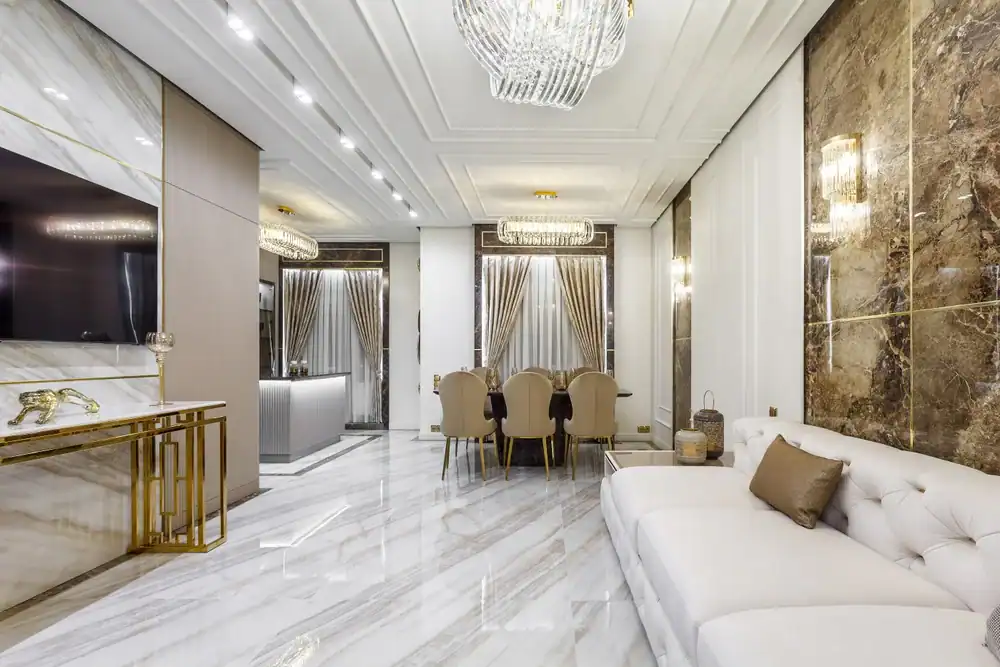
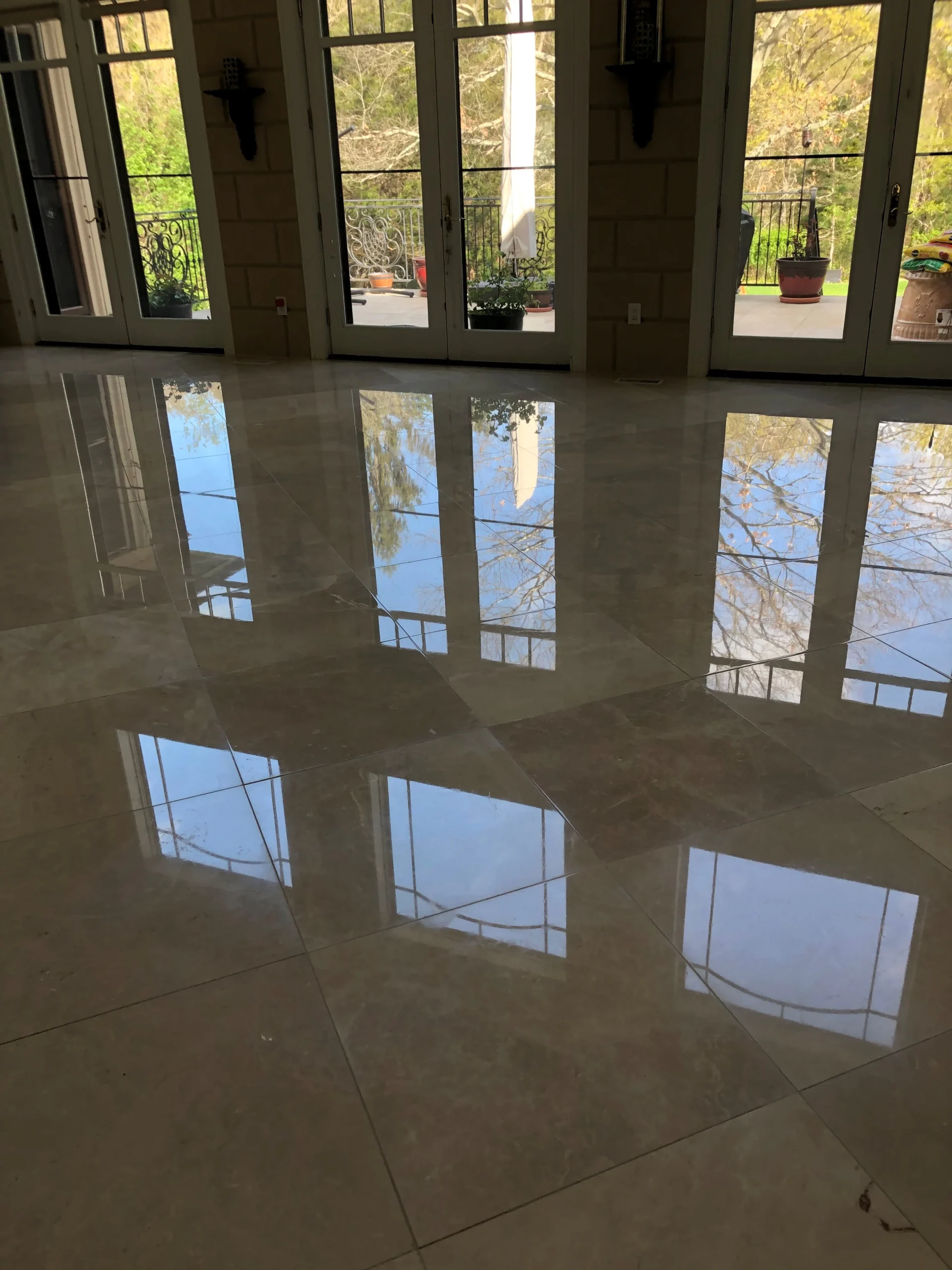
Restoration brings back the original surface. We’re talking about the same marble that was installed when your house was built—ground down past the damage, honed smooth, polished to the finish it had decades ago. The process takes days, not weeks. Most jobs run under $5,000. And when we’re done, you can walk on it immediately.
Your floors look like they did before years of wear set in. The difference is dramatic enough that people notice. And you’ve kept the authentic materials that make historic Eatons Neck homes worth what they are.
We’ve been restoring historic floors across Nassau and Suffolk Counties since 1998. The New York Times featured our work back in 2001, but what matters more is that we’re still here, still owner-operated, and still taking on the projects that make other contractors nervous.
Century-old marble from Gold Coast estates. Badly damaged surfaces that look beyond saving. Complex restoration work where you need someone who actually knows what they’re doing. That’s what we prefer. The worse the floor, the better we like it.
You’re not dealing with a crew that showed up last year. When you call, you talk directly to the person doing the work. No sales team. No subcontractors. Just someone who’s been doing this for over 25 years and knows exactly what your floors need.
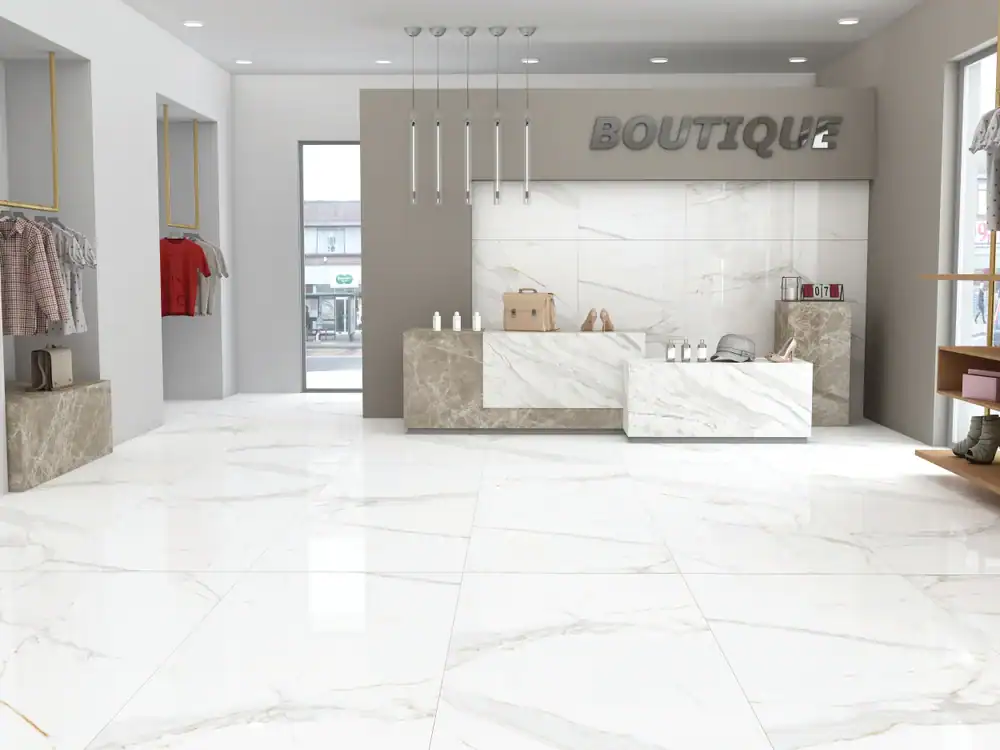
First, we assess the damage. Not every floor needs the same level of work, and we’re not going to sell you services you don’t need. Some floors just need polishing. Others need complete restoration with crack repair and deep grinding.
If your marble needs full restoration, we start by grinding away the damaged surface layer. This removes scratches, etching from acidic cleaners, and any discoloration that’s penetrated the stone. We’re taking it down to fresh marble—the same material that’s been there all along, just below the wear.
Then we hone it smooth using progressively finer abrasives. This is where the surface starts to transform from rough stone back to polished marble. We control the finish level based on what you want and what works best for your specific marble type.
The final polish brings out the deep shine. We’re not coating it with anything—this is the stone’s natural finish. Then we seal it properly to protect against Long Island’s hard water and daily wear.
The whole process is 99% dust-free. Most jobs finish in four days or less. You can use the floor as soon as we’re done.

Ready to get started?
You get complete restoration, not just surface cleaning. We handle crack repairs using color-matched materials so they blend invisibly. Deep scratches and etching get ground out entirely. Stains from hard water and improper cleaning products are removed at the source, not just covered up.
Eatons Neck’s location creates specific challenges. You’re surrounded by water on almost all sides, which means salt air and humidity. Nassau County’s mineral-rich water leaves calcium and magnesium deposits that react with marble over time. If these aren’t addressed correctly, they cause permanent discoloration.
We’ve been working with these exact conditions for 25 years. We know which techniques work on Long Island marble and which ones cause more problems. We know how to handle the types of marble commonly installed in homes built between 1940 and 1969—the era when most Eatons Neck properties were constructed.
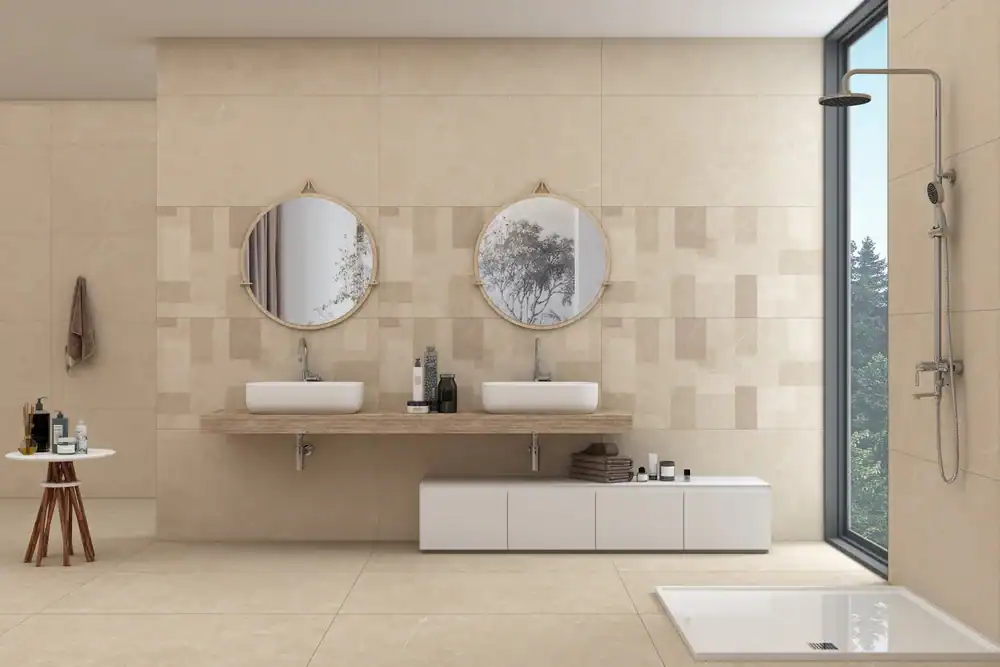
Bathroom floor restoration gets the same attention as your main living spaces. Smaller areas still need proper technique, especially around water exposure. We treat every square foot like it matters, because it does.
Professional marble restoration typically runs $2-3 per square foot for most residential projects. A 200 square foot entryway costs around $400-600 to restore. Full replacement of that same space starts around $4,000 and can easily exceed $10,000 once you factor in demolition, disposal, new materials, and installation.
The math gets more dramatic on larger floors. A 500 square foot living area might cost $1,000-1,500 to restore versus $10,000-25,000 to replace with comparable quality marble.
But cost isn’t the only factor. Replacement means losing original materials you can’t get anymore. If your home was built during Eatons Neck’s development era, that marble likely came from quarries that don’t exist now. You’re not just saving money with restoration—you’re preserving authenticity that directly affects your property value in a market where buyers pay premiums for original historic features.
Most residential marble restoration projects take between two and four days depending on the floor’s size and condition. A typical entryway or bathroom might be done in a day or two. Larger living spaces or floors that need extensive repair work take longer.
You can walk on the floor immediately after we finish. There’s no drying time or curing period. The sealer we apply penetrates the stone and sets up quickly, so your floor is ready to use as soon as we pack up.
The disruption is minimal compared to replacement, which typically takes two to three weeks and requires you to avoid entire sections of your home. Our process is 99% dust-free, so you’re not dealing with marble dust settling on everything in your house. We work in contained areas and most homeowners are surprised by how clean the process is.
Yes. Actually, severely damaged floors are exactly what we prefer to work on. The worse the condition, the more dramatic the results—and the more our experience shows.
We’ve restored century-old marble from original Gold Coast estates and early 1900s installations throughout Long Island. Age isn’t the problem. Even deep scratches, cracks, severe etching from acidic cleaners, and staining from decades of hard water exposure can be addressed.
The key is having enough thickness in the marble to grind past the damage. Most historic marble floors were installed thick enough that we can remove significant surface damage and still have plenty of material left. We assess this before starting work, but it’s rare that a floor is too far gone to restore. What looks ruined to most people is usually just surface damage sitting on top of perfectly good marble. That’s what we remove.
Nassau County’s water is loaded with calcium and magnesium. When that water sits on marble—especially in bathrooms or entryways where wet shoes track in—it leaves mineral deposits. Over time, these react with the marble and create dull spots or permanent discoloration if not properly addressed.
We don’t just clean these deposits off the surface. During restoration, we grind past the layer where minerals have penetrated the stone. Then we seal the marble with products specifically chosen for hard water environments. This creates a barrier that prevents future mineral absorption.
We also explain proper maintenance for Long Island conditions. The cleaning products that work fine in other areas will destroy marble here. Simple pH-neutral cleaners and immediate water cleanup prevent most problems. But even with perfect maintenance, Long Island marble eventually needs professional restoration—usually every 10-15 years in low-traffic residential areas. That’s just the reality of waterfront living with mineral-rich water.
Polishing is the final step of restoration—it’s what creates the shine. But polishing alone only works if your marble’s surface is still in good condition. If you just have some dullness and very minor wear, polishing might be enough.
Full restoration includes grinding, honing, and polishing. Grinding removes damaged surface material—scratches, etching, stains that have penetrated the stone. Honing smooths the surface using progressively finer abrasives. Polishing brings out the final shine and depth.
Most floors that haven’t been professionally maintained in years need full restoration, not just polishing. If someone polishes a scratched or etched surface without grinding first, you’ll have shiny scratches and shiny etching. The damage is still there, just glossier. That’s why cleaning companies that offer “marble polishing” often disappoint—they’re skipping the actual restoration work and just buffing the surface. It looks slightly better for a few months, then the underlying damage shows through again.
In Eatons Neck’s market, original historic features directly affect property value. Your median home price is $1.2 million and climbing. Buyers at that level notice details. They’re specifically looking for well-maintained historic character in waterfront properties.
Restored original marble floors signal that a home has been properly cared for. They’re a tangible example of preservation over replacement. Real estate data shows that well-maintained original floors can increase property value by 3-5%, with potential buyers paying premium prices for authentic restored features versus modern replacements.
But beyond the numbers, it’s about market positioning. Eatons Neck attracts buyers who value the area’s history—the Gold Coast legacy, the century-old estates, the architectural character. When you preserve original materials instead of ripping them out, you’re maintaining exactly what makes these properties desirable. Replacement floors might look nice, but they don’t carry the same weight with buyers who chose this neighborhood specifically for its historic authenticity.