

You’re looking at floors that have been walked on for a hundred years. They’ve absorbed water, settled with the house, developed cracks and dull spots that no amount of mopping will fix. That doesn’t mean they’re done.
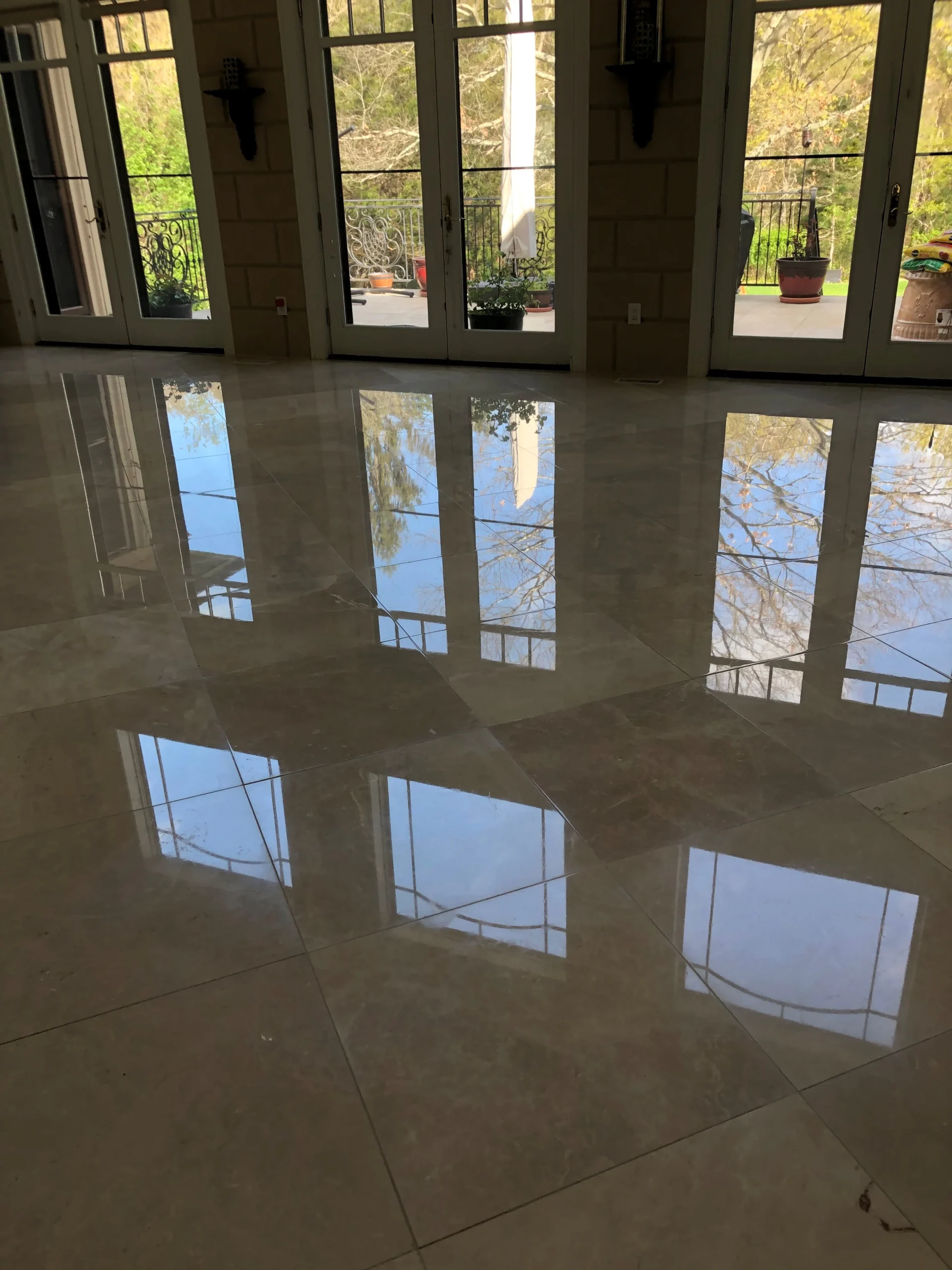
Restoration brings back the depth and clarity those floors had when they were first installed. The shine returns. The color evens out. Small cracks get filled and polished so they practically disappear.
And you keep the original material. That matters in East Hampton North, where so many homes date back to the early 1900s and Gilded Age construction. Replace them and you lose that authentic character forever. With the right expertise, those floors can look stunning again, often for far less than replacement costs.
High Definition Marble Restoration Inc has spent over 25 years working on the kinds of floors most companies won’t touch. The owner oversees every project personally, which means you’re getting someone who’s seen hundreds of historic marble floors and knows exactly what each one needs.
We were featured in the New York Times back in 2001 for our restoration work, and we’ve been serving Nassau and Suffolk County properties ever since. East Hampton North has plenty of historic estates with original marble installations, and we’ve worked on many of them.
You’re not getting a crew that learned marble polishing last year. You’re getting decades of hands-on experience with materials and techniques that aren’t common anymore.
First, we assess the floor in person. Age brings complexity, and complexity requires expertise to address properly. We’re looking at the condition of the marble itself, any structural settling, water damage, cracks, lippage between tiles, and how the original installation was done.
Then we map out the restoration process. That usually means grinding down uneven spots, filling cracks with color-matched epoxy, honing the surface to remove etching and dullness, and polishing it back up to the finish level you want. Each step is done with equipment and compounds specifically chosen for your floor’s age and condition.
The space gets masked and protected throughout. We’re disciplined about cleanup because we know you’re living in the house or preparing it for guests. When we’re done, the floor looks like it did decades ago, but it’s sealed and protected for the years ahead.
You get a transparent quote before we start, and the owner stays involved from start to finish. No surprises, no subcontractors who don’t know what they’re doing.

Ready to get started?
Every restoration project covers grinding, honing, polishing, and sealing. We also handle crack repair, lippage correction, and stain removal when the marble allows for it. If your floors have been coated with wax or topical sealers over the years, we strip all that off first so we’re working with the actual stone.
In East Hampton North, we see a lot of water damage in basement and ground-level marble, especially in homes near the water. Humidity and occasional flooding leave their mark. We address that during restoration and apply penetrating sealers that give you better protection going forward.
If you’ve got historic marble in bathrooms, entryways, or kitchens, we can restore those too. The process adjusts based on the location and how much wear the surface has seen, but the outcome is the same: a floor that looks original again.
We also offer concrete polishing now for clients with modern flooring who want that same high-end finish. But our real expertise is in the old stuff—the marble floors that were installed with craftsmanship you don’t see anymore.
Restoration typically costs a fraction of what you’d pay to remove and replace historic marble. Replacement means demo, disposal, new material, new installation, and dealing with the mess for weeks. You’re easily looking at tens of thousands of dollars depending on square footage.
Restoration keeps the original floor in place and brings it back to life through grinding, polishing, and sealing. Most projects cost significantly less because you’re not paying for new stone or the labor to rip everything out.
And here’s what replacement can’t give you: the original marble. If your home in East Hampton North has century-old floors, that material isn’t available anymore. The quarries have changed. The installation methods have changed. Once it’s gone, it’s gone.
Yes. Cracks are common in older marble floors, especially in homes that have settled over time. We fill them with color-matched epoxy, then grind and polish the repair so it blends in with the surrounding stone. You’ll know it’s there if you look closely, but it won’t be obvious.
Water damage is trickier. If the marble has been stained by prolonged moisture exposure, we can often remove or significantly lighten the staining during the honing process. If the damage goes deep into the stone or has caused structural issues with the subfloor, we’ll tell you that upfront.
In Nassau and Suffolk County, especially near coastal areas, water damage is something we see regularly. The key is addressing it before it gets worse. Sealing the floor after restoration gives you a better chance of preventing future damage.
Most residential projects take anywhere from two to five days depending on the size of the floor and the condition we’re starting with. A small entryway might be done in a day or two. A large foyer or multiple rooms will take longer.
The process can’t be rushed. Each step—grinding, honing, polishing—needs time to be done right, and the floor needs to be clean and dry before we move to the next stage. We’ll give you a timeline during the estimate so you know what to expect.
If you’re preparing a summer home in East Hampton North for the season, plan ahead. We can work around your schedule, but the floor will be out of commission while we’re working on it. Once we’re done, it’s ready to walk on immediately.
Yes. Scratches, etching, and dullness all come out during the restoration process. We start by grinding the surface down to remove the damaged layer, then hone it smooth, and finally polish it back up to a high shine.
Light scratches disappear completely. Deeper scratches may take more aggressive grinding, but they’ll still come out. Etching from acidic spills—common in kitchens and bathrooms—gets honed away during the process.
Dull spots are usually caused by wear patterns or old wax buildup. Once we strip the floor down to bare marble and polish it properly, the whole surface reflects light evenly again. That’s when you see the true color and depth of the stone. It’s a dramatic difference, especially on floors that haven’t been professionally maintained in years.
We specialize in marble, but we also restore other natural stone floors like limestone, travertine, and terrazzo. Each material has different hardness and porosity levels, so the process adjusts accordingly. Marble takes a high polish. Limestone usually stays in a honed finish. Terrazzo gets polished similarly to marble but requires different tooling.
We’ve also added concrete polishing to our services for clients with modern flooring who want a sleek, polished finish. But our real expertise is in historic stone restoration—the floors that have been in place for decades and need someone who understands how they were originally installed.
We don’t work with porcelain or ceramic tile. If it’s natural stone or concrete, we can handle it. If you’re not sure what your floor is made of, we’ll identify it during the assessment.
Maintenance is straightforward. Use a pH-neutral cleaner and avoid anything acidic like vinegar or lemon-based products. Those will etch the marble and dull the finish over time. A damp mop and mild soap are all you need for regular cleaning.
We seal the floor after restoration, which gives you some protection against staining and moisture. That seal doesn’t last forever—it typically needs to be reapplied every few years depending on traffic and use. We can handle that for you, or you can do it yourself with the right product.
For seasonal homes in East Hampton North, it’s smart to have the floors cleaned and sealed before closing up for the winter and again before summer. That keeps them protected during the off-season and ready for guests when you return. Small scratches and wear will happen over time, but a professional polish every several years keeps the floor looking sharp.