You’re not looking at dull marble because it’s old. You’re looking at damage—years of wrong cleaners, harsh chemicals, and people who didn’t know what they were doing.
Most of the marble floors in Centre Island’s Gold Coast estates were installed during the early 1900s using techniques and materials that aren’t replicated today. That means restoration isn’t just about making them shiny again. It’s about understanding the original finish, the stone composition, and how decades of Long Island’s coastal humidity have affected the surface.
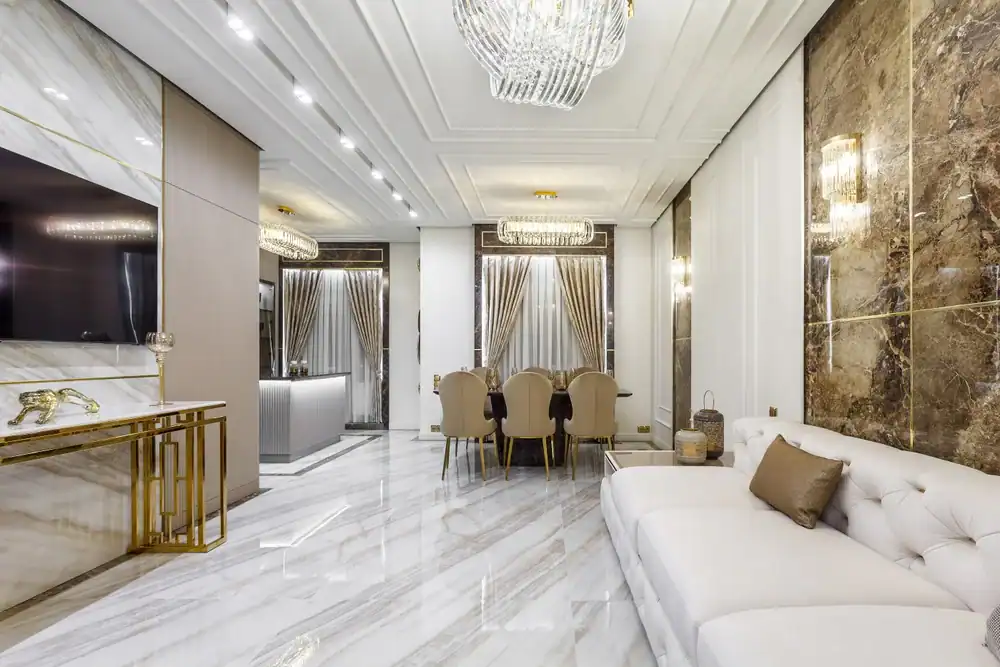
When the job’s done right, you’re not just getting a polished floor. You’re getting the floor back—the way it was meant to look, with depth and clarity that actually increases your property value by 3-5%. And you’re keeping the irreplaceable character that makes your home what it is.
High Definition Marble Restoration Inc has spent over 25 years restoring historic floors throughout Nassau and Suffolk Counties. The New York Times featured our work in 2001, but what matters more is that we’re still here—still owner-operated, still taking on the projects that other companies won’t touch.
Centre Island’s 200 historic estates represent some of the most significant residential architecture on Long Island’s Gold Coast. We’ve worked on floors that have been walked on for a century, and we understand what it takes to bring them back without destroying what makes them special.
You’re not hiring a crew. You’re working directly with someone who knows the difference between marble that’s been properly restored and marble that’s just been buffed to look shiny for a few months.
First, we come out and look at what you’re dealing with. Not every floor needs the same approach, and we’re not going to sell you work you don’t need. You get a free quote with transparent pricing—you know exactly what you’re paying before we start.
If the floor’s been damaged by improper cleaning or harsh chemicals, we start with honing to remove etching and restore the surface. Then we move through progressive polishing stages, each one bringing back more clarity and depth. For historic marble, this process requires understanding the original finish level and matching it—not just cranking it to high gloss because that’s easier.
Most jobs take less than two days. You’re not dealing with weeks of disruption or subcontractors who don’t show up. The owner oversees every project, so there’s direct accountability from start to finish. When we’re done, you’ll know how to maintain it properly—because the worst thing you can do is get a professional restoration and then go back to using the wrong cleaners.

Ready to get started?
Marble floor restoration means removing damage, not covering it up. We handle scratches, etching from acidic cleaners, dullness from wear, and staining that’s penetrated the stone. For bathroom floor restoration, we address the specific issues that come from constant moisture exposure—something that’s particularly relevant in Centre Island’s coastal environment.
We also restore and polish concrete surfaces, which is a newer service but uses the same precision approach. Whether it’s original marble from 1920 or a concrete floor you want brought to a polished finish, the process is about understanding the material and what it needs.
Nassau County’s historic properties often have multiple types of stone throughout the home. We work with marble, terrazzo, limestone, and travertine—but not porcelain, because that’s a completely different skill set. If your floor can be restored, we’ll tell you. If it can’t, we’ll tell you that too.
What you won’t get is a cleaning company using harsh abrasives and calling it restoration. Stone can be ruined very easily by someone who doesn’t know what they’re doing, and there’s no shortage of people offering marble polishing services who shouldn’t be touching historic floors.
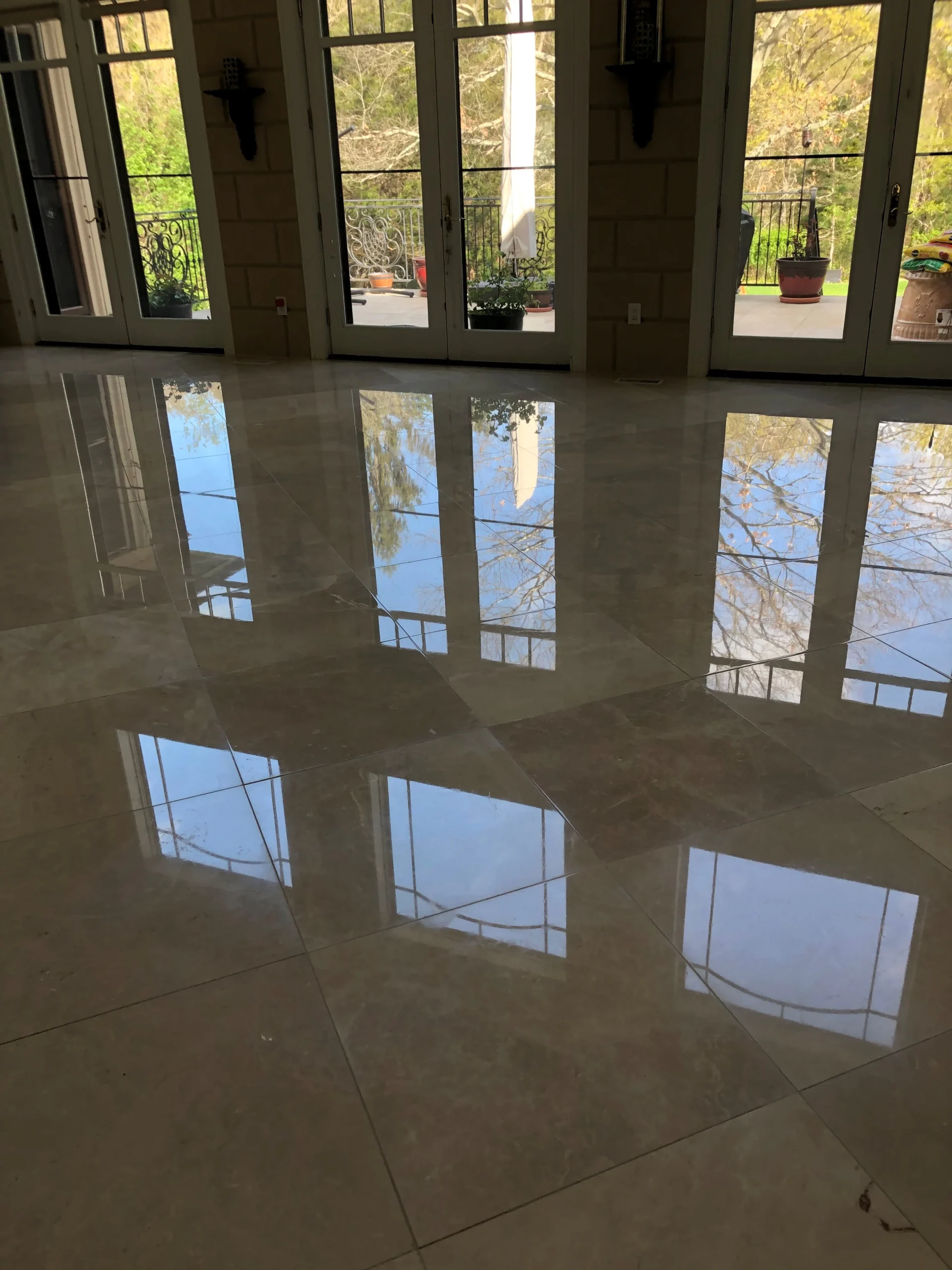
If the marble itself is intact—meaning it’s not cracked through, missing large sections, or structurally compromised—it can almost always be restored. What looks like permanent damage is usually surface-level etching, scratching, or dullness that can be honed and polished out.
The question isn’t whether it can be restored. It’s whether you want to restore it or rip it out and lose the original character of your home. For Centre Island’s historic estates, those floors were installed with craftsmanship and materials you can’t replicate today. Restoration is faster, more affordable, and keeps what makes your home special.
We’ll come out and give you an honest assessment. If there’s structural damage that makes restoration impractical, we’ll tell you. But in 25 years, that’s rare. Most of what homeowners think is “too far gone” is exactly the kind of project we do best.
Because most general cleaners are acidic, and acid eats through marble. Every time you use the wrong product, you’re etching the surface—dulling it further and creating a cycle where the more you clean, the worse it looks.
This is incredibly common in Nassau and Suffolk County because installers and previous owners rarely explain proper marble care. You’re not doing anything wrong by trying to maintain your floors. You just weren’t given the right information, and now you’re dealing with damage that compounds over time.
The fix isn’t a better cleaner. It’s restoration to remove the etching, followed by using pH-neutral products designed for natural stone. Once the surface is properly restored and you know how to maintain it, the floor will stay clear and polished with minimal effort. But you can’t clean your way out of etching—you have to remove it.
Most residential projects take less than two days. The timeline depends on square footage and the condition of the floor, but this isn’t a week-long ordeal. You’ll need to stay off the floor while we’re working and during the curing process if we apply a sealer, but the disruption is minimal compared to replacement.
We’re not tearing anything out, dealing with subfloor issues, or coordinating multiple trades. It’s a straightforward process: assess, hone, polish, seal if needed. Because the owner oversees every job, there’s no waiting around for subcontractors or dealing with delays.
For Centre Island homeowners, scheduling is usually the biggest concern—not the work itself. We give you a realistic timeline upfront, and we stick to it. You’re not going to get halfway through and find out it’s taking twice as long as quoted.
Polishing is the final step in restoration, but it’s not the whole process. If your marble is etched, scratched, or stained, polishing alone won’t fix it—you’ll just have shiny damage.
Restoration starts with honing, which removes the damaged surface layer and creates a uniform base. Then we move through progressive polishing stages to bring back clarity and depth. For historic floors, this also means matching the original finish level, which isn’t always high gloss. Some marble was installed with a honed or satin finish, and cranking it to mirror-shine would actually make it look wrong.
A lot of cleaning companies offer “marble polishing” and skip the honing step entirely because they don’t have the equipment or expertise. You’ll get a temporary shine that fades quickly because the underlying damage is still there. Real restoration addresses the damage first, then polishes properly. That’s the difference between a floor that looks good for a few months and one that lasts for years.
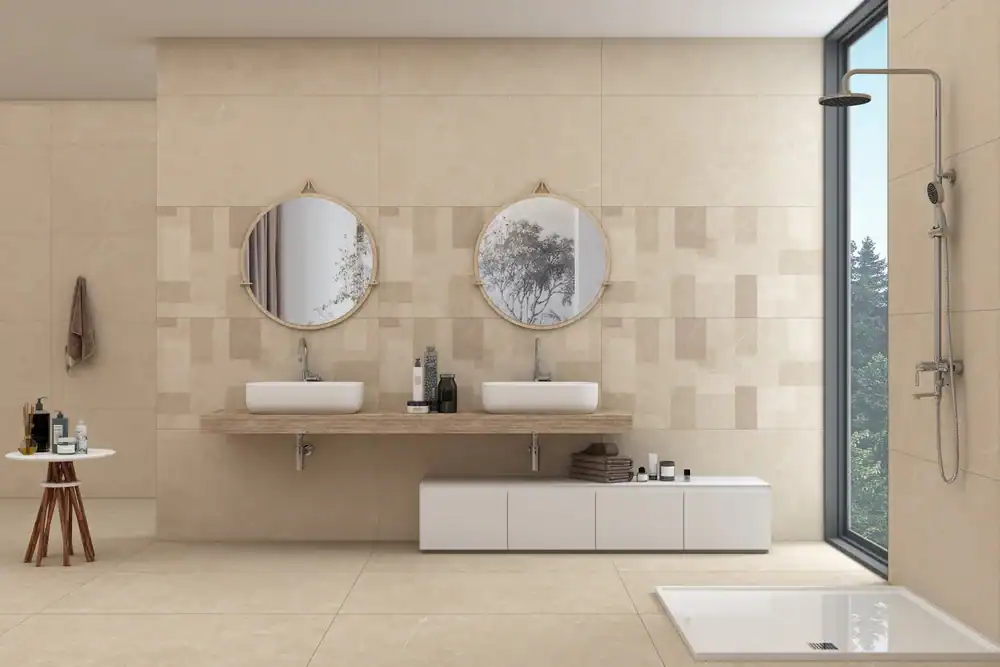
Bathroom floor restoration follows the same process, but the challenges are different. Bathrooms deal with constant moisture, soap residue, and cleaning products—all of which affect marble more aggressively than regular foot traffic.
In Centre Island’s coastal environment, humidity is higher year-round, which means bathroom marble is even more susceptible to etching and water damage. We address that by not only restoring the surface but also recommending the right sealer and maintenance approach for high-moisture areas.
The restoration process itself—honing, polishing, sealing—is the same. But the prep work and post-care are adjusted for the specific conditions of a bathroom. If you’ve got dull, stained marble around a shower or tub, it’s not ruined. It just needs someone who understands how to restore it properly and protect it going forward.
Restoration is faster, more affordable, and keeps the irreplaceable character of your home. Replacement means tearing out original materials, dealing with subfloor work, disposal, installation, and losing the craftsmanship that makes historic Centre Island estates what they are.
From a property value standpoint, well-maintained original floors increase value by 3-5%. Buyers pay a premium for authentic, restored features—especially in Gold Coast properties where the floors are part of the home’s history. Ripping them out and installing new stone doesn’t carry the same appeal.
The only time replacement makes sense is if the marble is structurally compromised, which is rare. In 25 years, we’ve seen floors that looked completely destroyed come back to better-than-new condition. If you’re on the fence, get a free quote and see what restoration actually costs compared to replacement. Most homeowners are surprised by how much they can save—and how much better the original floors look once they’re properly restored.