
You’re looking at a marble floor that’s seen better days. Maybe it’s the original installation from when your Calverton home was built decades ago. Maybe previous owners tried DIY fixes that made things worse. Either way, you’re wondering if restoration is even possible or if you’re stuck with replacement costs that could hit $70 to $190 per square foot.
Here’s what most people don’t realize: marble that looks beyond saving usually isn’t. Etching, scratches, dullness, even cracks—these are problems we see every week in Long Island’s historic homes. The difference between a floor that gets restored properly and one that gets damaged further comes down to who’s doing the work.
Professional marble floor restoration costs a fraction of replacement. More importantly, it preserves the authentic character that makes your home valuable. When you restore original marble correctly, you’re maintaining something that can’t be replicated with modern materials—and buyers know it.
High Definition Marble Restoration Inc has spent over two decades working on Long Island’s most challenging historic floors. We’re not a cleaning company that dabbles in marble. We’re specialists who focus specifically on restoration work that other contractors won’t touch.
The owner oversees every project personally. That means you’re getting direct expertise, not a crew that learned marble restoration last month. Our approach is straightforward: assess the damage honestly, explain what’s required to fix it, and complete the work without surprises.
Calverton’s historic homes—many built during Long Island’s estate era—feature marble installations that used techniques and materials different from modern approaches. We understand those differences. The Garden City Hotel has used our services exclusively for over 16 years, which tells you something about the quality of work we deliver when reputation matters.
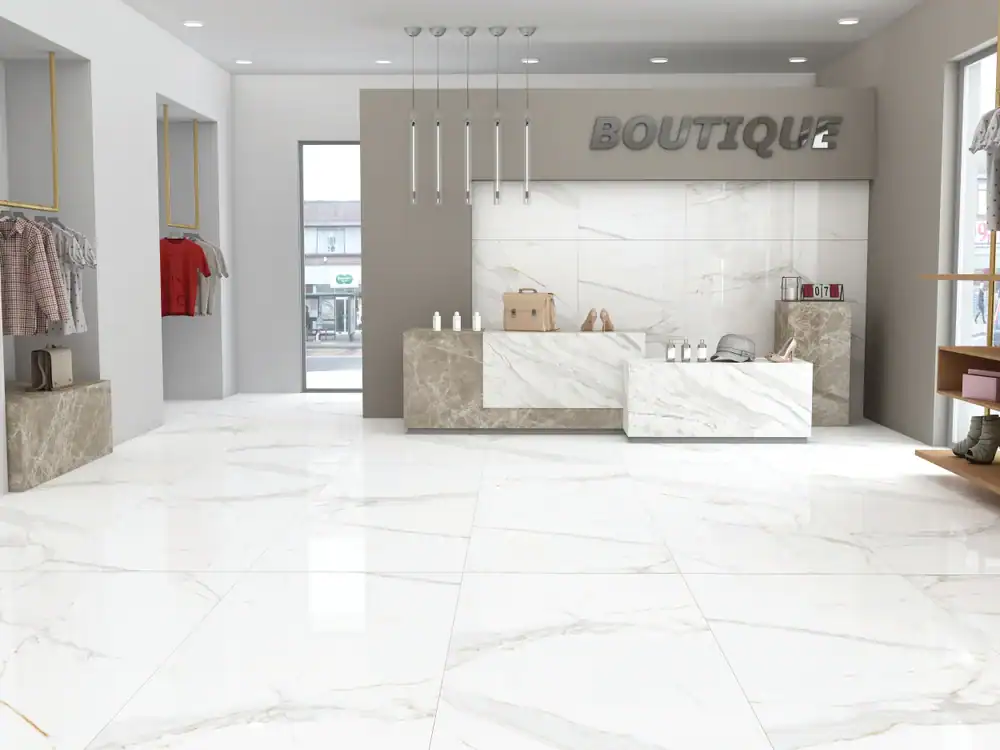
Marble restoration isn’t a one-size-fits-all process. What your floor needs depends on its current condition, the type of marble, and how it was originally installed. Here’s how we approach it.
First, we assess the damage. Scratches, etching, cracks, dullness—each issue requires specific techniques. We’re looking at the marble’s composition, checking for hidden defects that might cause problems during restoration, and determining whether we’re dealing with a simple polish or a full restoration. This evaluation is free, and it gives you a clear picture of what’s required.
Next comes the actual restoration work. For floors that just need polishing, we’re typically done in a day. For more extensive damage—deep scratches, severe etching, structural issues—we’re looking at two to three days depending on square footage. We use diamond abrasives in progressive grits, not harsh acids that eat away at the stone. The process is methodical: remove damage, refine the surface, polish to the finish level you want.
The final step is protection. We’ll walk you through proper marble floor care so your investment lasts. Most jobs wrap up faster than you’d expect, and we keep the space clean throughout. You’re not dealing with a construction zone for weeks.

Ready to get started?
When we restore your marble floor, you’re getting more than a surface polish. You’re getting a complete assessment of what’s wrong and what’s required to fix it permanently.
That includes crack repair using techniques appropriate for your marble’s age and composition. It includes removing etching caused by acidic cleaners or spills—damage that’s extremely common in bathrooms and kitchens. It includes leveling uneven areas where settling or previous repairs created height differences. And it includes bringing back the gloss level that matches the rest of your home’s character.
Calverton homeowners deal with specific challenges. Long Island’s coastal environment—salt air, humidity swings, temperature changes—accelerates wear on natural stone. Your marble might look worse than floors in other regions simply because of where you live. We account for those factors when planning restoration work.
You also get transparent pricing before work starts. No hidden fees for “unexpected” issues we should have caught during the initial assessment. Most marble restoration projects cost significantly less than replacement, and the results last for decades when maintained properly. Your property value benefits too—restored original marble can increase home value by 3% to 5%, especially in historic properties where buyers specifically seek authentic features.
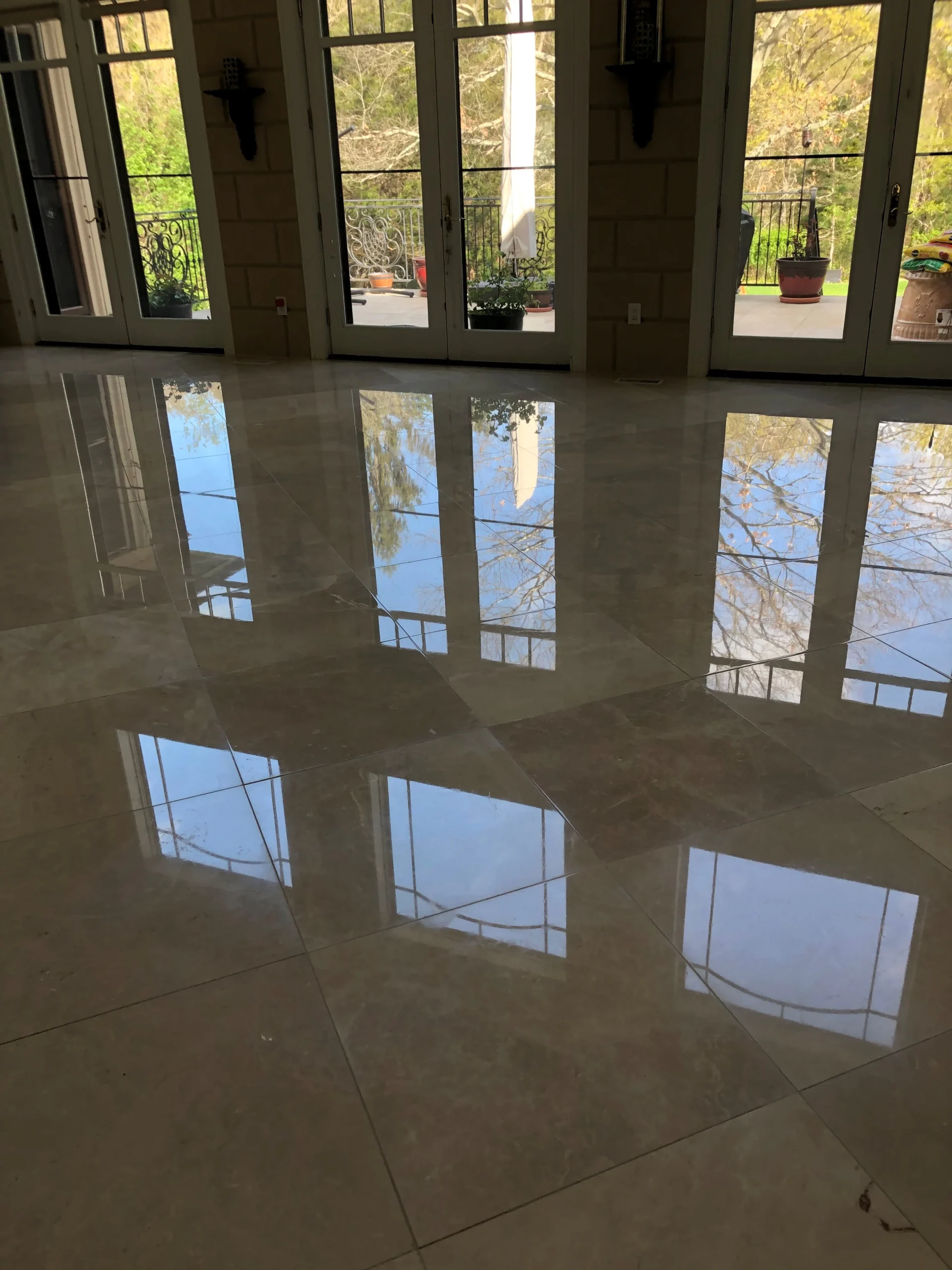
Most marble floor restoration projects take one to three days depending on the size of the area and severity of damage. A simple polish on a small entryway or bathroom might be done in a single day. A full restoration on a large foyer with significant etching, scratches, or cracks typically requires two to three days.
The timeline depends on what we’re fixing. Surface-level dullness responds quickly to polishing. Deep scratches require more aggressive grinding before we can polish. Crack repairs add time because we need to stabilize the marble, fill properly, and then blend the repair into the surrounding surface.
We’ll give you an accurate timeframe after the initial assessment. The owner oversees scheduling personally, so you’re not waiting weeks for an available crew. Most homeowners are surprised by how fast quality restoration happens when you’re working with specialists who do this daily.
Yes, significantly cheaper in most cases. New marble installation in the Long Island area runs $70 to $190 per square foot when you factor in materials, removal of existing flooring, substrate preparation, and installation labor. Professional marble restoration costs a fraction of that—often 60% to 80% less than replacement.
The cost difference gets even more dramatic when you’re dealing with historic marble. Original floors in older Calverton homes often feature marble varieties and installation techniques that aren’t available anymore. Replacing them means losing authentic character that buyers specifically look for in historic properties.
Restoration also avoids the disruption of full replacement. You’re not dealing with demolition, disposal, extended construction timelines, or the risk of discovering substrate issues once the old floor comes up. We restore what’s already there, preserve the home’s original character, and complete the work in days instead of weeks.
Yes, crack and chip repair is a core part of historic marble restoration. Century-old floors often have cracks that developed over decades—sometimes from settling, sometimes from hidden defects in the marble itself, sometimes from previous repairs done incorrectly.
The key is understanding what caused the crack before attempting repair. Some cracks indicate structural movement that needs to be addressed first. Others are simply natural defects in the marble that have expanded over time. We assess the cause, stabilize if necessary, and then repair using techniques appropriate for your marble’s age and type.
Chip repair works similarly. We fill the damaged area, blend it into the surrounding marble, and then polish everything to a consistent finish. Done correctly, repairs become nearly invisible. Done incorrectly—which happens often with inexperienced contractors—repairs stand out and can actually cause additional damage to surrounding areas. This is detail work that requires someone who’s done it hundreds of times, not a general contractor experimenting with your irreplaceable floor.
Marble polishing addresses surface-level dullness on floors that are otherwise in good condition. It’s the final step in restoration, but it’s not restoration itself. If your marble just looks hazy or has lost its shine from foot traffic and cleaning, polishing might be all you need.
Marble restoration is the full process: repairing damage, removing scratches and etching, leveling uneven areas, and then polishing to the desired finish. This is what’s required when you’re dealing with floors that have visible damage—deep scratches, acid etching, stains that have penetrated the stone, cracks, chips, or areas where previous DIY attempts made things worse.
Many cleaning companies offer “marble polishing” but don’t have the equipment or expertise for actual restoration. They can make a dull floor shiny, but they can’t fix real damage. If you’re dealing with anything beyond basic dullness, you need restoration work, not just polishing. We’ll tell you honestly which one your floor requires during the free assessment.
The vast majority of marble floors can be restored, even when they look beyond saving. We’ve worked on century-old floors in Calverton homes that owners assumed were ruined—deep scratches, severe etching, multiple cracks, areas where chunks were missing. Most of them were restorable.
The rare exceptions are floors with structural failure—where the substrate underneath has failed, where water damage has compromised the installation, or where the marble itself has deteriorated to the point that it’s crumbling. Even then, sometimes we can restore sections and replace only the truly unsalvageable areas.
Here’s the honest answer: you won’t know for certain until someone with real expertise evaluates it in person. Photos help, but they don’t tell the full story. We offer free assessments specifically so you can get a definitive answer about whether restoration is viable and what it would cost compared to replacement. Most homeowners are relieved to learn their floor can be saved—and at a fraction of replacement cost.
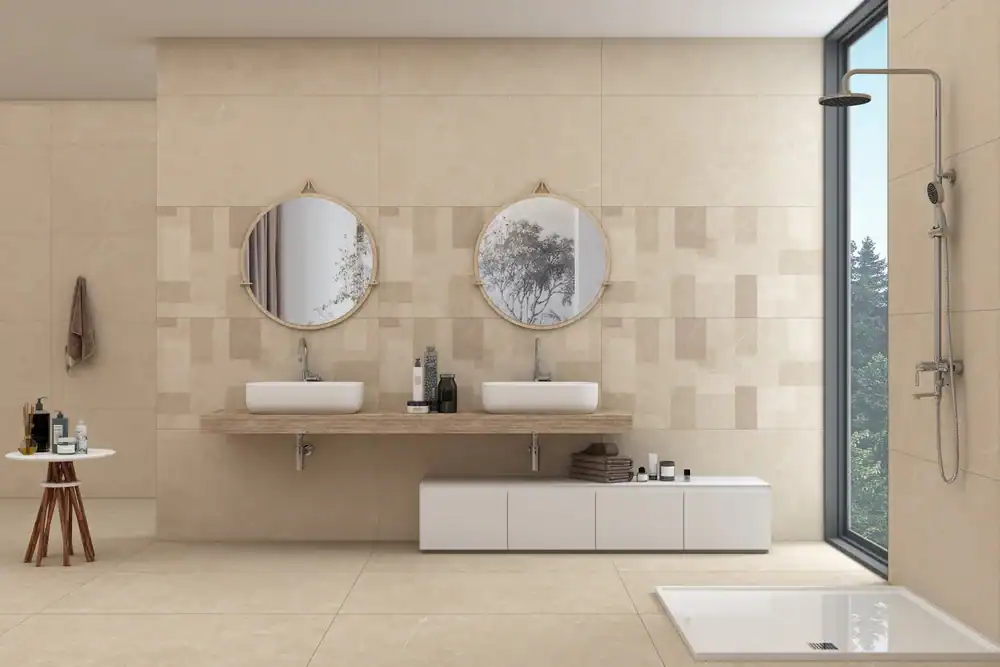
Yes, bathroom marble restoration is actually one of our most common projects. Bathrooms present specific challenges—constant moisture exposure, acidic products like certain cleaners and toiletries, and etching from soap scum removal attempts. All of this accelerates marble damage.
The good news is that bathroom marble responds well to proper restoration. We remove etching caused by harsh cleaners, repair chips around fixtures, address any water-related staining, and restore the polish. The process is the same as other marble restoration, but we pay extra attention to sealing and protection recommendations since bathrooms are high-exposure areas.
Calverton’s coastal humidity adds another layer of complexity for bathroom marble. Moisture doesn’t just come from shower use—it’s in the air year-round. We account for that when planning restoration work and aftercare recommendations. Your bathroom marble can look as good as it did originally, but it needs someone who understands how to work with stone in high-moisture environments.