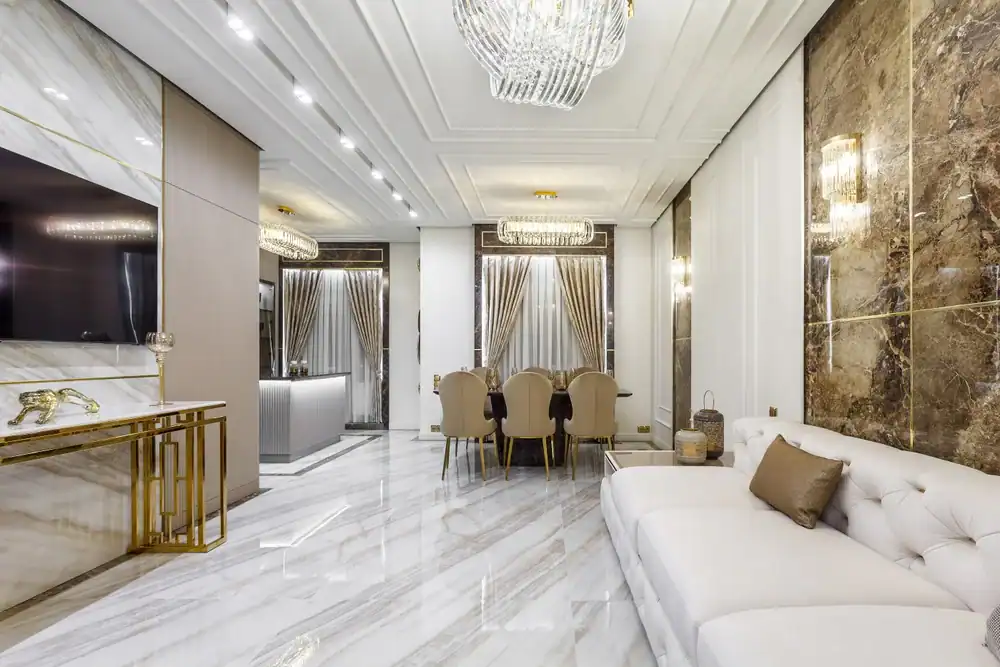
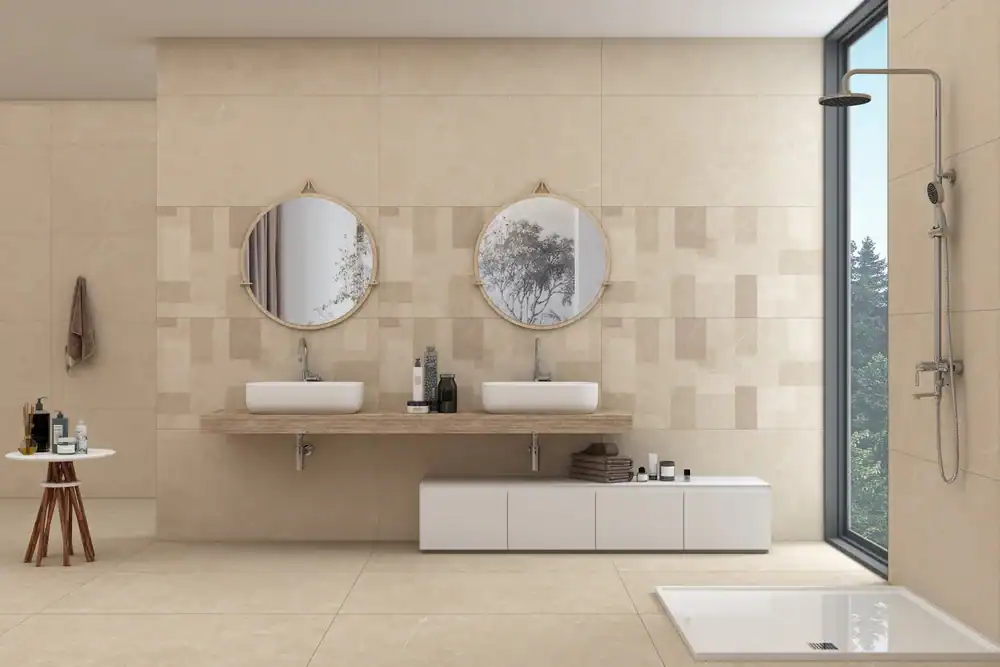
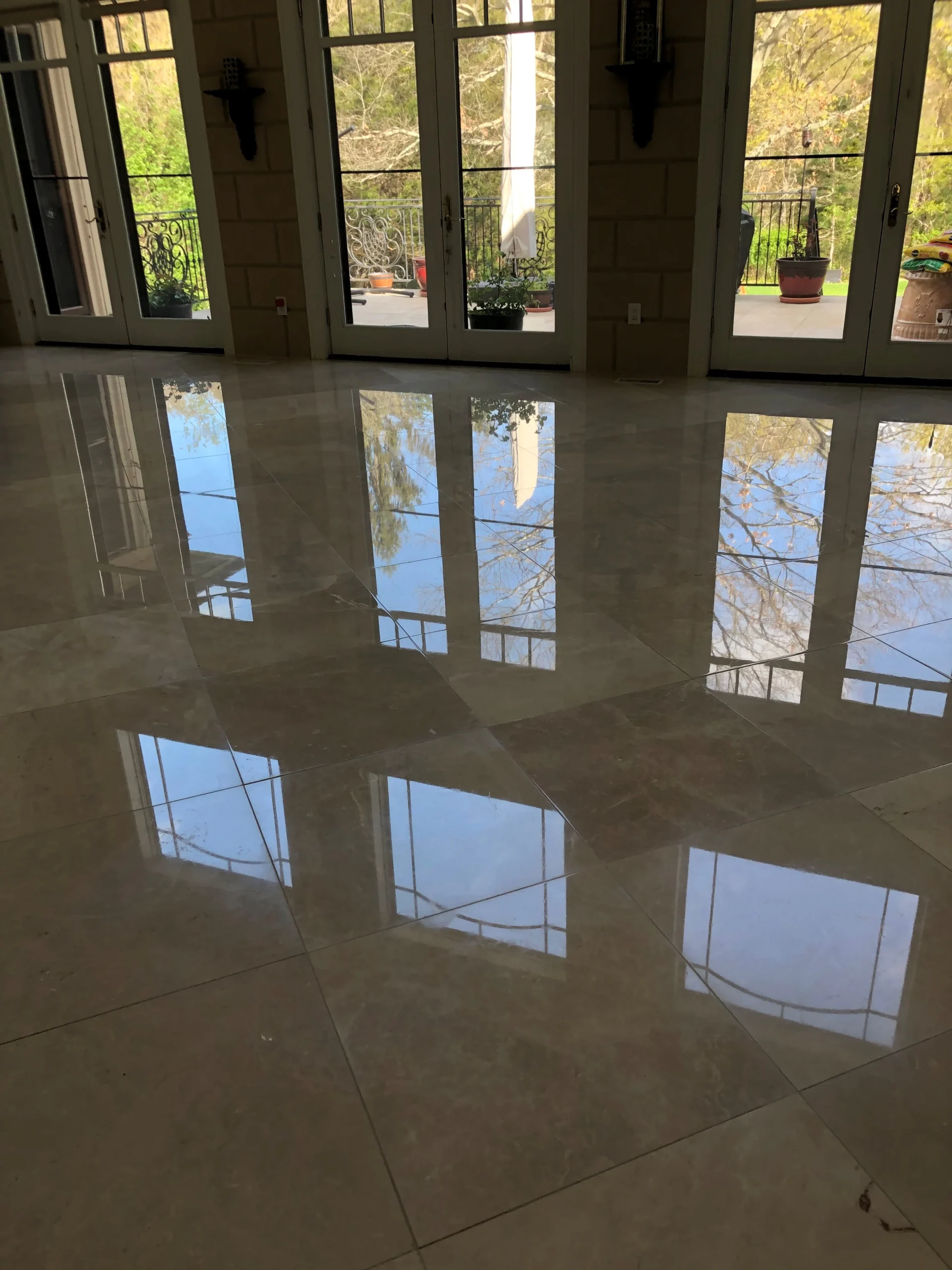
You’re looking at floors that have been walked on for a hundred years. Etching from acidic cleaners. Dullness from decades of wear. Maybe calcium deposits from Long Island’s notoriously hard water. The damage looks permanent, but it’s not.
Professional marble floor restoration brings those surfaces back for 60-80% less than replacement costs. We’re talking $5-15 per square foot for restoration versus $70-190 per square foot for new marble installation. That’s real money saved.
But here’s what matters more: your original marble stays intact. The character, the craftsmanship, the irreplaceable materials from quarries that don’t exist anymore—all of it remains. Most projects wrap in 1-3 days, not weeks. You get your space back fast, and it looks better than it has in decades.
High Definition Marble Restoration Inc has been restoring old floors since 1998. Not new construction. Not cookie-cutter jobs. We specialize in the challenging stuff—century-old marble in homes like yours throughout Williston Park and Nassau County.
The owner oversees every project personally. You’re not getting a subcontractor who’s never seen marble this old. You’re getting someone who understands how these floors were installed, what materials were used, and how to handle calcite marble, red marble from hematite, and limonite marble differently.
We were featured in the New York Times back in 2001 for this exact work. Williston Park has some of the oldest residential architecture in the country—homes built before World War II with original marble that deserves proper care. That’s the work we do best.
First, we assess the damage. Not all marble problems need the same fix. Etching, scratches, staining, and dullness each require different approaches. We’ll tell you exactly what your floor needs and what it’ll cost before any work starts.
Next comes the actual restoration. We use diamond abrasives in progressive grits to remove damage and smooth the surface. This isn’t buffing or covering up—we’re physically removing the damaged layer and revealing fresh marble underneath. For deeper scratches or etching, we start with coarser grits and work up to finer ones.
Then we polish. This brings back the shine through a combination of mechanical polishing and compounds that react with the calcium carbonate in your marble. The result is a deep, natural gloss—not a coating that’ll wear off in six months.
Finally, we seal everything with a solvent-based sealer. It penetrates deeper than water-based options and protects against stains and etching for years. We mask and protect everything in your home during the process, and we clean up completely when we’re done.

Ready to get started?
You get a full assessment of your marble’s condition and a transparent quote upfront. No surprises, no hidden costs. We handle everything from minor etching repair to full floor refinishing and polishing.
The service includes complete surface preparation, diamond grinding and honing to remove damage, multi-stage polishing to restore the original finish, and professional-grade sealing for long-term protection. We also handle bathroom floor restoration—vanities, shower surrounds, and flooring that’s taken years of hard water abuse.
In Williston Park specifically, we see a lot of calcium and magnesium buildup from Nassau County’s mineral-heavy water. That buildup combines with soap residue and creates conditions where etching happens faster. We remove all of that and apply sealers that help prevent it from coming back as quickly.
You also get education on proper marble floor care. Most homeowners never learned how to maintain these surfaces correctly. We’ll show you what cleaners to avoid (anything acidic, including vinegar and most bathroom cleaners), what products are safe, and how to keep your marble looking good between professional services.
Yes. Acidic damage—called etching—happens when substances like toilet bowl cleaner, vinegar, or even some natural cleaners dissolve the calcium carbonate layer on your marble’s surface. It looks like dull spots or watermarks, and it feels rough to the touch.
The good news is that etching is surface-level damage. We remove that damaged layer through a process called honing, which uses diamond abrasives to grind away the etched surface and expose fresh marble underneath. Then we polish it back to its original shine.
The process works on everything from light etching (small dull spots) to severe damage where entire sections of floor have lost their finish. As long as the marble itself is structurally sound, we can bring it back. Most homeowners are shocked at how much damage can be reversed without replacing anything.
Professional marble restoration typically runs $5-15 per square foot depending on the condition and size of the area. A standard bathroom floor restoration usually falls between $500-1,500. Larger spaces like foyer floors or full bathroom suites can reach $2,000 or more.
Compare that to replacement: new marble installation costs $70-190 per square foot on Long Island. For a 100-square-foot bathroom, you’re looking at $7,000-19,000 for replacement versus $500-1,500 for restoration. The math is pretty clear.
But cost isn’t the only factor. Replacement means demolition, disposal, new installation, potential plumbing or structural work, and weeks of disruption. Restoration takes 1-3 days in most cases, and you keep your original marble—which matters in historic Williston Park homes where authenticity affects property value.
If properly maintained, restored marble can last decades before needing professional attention again. The restoration itself is permanent—we’re not applying a coating that wears off. We’re physically removing damaged stone and revealing fresh marble that’s been protected underneath for a century.
The sealer we apply lasts 3-5 years depending on traffic and how you clean the floor. When the sealer starts to wear down, you’ll notice water doesn’t bead up as well anymore. That’s when you reseal—a simple process that takes a few hours and costs a fraction of full restoration.
Between professional services, your marble’s longevity depends entirely on how you treat it. Use pH-neutral cleaners, wipe up spills quickly, and avoid anything acidic. Do that, and your restored marble will outlast you. The floors in Williston Park’s oldest homes prove it—they’ve survived a hundred years and still look stunning after proper restoration.
Polishing is the final step of restoration, but they’re not the same thing. Polishing brings back shine on marble that’s in decent condition—maybe dull from wear but not damaged. It’s a surface treatment using finer abrasives and compounds.
Restoration is the full process: removing scratches, etching, and stains through honing (grinding with progressively finer diamond abrasives), then polishing to restore the finish, and finally sealing for protection. If your marble has visible damage—not just dullness—you need restoration, not just polishing.
Think of it this way: polishing is like waxing a car with good paint. Restoration is like fixing scratches and oxidation before you wax. Many companies offer “marble polishing services” but can’t actually handle restoration work on badly damaged historic floors. We do both, and we’ll tell you honestly which one your floor needs.
Yes. Long Island’s hard water is a major problem for marble—Nassau and Suffolk County water is loaded with calcium and magnesium. When that mineral-rich water sits on marble (especially in showers and around toilets), it leaves deposits that build up over time.
We remove those deposits during the restoration process. The honing stage strips away the stained surface layer along with any mineral buildup. For stubborn staining that’s penetrated deeper, we use specialized treatments before honing.
After restoration, we seal your bathroom floor with a solvent-based sealer that penetrates deeper than water-based options. It won’t stop hard water completely, but it dramatically slows down how fast minerals can penetrate and stain. We’ll also show you how to maintain it—simple stuff like squeegeeing shower walls and wiping up standing water makes a huge difference.
No. We see DIY attempts go wrong constantly, and they almost always make the damage worse. Store-bought marble polishing kits use abrasive pads that create uneven surfaces and more scratches. Home remedies with baking soda or other mild abrasives rarely work and often cause additional etching.
The problem is that marble restoration requires specific equipment—variable-speed grinders, diamond abrasive pads in multiple grits, and professional polishing compounds. You also need to know how much material to remove, which grit sequence to use, and how to achieve an even finish across the entire surface.
If you’ve already tried DIY and made things worse, don’t panic. We can usually fix it. But you’ll save time, money, and frustration by calling us first. We offer free quotes, and we’ll give you an honest assessment of whether your marble needs full restoration or something simpler. Most consultations take 15 minutes, and you’ll know exactly what you’re dealing with.