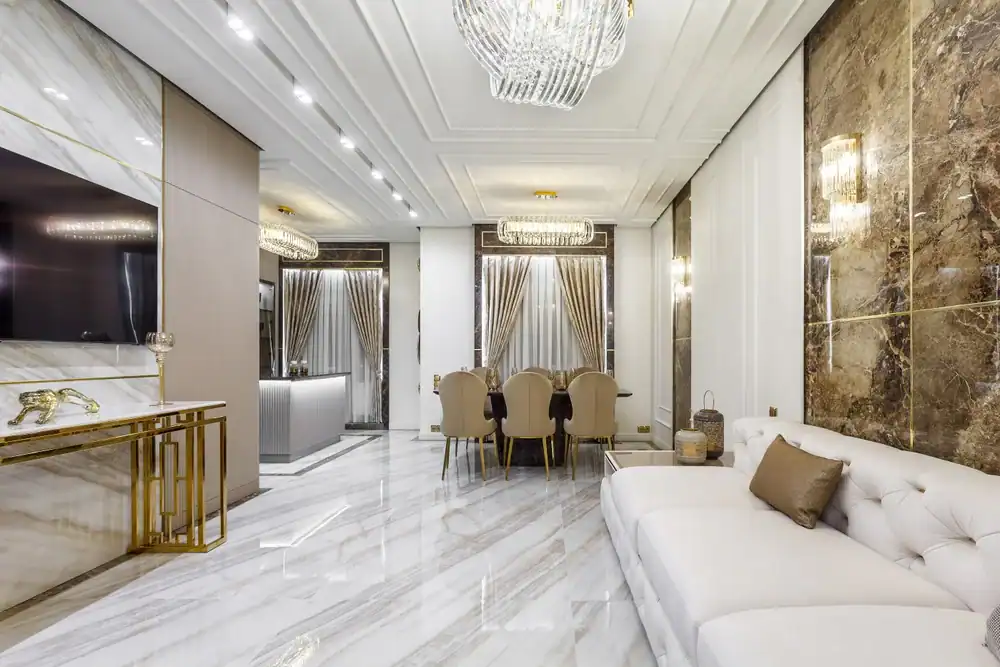
Your floors look sharp again. That dull, scratched surface that made your marble look tired? Gone. The etching from years of acidic spills? Removed. You get back the depth and clarity that made you fall in love with the floors in the first place.
And you’re not spending $15-20 per square foot on replacement. Professional marble floor polishing costs a fraction of that—usually $1-3 per square foot. Most jobs finish in under two days, so you’re not living in a construction zone for weeks.
Here’s what matters: the original character of your floors stays intact. Those 100-year-old materials that can’t be replicated today? They’re preserved. Your home keeps the authentic details that make West Hampton Dunes properties special, and buyers notice that when it’s time to sell.
We’ve been restoring historic marble floors across Nassau and Suffolk County since 1998. We’re not a cleaning company that dabbles in stone work—this is what we do, and we’ve been featured in the New York Times for it.
Our owner oversees every project personally. You’re not getting a crew that learned marble restoration last month. You’re getting someone who’s spent decades working on century-old floors in historic Long Island homes, including the estates and vintage properties throughout West Hampton Dunes where original marble installations require specialized knowledge.
We’re fully licensed and insured. Our work comes with a comprehensive warranty. And we give you transparent pricing upfront—no surprises, no upselling once we’re in your home.
First, we assess your floors in person and give you a free quote. You know exactly what you’re paying before any work starts. We look at the damage—etching, scratches, stains—and explain what’s fixable and what’s realistic to expect.
Once you approve, we start with honing. This removes the damaged surface layer where all those microscopic scratches and etch marks live. We use progressively finer abrasives to smooth the stone without removing more material than necessary. This is where experience matters—too aggressive and you damage historic marble, too light and the problems stay.
Then comes polishing. We bring the surface up through multiple stages until you get that deep, reflective finish. This isn’t a topical coating that wears off in six months. We’re actually refining the stone itself. The whole process happens on-site with minimal dust, and we protect surrounding areas so you’re not dealing with a mess. Most marble refinishing jobs wrap up in less than two days.

Ready to get started?
You get complete marble floor restoration—honing, polishing, and repair work if needed. We handle bathroom floor restoration, entryways, kitchens, any marble surface that needs attention. If there are chips or cracks, we address those before polishing so the finished result is uniform.
West Hampton Dunes homes often have original marble installations from the early 1900s. These floors weren’t installed like modern stone—the materials, setting methods, even the marble composition is different. We understand how to work with historic materials without causing damage. That’s not something every marble restoration company can claim.
We also handle ongoing marble floor care if you want to keep your floors maintained after restoration. Regular professional maintenance extends the life of the polish and prevents the kind of damage that requires full restoration again. Some clients in West Hampton Dunes set up annual or bi-annual service to keep their floors looking sharp year-round.
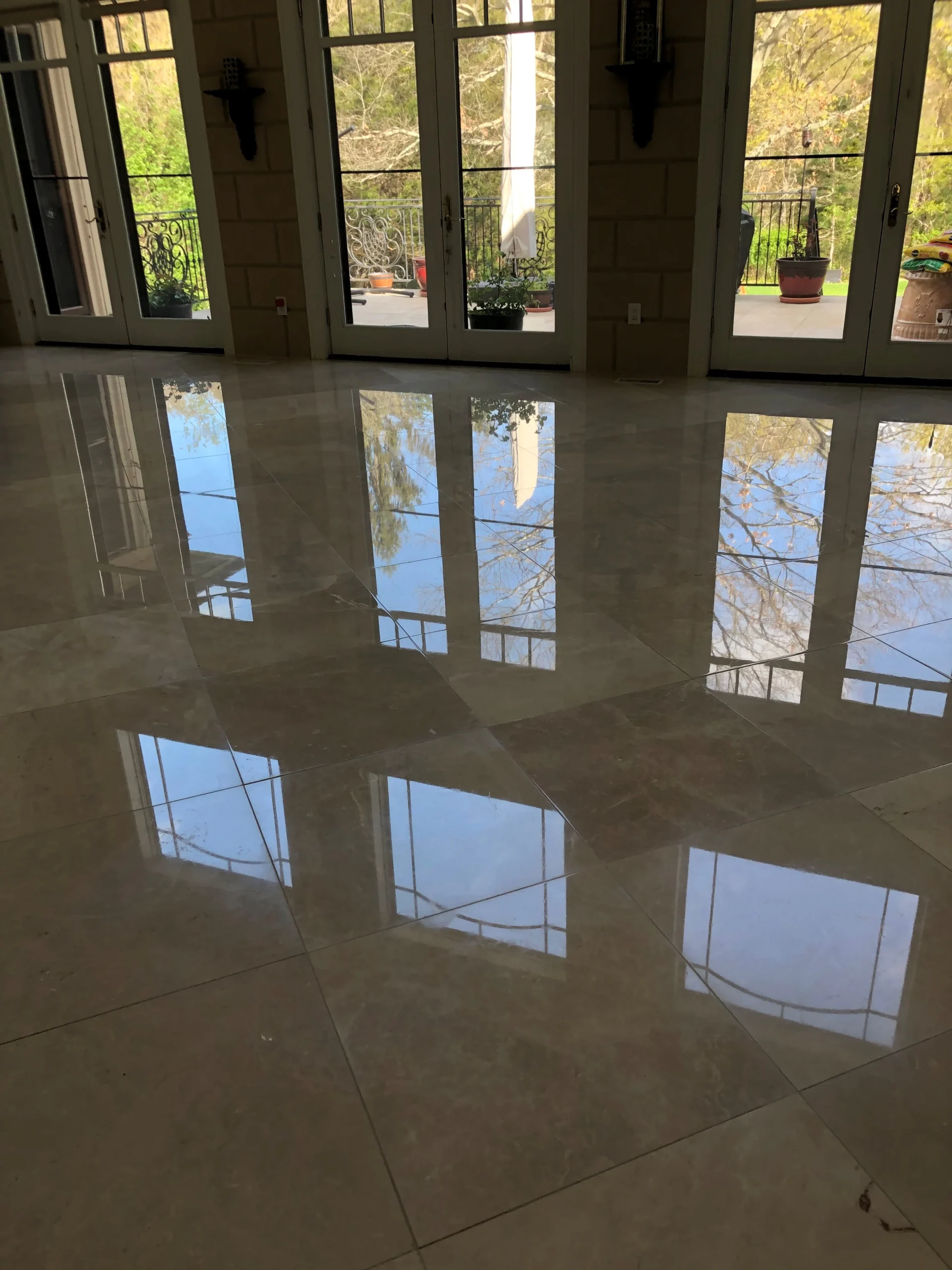
Most residential marble floor polishing projects finish in one to two days, depending on square footage and condition. A typical entryway or bathroom takes a day. Larger spaces like a full first floor might take two days.
The timeline depends on how much honing is needed. If your marble has deep etching or heavy scratching, we need more passes with finer abrasives to get the surface smooth. Light restoration on well-maintained floors goes faster.
We work on-site, so you don’t need to leave your home. There’s some noise from equipment, but we contain dust and protect your furniture. Most clients stay in the house during the work without major disruption.
Yes. Acidic damage is one of the most common problems we fix. When acidic substances—wine, citrus, vinegar, or harsh cleaners—contact marble, they chemically react with the calcium carbonate in the stone. This creates dull spots called etching that can’t be cleaned away.
Restoration removes the damaged surface layer through honing, then polishes the stone back to a reflective finish. The etching disappears because we’re essentially resurfacing the marble. How deep we need to go depends on how severe the damage is.
This is why marble repair often makes more sense than living with damaged floors or replacing them. We can bring even heavily etched marble back to excellent condition for far less than the cost of new stone and installation.
Cleaning removes dirt and grime from the surface. Marble polishing services actually refine the stone itself to restore clarity and shine. If your floors look dull, cleaning won’t fix it—you need polishing.
Over time, marble accumulates microscopic scratches from foot traffic, furniture, and everyday use. These scratches scatter light, making the stone look hazy and worn. Polishing removes that damaged surface layer and brings the marble back to a smooth, reflective state.
Think of it like the difference between washing your car and buffing out scratches in the paint. One addresses surface dirt, the other fixes actual damage to the material. Most West Hampton Dunes homes with original marble floors need polishing, not just cleaning, because the floors have decades of wear.
Professional marble restoration typically runs $1-3 per square foot for most residential projects. That’s 60-80% less than replacing marble floors, which costs $6-20 per square foot plus demolition and disposal of the old material.
The exact price depends on your floor’s condition and square footage. Heavy damage requires more honing, which takes more time. Larger projects often have better per-square-foot pricing than small areas.
We give you transparent pricing upfront after seeing your floors in person. No hidden fees, no surprise charges once we start working. You’ll know exactly what restoration costs before you commit to anything.
Yes—historic floors are actually our specialty. We’ve been restoring century-old marble in Nassau and Suffolk County homes since 1998. The worse the floor, the better the result when it’s done right.
Historic marble is different from modern stone. The materials, installation methods, and even the marble composition vary from what’s available today. These floors need someone who understands how to work with old materials without causing damage.
Many West Hampton Dunes properties have original marble that’s been in place for over a century. These installations are irreplaceable—once you rip them out, that character is gone forever. Restoration preserves the authentic details that make historic homes valuable while bringing the floors back to beautiful condition.
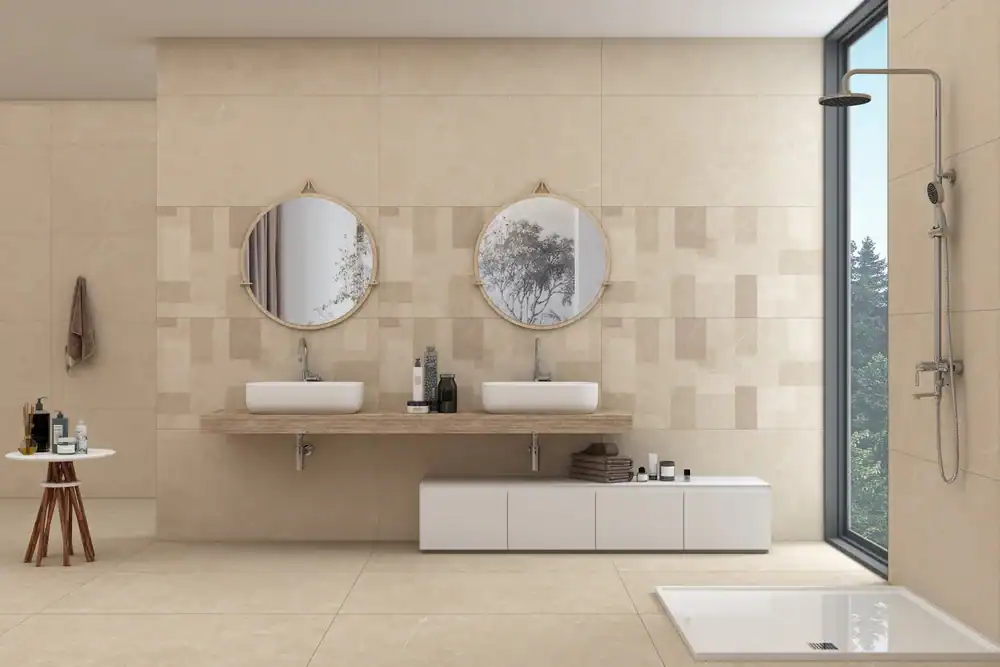
Yes. We handle bathroom floor restoration, kitchen marble, and any other marble surfaces in your home. Bathrooms and kitchens are actually some of the most common areas that need restoration because they’re exposed to water, soap, and acidic substances regularly.
Bathroom marble often shows etching around sinks and showers where cleaning products have damaged the stone. Kitchen marble gets etched from spills—wine, citrus, coffee. We restore these surfaces the same way we restore larger floors: honing away the damage, then polishing to bring back the finish.
Smaller areas like bathrooms typically take less time than whole floors, often finishing in a single day. The process is the same regardless of room size—we just scale the approach to fit the space.