
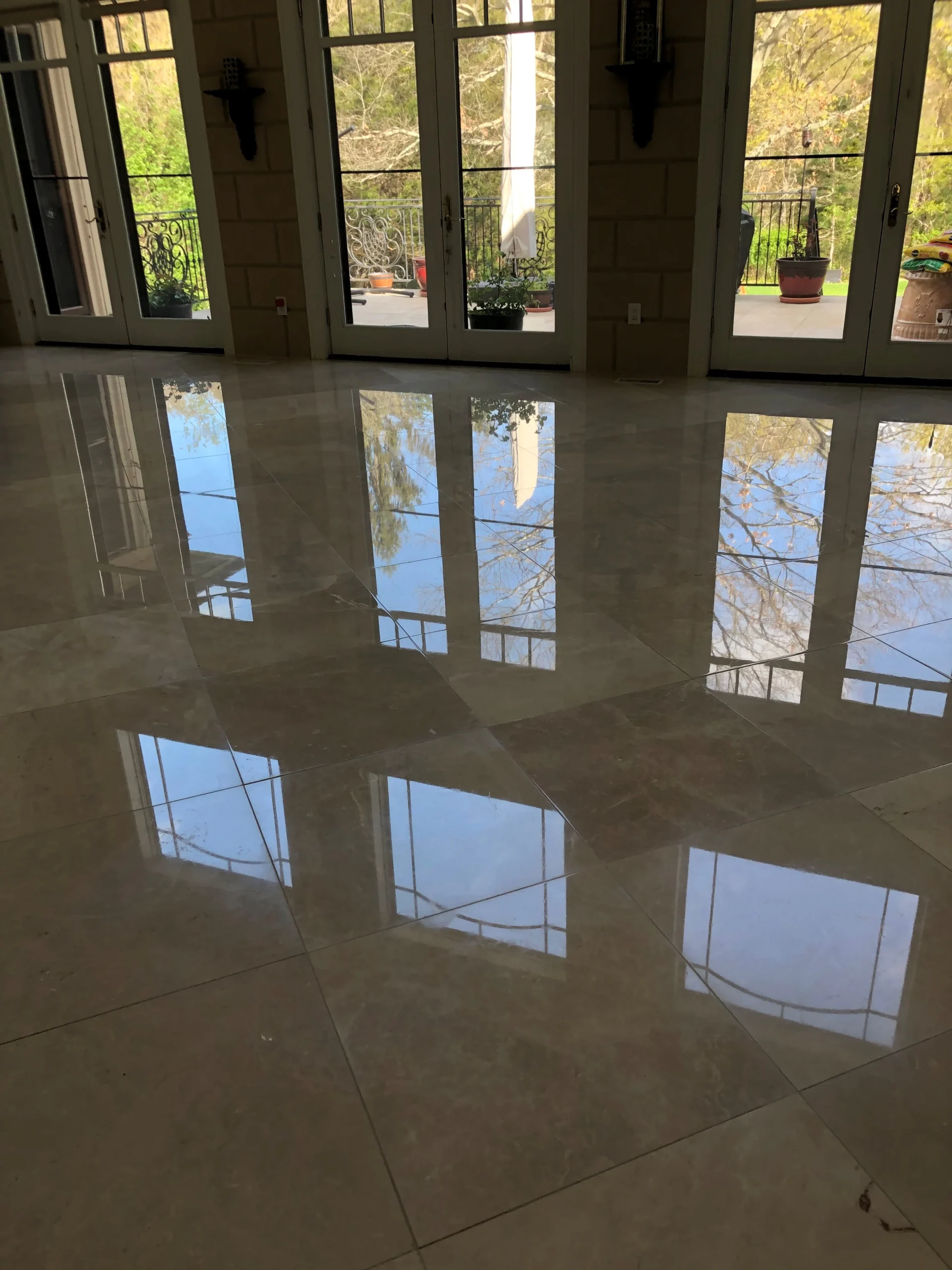
You get the original shine back. Not a temporary fix that fades in six months, but a proper restoration that brings depth and clarity back to marble that’s been dull for years.
The scratches disappear. The etch marks from decades of acidic cleaners get corrected. Those cracks that made you think the whole floor needed replacing get stabilized and filled so they blend in.
And it happens fast. Most marble floor restoration projects in Wading River take less than two days from start to finish. You’re not living in a construction zone for weeks. The process is 99% dust-free, so you’re not dealing with marble dust coating everything in your home.
What you end up with is a floor that looks like it did when it was first installed, whether that was last decade or last century. The kind of result that makes you remember why you loved those floors in the first place.
High Definition Marble Restoration Inc specializes in the floors other companies won’t touch. The 100-year-old installations with settling cracks and unknown stone varieties. The imported marble from Wading River’s colonial-era homes that needs someone who actually understands historic materials.
We’re owner-operated, which means you’re getting direct expertise on every project, not a crew that learned the basics last month. Featured in the New York Times back in 2001 for restoration work, with over 25 years of hands-on experience throughout Nassau and Suffolk Counties.
Wading River’s historic homes, especially those dating back to Long Island’s estate-building era, often have Carrara marble, limestone, or stone varieties that require specialized knowledge. We’ve worked on enough century-old floors to know how those materials behave and what it takes to bring them back without causing damage.
First, we assess what we’re actually dealing with. Not all marble damage is the same, and historic floors often have issues that newer installations don’t. We identify the stone type, check for structural problems, and determine the right approach for your specific situation.
Then comes the grinding and honing process. We use diamond abrasives in specific grit sequences to remove scratches, etching, and surface damage. This isn’t buffing or topical treatment – we’re actually refinishing the stone itself. The sequence matters because marble is calcium carbonate, and if you use the wrong abrasives or pressure, you create more problems than you solve.
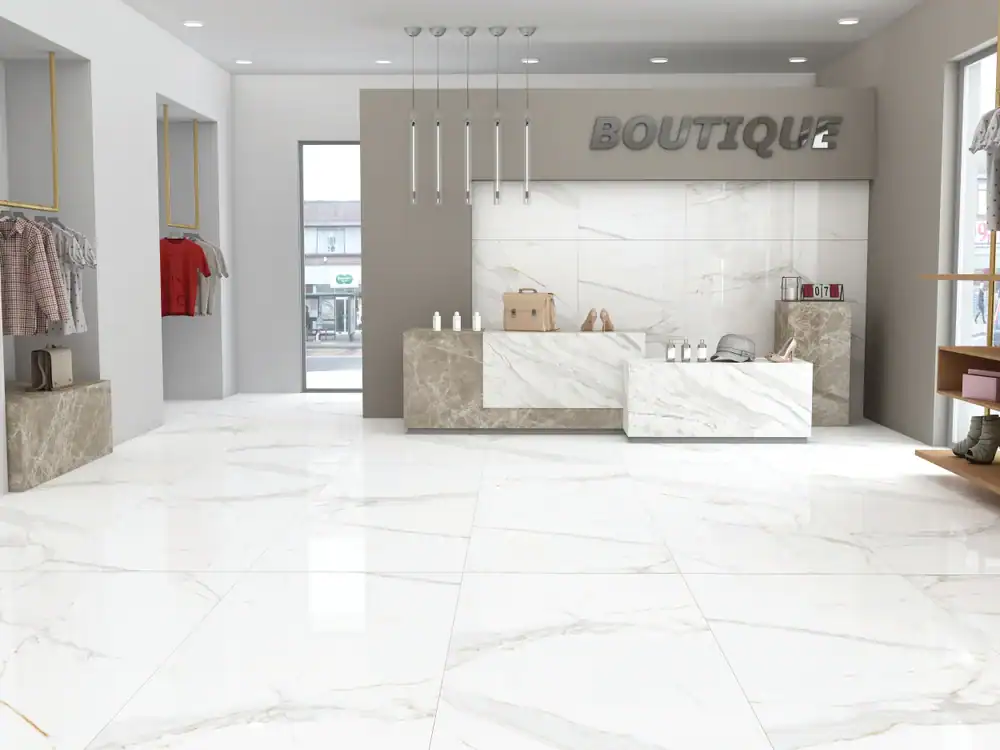
After honing, we polish the surface to restore that deep, reflective shine. This is where professional equipment makes the difference. Consumer-grade products can’t achieve the same level of clarity because they lack the precision and power needed for uniform results.
Finally, we seal the floor if needed and walk you through proper marble floor care so the restoration lasts. You get transparent pricing upfront, no surprises, and most jobs wrap up in under two days.

Ready to get started?
Scratch removal, etch mark correction, stain elimination, crack filling, and complete surface refinishing. That’s what you get with our marble floor restoration in Wading River, NY. Not just polishing, but actual correction of the damage that’s accumulated over years or decades.
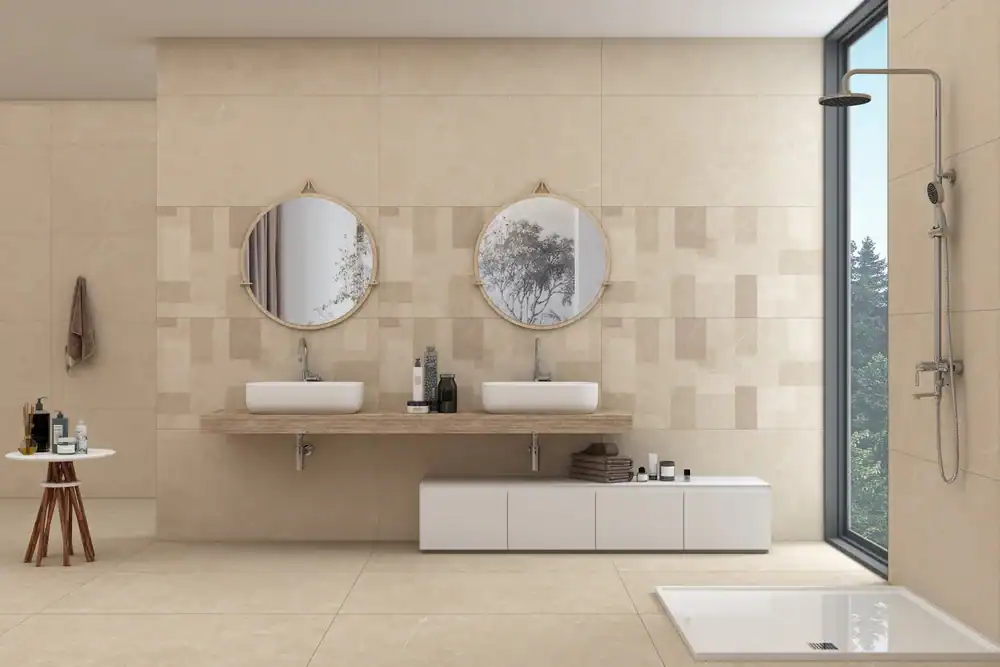
For bathroom floor restoration, we address the specific challenges that come with moisture exposure and the acidic products that inevitably end up on marble in bathrooms. Those spaces need different attention than living areas.
Historic homes in Wading River often have structural issues underneath the marble itself – settling cracks, loose grout, weakened subfloors. We don’t ignore those problems. If your floor has underlying issues, we identify them and explain what needs to happen before we refinish the surface.
The process is contained and controlled. We’re not tracking dust through your house or leaving a mess behind. And because we’re owner-operated, you’re getting the same level of expertise and attention whether it’s a small bathroom or a 2,000-square-foot entryway.
Restoration costs a fraction of replacement – typically $2 to $3 per square foot versus the weeks of disruption and tens of thousands of dollars that new marble installation requires.
Restoration typically runs $2 to $3 per square foot. Replacement costs significantly more – not just in materials, but in the labor to remove old marble, address the subfloor, install new stone, and deal with weeks of construction in your home.
For a 200-square-foot entryway, you’re looking at $400 to $600 for restoration versus potentially $8,000 to $15,000 for replacement, depending on the marble you choose. And that’s assuming there are no subfloor issues discovered during demo.
The bigger factor is time. Restoration takes less than two days for most projects. Replacement means living in a construction zone for weeks, dealing with dust and disruption, and hoping the new installation doesn’t have issues down the road.
Yes. That’s actually our specialty. Century-old floors are often better candidates for restoration than newer installations because the marble itself is typically higher quality than what’s available today.
The challenge with historic marble isn’t the age – it’s understanding how those floors were installed and what’s happened to them over time. Old installations often have settling cracks, unusual stone varieties, or repairs done incorrectly by previous contractors who didn’t know what they were doing.
We’ve restored everything from common Carrara marble to rare imported stone in Wading River’s colonial-era homes. The key is knowing how different materials react to restoration techniques and having the experience to handle complications that come up with historic floors.
Yes, but only if it’s done correctly. Etching is chemical damage to the calcium carbonate in marble – it’s not something you can wipe away or buff out with consumer products.
Proper restoration involves grinding down past the damaged layer using diamond abrasives in the right sequence, then honing and polishing the surface back to clarity. This requires professional equipment and an understanding of how much material to remove without creating low spots or uneven areas.
A lot of “cleaning companies” claim they can fix etch marks but end up using harsh acids or incorrect abrasives that make the problem worse. Real marble refinishing requires specialized knowledge, not just equipment you can rent.
Most marble floor restoration projects take less than two days from start to finish. Smaller areas like bathrooms can often be completed in a single day.
The process is 99% dust-free because we use professional-grade equipment with proper containment. You’re not dealing with marble dust settling on furniture or getting tracked through the house. We contain the work area and clean up completely before we leave.
You can typically walk on the floors within a few hours of completion, and they’re fully cured within 24 hours. There’s no extended drying time or days of waiting before you can use the space again.
Polishing is just the final step in restoration. A lot of companies offer “polishing” that’s really just buffing with topical products – it might add temporary shine, but it doesn’t fix underlying damage.
Actual marble restoration involves grinding, honing, and then polishing. We remove scratches, correct etching, eliminate stains, and refinish the stone itself. That’s why the results last years instead of months.
If your marble is just dull but doesn’t have significant damage, polishing alone might be enough. But if you’re dealing with scratches, etch marks, or wear patterns from decades of use, you need full restoration. We assess what’s actually needed and don’t upsell services you don’t require.
Yes. Properly restored marble floors can increase property value by 3-5%, and in historic Wading River homes where original materials are part of the home’s character, the impact can be even higher.
Natural stone flooring in good condition is a significant selling point. Buyers see well-maintained marble as a premium feature, especially in older homes where it’s part of the original architecture. Dull, damaged marble does the opposite – it signals deferred maintenance and becomes a negotiating point.
The return on investment for marble floor care is substantially better than replacement because you’re preserving irreplaceable historic materials while spending a fraction of what new installation would cost. Once those original floors are gone, they’re gone forever.