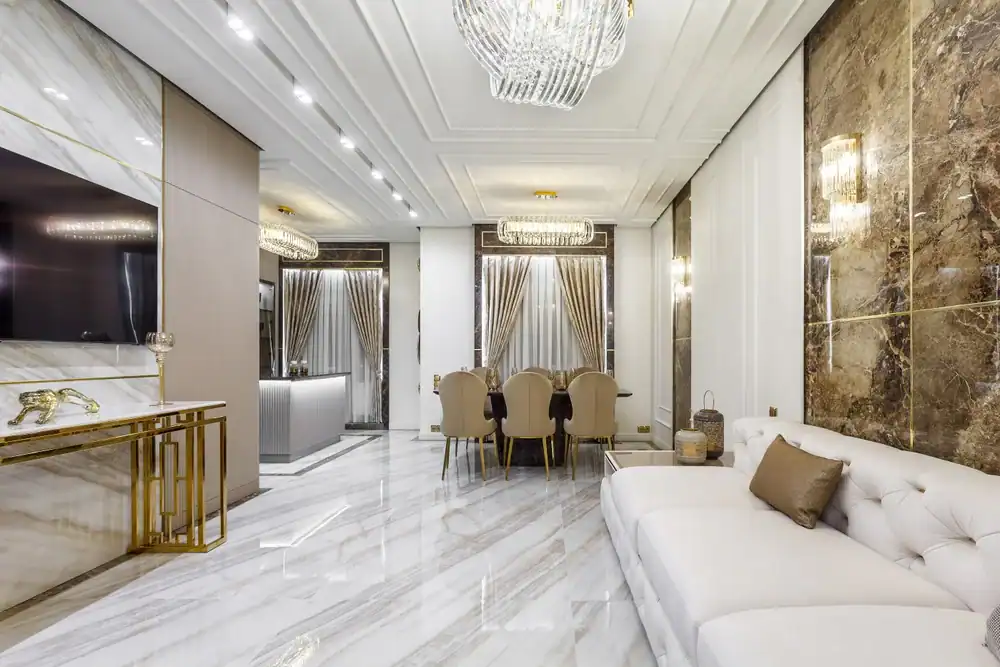
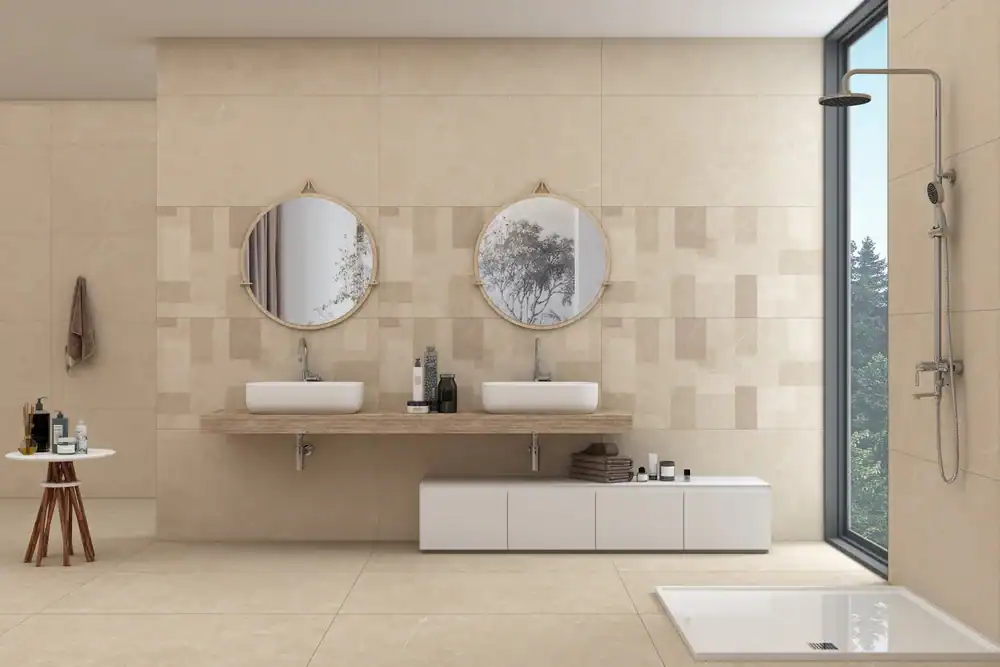
Your marble looks new again without the cost or hassle of replacement. The water stains disappear. The dull, worn surface becomes glossy and reflective. Cracks and chips you thought were permanent get filled and polished until they’re nearly invisible.
Most jobs finish in one to two days. You’re not living in a construction zone for weeks. You’re not dealing with demolition dust or disposal fees or subfloor repairs.
The cost runs 70-80% less than tearing out and replacing your floors. For most South Huntington homeowners, that’s saving $5,000 to $15,000 or more. You keep your original marble, which matters if you own one of the area’s historic properties where authenticity affects value. Restored marble can increase your property value by 3-5% because buyers pay premium prices for authentic, well-maintained historic features.
We’ve specialized in historic floor restoration throughout South Huntington and Long Island for over 25 years. We’re owner-operated, which means you’re working directly with someone who knows what they’re doing, not a subcontractor who showed up that morning.
We’ve restored century-old marble in some of Long Island’s oldest estates. The New York Times featured our work in 2001. The Garden City Hotel has used us exclusively for more than 16 years. Our reputation is built on taking floors other contractors won’t touch and bringing them back.
South Huntington has plenty of historic homes with original marble that’s seen decades of wear, Long Island’s hard water, and coastal humidity. We understand how these factors damage stone differently than modern installations. That expertise matters when you’re trying to save floors that can’t be replaced.
We start with a free evaluation at your property. You show us the floors, we assess the damage, and we give you transparent pricing before any work starts. No surprises.
Once we begin, we steam clean at 356°F to remove years of buildup without damaging the stone. This isn’t the same as regular mopping. We’re pulling out dirt and residue that’s been sitting in the pores of your marble for years.
Next comes repair work. Chips and cracks get filled with color-matched epoxy that blends into your specific marble type. We’re not just filling holes – we’re making repairs nearly invisible.
Then we polish using commercial-grade diamond abrasives. This is precision work done in stages, gradually bringing up the shine until your marble looks like it did when it was first installed. We’re removing scratches, etching, and dullness at a microscopic level.
Finally, we seal everything with commercial-grade sealant. This protects against future staining and makes regular maintenance easier. The whole process is 99% dust-free, and most jobs complete in under two days.
Ready to get started?
You get a complete evaluation before we start. We’re looking at the type of marble, the extent of damage, and what it’ll take to restore it properly. This matters because different marble types require different approaches, especially in historic installations.
The restoration includes deep steam cleaning, all necessary repairs using color-matched materials, multi-stage polishing, and protective sealing. We bring commercial equipment that handles the job properly – not consumer-grade tools that might work on small areas but fail on whole floors.
For South Huntington homeowners, we’re also addressing local issues. Long Island’s hard water leaves mineral deposits that standard cleaning can’t touch. Coastal humidity affects how marble ages and what kind of damage develops over time. Older homes often have marble types that aren’t quarried anymore, which means repairs need specialized knowledge.
We also handle bathroom floor restoration, which has its own challenges. Bathrooms see more water exposure, different cleaning products, and specific wear patterns. The restoration process adjusts for these factors.
If you have concrete floors you’re considering, we’ve recently added concrete restoration and polishing. It’s a different process but follows the same principle – restore instead of replace, save money, get professional results.
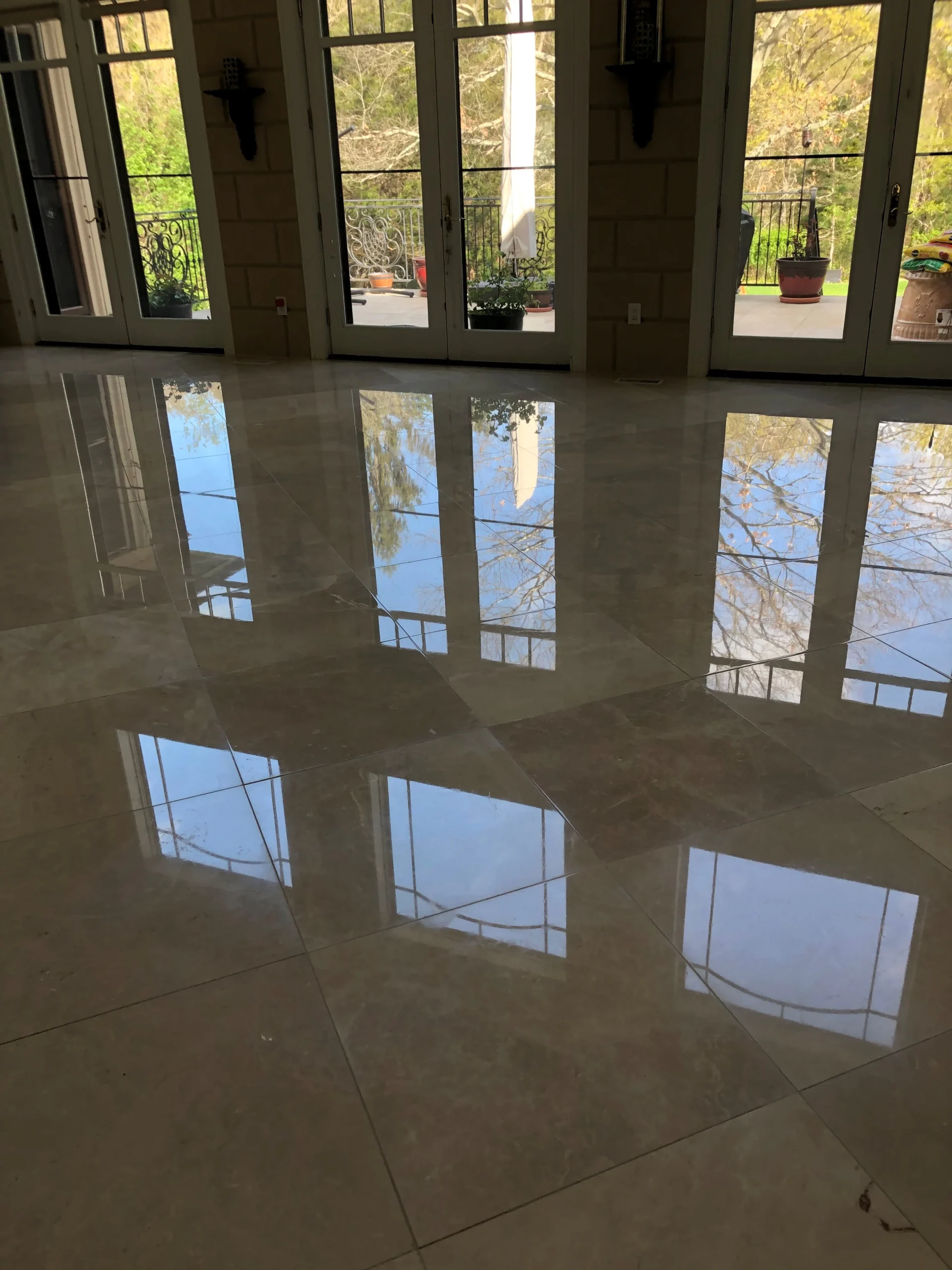
Professional marble restoration typically costs 70-80% less than full replacement. For most South Huntington homes, restoration runs between $800 and $2,000 depending on square footage and damage extent. Replacement costs start around $3,000 and can easily exceed $8,000 once you factor in demolition, disposal, subfloor work, and new material installation.
The math gets even better when you consider time. Restoration finishes in one to two days. Replacement takes weeks and leaves you dealing with construction mess, dust, and disruption throughout your home.
If you own a historic property, there’s another factor. Original marble adds value that new material can’t match. Buyers looking at South Huntington’s older homes specifically want authentic features. Replacing original marble with modern stone actually hurts your property value in many cases.
Yes, and it’s more thorough than most people expect. Deep scratches and etching happen when the marble surface gets worn down or damaged by acidic substances. We remove these by precision polishing with diamond abrasives in multiple stages.
The process works by gradually smoothing the marble at a microscopic level. We’re not just buffing the surface – we’re actually removing tiny amounts of material until we get below the damage. Each polishing stage uses finer abrasives until the marble reaches the glossy finish you’re looking for.
Etching from acidic cleaners is common in South Huntington because many homeowners don’t realize products like vinegar or standard bathroom cleaners damage marble. The dull spots you see are actually chemical burns in the stone. Polishing removes that damaged layer and brings back the shine. The deeper the damage, the more polishing stages we use, but even severe etching can be corrected.
Properly restored and sealed marble lasts decades. The marble itself is the same stone that’s been in your home for years or even a century – restoration doesn’t change its fundamental durability. What changes is the surface condition and protection.
The sealing we apply after restoration protects against staining and makes regular maintenance easier. Depending on foot traffic and how you clean the floors, resealing every two to four years keeps that protection active. High-traffic areas might need it sooner. Bathrooms with constant water exposure might need more frequent attention.
Between professional maintenance, you’re just doing regular cleaning with pH-neutral products. No special equipment needed. The marble stays protected and maintains its appearance as long as you’re not using acidic or abrasive cleaners that break down the sealant.
Many of the historic floors we restore in South Huntington are 80 to 100 years old. They’ve lasted this long because marble is incredibly durable when properly maintained. Restoration resets the clock and gives you another several decades of use.
Historic marble brings challenges modern installations don’t have. The marble types used in older South Huntington homes often came from quarries that no longer operate. That means the exact color and pattern can’t be replicated if you need repair materials. We use color-matching techniques and specialized epoxies to blend repairs into these unique stones.
Installation methods were also different decades ago. Older floors might have thinner marble, different underlayment, or settling that’s created unevenness over time. We account for these factors during restoration because the approach that works on modern marble might damage historic installations.
Age also means accumulated damage. A 100-year-old floor has seen generations of cleaning products, some of which were actively harmful to marble. It’s been exposed to Long Island’s hard water and coastal humidity for decades. Previous repair attempts might have used materials or methods that actually made things worse.
That’s why we focus on historic restoration specifically. It requires different expertise than working with marble that’s been in place for five or ten years. The worse the condition, the more our specialized knowledge matters.
Yes, water damage is one of the most common issues we fix. Long Island’s hard water creates mineral deposits and staining that look permanent but aren’t. The white marks, dull spots, and discoloration come from minerals in the water sitting on or soaking into the marble.
Our steam cleaning process removes surface deposits, and polishing eliminates staining that’s penetrated deeper. For severe water damage where the marble has been saturated repeatedly, we might need additional steps to draw out deep staining before polishing. But even floors that have seen flooding or years of hard water exposure can be restored.
Bathrooms are especially prone to water damage because they see constant moisture exposure. Shower floors, areas around tubs, and spaces near sinks develop specific wear patterns and staining. We adjust the restoration process for these high-moisture areas.
Coastal humidity in South Huntington also affects how marble ages. It’s not dramatic water damage, but constant moisture in the air gradually impacts the stone. That’s part of why local expertise matters – we’re used to seeing and correcting the specific damage patterns that develop in Long Island homes.
We restore marble floors, countertops, vanities, and other stone surfaces throughout your home. The core process is similar – cleaning, repairing, polishing, and sealing – but each surface type has specific considerations.
Countertops see different wear than floors. They’re exposed to food acids, spills that sit longer, and cleaning products applied directly to the surface. Kitchen counters face different challenges than bathroom vanities. We adjust our approach based on what that specific marble has been exposed to.
Floors handle foot traffic, furniture weight, and grit that gets tracked in from outside. Bathroom floors deal with constant water exposure. Entryway floors in South Huntington homes take a beating from Long Island weather – salt, sand, and moisture coming in on shoes.
We also handle historic marble restoration on stairs, fireplace surrounds, and architectural features. These decorative elements often use marble types that are difficult or impossible to replace. Restoration is usually the only practical option for maintaining them.
If you’re looking at concrete restoration and polishing, we’ve added that service recently. It’s a different material but follows the same philosophy – professional restoration that costs less and completes faster than replacement.