

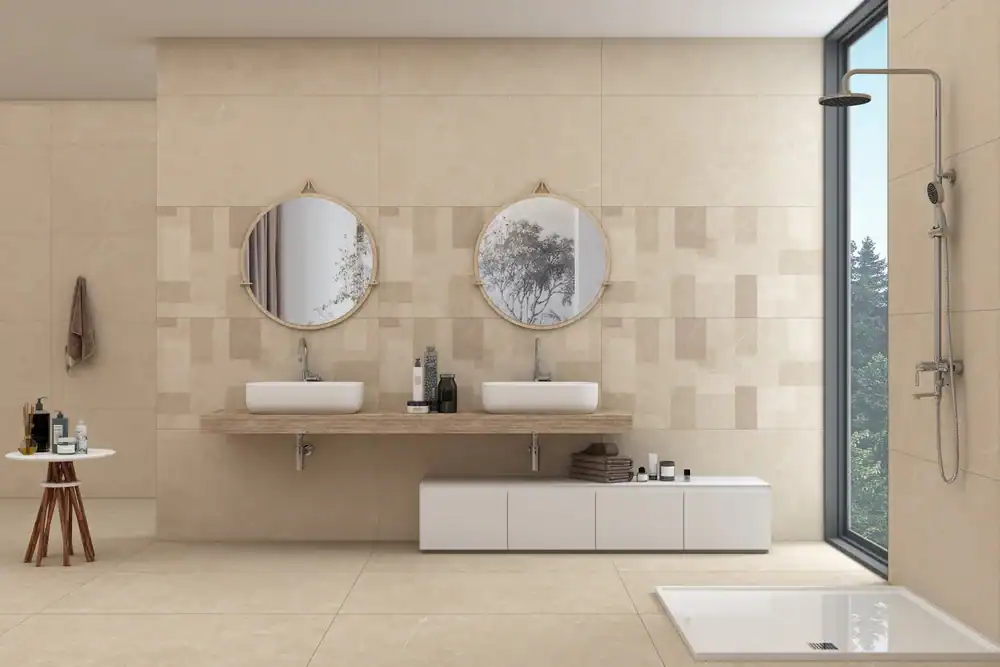
You’re dealing with dull marble that’s lost its shine. Etched spots from acidic spills. Scratches that catch the light wrong. Stains that won’t budge no matter what you try.
Maybe you’ve lived with it for years. Maybe you just bought the house and realized the floors need serious attention. Either way, you’re wondering if restoration actually works or if you’re looking at a full replacement.
Marble floor restoration brings back the original finish without tearing anything out. The process removes surface damage, polishes away years of wear, and seals the stone properly. You end up with floors that look like they did decades ago—smooth, reflective, and clean.
Most jobs take one to three days depending on square footage and condition. Your bathroom or kitchen isn’t out of commission for weeks. The marble you already have, especially if it’s original to an older home, often has better quality and character than what you’d buy new today.
Replacement costs $70 to $190 per square foot on Long Island. Restoration costs significantly less and keeps the authentic material that adds value to historic properties in Nassau County.
We’ve been restoring historic marble floors across Nassau and Suffolk Counties since 1998. The owner personally oversees every project—no subcontractors, no handoffs.
We specialize in the complicated jobs. Hundred-year-old marble from Gold Coast estates. Original installations in vintage Oceanside homes. Floors that other companies look at and decline because the damage seems too far gone.
The New York Times featured our work in 2001 for a reason. We understand historic materials and the techniques required to restore them without causing further damage. That knowledge matters when you’re working with irreplaceable stone that predates modern installation methods.
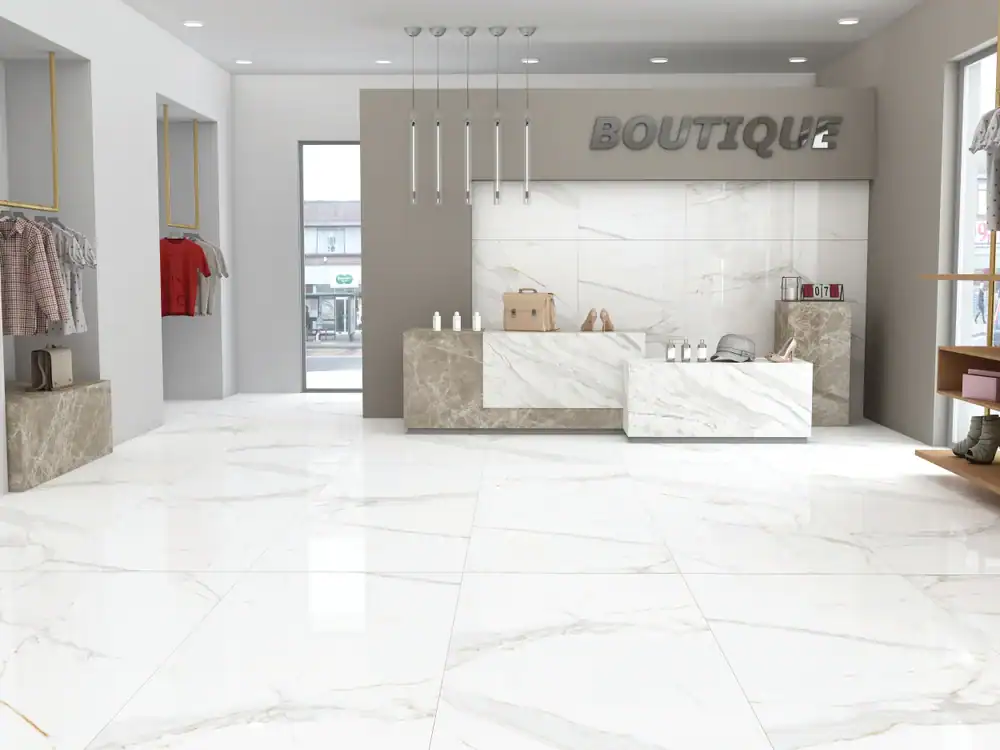
The process starts with an assessment of your marble’s current condition. We identify the type of marble, the extent of damage, and what level of restoration will achieve the results you want.
Surface preparation comes next. This involves careful grinding to remove etching, scratches, and stains that have penetrated the stone. We work through progressively finer abrasives—never harsh acids or chemicals that damage marble further.
Honing smooths the surface to the desired finish level. Some clients want a matte look. Others prefer high-gloss. The honing stage determines that final appearance.
Polishing brings out the natural shine and depth of the marble. This isn’t a topical coating that wears off. We’re burnishing the stone itself to create a reflective surface.
Sealing protects the restored marble from future staining and etching. The sealer penetrates the stone and creates a barrier against spills and daily wear.
Throughout the job, we mask and protect surrounding areas. Cleanup is thorough. You’re left with restored marble floors and no mess to deal with afterward.

Ready to get started?
Every marble restoration project includes a detailed evaluation before work begins. You get transparent pricing upfront—no surprises when the job is done.
The restoration itself covers grinding, honing, polishing, and sealing. We handle bathroom floor restoration, kitchen marble, foyer installations, and full-room projects. If you have marble stairs or thresholds that need attention, we address those too.
We also offer marble repair for chips, cracks, and missing pieces. Historic homes in Oceanside often have marble that’s been damaged over decades of use. Proper repair work blends seamlessly with the surrounding stone.
Concrete restoration and polishing is a newer service we’ve added. Many properties have concrete floors in basements, garages, or modern additions that could benefit from professional polishing. The same attention to detail applies.
What you won’t get is a rushed job or a crew that doesn’t understand historic materials. Oceanside has its share of vintage homes with original marble installations. Those floors require specific knowledge about old stone, outdated setting methods, and how to work with materials that aren’t manufactured anymore.
Properties in Nassau County that maintain authentic historic features see higher resale values. Buyers specifically look for original marble in good condition. Restoration protects that investment while keeping the character that makes these homes distinctive.
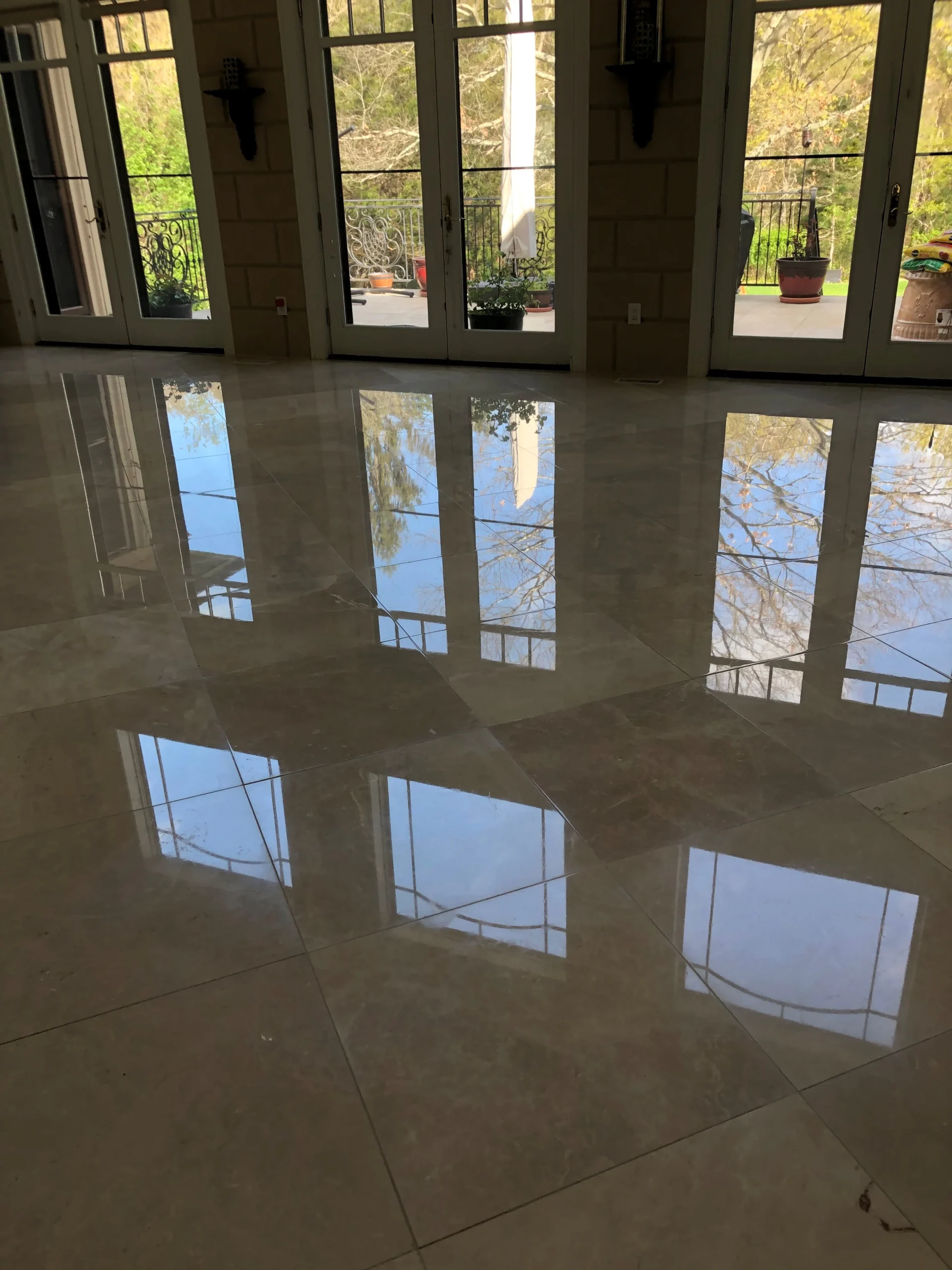
Marble floor restoration typically costs 40% to 60% less than full replacement. Restoration addresses the existing stone—grinding out damage, polishing the surface, and sealing it properly. You’re paying for labor and materials to refinish what’s already there.
Replacement means demolition, disposal, new marble purchase, and installation. New marble runs $70 to $190 per square foot on Long Island depending on quality and type. That doesn’t include removal of old flooring or subfloor preparation.
For a 200-square-foot bathroom, restoration might cost $1,200 to $2,400. Replacement could easily hit $14,000 to $38,000 for materials and installation alone. The cost difference is substantial, and you keep the original marble that’s often higher quality than modern options.
Yes. Deep scratches and etching are exactly what the restoration process is designed to fix. Etching happens when acidic substances eat into the marble surface—think wine, citrus, vinegar, or harsh cleaners. It leaves dull spots that won’t polish out with regular cleaning.
We grind the marble surface down past the damaged layer using diamond abrasives. This removes scratches and etched areas completely. Then we hone and polish the stone back to a smooth, reflective finish.
The depth of damage determines how much material we remove. Most scratches and etching are surface-level and come out easily. Even deeper damage can usually be addressed without compromising the structural integrity of the marble. Historic marble in Oceanside homes is often thick enough to handle this type of restoration multiple times over its lifespan.
Most residential marble floor restoration projects take one to three days. A small bathroom might be done in a day. A large foyer or multiple rooms could take three days depending on square footage and the extent of damage.
The timeline depends on several factors. Heavily damaged marble requires more grinding and honing time. Intricate layouts with lots of cuts around fixtures take longer than open floor plans. High-gloss finishes need additional polishing steps compared to honed or matte finishes.
We work efficiently without rushing the process. Marble restoration isn’t something you want done quickly at the expense of quality. Each stage—grinding, honing, polishing, sealing—needs proper attention to achieve lasting results. You’ll know the estimated timeline upfront during the initial assessment.
Absolutely. Old marble floors are actually our specialty. Historic homes in Oceanside and throughout Nassau County often have original marble installations from the early 1900s or earlier. That marble is typically higher quality than modern stone—denser, more durable, with better color and veining.
Age brings specific challenges. Old setting methods used different mortars and techniques. The marble itself may have characteristics that modern stone doesn’t have. Some historic marble is softer or more porous. Other types are incredibly hard and require specialized equipment to refinish properly.
We’ve been restoring century-old marble floors since 1998. That experience matters when you’re working with irreplaceable materials. The worse the condition, the better we are at bringing it back. Floors that look beyond repair often respond beautifully to proper restoration. You’d be surprised what’s possible when someone actually understands historic stone.
Marble cleaning removes dirt and surface grime. Restoration removes damage from the stone itself. Cleaning is maintenance. Restoration is repair.
If your marble is dull, scratched, etched, or stained deep in the stone, cleaning won’t fix it. You need actual restoration—grinding, honing, and polishing to remove the damaged surface layer and reveal fresh marble underneath.
Many cleaning companies offer marble services using harsh chemicals or abrasive pads. Those methods often make problems worse. Acids etch marble further. Abrasive scrubbing creates more scratches. You end up with duller floors and new damage on top of old damage.
Professional marble restoration uses diamond abrasives and proper technique to refinish the stone correctly. The results are permanent, not temporary. Your marble doesn’t just look cleaner—it’s actually restored to a smooth, polished surface that resists staining and stays beautiful with regular maintenance.
Yes. Sealing is included as the final step in every marble restoration project. The sealer penetrates the stone and creates a protective barrier against staining, etching, and moisture damage.
Marble is porous. Without proper sealing, it absorbs liquids and stains easily. Acidic spills etch the surface. Water can penetrate and cause discoloration or damage over time. Sealing doesn’t make marble stain-proof, but it gives you time to wipe up spills before they penetrate.
We use high-quality penetrating sealers designed specifically for marble. The type of sealer depends on your marble type, finish level, and where the marble is located. Bathroom marble needs different protection than kitchen floors or foyer installations.
Sealer eventually wears down with foot traffic and cleaning. How long it lasts depends on use and maintenance. Most residential marble floors need resealing every one to three years. We’ll give you specific guidance based on your situation and show you how to maintain the restored marble properly.