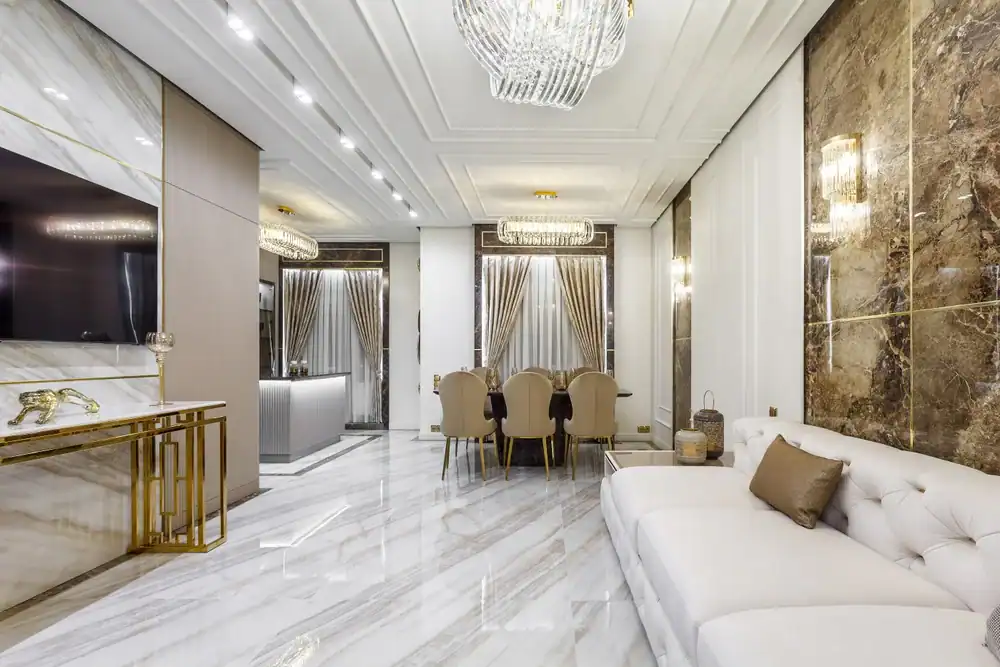
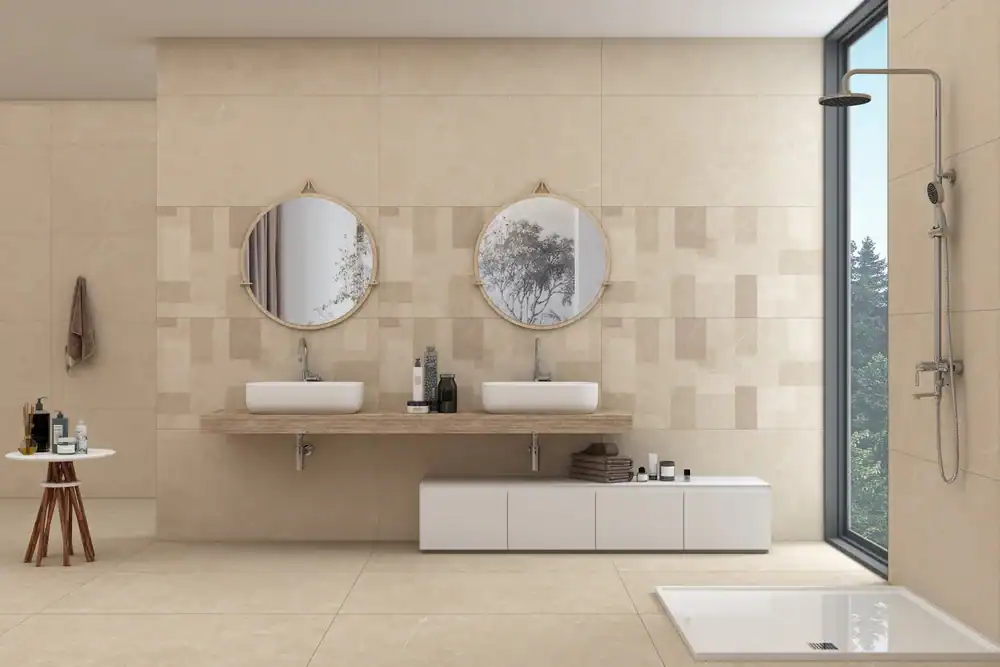
You’re not just getting shinier floors. You’re getting surfaces that look the way they did when they were first installed – the kind that make people stop and notice when they walk in.
Most North Amityville homes built in the early 1900s feature Carrara marble that’s seen decades of foot traffic, improper cleaning, and Long Island’s humid coastal environment. That damage didn’t happen overnight, and it won’t disappear with store-bought products or a standard cleaning service.
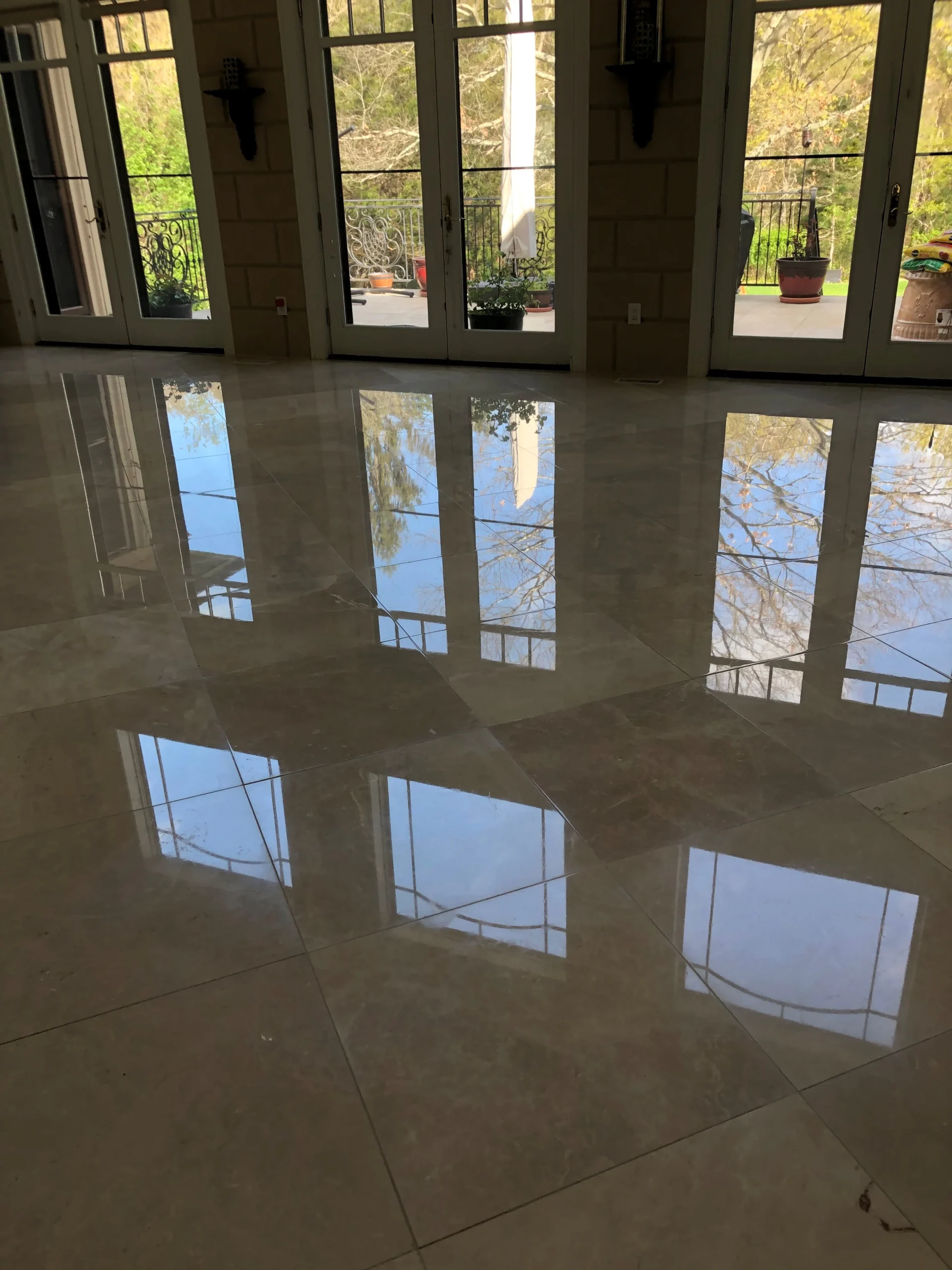
Professional marble floor restoration removes etching from acidic cleaners, grinds out deep scratches, and brings back the reflective finish that’s been buried under years of wear. The process works because it addresses damage at the surface level – not just masking it with coatings that wear off in months.
For historic properties especially, restoration preserves the original material instead of replacing it with something that’ll never match. That matters when your floors are part of Long Island’s architectural heritage and when replacement costs can easily exceed $25,000.
High Definition Marble Restoration Inc has been working on Nassau and Suffolk County floors since 1998. The owner oversees every project personally – no subcontractors, no handoffs, no surprises.
We specialize in the challenging work that most companies avoid. The 100-year-old staircases with uneven wear patterns. The bathroom floors with severe etching from decades of harsh cleaners. The historic entryways where previous DIY attempts made things worse.
North Amityville’s older homes present specific challenges – marble types that aren’t quarried anymore, thickness variations from different installation eras, and water damage common in properties near the coast. We’ve seen it all, and we know how to fix it without causing more damage in the process.
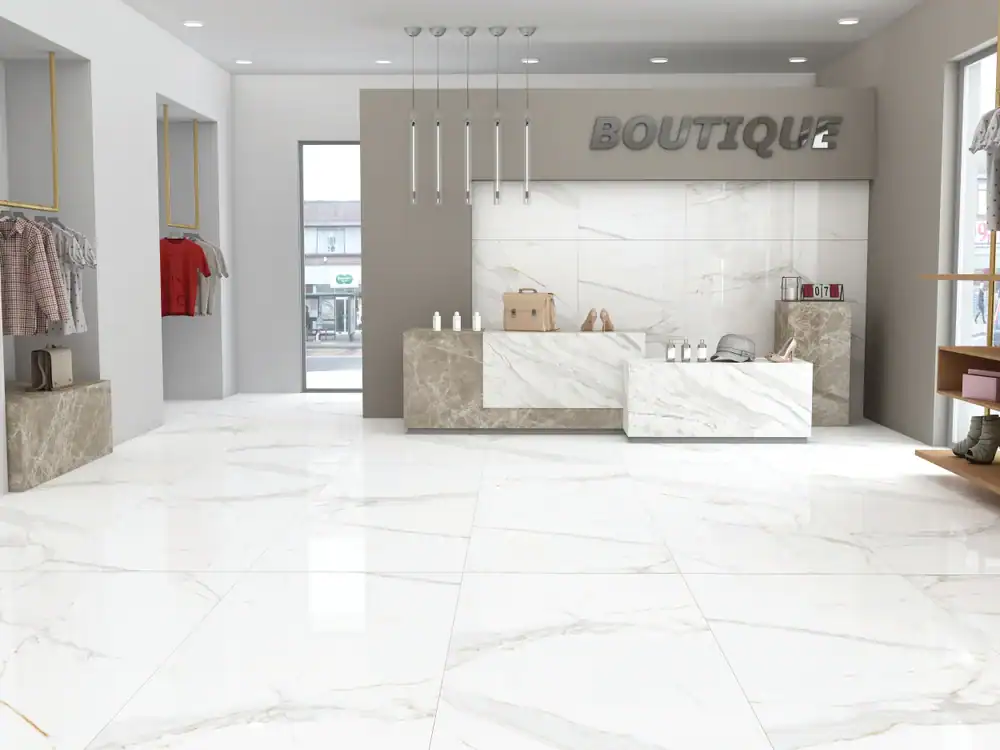
First, we assess the damage level. Deep scratches need grinding with coarse diamond pads to level the surface. Etching and dullness usually require honing with progressively finer grits. We determine the starting point based on your floor’s actual condition – not a one-size-fits-all approach.
The work area gets masked and protected before we start. Most jobs take less than two days, and we handle cleanup as part of the process. Your space stays protected throughout.
The grinding and honing stages remove damaged material and smooth the surface. Then we move to polishing, which brings back the reflective finish. For historic marble, we adjust techniques based on the stone’s age, type, and any natural defects that have developed over time.
You’ll know the cost upfront before any work begins. We provide transparent pricing after seeing the floors in person – no hidden fees or surprise charges later.

Ready to get started?
You’re getting a complete restoration – not just a surface polish that wears off quickly. That means addressing the actual damage through grinding, honing, and polishing stages specific to your floor’s condition.
For North Amityville’s historic homes, we work with the marble types common to early 1900s construction. Many of these floors are thick enough to withstand multiple restorations over their lifetime, which isn’t true for newer, thinner installations.
We also handle bathroom floor restoration where water damage and soap scum have created stubborn staining. Long Island’s hard water makes this particularly challenging – mineral deposits build up over years and require specific techniques to remove without damaging the stone.
The owner’s direct involvement means you’re getting 25+ years of experience on your project, not a crew that learned the basics last month. We’ve refined our process on hundreds of similar floors across Nassau and Suffolk Counties.
We’ve also added concrete restoration and polishing for clients who want the same level of expertise applied to modern surfaces. Same attention to detail, same owner-operated quality control.
Professional restoration typically costs 60-80% less than replacement. Most marble floor restoration runs $1-3 per square foot depending on damage severity, while replacement involves removal costs, new material, and installation – often exceeding $25,000 for a typical North Amityville home.
The bigger difference is time. Restoration usually takes less than two days. Replacement means weeks of disruption, dust, and construction noise.
For historic homes, replacement also means losing original material that can’t be matched. The marble quarried in the early 1900s often came from sources that no longer exist or produce different stone now. You can’t replicate that authenticity with new material.
Yes. Etching happens when acid dissolves the marble’s surface, leaving dull spots or widespread cloudiness. It’s one of the most common problems we see in North Amityville homes where previous owners used standard household cleaners containing acids.
The fix involves controlled polishing to remove the damaged layer and restore the smooth surface underneath. How deep we need to go depends on how severe the etching is and how long it’s been accumulating.
This is where experience matters. Too aggressive and you remove more material than necessary. Not aggressive enough and the etching remains visible. We’ve been doing this since 1998, so we know exactly how to approach different etching patterns and severity levels without causing additional damage.
Properly restored marble can last decades before needing another restoration – assuming you maintain it correctly. The stone itself is durable. What fails is the finish when you use the wrong cleaning products or let damage accumulate.
Historic North Amityville floors prove this. Many have been in place for over a century and can still be restored to excellent condition because the original material was thick and high-quality.
After restoration, longevity depends on your maintenance routine. Use pH-neutral cleaners designed for marble. Clean up spills quickly, especially acidic substances like wine, citrus, or vinegar. Avoid abrasive scrubbing. Those simple habits prevent the kind of damage that requires another restoration.
We’ll walk you through proper marble floor care after the work is done so you know exactly how to protect your investment.
We handle marble restoration throughout your home – floors, bathroom vanities, shower walls, kitchen countertops, and historic staircases. The techniques are similar, but bathrooms present unique challenges because of constant moisture exposure and soap scum buildup.
Nassau County’s hard water makes bathroom marble particularly difficult to maintain. Mineral deposits combine with soap residue to create stubborn staining that homeowners often mistake for permanent damage. It’s not – but removing it requires specific approaches that won’t etch the stone further.
Kitchen marble faces different issues, mainly etching from acidic foods and liquids. Lemon juice, tomato sauce, wine – all of these can dull the finish if left on the surface. We see a lot of countertops where years of cooking have created widespread etching that makes the marble look worn out.
Both are fixable through proper restoration. The owner evaluates each surface personally to determine the right approach.
Historic marble has had plenty of time to develop problems that newer installations haven’t faced yet. Water damage from decades before proper moisture barriers were standard. Natural defects in the stone that weren’t visible initially but have expanded over time. Uneven wear patterns from a century of foot traffic.
North Amityville’s older homes often feature marble from specific quarries or time periods that aren’t available anymore. That means you can’t just replace damaged sections – you have to restore what’s there.
The stone itself may also be softer or harder than modern marble depending on where it was quarried. That affects how we approach grinding and polishing. Too aggressive on softer historic marble and you create more problems. Not aggressive enough on harder stone and you don’t remove the damage.
We specialize in these challenging projects specifically because most companies won’t touch them. The worse the condition, the better the opportunity for us to demonstrate what proper restoration can achieve.
We provide quotes after seeing your floors in person – usually within a few days of your initial call. The owner evaluates the damage, measures the area, and gives you transparent pricing before any work begins.
Once you approve the quote, most projects start within a week or two depending on our schedule. The actual restoration takes less than two days for typical residential floors.
Response time matters when you’re dealing with damage that’s getting worse or when you need work done before a specific deadline. We don’t have the weeks-long delays common with larger companies or national chains that route calls through corporate offices.
You’re calling a local, owner-operated business that’s been serving Nassau and Suffolk County since 1998. The person who answers understands marble restoration and can give you real information immediately – not schedule a callback from someone else who’ll schedule another callback from someone else.