
You’re looking at marble floors that have lost their shine. Maybe they’re etched from years of the wrong cleaners, or scratched from decades of foot traffic. The surface looks cloudy, dull, or stained—and you’re wondering if replacement is the only option.
It’s not. Marble floor polishing brings back the original finish without tearing out irreplaceable material. You keep the authentic character of your home while getting floors that look like they did when they were first installed.
The cost difference matters too. New marble installation in the Napeague area runs $70 to $190 per square foot. Professional marble restoration costs a fraction of that—and you’re not losing the original craftsmanship that came with your home. If you’re in a historic property, that authenticity increases your home’s value in ways new material simply can’t match.
This isn’t about making old floors “good enough.” It’s about bringing them back to the condition they were meant to be in—and keeping them there.
High Definition Marble Restoration Inc has been restoring marble floors since 1998. We’re owner-operated, which means the person who quotes your job is the same person overseeing the work. No handoffs, no miscommunication.
We specialize in historic marble restoration—the kind of work that requires understanding old materials, original installation methods, and how coastal conditions in Napeague affect natural stone over time. The New York Times featured our work in 2001, but what matters more is that we’ve spent 25+ years refining techniques that consistently deliver results without damaging your surfaces.
Most of our work comes from homeowners in Nassau and Suffolk Counties who own properties with original marble floors. These aren’t quick cosmetic fixes. They’re full restorations on floors that other contractors either can’t handle or won’t touch. The worse the condition, the better we can show you what real restoration looks like.
We start with a free on-site assessment. You show us the floors, we evaluate the damage, and we give you transparent pricing before any work begins. No surprises, no upselling once we’re there.
The restoration process itself involves multiple steps. We begin by addressing any structural issues—cracks, chips, or loose tiles get repaired first. Then we move into grinding and honing to remove surface damage like etching, scratches, and stains. This is where decades of improper cleaning or wear get erased.
After that comes polishing. We use progressively finer abrasives to bring back the original shine and clarity of the marble. For historic floors, this step requires understanding the specific type of marble and how it was finished originally. Carrara marble, common in older Napeague homes, responds differently than newer stone.
Finally, we seal and protect the surface. Napeague’s coastal humidity means your marble needs protection against moisture penetration. We use sealers designed for Long Island’s specific environmental conditions—not generic products that might work elsewhere but fail here.
Most jobs take less than two days. We mask and protect your space throughout the process, and we handle cleanup completely. You’re left with restored floors and no mess.

Ready to get started?
You get a complete assessment of your marble’s condition and a detailed explanation of what needs to happen. We don’t assume you know the difference between honing and polishing, or why certain damage requires specific approaches. We walk you through it.
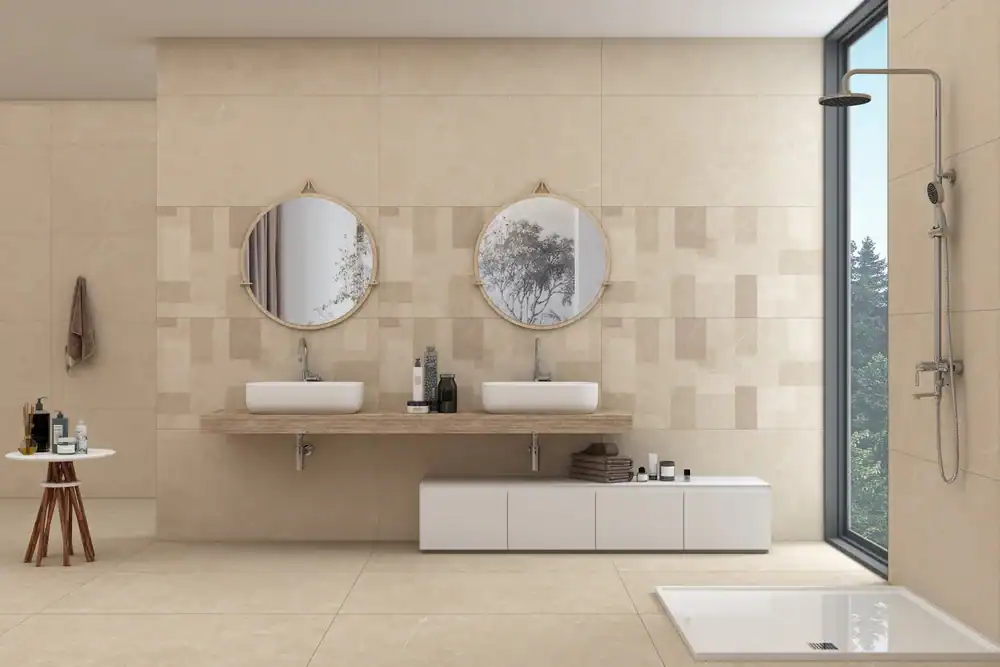
The restoration itself covers crack and chip repair, stain removal, scratch elimination, and full surface refinishing. If your bathroom marble needs work, we handle showers, vanities, and floors with the same attention we give to larger spaces. Marble repair isn’t one-size-fits-all—different damage requires different solutions.
For Napeague homeowners, the coastal environment creates specific challenges. Higher humidity year-round affects how marble absorbs moisture and how quickly certain types of damage develop. We account for this in both our restoration process and our sealing recommendations. What works for marble in a dry climate won’t hold up here.
You also get guidance on proper marble floor care after we’re done. Most damage we see comes from using the wrong cleaning products. We’ll tell you exactly what to use and what to avoid so your floors stay in good condition long-term. This isn’t complicated—it just requires knowing which common household cleaners will destroy your marble and which ones won’t.
Marble restoration typically costs between $3 and $15 per square foot depending on the condition and type of work needed. That includes repair, honing, polishing, and sealing.
Replacement costs $70 to $190 per square foot for new marble installation in the Napeague area. You’re paying for new material, demolition and disposal of the old floor, substrate preparation, and installation labor. For a 200-square-foot entryway, restoration might run $1,500 to $3,000. Replacement could easily hit $15,000 to $30,000.
The cost difference gets even larger when you factor in what you lose with replacement. If you’re in a historic home, original marble floors add value that new material can’t replicate. Buyers specifically seek out authentic period features, and well-maintained original floors can increase your property value by 3% to 5% according to local real estate data.
Yes. Etching from acidic cleaners is one of the most common problems we fix. Most household cleaners—even ones marketed as “natural” or “safe”—contain acids that eat through marble’s surface. This creates dull, white spots that look like stains but are actually chemical damage to the stone itself.
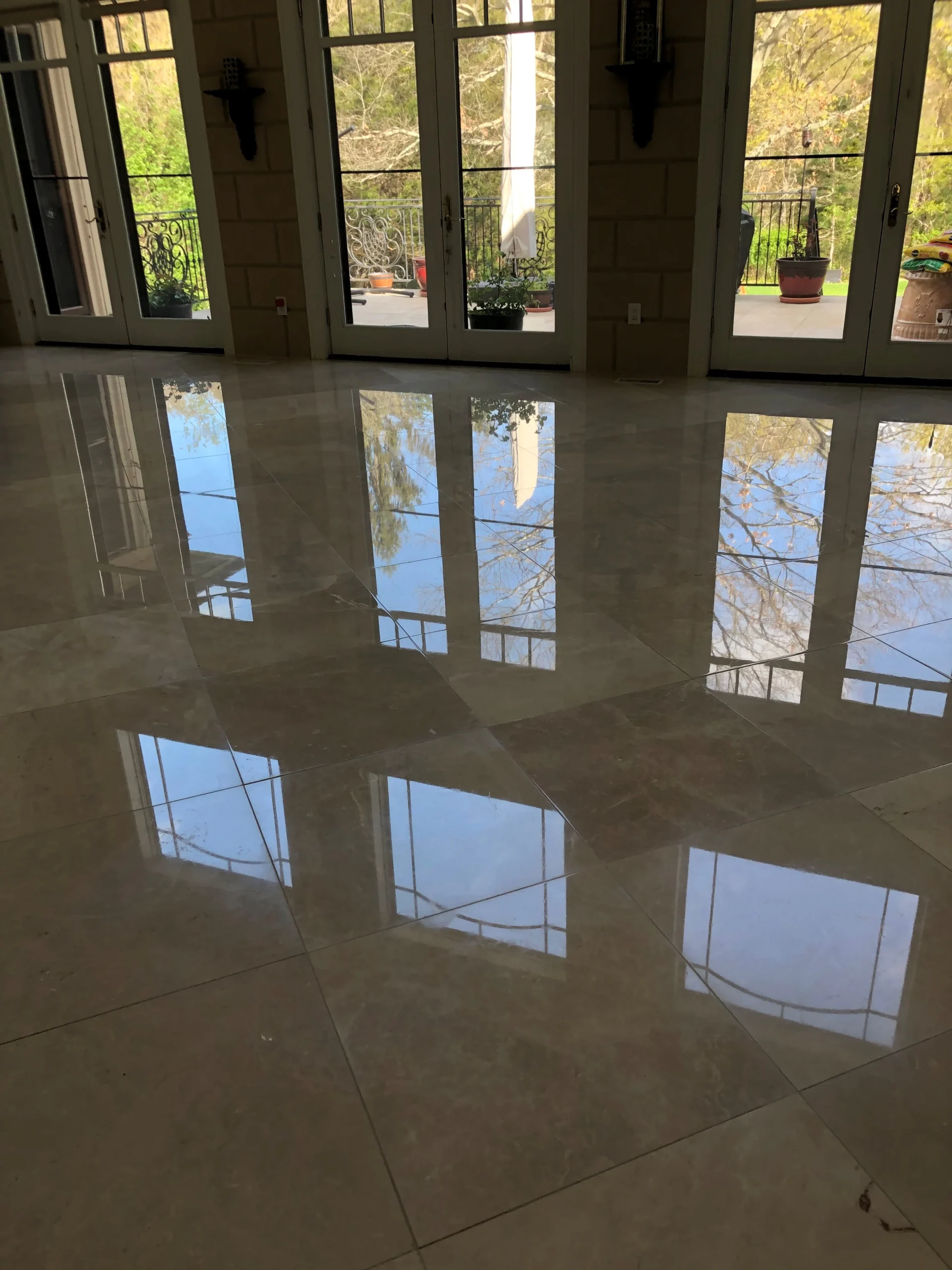
The restoration process removes the damaged layer entirely through controlled grinding and honing. We take off just enough material to get below the etching, then polish the surface back to its original finish. The marble underneath is undamaged—you’re just seeing it again for the first time in years.
For Napeague homes near the water, we see this damage accelerated by humidity. Moisture makes acidic cleaners penetrate deeper and work faster. If your floors look progressively worse despite regular cleaning, the cleaning itself is probably the problem. We’ll show you exactly what caused the damage and what you should be using instead.
Most residential marble restoration jobs take one to two days depending on square footage and damage severity. A typical entryway or bathroom might be done in a single day. Larger spaces like a full first floor could take two days.
You can stay in the house during the work. We section off the area we’re working on and keep dust contained. The equipment is loud, so if you’re working from home or have young children, you might want to plan around that. But there’s no reason you need to leave entirely.
The floors are walkable within a few hours of completion, though we recommend waiting 24 hours before putting furniture back or using the space heavily. If we’ve applied a penetrating sealer, it needs time to cure properly. We’ll give you specific timing based on what products we use and what Napeague’s current humidity levels are. Coastal moisture affects cure times, so our recommendations account for local conditions, not just manufacturer guidelines.
Old marble is actually ideal for restoration. The material used in historic homes—often Carrara or similar Italian marble—is typically higher quality than what’s available today. It was quarried differently, cut thicker, and installed with techniques that prioritized longevity.
The challenge isn’t the age of the marble. It’s understanding how it was originally finished and what’s happened to it over the decades. Marble from the 1890s through 1920s was often hand-polished using methods that created a different surface texture than modern mechanical polishing. We match the original finish so the restored floor looks period-appropriate, not like it was redone with contemporary techniques.
We’ve worked on floors throughout Nassau and Suffolk Counties that are 100+ years old. The worse the condition, the more dramatic the transformation. If your marble has decades of built-up damage, improper repairs, or coatings that previous contractors applied incorrectly, we remove all of that and get back to the original stone. That’s the kind of work we specifically focus on—the projects other companies avoid because they’re too complex or time-intensive.
Polishing is the final step in refinishing. Refinishing is the complete process—it includes repair, grinding, honing, and polishing. Most people use the terms interchangeably, but knowing the difference helps you understand what you’re actually paying for.
Refinishing starts with fixing structural problems. Cracks get filled, chips get repaired, and loose sections get re-set. Then we grind the surface to remove deep scratches, etching, and stains. Grinding uses coarse abrasives to essentially shave off the damaged layer of marble.
Honing comes next. This smooths the surface using progressively finer abrasives until the marble is uniform but not yet shiny. Honing removes the scratches left by grinding and prepares the surface for the final step.
Polishing brings back the shine. We use very fine abrasives and polishing compounds to create the glossy, reflective finish marble is known for. This is what makes the stone look wet and brings out the depth and color. Some historic floors were originally finished with a honed (matte) surface rather than polished. We match whatever the original finish was, not just default to high-gloss because that’s what most people expect.
Yes. We restore marble floors, bathroom vanities, shower walls, and countertops. The process is similar regardless of location, but bathrooms require extra attention to sealing because of constant moisture exposure.
Bathroom marble restoration often involves dealing with soap scum buildup, hard water staining, and etching from shampoo or cleaning products. These aren’t just surface issues—they’ve usually penetrated into the stone over years of use. We remove all of that during the grinding and honing process, then seal the marble with products designed specifically for wet environments.
Napeague’s coastal humidity makes bathroom marble particularly vulnerable. Moisture in the air accelerates how quickly water-related damage develops, and it affects how well sealers perform over time. We use penetrating sealers that work with the stone rather than sitting on top of it, and we give you specific maintenance guidance for high-moisture areas. The goal is to restore your bathroom marble once and have it stay in good condition, not need repeated work every few years because the wrong products were used.