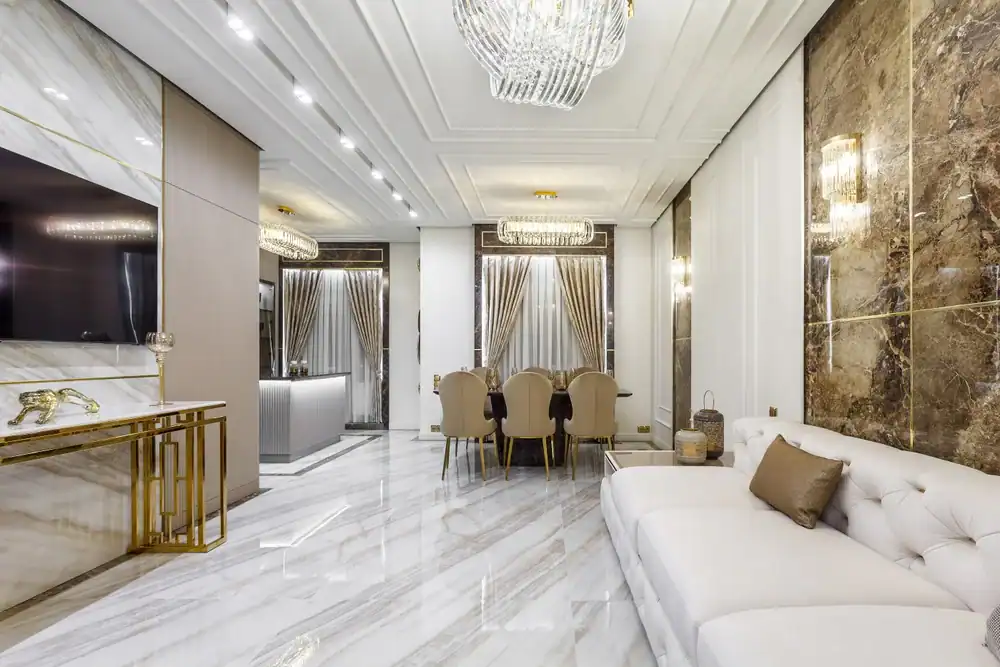
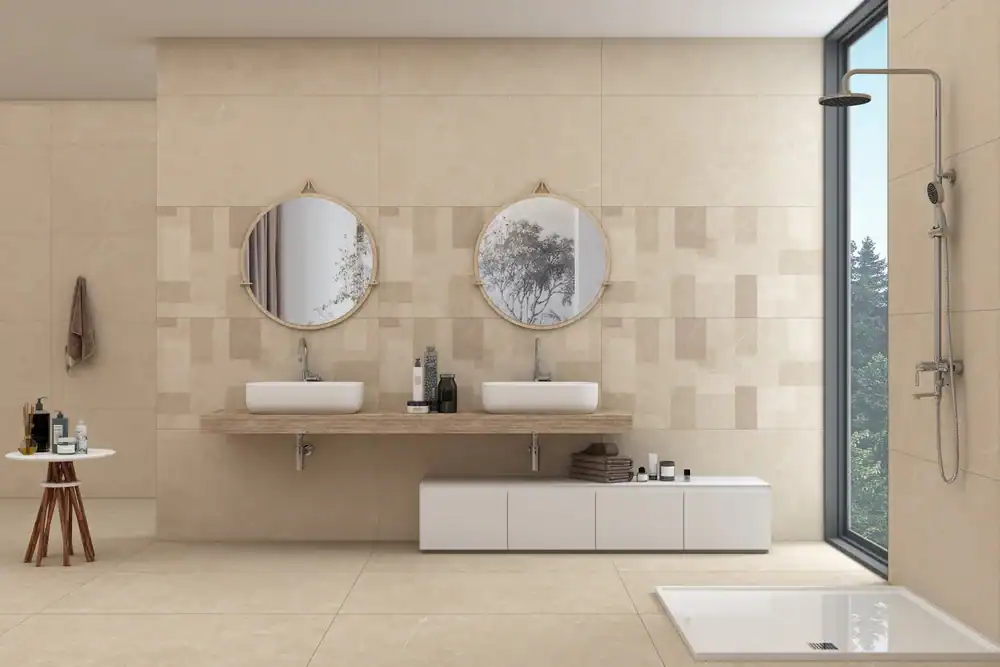
You’re not looking at marble floor restoration because everything’s fine. Your floors are dull, scratched, maybe stained from decades of use. The character that drew you to your Lynbrook home is fading, and you’re wondering if replacement is the only option.
It’s not. Professional marble floor polishing and restoration costs a fraction of replacement while delivering results that last 10-15 years in residential settings. New marble installation runs $70-190 per square foot on Long Island. Restoration? Significantly less, and most jobs wrap up in under two days.
Here’s what matters more than cost: restored marble floors can increase your property value by 3-5%. Buyers pay premium prices for authentic, well-maintained historic features. You’re not just fixing a floor. You’re protecting an investment and preserving the authentic character that makes historic Lynbrook homes worth owning.
The difference between a restoration that lasts 15 years versus one that fades in 3 comes down to technique. Age brings complexity. Complexity requires expertise.
High Definition Marble Restoration Inc specializes in floors that make other contractors nervous. Century-old marble. Historic installations with materials you can’t replicate today. The worse the condition, the better we like it.
Owner Joseph G. Lupo personally oversees every marble restoration project in Lynbrook and throughout Nassau County. When the New York Times covered our work in 2001, it wasn’t because we do basic refinishing. It’s because we understand how historic marble behaves, what it needs, and how to bring it back without compromising its integrity.
Lynbrook’s mix of historic homes and coastal environment creates unique challenges for marble surfaces. Salt air, humidity, temperature swings, and Long Island’s notoriously hard water all accelerate wear. We account for these conditions in every restoration, which is why our work lasts longer than surface-level fixes.
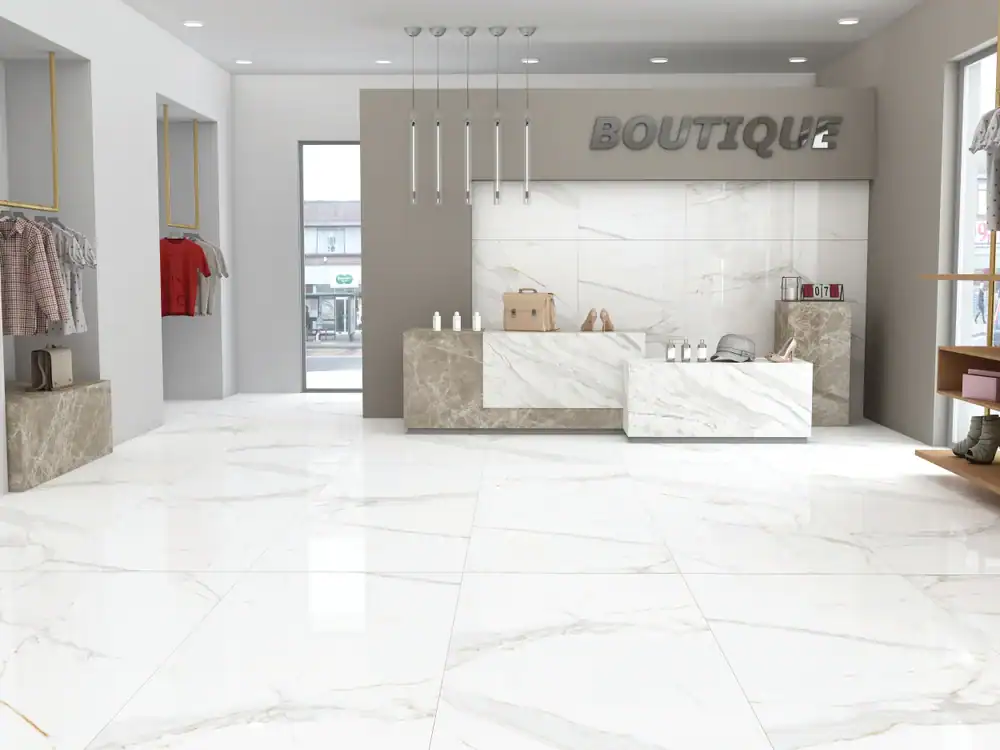
We start with an honest assessment. Not every floor needs full restoration, and we’ll tell you if yours doesn’t. If it does, here’s what happens.
First, we evaluate the damage. Scratches, etching, stains, and dullness all require different approaches. Historic marble often has issues modern floors don’t face, so we look at the stone itself, how it was installed, and what’s happened to it over the decades.
Next comes the actual marble repair and restoration work. We use diamond abrasives in progressively finer grits to remove damage and rebuild the surface. This isn’t buffing. It’s precision grinding that eliminates scratches and etching at the molecular level. Then we hone and polish the marble to the finish level you want, from matte to high-gloss.
Finally, we seal and protect. Long Island’s environment is tough on marble, so we apply commercial-grade sealers that account for humidity, hard water, and daily wear. We also walk you through proper marble floor care so your restoration lasts the full 10-15 years.
Your space stays protected throughout. We mask everything, contain dust, and clean thoroughly. Most residential jobs finish in less than two days.

Ready to get started?
You get transparent pricing upfront. No surprises, no upsells once we start. You know exactly what you’re paying before we touch your floor.
Every marble floor restoration includes damage assessment, multi-stage diamond grinding, honing to your preferred finish level, and protective sealing designed for Long Island’s coastal conditions. We handle bathroom floor restoration differently than living spaces because moisture and hard water require specific approaches. If your marble is in a high-traffic area, we adjust our technique and sealer choice accordingly.
Historic Lynbrook homes often feature marble types and installation methods you don’t see anymore. Terrazzo inlays, hand-cut borders, materials quarried from sources that no longer exist. We’ve worked on century-old floors throughout Nassau County, and we understand how these materials respond to restoration. That knowledge matters when you’re dealing with irreplaceable surfaces.
We also offer concrete restoration and polishing, which is becoming increasingly popular in Lynbrook’s mix of historic and modern properties. Same precision approach, different material.
What you won’t get: a crew that doesn’t understand what they’re working on. Every project gets owner oversight. Our reputation in the Nassau County community depends on delivering exactly what we promise, which is why we back our work with a comprehensive warranty covering both the restoration process and protective sealing.
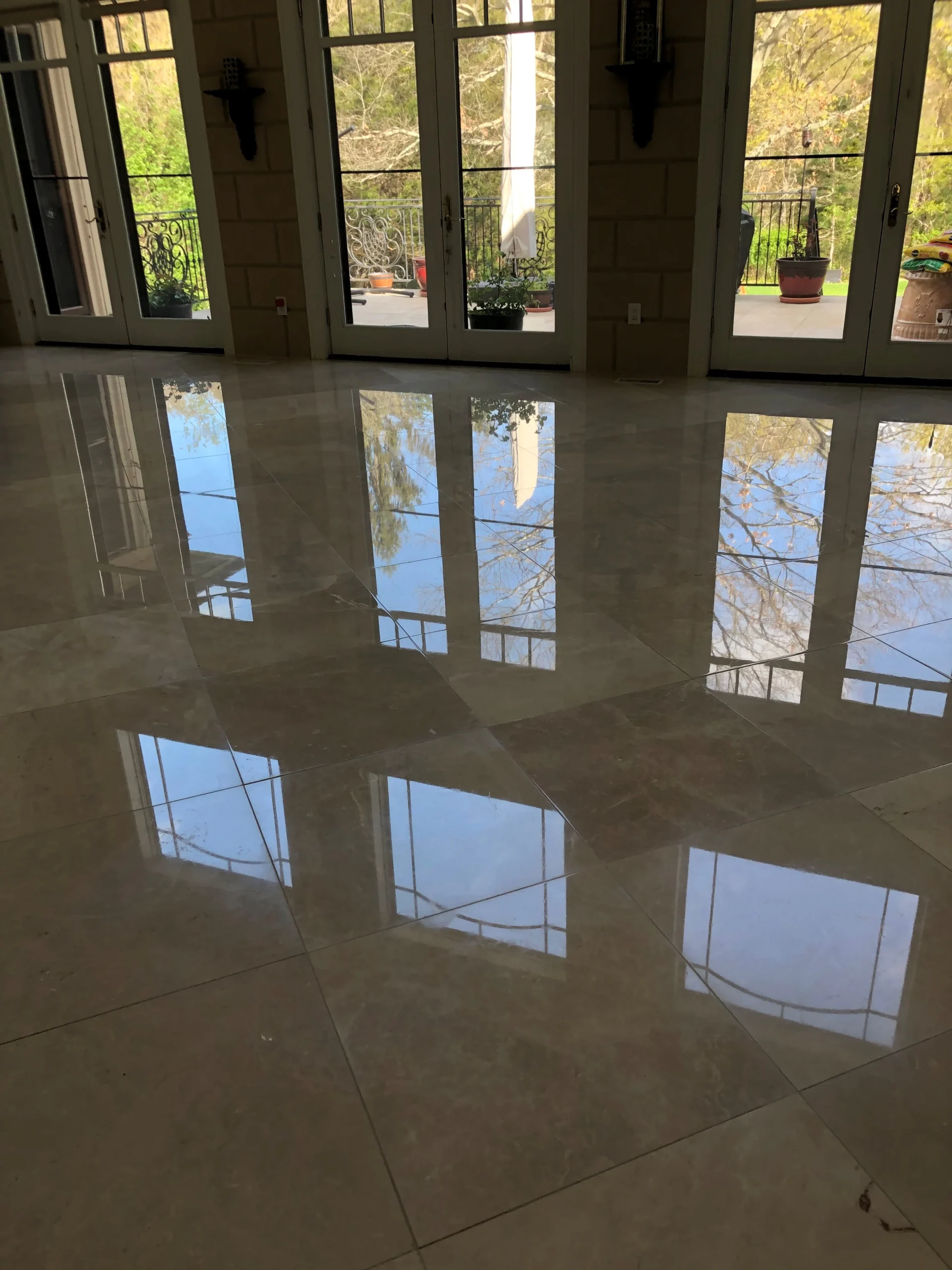
Professional marble restoration typically lasts 10-15 years in residential settings throughout Nassau County. That timeline assumes normal use and proper maintenance, which we’ll walk you through after the job.
Here’s what affects longevity: traffic levels, whether you’re using the right cleaning products, and how well the marble was sealed. Long Island’s coastal environment and hard water can accelerate wear if the wrong sealer is used, which is why we choose products specifically rated for humid, high-mineral conditions.
Historic properties often see even longer-lasting results when restoration honors the original installation methods. Century-old marble was typically set with techniques that differ from modern approaches, and understanding those differences matters. The floors in your Lynbrook home have survived decades because they were built right. Restoration that respects that craftsmanship lasts longer.
Yes, significantly. New marble installation runs $70-190 per square foot on Long Island when you factor in materials, labor, and disposal of your existing floor. Professional marble floor polishing and restoration costs a fraction of that while preserving the authentic character of your historic Lynbrook home.
Here’s the math that matters: restoration also takes less time. Most residential jobs finish in under two days versus the week or more required for full replacement. Less disruption, lower cost, better outcome.
There’s another factor people overlook. Original marble in historic homes often came from quarries that no longer operate or used cutting techniques you can’t replicate today. Replace it and you lose something irreplaceable. Restore it and you maintain authentic features that buyers pay premium prices for. Well-maintained original floors can increase property value by 3-5%, which makes restoration an investment, not just a repair.
Most damage is fixable if you catch it before it compromises the structural integrity of the stone. Dullness, scratches, etching from acidic spills, water stains, and even deep gouges can typically be restored through professional marble repair and refinishing.
What makes damage worse is DIY attempts with the wrong products. Commercial marble cleaners marketed to homeowners often contain acids or abrasives that create uneven patches or deepen etching. We see this constantly in Nassau County homes where well-meaning owners tried to fix problems themselves. The good news: we can usually reverse that damage too.
The only marble we can’t restore is marble that’s cracked through or has pieces missing. Even then, we can often repair sections and blend them so seamlessly you’d never know. Historic floors in Lynbrook homes sometimes have damage from settling or structural shifts over decades. Those require assessment before we commit to restoration, but most are salvageable.
Proper marble floor care is simpler than most people think, but it requires knowing what not to do. Never use vinegar, lemon juice, or any acidic cleaners on marble. Never use abrasive scrubbers or generic “all-purpose” cleaners. These cause etching and dullness that undo professional restoration.
What works: pH-neutral stone cleaners, soft microfiber mops, and immediate cleanup of spills. Long Island’s hard water leaves mineral deposits on marble if you let water sit, so wipe up splashes in bathrooms and kitchens right away. For weekly cleaning, a damp mop with stone-specific cleaner is enough.
We provide specific product recommendations and a maintenance guide after every restoration. Following those guidelines is what gets you the full 10-15 year lifespan from your restored marble. Most people who see their restoration fade early either used the wrong products or skipped resealing when recommended. We’ll tell you exactly when your marble needs resealing based on traffic and use patterns in your specific Lynbrook home.
Yes, and this is one of the most common requests we get from homeowners throughout Nassau County. Long Island’s hard water creates unique challenges for bathroom floor restoration because mineral deposits, soap scum, and humidity work together to damage marble surfaces over time.
The restoration process for bathrooms requires extra steps. We remove mineral buildup that’s penetrated the stone, address etching from soap and shampoo products, and apply sealers specifically rated for high-moisture environments. Standard sealers don’t hold up in bathrooms, especially in Long Island’s humid coastal climate.
What matters after restoration: ventilation and regular cleaning. Run your bathroom fan during and after showers. Wipe down marble surfaces weekly with a pH-neutral cleaner. Consider a water softener if hard water is severe throughout your home. These steps prevent the damage from returning and protect your investment. We’ve restored marble bathrooms in Lynbrook homes where previous owners didn’t know proper maintenance, and the difference proper care makes is dramatic.
Yes. We specialize in natural stone restoration, which includes granite, limestone, travertine, and terrazzo. We also offer concrete restoration and polishing, which is becoming increasingly popular in both residential and commercial properties throughout Lynbrook.
Polished concrete has become one of the fastest-growing flooring trends because it’s durable, low-maintenance, and works in modern and industrial-style spaces. We use the same precision diamond-grinding approach we apply to marble, creating finishes from matte to high-gloss depending on what you want.
What we don’t work on: porcelain. It requires completely different tools and techniques, and we’d rather refer you to someone who specializes in it than deliver subpar results. Our focus stays on natural stone and concrete because that’s where our expertise delivers the best outcomes. If your Lynbrook home has historic stone floors of any type, or if you’re considering concrete restoration for a basement or commercial space, we can handle it.