


You’re not looking at dull, stained marble anymore. The surface reflects light the way it did when your home was built. Water doesn’t leave marks, and you’re not embarrassed when people walk through your entryway.
That’s what proper marble floor restoration does. It removes years of etching, staining, and wear without tearing out irreplaceable materials. You avoid the $15,000+ replacement bill and keep the original craftsmanship that makes your Kensington home worth more.
Most homeowners don’t realize their marble can look new again. They’ve tried cleaners that made it worse or hired someone who didn’t understand historic materials. The result is more damage and wasted money. When you work with someone who actually knows how to restore 100-year-old floors, you get a surface that lasts another century.
High Definition Marble Restoration Inc has worked on some of the oldest homes in Nassau County. We’re not a cleaning company that dabbles in stone. We’re specialists in historic marble restoration, and we’ve been doing this since 1998.
The New York Times featured our work in 2001 because we handle the jobs other contractors won’t touch. The worse your floor looks, the better we make it look. That’s not marketing talk—it’s what we do every day in Kensington and across Long Island.
You talk directly to the owner. No subcontractors, no runarounds. When you call, you’re getting someone who’s spent 25+ years restoring floors that most people would rip out and replace.
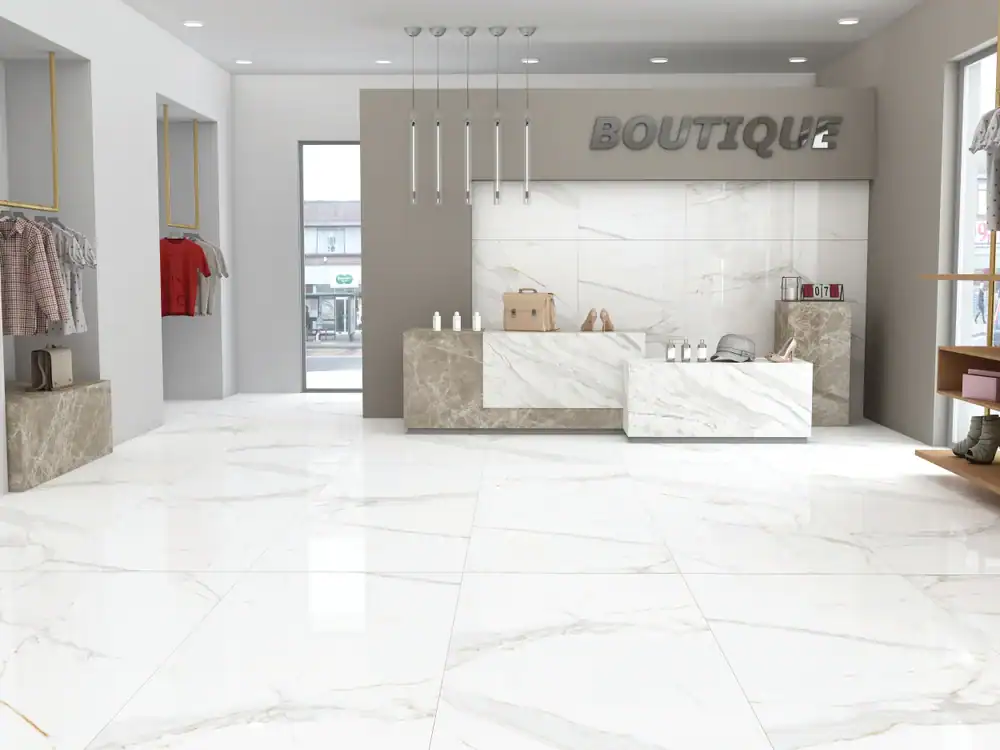
First, we assess the damage. Not every marble floor needs the same treatment. Some need full restoration with diamond abrasives to remove deep etching. Others just need polishing and sealing. We tell you what your floor actually needs, not what makes us the most money.
Next, we prep the area and start the restoration process. For historic floors, that usually means grinding down to remove damage, then honing the surface smooth. We work through progressively finer grits until the marble is perfectly level. Then we polish it to the finish you want—high gloss, satin, or honed matte.
The final step is sealing. This protects your investment and makes daily maintenance simple. Most jobs take less than two days, and we use dustless equipment so your home stays clean. You’re not dealing with weeks of construction mess like you would with replacement.

Ready to get started?
You’re getting a complete restoration, not a surface cleaning. That means we remove scratches, etching, stains, and lippage (uneven tiles). If you have cracks or chips, we repair those before polishing. The goal is a floor that looks and feels like new marble.
Kensington has a lot of historic homes with original marble from the early 1900s. These floors were installed differently than modern tile, and they need someone who understands old construction methods. We know how to work with thin-set mortar beds and hand-cut stone that’s not perfectly uniform.
We also handle bathroom floor restoration, entryways, foyers, and commercial spaces. If you’re renovating and want to add polished concrete in your basement or kitchen, we do that too. It’s a newer service we’ve added because the demand is there, and it fits with what we already do well—bringing old surfaces back to life.
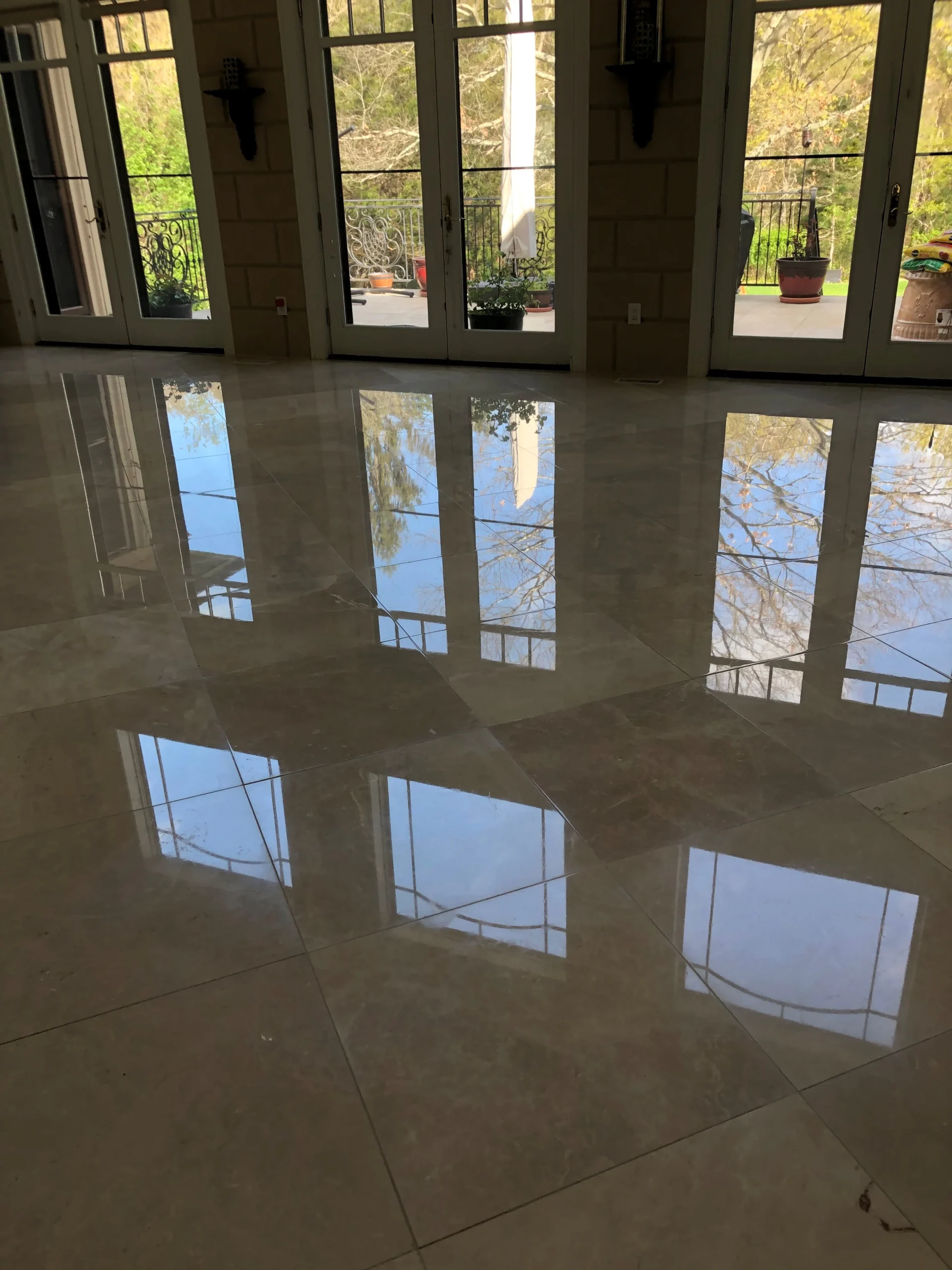
Restoration typically costs 50-80% less than full replacement. You’re looking at saving anywhere from $8,000 to $15,000 depending on square footage and condition.
Replacement means demo, disposal, new material, installation labor, and often wall repairs where the old marble meets your baseboards. Marble prices have gone up significantly, and when you add everything together, it gets expensive fast. Restoration skips all of that. We work with what’s already there, and in most cases, your original marble is higher quality than what you’d buy new today.
The other cost people forget is time. Replacement takes weeks. Restoration takes one to two days in most homes. You’re back to normal life faster, and you’ve kept the character that makes your Kensington home special.
Yes, we restore century-old marble floors regularly. In fact, that’s our specialty. The older and more damaged the floor, the better the transformation.
Old marble is usually thicker and higher quality than modern tile. It can handle aggressive restoration because there’s more material to work with. We’ve restored floors that homeowners thought were beyond saving—deep scratches, acid damage, years of improper cleaning. As long as the marble isn’t structurally compromised (major cracks, missing sections), it can be brought back.
The key is working with someone who understands historic installation methods. These floors weren’t laid the same way modern tile is installed, and if you don’t know what you’re doing, you can cause more damage. We’ve been doing this since 1998, and we’ve seen every type of old floor Nassau County has to offer.
Most residential jobs take one to two days depending on square footage and damage level. You can walk on the floor immediately after we’re done, but we recommend waiting 24 hours before moving furniture back.
The process itself involves grinding, honing, polishing, and sealing. Each step has to be completed properly before moving to the next. We don’t rush it. If your floor needs repair work first, that adds time, but we’ll tell you upfront what to expect.
After sealing, the floor needs a bit of time to cure fully. You won’t hurt it by walking on it, but heavy furniture or rugs should wait a day. We give you specific care instructions before we leave so you know exactly how to maintain the finish.
Polishing is surface-level work. It brings back shine on marble that’s in decent shape but has dulled over time. Restoration is deeper—it removes damage, levels the surface, and rebuilds the finish from scratch.
If your marble just looks a little tired but doesn’t have scratches, etching, or stains, polishing might be enough. It’s faster and less expensive. But if you’ve got real damage—water marks that won’t come out, rough patches, dull spots that don’t respond to cleaning—you need restoration.
We assess your floor and tell you which one makes sense. Some companies will sell you a full restoration when polishing would work fine, or they’ll try to polish a floor that actually needs grinding. We’ve been doing this long enough to know the difference, and we’re not interested in upselling you on work you don’t need.
No. We use dustless equipment and take precautions to protect your walls, baseboards, and surrounding areas. You’re not dealing with dust clouds or accidental damage.
The equipment we use has built-in vacuum systems that capture dust as we work. We also tape off edges and cover anything that needs protection. This isn’t our first time working in occupied homes—we know how to do the job without tearing up your space.
If your baseboards are already damaged or loose, we’ll point that out before we start. Sometimes old homes have settling or previous water damage that’s unrelated to the floor work. We’re not going to cause new problems, and we’ll make sure you know what’s what before we begin.
We work on marble, terrazzo, limestone, travertine, and concrete. We don’t service porcelain—it’s a completely different material that requires different methods.
Each stone type has its own characteristics. Marble is softer and more prone to etching. Terrazzo is incredibly durable but can have issues with cracking or dullness. Limestone and travertine are porous and need careful sealing. Concrete polishing is newer for us, but it’s becoming popular for basement renovations and modern kitchen floors.
If you’re not sure what type of stone you have, we can identify it when we come out for a quote. Sometimes homeowners think they have marble when it’s actually limestone or travertine. Knowing the material matters because the restoration approach changes based on what we’re working with.