


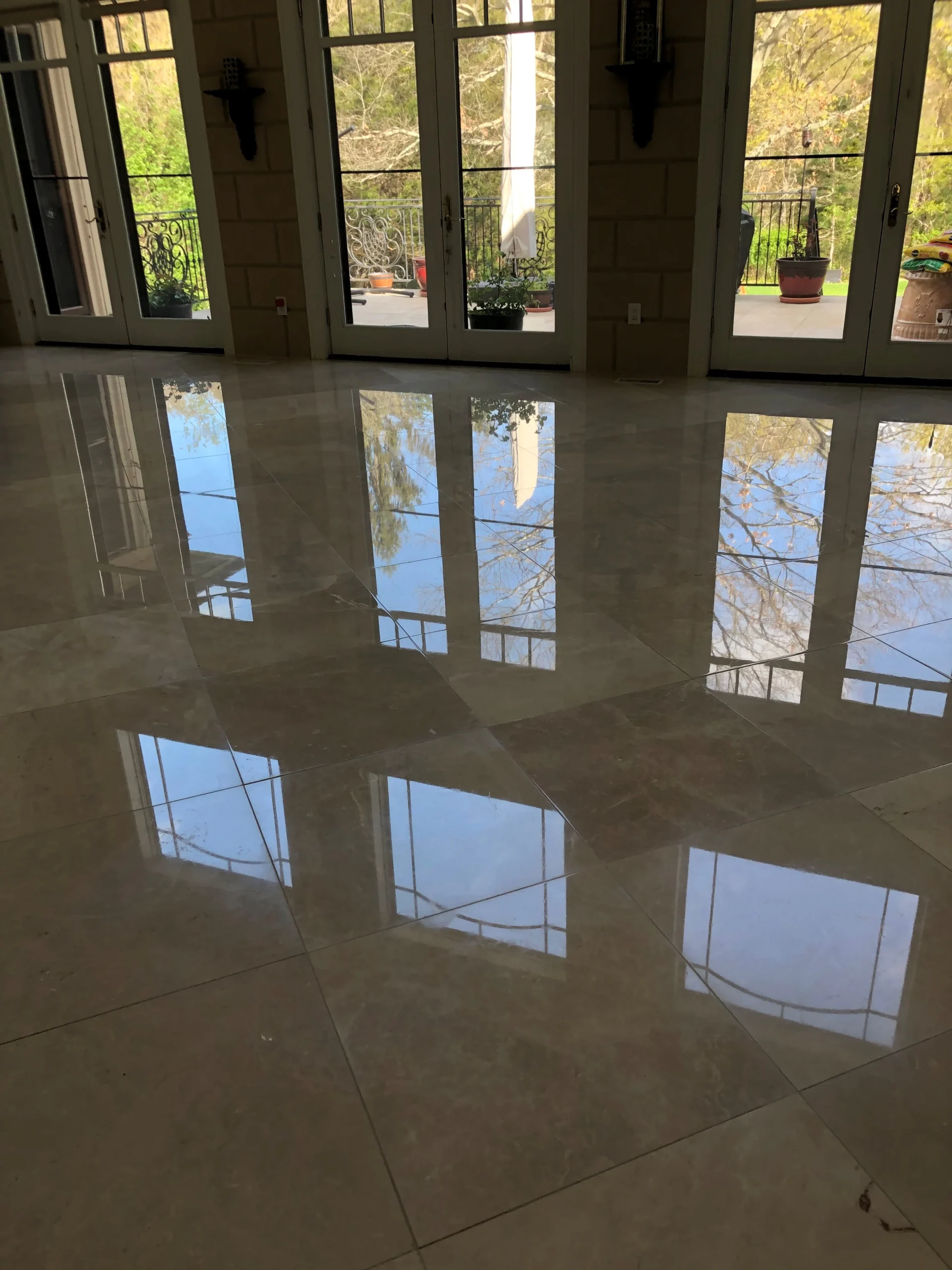
You’ll walk into a room that feels completely different. The marble that looked dull, scratched, and tired now has depth, clarity, and a mirror-like finish. The grout that was discolored and grimy is clean and uniform again.
This isn’t a temporary fix. You’re looking at floors that will hold up for years without constant maintenance, because we’re not just polishing the surface—we’re restoring the integrity of the stone itself using methods designed for materials that have been in place for 100+ years.
If you’ve been told your floors need to be replaced, or if another contractor already tried sanding them down and made things worse, this is what proper marble floor restoration actually delivers. You get the original beauty back without losing thickness, without weakening the material, and without the cost of a full renovation.
High Definition Marble Restoration has been restoring historic floors in the New York area since 1998. We’re not a franchise. You work directly with Joe Lupo, the owner, who’s been featured in the New York Times for his expertise in bringing century-old stone back to life.
Most restoration companies avoid the difficult projects—the floors that are severely worn, discolored, or damaged by previous bad work. That’s exactly what we specialize in. The worse the floor, the better the result, because we understand how old materials behave and what they need to look right again.
Inwood and the surrounding areas are full of pre-war buildings with original marble in lobbies, bathrooms, and entryways. These floors weren’t designed to be sanded down every few years. They need careful grinding, honing, and polishing with the right techniques—and that’s what we’ve been doing for over 25 years.
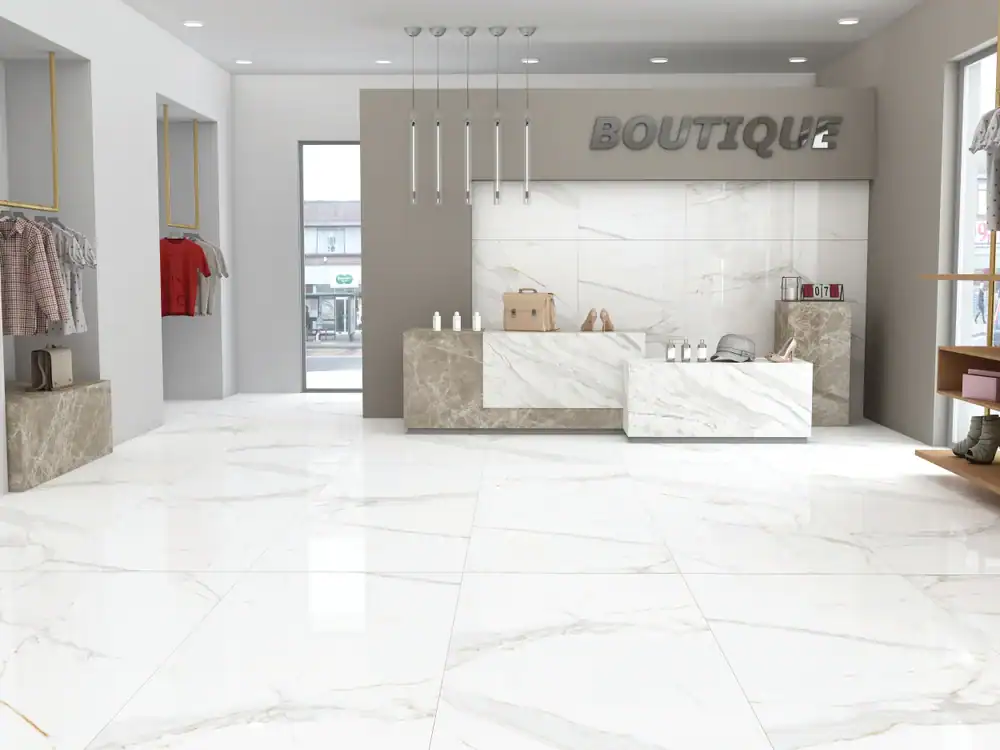
We start by assessing the condition of your marble or stone. That means looking at the level of wear, any previous damage from improper restoration, the type of stone, and how old it is. This tells us what process your floor actually needs—not what’s fastest or easiest for us.
Next comes grinding and honing. We use diamond abrasives to remove scratches, etching, and surface damage without taking off more material than necessary. This is especially important on historic floors where thickness matters. We work through multiple grits to bring the surface back to a smooth, even plane.
Then we polish. This is where the clarity and shine come back. We’re not applying a coating that will wear off in six months—we’re bringing out the natural finish of the stone itself. The result is a floor that looks like new but still has the character and authenticity of the original installation.
For bathroom floor restoration or smaller areas, the process is the same. We also offer marble repair for cracks, chips, or missing sections, and we’ve recently added concrete restoration and polishing for buildings with terrazzo or poured floors from the same era.

Ready to get started?
You get a free quote with transparent pricing before any work starts. No surprises, no upselling once we’re on site. We’ll tell you exactly what your floors need and what it’s going to cost.
The work itself includes full surface preparation, grinding, honing, polishing, and cleanup. If you need marble floor care advice after the job is done, we’ll walk you through it. Most clients are surprised at how low-maintenance properly restored marble actually is.
We also handle grout cleaning and repair as part of the process, because even perfect marble looks bad with stained, cracked grout lines. In Inwood and nearby areas, we see a lot of buildings from the 1920s and earlier where the grout has darkened or deteriorated over time. That gets addressed during restoration—not as an add-on.
If your project involves landmark or historic preservation requirements, we’re familiar with those standards. A lot of older buildings in New York are subject to Landmarks Preservation Commission oversight, and we know how to restore floors in compliance with those regulations. You’re not going to get flagged for using the wrong methods or materials.
Restoration is almost always cheaper than replacement, and the gap is bigger than most people expect. A full bathroom renovation in New York starts around $12,000 and goes up quickly from there. Marble floor restoration for the same space typically runs a fraction of that cost.
You’re also avoiding the mess, timeline, and coordination headaches that come with demolition and reinstallation. Restoration doesn’t require you to move out, rip up subfloors, or deal with contractors from multiple trades. We come in, do the work, and you’re back to using the space the same day or next day in most cases.
The other advantage is that you’re keeping the original material. If you have 100-year-old marble, you’re not going to find that quality or character in anything new. Replacement means settling for thinner, lower-grade stone or switching to a completely different material that won’t match the rest of your building.
Yes, and we do it regularly. A lot of the jobs we take on are floors that were made worse by aggressive sanding, harsh chemicals, or improper sealing. The good news is that most of that damage can be reversed if there’s enough material left to work with.
The main issue we see is contractors using methods designed for wood floors or modern stone on historic marble. They’ll sand too deep, too fast, and end up with an uneven surface or thin spots that create new problems. We have to go back in, level everything out, and restore the finish properly.
If your floor has already been worked on and it doesn’t look right, we can usually tell you within a few minutes whether it’s fixable. Some floors have been sanded so many times that there’s not much left, but that’s rare. Most of the time, there’s plenty of material to restore—it just needs someone who knows what they’re doing.
Most residential marble floor polishing projects take one to three days depending on the size and condition of the floor. A standard bathroom might be done in a day. A large lobby or entryway could take longer, especially if there’s significant damage or repair work involved.
You can walk on the floor as soon as we’re finished. There’s no curing time, no waiting for coatings to dry, and no off-gassing. We use a mechanical polishing process, not topical sealers, so the floor is ready to use immediately.
For commercial projects or larger spaces, we’ll work with you on timing and access. If you need us to work in sections so the building stays functional, we can do that. If you need us to work nights or weekends to avoid disrupting tenants or business operations, that’s also an option.
Honing and polishing are two different finishes, and which one you want depends on the look you’re going for and where the floor is located. Honing gives you a smooth, matte surface with no shine. Polishing gives you a glossy, reflective finish that brings out the color and depth of the stone.
Most people think of polished marble when they picture a restored floor—that’s the classic look you see in old hotel lobbies and historic buildings. It’s also more stain-resistant because the surface is denser and less porous. Honed marble has a softer, more contemporary look, but it will show water spots and etching more easily, especially in bathrooms.
We can do either finish depending on what you want, and we can also do a semi-polish if you’re looking for something in between. The process is similar either way—we’re still grinding and refining the surface—but the final passes determine whether you end up with a matte or glossy result. If you’re restoring a historic floor, polished is usually the right choice because that’s how it was originally finished.
We work on marble, terrazzo, limestone, travertine, and concrete. Each material requires a slightly different approach, but the fundamentals are the same—you’re removing damage, refining the surface, and bringing back the original finish without compromising the integrity of the material.
Terrazzo is common in older New York buildings, especially in lobbies and hallways. It’s a mix of marble chips and cement or epoxy, and it polishes up beautifully when it’s done right. Limestone and travertine are softer stones that need gentler methods, but they respond well to restoration if they haven’t been neglected for too long.
We’ve also started offering concrete polishing and restoration, which is becoming more popular in both residential and commercial spaces. A lot of buildings from the early 1900s have concrete floors that were covered up with tile or carpet. When you pull that up, you often find a solid concrete slab that can be ground, densified, and polished into a durable, attractive floor. We do not work on porcelain.
Properly polished marble doesn’t need to be sealed in most cases. The polishing process densifies the surface and closes up the pores naturally, so you’re not relying on a topical sealer that wears off and needs reapplication. That’s one of the main advantages of doing the restoration correctly from the start.
For maintenance, you’re looking at regular cleaning with a pH-neutral cleaner and nothing more in most situations. Avoid acidic cleaners, vinegar, or anything abrasive. A damp mop and the right cleaner will keep the floor looking good for years. If the surface starts to dull over time from heavy foot traffic, we can come back and re-polish it, but that’s typically a much simpler process than the initial restoration.
Bathroom floors see more water and soap exposure, so depending on the type of marble and how it’s used, a penetrating sealer might make sense. We’ll let you know if that’s the case during the initial assessment. Most of our clients are surprised at how little maintenance restored marble actually requires compared to what they were expecting.