You’re not looking at surface damage. You’re looking at decades of mineral deposits from Long Island’s hard water, etching from the wrong cleaning products, and wear patterns that tell the story of your home. Most contractors see this and either quote you for replacement or suggest a basic polish that won’t address the real issues.
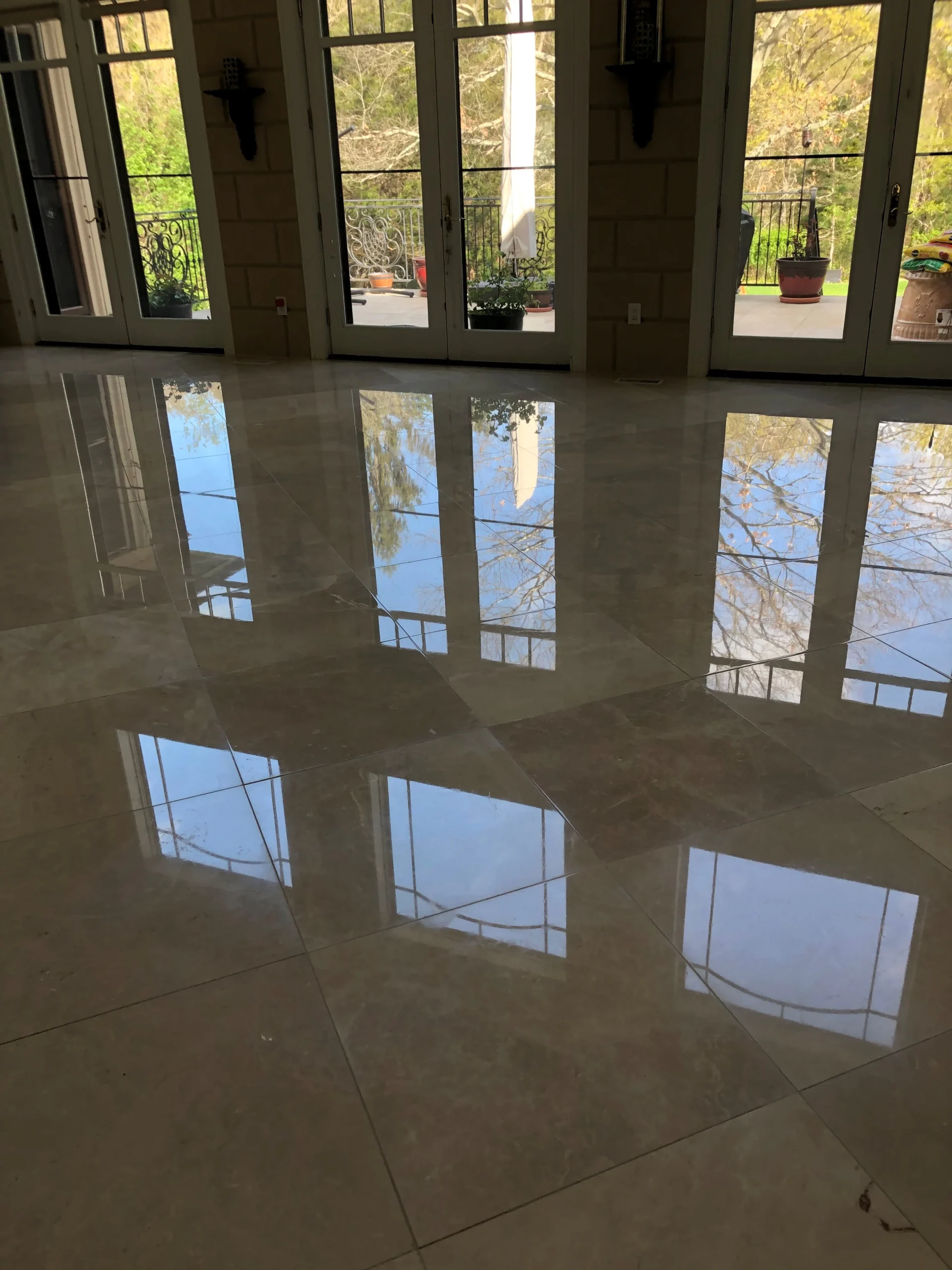
Proper marble floor restoration goes deeper. It removes the damaged layer, repairs cracks and chips at the molecular level, and rebuilds the surface using techniques specific to the age and composition of your stone. The result isn’t just shine – it’s structural integrity, stain resistance, and a finish that actually protects the marble instead of sitting on top of it.
Your floors end up looking like they did when your house was built, but with modern protection. No replacement costs. No losing the original materials that give your home its character. Just restoration done right by someone who’s been doing this since 1998 and knows exactly what 100-year-old marble needs.
We’ve been restoring historic floors across Nassau County since 1998. We’re owner-operated, which means you’re getting direct expertise on every project – not a subcontractor who learned marble restoration from a weekend training course.
Head of the Harbor homes present specific challenges. The village incorporated in 1928 to preserve its historic character, and about a quarter of homes here were built before the 1940s. That means original marble installations using techniques and materials that don’t exist anymore. When those floors need work, you need someone who understands what they’re actually made of.
We were featured in the New York Times back in 2001 for our restoration work, and we’ve built our reputation on taking the projects other companies turn down. The worse your floors look right now, the better the opportunity to show you what real restoration can do.
First, we assess what you’re actually dealing with. Not all marble damage is the same, and historic installations often have complications that won’t show up until we start working. We look at the stone’s condition, its age, how it was originally installed, and what kind of damage has accumulated. You get a transparent quote with realistic timelines before we start anything.
The restoration itself removes damaged material using diamond abrasives matched to your specific stone type. We’re not buffing the surface – we’re removing it in controlled stages until we reach undamaged marble. Then we rebuild the finish through progressive polishing, sealing the stone properly so it resists future staining and etching.
Most jobs take less than two days. We work dust-free in 99% of cases and protect surrounding areas so you’re not dealing with cleanup afterward. You’re involved throughout the process because historic homes often reveal surprises, and we’d rather communicate in real-time than make assumptions about your floors.

Ready to get started?
You’re getting comprehensive marble floor care that addresses both cosmetic and structural issues. That means crack repair, chip filling, stain removal, lippage correction if your floor has become uneven, and complete surface restoration from grinding through final polish. We also handle marble refinishing in bathrooms and other high-moisture areas where Long Island’s water quality creates specific problems.
We’ve added concrete restoration and polishing to our services because many Head of the Harbor homes have historic concrete foundations or floors that deserve the same attention as marble. The process is similar – remove damage, rebuild the surface, seal it properly – but the techniques are different enough that most marble companies won’t touch it.
What we don’t do is porcelain. We focus exclusively on natural stone and concrete because those materials require specialized knowledge that you can’t split across multiple surface types and still maintain real expertise. When you call us, you’re getting someone who knows marble and concrete inside and out, not a general flooring contractor trying to handle everything.
Head of the Harbor’s coastal environment and soil conditions put specific stress on flooring materials. Humidity fluctuations, temperature changes, and mineral-rich groundwater all affect how your floors age. We factor those conditions into every restoration because what works in other parts of Long Island won’t necessarily work here.
Replacement costs for historic marble floors in Head of the Harbor typically run $40-60 per square foot when you factor in removal, disposal, new materials, and installation. You’re also losing the original floors, which affects both your home’s character and its value to buyers who specifically want authentic historic features.
Professional restoration usually costs 40-60% less than replacement and takes a fraction of the time. Most of our jobs are completed in under two days versus the week or more you’d need for full replacement. You keep your original materials, avoid the disruption of a major renovation, and end up with floors that look new but maintain their historic authenticity.
The real value shows up in your property value. Well-maintained original floors in historic homes can increase property value by 3-5%, and buyers often pay premium prices for authentic restored features versus replacements. You’re not just saving money on the immediate project – you’re protecting your long-term investment.
Deep scratches and stains are exactly what we specialize in. Surface polishing won’t fix them because the damage goes deeper than the finish layer. We remove material down to undamaged marble, which eliminates scratches, etching, and stains that have penetrated the stone.
Water stains from Long Island’s mineral-rich water are particularly common in Head of the Harbor homes. Those white rings and cloudy areas look permanent, but they’re actually mineral deposits that have etched into the marble’s surface. We remove the etched layer entirely and rebuild the finish so the stains are gone at the structural level, not just covered up.
The worse your floors look right now, the better the transformation. We’ve restored floors that other contractors said needed replacement, and the results consistently surprise homeowners who assumed their marble was beyond saving. If you can still walk on it, we can probably restore it.
Properly restored and sealed marble floors should last 10-15 years before needing major work again, assuming normal residential use and proper maintenance. That timeline is significantly longer than what you get from surface treatments or improper restoration techniques that don’t address underlying damage.
The key is in how we seal the stone after restoration. We use penetrating sealers that protect from within rather than sitting on the surface where they wear off quickly. This gives you real stain resistance and makes routine cleaning easier because spills and dirt don’t penetrate the marble.
Your maintenance routine matters too. Avoid acidic cleaners, clean up spills promptly, and use pH-neutral products designed for natural stone. We’ll walk you through exactly what your specific floors need based on their location, use patterns, and the type of marble you have. Most homeowners find that proper restoration actually reduces their maintenance burden because protected marble is far easier to keep clean than damaged, unsealed stone.
Historic floors are our specialty. About 25% of homes in Head of the Harbor were built before the 1940s, and those properties often have original marble installations that require different techniques than modern materials. The composition, installation methods, and wear patterns are all different from contemporary marble.
Century-old floors were typically installed over substrates and with setting materials that don’t exist anymore. When we restore them, we need to account for how those original materials interact with modern restoration techniques. Using the wrong approach can cause more damage than it fixes, which is why general cleaning companies and newer restoration contractors often make historic floors worse.
We’ve been doing this since 1998, and a significant portion of our work involves floors that are 75-100+ years old. We understand how these materials age, what kind of damage they accumulate, and how to restore them without compromising their structural integrity or historic character. If your floors are original to a pre-war home, you need someone who’s done this before – many times.
We complete 99% of jobs dust-free using equipment that captures particles during the grinding and polishing process. You’re not dealing with marble dust coating your furniture or getting into your HVAC system. We also protect surrounding areas, baseboards, and adjacent rooms so the work stays contained to the floors we’re restoring.
Most residential projects take less than two days from start to finish. You’ll need to stay off the floors during work and for a few hours after we complete the final sealing, but you’re not looking at a week-long disruption. We schedule around your timeline and communicate clearly about when you’ll need to be out of the space.
The process itself involves some noise from the equipment, similar to running a floor buffer. If noise is a concern due to your schedule or neighbors, we can discuss timing that works for your situation. Head of the Harbor’s larger lot sizes typically mean noise isn’t an issue for adjacent properties, but we’re mindful of your household’s needs and will work with you on scheduling.
Polishing is a surface treatment that buffs the existing finish to create shine. It works if your marble is in good condition and just needs refreshing. Full restoration removes damaged material and rebuilds the surface from scratch, which is what you need when you’re dealing with scratches, etching, stains, or structural issues.
Most Head of the Harbor homes with original marble need restoration, not just polishing. Decades of wear, improper cleaning products, and Long Island’s hard water create damage that goes deeper than the surface. Polishing those floors might create temporary shine, but it won’t fix the underlying problems, and you’ll be back to square one within months.
We assess your specific situation during the quote process and tell you honestly what your floors need. If polishing will solve your problem, we’ll say so. If you need full restoration, we’ll explain why and show you what’s actually happening with your marble. The goal is to give you results that last, not to sell you more service than necessary.