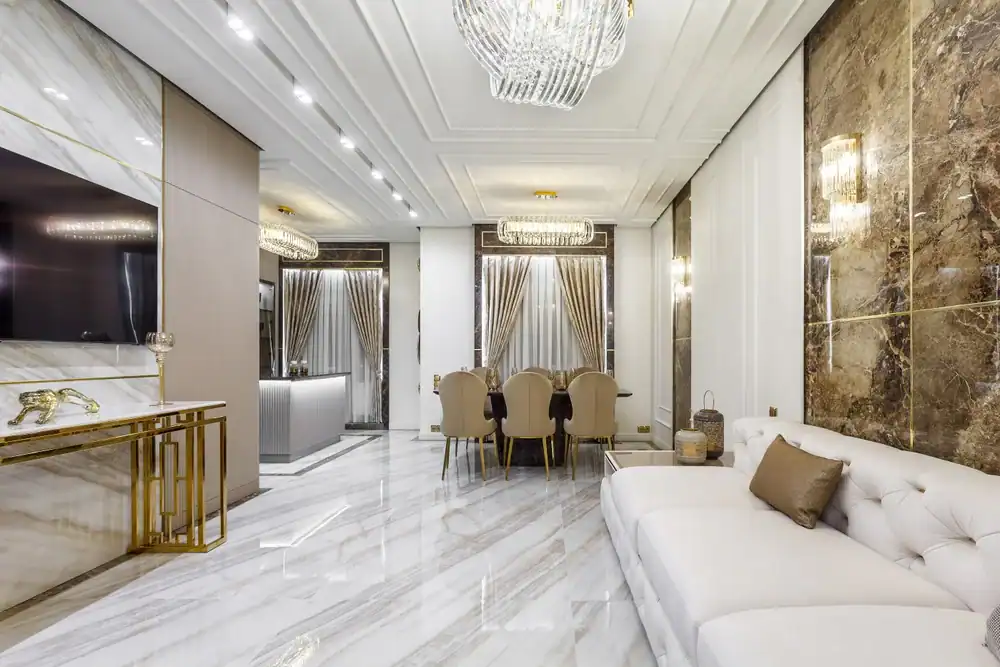
You’re not looking at a cleaning service. Marble floor restoration removes the damaged surface layer entirely and creates a new, uniform finish that addresses etching, dullness, and scratches at their source.
Most Fire Island homeowners don’t realize their marble has lost its shine until the contrast becomes obvious. High-traffic areas dull first. Then the etching starts—from wine, coffee, or even the wrong cleaning products dissolving the calcium carbonate in your stone.
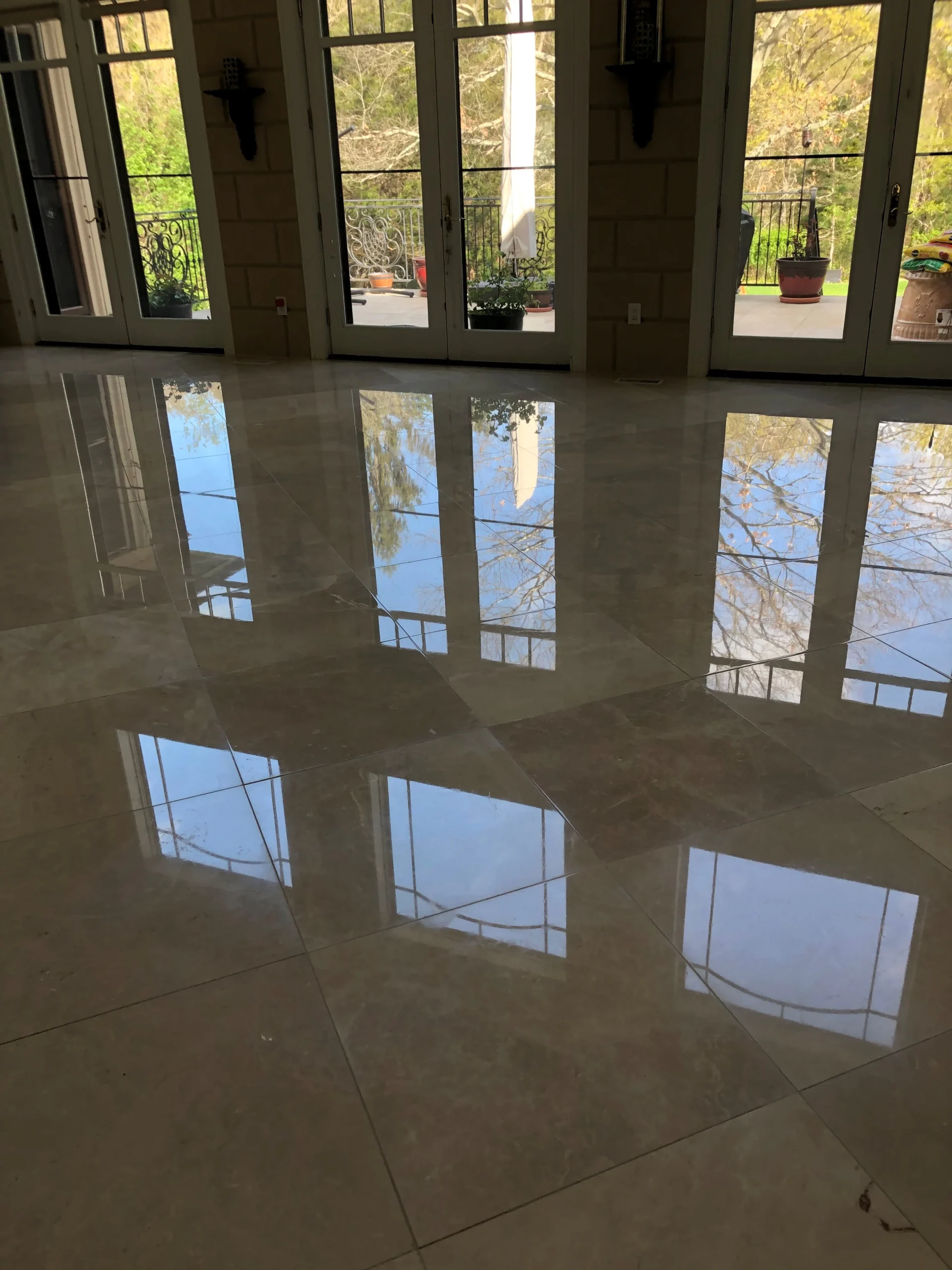
Here’s what changes after real restoration: the surface reflects light evenly again, the stone feels smooth under your feet, and you’re not wondering if you need to replace floors that have been in your home for decades. You get the original character back, plus guidance on how to maintain it long-term so you’re not calling someone back in six months.
Well-maintained original marble can increase your property value by 3-5%. Buyers pay more for authentic, restored features in historic Fire Island homes—especially when those floors look like they were installed yesterday.
We’ve been restoring historic floors across Fire Island and Long Island since 1998. The New York Times featured our work in 2001 because of one simple approach: the worse the floor, the better we make it look.
The owner personally oversees every project. You’re not getting a crew that showed up in a van yesterday—you’re getting someone who’s spent over 25 years working on century-old marble in Nassau and Suffolk County homes.
Fire Island properties face humidity and occasional flooding that affect ground-level marble installations. We’ve seen what happens when the wrong company uses harsh acids or abrasives on historic stone. It’s not fixable after that. Our process protects your investment and preserves what makes these floors irreplaceable.
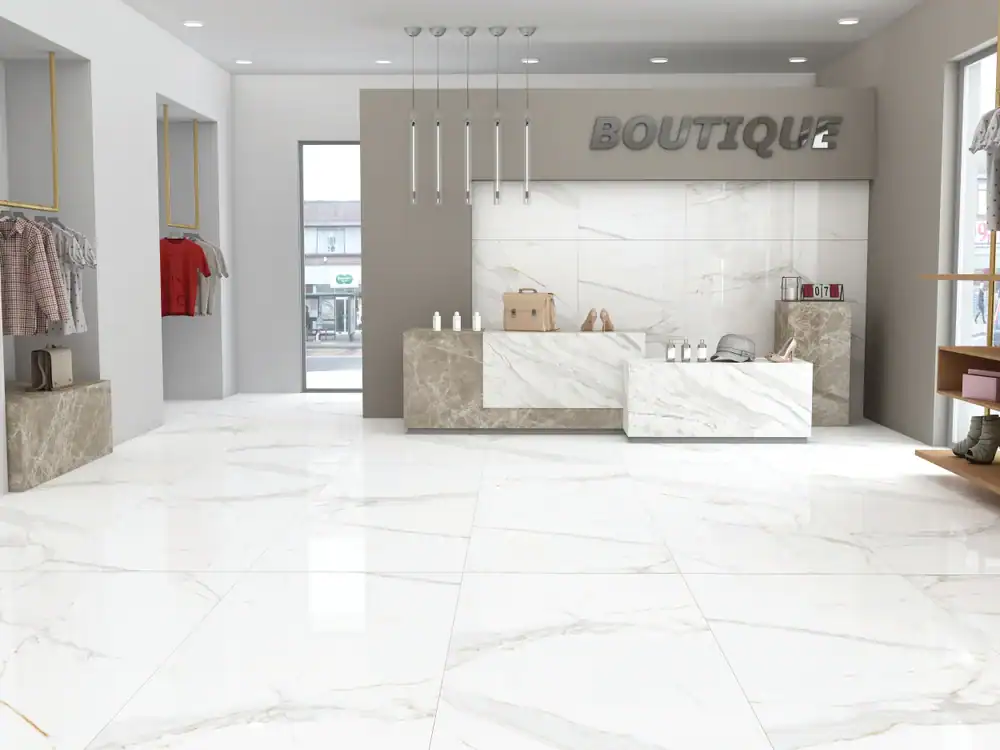
First, we assess the damage. Etching, scratches, and dullness all require different approaches, and we’ll tell you exactly what your floor needs before pricing anything out.
Next comes surface preparation. We use diamond abrasives—not acids or harsh chemicals—to remove the damaged layer of marble. This is precise work. Go too deep and you create new problems. Stay too shallow and the damage remains.
Then we refine the surface in stages, moving through finer grits until the stone starts reflecting light the way it did when it was first installed. Most jobs take less than two days for straightforward restoration work.
Finally, we seal and protect the surface. You’ll get specific guidance on maintenance—what products to use, what to avoid, and how to keep your floors looking like this without needing us back every year. We also handle concrete restoration and polishing now, so if you’ve got other surfaces that need attention, we can take care of those too.

Ready to get started?
You get a full surface renewal—not a deep clean with a buffer. That means addressing etching, removing scratches, restoring the polish, and sealing the stone so it’s protected moving forward.
Fire Island’s vintage homes often feature marble that was installed using techniques and materials you can’t replicate today. Replacement isn’t just expensive—it’s losing something you can’t get back. Restoration costs less, finishes faster, and keeps the authentic character intact.
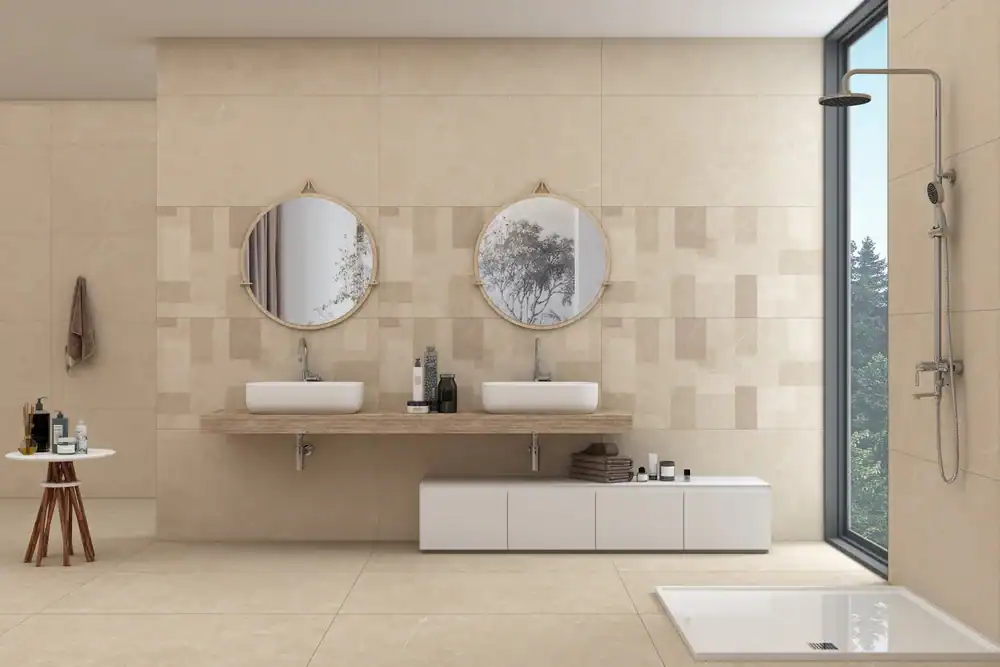
We also handle bathroom floor restoration, which tends to show damage faster due to constant moisture exposure. The same process applies: remove the damaged surface, refine it, restore the finish, and seal it properly.
Transparent pricing means you know what you’re paying before we start. No surprises, no upselling once we’re halfway through the job. Most homeowners are surprised that restoration is more affordable than they expected—and definitely more affordable than tearing out and replacing original marble.
Most straightforward marble restoration jobs take less than two days. That includes surface preparation, refinishing through multiple stages, polishing, and sealing.
The timeline depends on the floor’s condition and size. A small bathroom might be done in a few hours. A large entryway with significant etching and scratches could take the full two days.
We don’t rush the process. Each stage of refinement has to be completed properly before moving to the next, or you won’t get the finish you’re paying for. But we also don’t drag jobs out unnecessarily—you’ll have your space back faster than you’d get new flooring installed, and without the mess of demolition and replacement.
Yes. Etching from acidic cleaners is one of the most common problems we fix, and it’s also one of the most misunderstood.
When acidic substances—lemon juice, vinegar, wine, or certain cleaning products—contact marble, they dissolve the calcium carbonate in the stone’s surface. That creates dull spots that won’t buff out with regular cleaning. Scrubbing makes it worse by adding scratches on top of the etching.
Restoration removes that damaged surface layer entirely and creates a new, uniform finish. The etching disappears because we’ve taken the floor down to undamaged stone and rebuilt the surface properly. You’ll also get guidance on what products to avoid going forward so the problem doesn’t come back.
If your home has original marble—especially in a historic Fire Island property—restoration is almost always the better choice financially and aesthetically.
Replacement means tearing out irreplaceable stone, dealing with demolition mess, and installing new material that won’t have the same character or quality as what was originally there. It’s more expensive, takes longer, and you lose the authentic feature that adds value to your home.
Restoration costs less, finishes faster, and brings your existing floors back to their original condition. Well-maintained original floors can increase property value by 3-5%, and buyers specifically look for authentic, restored features in historic homes. You’re not just saving money—you’re preserving something that makes your property more valuable.
Polishing is maintenance. Restoration is repair. If your marble just needs a refresh and the surface is still in good condition, polishing brings back the shine without removing much material.
Full restoration is what you need when there’s etching, deep scratches, stains, or significant dullness that polishing won’t fix. We remove the damaged surface layer using diamond abrasives, refine the stone through multiple stages, and rebuild the finish from scratch.
Most Fire Island homeowners who contact us need restoration, not just polishing. The floors have been walked on for decades, cleaned with the wrong products, and exposed to acidic spills that created damage a buffer can’t fix. We’ll assess your floors and tell you exactly what they need—not upsell you on work that isn’t necessary.
Yes. We’ve added concrete restoration and polishing to our services, and it’s becoming one of our most requested offerings for Fire Island properties.
Polished concrete is durable, low-maintenance, and works well in basements, patios, and modern interior spaces. The process is similar to marble restoration—we refine the surface, bring out the aggregate, and seal it for long-term protection.
If you’ve got both marble and concrete surfaces that need attention, we can handle everything in one project. Same owner-operated quality control, same transparent pricing, and same disciplined approach to protecting your space during the work.
Maintenance is straightforward if you know what to avoid. Don’t use acidic cleaners—no vinegar, no lemon-based products, nothing labeled as “natural” that contains citrus. Stick to pH-neutral stone cleaners.
Wipe up spills quickly, especially wine, coffee, or anything acidic. The longer it sits, the more likely it is to etch the surface. Use mats in high-traffic areas and felt pads under furniture to prevent scratching.
After restoration, your floors will be sealed, which gives you some protection. But sealing isn’t permanent—it wears down over time depending on foot traffic and cleaning habits. We’ll give you specific guidance on when to reseal and what products to use so you can maintain the finish without needing professional help every year.