


Your marble looked incredible when it was first installed. Maybe that was last decade. Maybe it was last century.
Either way, you’re not looking at that floor anymore. You’re looking at dullness, scratches, etching from the wrong cleaners, or damage that’s gotten worse over time. And you’re wondering if restoration is even possible—or if you’re stuck replacing everything.
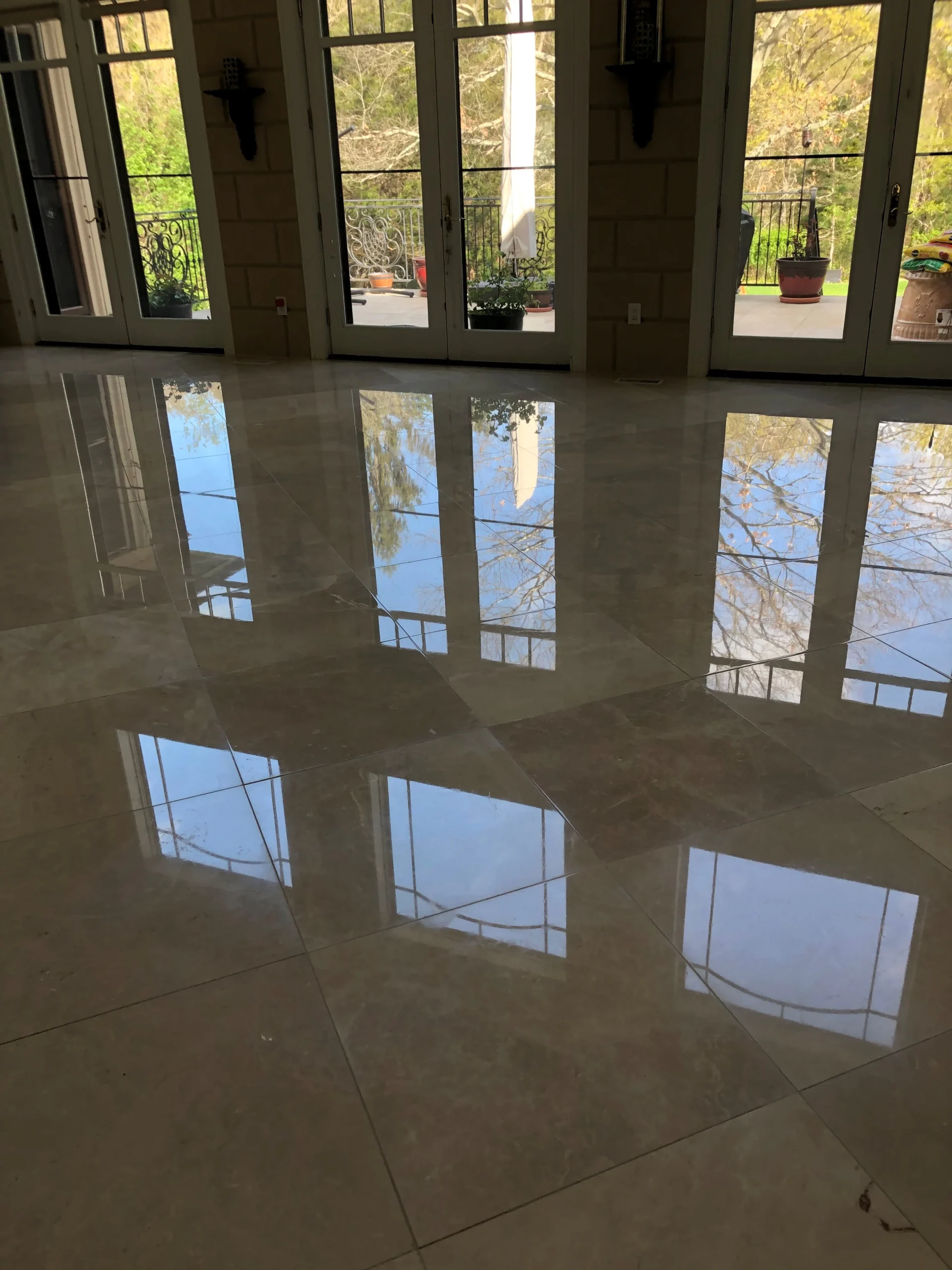
Here’s what most people don’t realize: if the marble itself is structurally sound, it can be restored. Not just “cleaned up a little.” Fully restored. Back to the finish it had when it was new, sometimes better.
That’s what marble floor restoration actually does. We’re not buffing the surface or applying a topical coating that’ll wear off in six months. We’re using diamond abrasives and professional honing techniques to remove damage, rebuild the finish, and bring back the depth and clarity your marble used to have.
Most jobs take less than two days. You’re not living in a construction zone for weeks. And when it’s done, you’ve got a floor that looks like it was just installed—without ripping out the original material that gives your Farmingdale home its character.
High Definition Marble Restoration Inc was built on a simple idea: the worse the floor, the better the opportunity to show what real restoration expertise looks like.
We’ve been doing this for over 25 years, and we were featured in the New York Times back in 2001 for our work on historic floors. That’s not something we bring up to brag. It’s context. This isn’t a side service we picked up last year. This is what we do.
Farmingdale and the surrounding Nassau County area are full of older homes—estates from the early 1900s, vintage properties with original marble that was installed using materials and techniques you don’t see anymore. Those floors need someone who understands how they were built, what they’ve been through, and how to bring them back without destroying what makes them valuable in the first place.
You’re not getting a crew. You’re getting an owner-operator who’s been in this trade for decades and knows exactly what your floor needs.

First, we assess the floor. Not every marble floor needs the same approach, and we’re not interested in selling you services you don’t need. We’ll look at the condition, the type of marble, the damage, and give you a straight answer about what’s required.
If restoration makes sense, we start with diamond grinding to remove scratches, etching, and surface damage. This is where most of the heavy lifting happens. We’re taking the floor down to a clean, level surface so we can rebuild the finish properly.
Next comes honing. This is where we start bringing back the smoothness and preparing the surface for polishing. Depending on the condition and the look you want, we’ll work through progressively finer abrasives until the marble is ready for its final finish.
Then we polish. This is what brings back that depth and shine—the look that made you fall in love with the floor in the first place. We’re not applying anything that sits on top of the stone. We’re bringing out the natural beauty that’s been there all along.
Most jobs wrap up in under two days. You’ll know the timeline upfront, and we’ll keep you updated throughout the process. No surprises, no delays, no runaround.

Ready to get started?
When we restore your marble floor, you’re getting a complete process—not a quick fix that looks good for a month and then fades.
That means diamond grinding to remove existing damage, honing to rebuild the surface, and polishing to restore the finish. It also means we’re addressing the specific issues your floor has, whether that’s etching from acidic cleaners, scratches from decades of foot traffic, or dullness from improper maintenance.
Farmingdale’s proximity to the water means a lot of homes here deal with humidity and occasional moisture issues. That can affect marble, especially in older homes where moisture barriers weren’t standard. If your floor has water damage or staining, we’ll address that too—not just cover it up.
We also handle marble repair for cracked or chipped tiles, though our specialty is restoration. If your marble is structurally intact but cosmetically damaged, that’s where we do our best work.
And because we know how many homeowners have accidentally made their marble worse by using the wrong products, we’ll walk you through proper marble floor care once the job is done. You’ll know what to use, what to avoid, and how to keep your floor looking the way it should.
This isn’t a cleaning service. It’s a full restoration, done right, by someone who’s been doing it longer than most companies in this space have existed.
Restoration typically costs less than half of what replacement would run you—and that’s before you factor in the time, the mess, and the loss of your original floor.
Replacement means ripping out the existing marble, disposing of it, sourcing new material, and installing it from scratch. You’re looking at weeks of work, serious disruption to your home, and a floor that no longer has the character or authenticity of the original.
Restoration means we work with what’s already there. Most jobs are done in under two days. You’re not dealing with demolition, and you’re not losing the floor that’s been part of your home’s history. For historic homes in Farmingdale, that matters. Original marble floors can actually increase your property value by 3-5% when they’re properly maintained, especially in older homes where authenticity is a selling point.
Yes. In fact, that’s our specialty.
Older marble floors come with challenges you don’t see in modern installations—different materials, different installation methods, decades of wear, and often decades of improper maintenance. But if the marble itself is structurally sound, it can be restored.
We’ve worked on floors throughout Nassau County that were installed in the early 1900s, back when Long Island’s Gold Coast estates were being built. These floors were made to last, and with the right expertise, they can look as good as they did a century ago.
The key is understanding how these floors were built and what they’ve been through. That’s not something you pick up from a weekend training course. It takes years of experience working with historic materials, and it takes knowing when to push forward and when to adjust the approach based on what the stone is telling you.
Yes, but only if the restoration process includes honing, not just polishing.
Etching happens when acidic substances—like vinegar, lemon juice, or most common household cleaners—eat away at the marble’s surface. You’re left with dull spots that won’t buff out no matter how much you clean.
Polishing alone won’t fix that. You need to remove the damaged layer through honing, then rebuild the surface and polish it properly. That’s the difference between a real restoration and a surface-level service that doesn’t actually solve the problem.
A lot of homeowners in Farmingdale have made their marble worse without realizing it, just by using the wrong products. If you’ve been cleaning your marble with anything that’s not pH-neutral and specifically designed for natural stone, there’s a good chance you’ve got etching. The good news is it’s fixable. The better news is once it’s fixed, we’ll show you how to maintain it so it doesn’t happen again.
Most residential jobs are completed in less than two days, depending on the size of the area and the condition of the marble.
If you’ve got a small bathroom or entryway, we might be done in a day. Larger spaces or floors with significant damage might take the full two days. Either way, you’re not looking at a week-long project that takes over your home.
We’ll give you a clear timeline upfront after we assess the floor. No vague estimates, no “we’ll see how it goes.” You’ll know what to expect before we start, and we’ll stick to it.
The reason we can move quickly is because we’ve been doing this for over 25 years. We know exactly what each floor needs, we’ve got the right equipment, and we’re not learning on the job. You’re getting efficiency that comes from experience, not rushed work that cuts corners.
Polishing is the final step in the process. Refinishing is the full process that gets you there.
If your marble just needs a fresh polish and the surface is in good shape, that’s a quicker job. But if you’ve got scratches, etching, dullness, or damage, you need refinishing—which includes grinding, honing, and then polishing.
Think of it this way: polishing brings out the shine. Refinishing rebuilds the surface so there’s something worth shining.
A lot of companies will try to sell you a polish when what you really need is a full refinishing job. Or worse, they’ll start grinding without knowing when to stop, and you end up with a floor that’s been damaged further. That’s why experience matters. We know what your floor needs, and we’re not going to upsell you or underdeliver.
Yes. We’ve recently added concrete restoration and polishing to our services.
Concrete restoration uses a lot of the same techniques and equipment as marble restoration—diamond grinding, honing, polishing—but it’s applied to concrete surfaces instead of natural stone. If you’ve got old concrete floors in a basement, garage, or commercial space that you want restored or polished, we can handle that too.
It’s a newer offering for us, but it’s built on the same foundation of expertise we’ve been using for marble work since 1998. Same attention to detail, same owner-operator involvement, same commitment to doing the job right.
If you’re in Farmingdale and you’ve got concrete that needs work in addition to your marble floors, we can take care of both. One call, one company, no need to coordinate multiple contractors.