
You’ve probably tried cleaning it yourself. Maybe you’ve even hired someone who promised results but left your marble looking duller than before. That’s because most people treat marble like it’s just another surface—and it’s not.
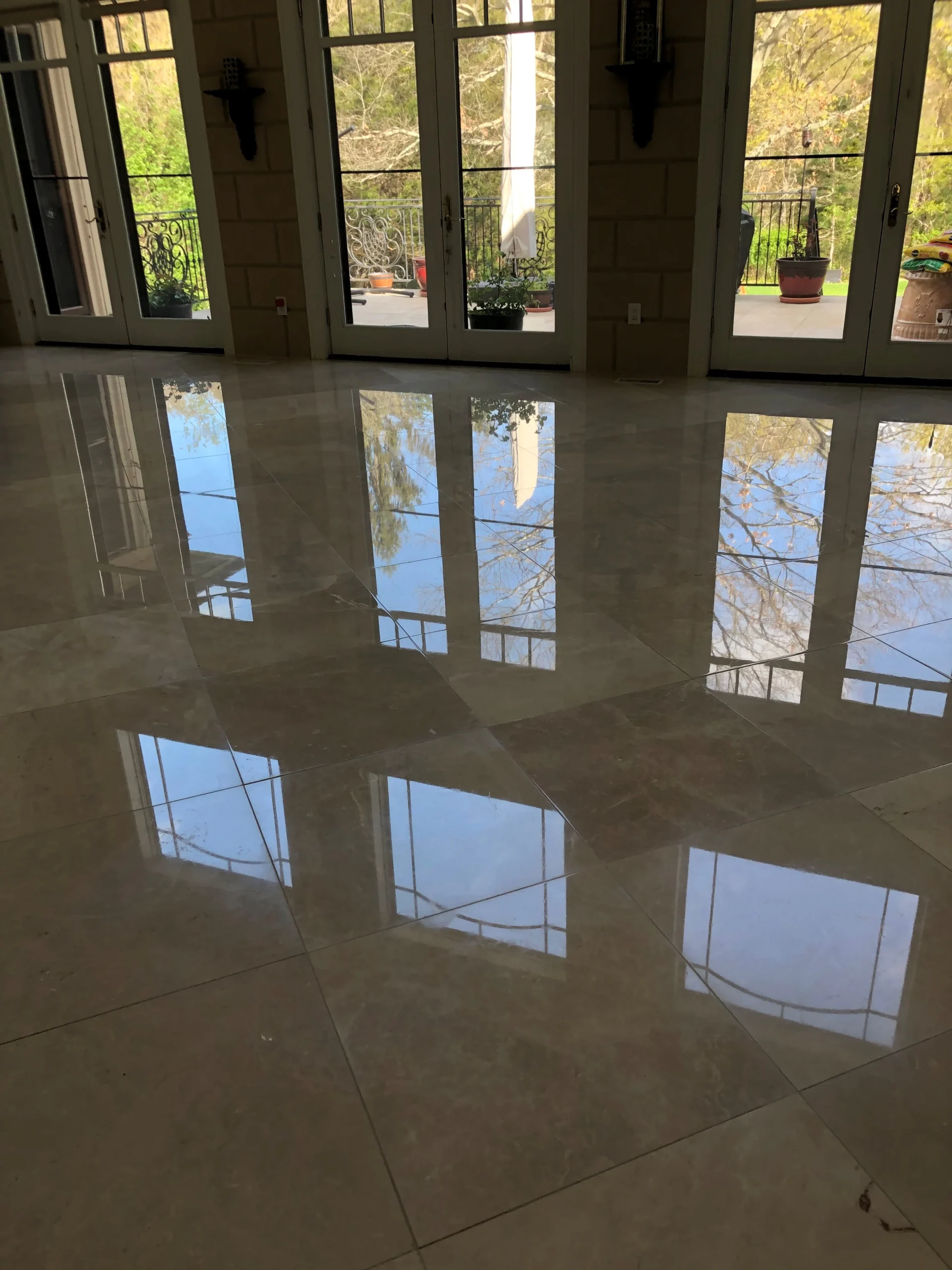
Real marble floor restoration brings back the depth, clarity, and mirror-like finish that made you fall in love with these floors in the first place. You’re not covering up damage or masking problems. You’re reversing years of wear, etching, and improper care using techniques designed specifically for the stone in your home.
Most of our marble restoration jobs in East Hills take less than two days. You get your space back fast, but the results last for years. Your floors won’t just look clean—they’ll look like they did when they were first installed, sometimes a century ago.
And here’s what matters most: you’re keeping the original material. In a market where buyers pay premium prices for authentic historic features, that’s not just about aesthetics. It’s about protecting one of the most valuable aspects of your property.
High Definition Marble Restoration Inc has spent over 25 years working on some of the most challenging floors in Nassau County. We’re not a cleaning company that dabbles in stone. We’re a marble restoration company that specializes in historic materials—the kind you find in East Hills’ Gold Coast-era homes.
The owner handles your project directly. No subcontractors. No handoffs. That matters when you’re working with 100-year-old marble that can be permanently damaged by the wrong technique or product.
We were featured in The New York Times back in 2001, and we’ve been the exclusive marble care provider for the Garden City Hotel for over 16 years. Those aren’t the kind of relationships you build by cutting corners. You’re hiring someone who’s seen every type of marble damage, every installation method, and every mistake that amateurs make—and knows exactly how to fix it.
First, we assess the condition of your marble. Not all damage is the same, and not all marble responds to the same treatment. We’re looking at the type of stone, the age of the installation, the severity of etching or scratching, and what’s been done to it over the years.
Then we start the restoration process. This isn’t buffing or topical polishing—it’s actual surface refinishing. We remove damaged layers of stone using diamond abrasives in progressively finer grits. Each pass removes scratches, etching, and dullness left by the previous grit until we reach the level of clarity the stone is capable of.
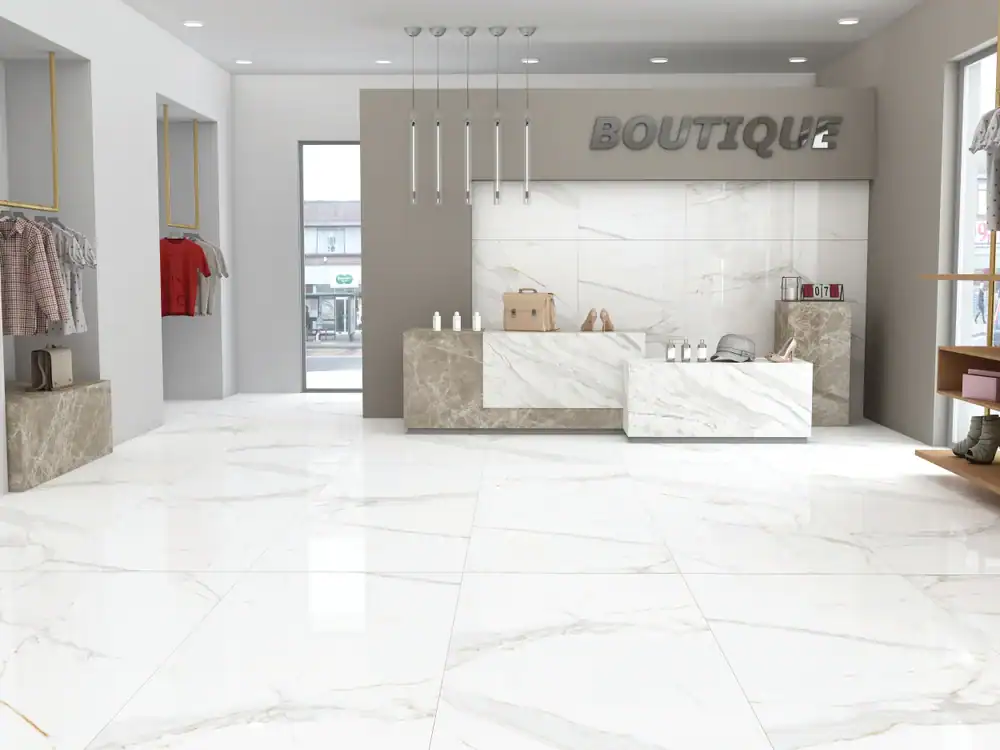
After that comes the polish. We’re bringing out the natural shine of the marble itself, not applying a coating that will wear off in six months. The result is a finish that’s both beautiful and durable—one that you can maintain with normal cleaning.
Most jobs are finished in under two days. You’ll see the difference immediately, but the real proof comes later: your marble stays beautiful because we’ve actually restored the surface, not just made it look better temporarily.

Ready to get started?
You’re getting a complete marble floor restoration—not a surface cleaning. That includes repair of chips and cracks, removal of stains and etching, grinding and honing to remove scratches, and polishing to restore the original finish.
In East Hills, we work on everything from entryway floors to full great rooms with original 1920s marble installations. These historic floors have specific challenges: old setting beds that have shifted over time, repairs done decades ago using incompatible materials, and wear patterns that reveal how the stone has been treated for generations.
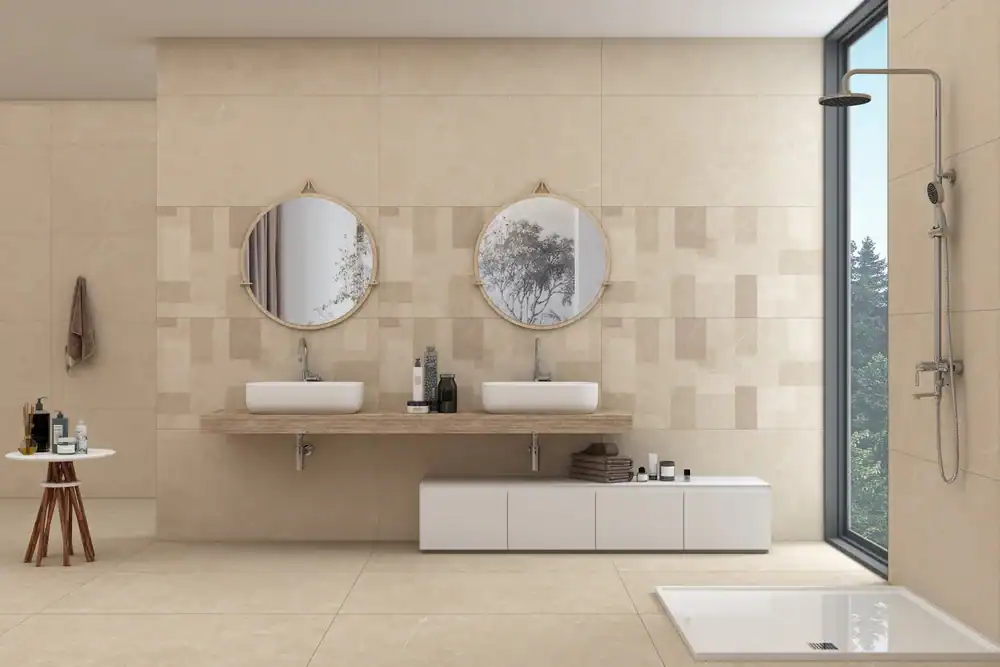
We also handle marble in bathrooms, kitchens, and other high-traffic areas where water damage and acidic cleaners have taken their toll. The process is the same—remove the damage, restore the surface, bring back the shine—but the approach changes based on what your specific floors need.
And because we’re owner-operated, you get direct communication throughout the project. You’ll know what we’re doing, why we’re doing it, and what to expect when we’re finished. No surprises, no runarounds, no wondering whether the person working on your floors actually knows what they’re doing.
Most marble floor restoration projects take less than two days from start to finish. The exact timeline depends on the size of the area, the condition of the marble, and whether you need repairs beyond standard refinishing.
A typical entryway or bathroom might be done in a single day. Larger spaces like foyers, living rooms, or full first-floor installations usually take two days. We’re not rushing—we’re efficient because we’ve done this thousands of times and know exactly what each step requires.
If your marble has significant damage—deep scratches, large cracks, or areas where previous repairs failed—that adds time. But we’ll tell you upfront during the quote exactly how long your specific project will take. Most East Hills homeowners are surprised by how fast the process is compared to replacement, which can take weeks and leave you without access to major parts of your home.
Yes. Historic marble restoration is actually what we get most excited about. The older and more challenging the floor, the better.
Marble from the 1900s and 1920s—common in East Hills’ Gold Coast-era homes—was often installed using techniques and materials that aren’t replicated today. The stone itself is usually higher quality than modern installations, but it’s also been subjected to a century of foot traffic, improper cleaning, and sometimes well-intentioned but damaging repair attempts.
We’ve restored original marble in homes throughout Nassau County, including floors that other companies said were too far gone. The key is understanding how these historic installations were done and what the stone can handle. You can’t treat 100-year-old marble the same way you’d treat a floor installed last year. We adjust our approach based on the specific conditions of your floors, and in most cases, we can bring them back to a condition that’s as good as—or better than—when they were first installed.
Cleaning removes dirt. Restoration removes damage. If your marble just needs cleaning, we’ll tell you—but most floors that homeowners think need cleaning actually need restoration.
When marble looks dull, it’s usually not because it’s dirty. It’s because the surface has been etched by acidic cleaners, scratched by abrasive pads, or worn down by years of foot traffic. No amount of cleaning will fix that. You need to refinish the surface itself.
Marble restoration involves grinding away the damaged layer of stone and re-polishing it to restore the original finish. It’s a physical process that actually changes the surface of the marble. Cleaning just addresses what’s sitting on top of the stone. That’s why floors that have been “cleaned” by other companies often look worse afterward—they’re using harsh chemicals and scrubbing methods that create more etching and dullness. Real restoration fixes the underlying problem, which is why the results last for years instead of weeks.
Yes. Restored original marble floors can increase your property value by 3-5%, especially in historic homes where authentic period features command premium prices.
Buyers in East Hills aren’t looking for generic finishes. They’re looking for character, craftsmanship, and materials that can’t be replicated. When you restore original marble instead of replacing it with modern alternatives, you’re preserving exactly what makes these homes valuable.
Real estate agents will tell you that well-maintained historic features are one of the top selling points in this market. Buyers see restored marble floors and immediately understand they’re looking at a home that’s been cared for properly. It signals quality, attention to detail, and respect for the property’s heritage—all things that translate directly into higher offers and faster sales when the time comes.
Maintenance is straightforward: use pH-neutral cleaners, clean up spills quickly, and avoid anything acidic or abrasive. That’s it.
After restoration, your marble has a renewed surface that’s naturally resistant to staining and etching—but only if you treat it right. Most damage happens because people use the wrong products. Vinegar, lemon-based cleaners, and harsh bathroom cleaners will etch marble on contact. Even some “stone-safe” products aren’t actually safe for polished marble.
We’ll tell you exactly what to use and what to avoid when we finish your project. For day-to-day cleaning, a damp mop with pH-neutral stone soap is all you need. For spills, just wipe them up quickly—don’t let acidic liquids like wine, coffee, or citrus juice sit on the surface. And skip the abrasive scrubbing pads entirely. Follow those simple rules, and your restored marble will stay beautiful for decades without needing professional attention.
Yes. Crack and chip repair is part of most restoration projects, especially on historic floors where settling and age have caused damage over time.
We use color-matched epoxy fills and specialized techniques to repair damage in a way that’s nearly invisible once the floor is polished. Small chips along edges, hairline cracks from settling, and even larger breaks can usually be repaired without replacing the affected tiles.
The key is doing the repair before the full restoration process. We fill and stabilize any damage first, then grind and polish the entire surface so the repair blends seamlessly with the surrounding marble. In many cases, you won’t be able to tell where the damage was unless you know exactly where to look. That’s especially important in historic homes where replacing even a single tile can be impossible—the marble used in 1920s installations often isn’t available anymore, and modern substitutes rarely match. Repairing and restoring the original material is almost always the better option.