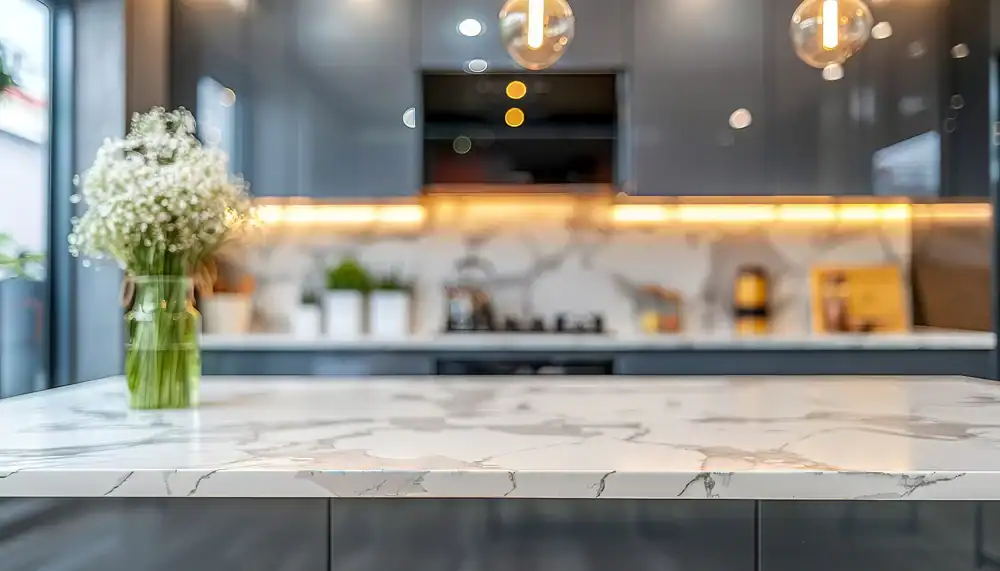
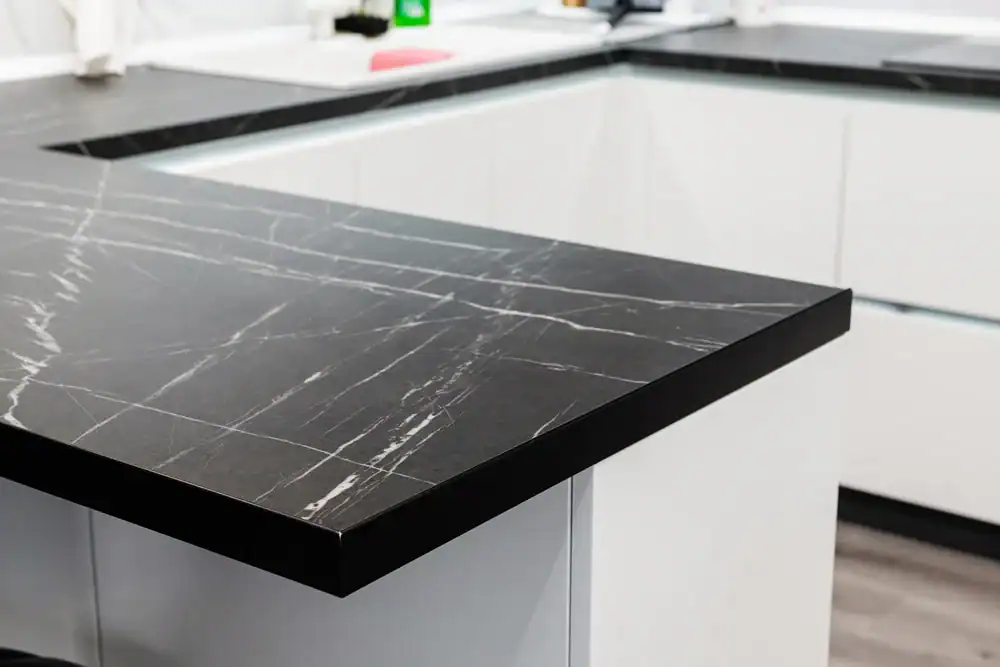
Your marble countertops don’t need to be ripped out and replaced. Professional restoration brings back the original beauty you fell in love with, often looking better than the day they were installed.
You save up to 80% compared to replacement costs. No demolition mess, no weeks of disruption, no matching headaches with existing surfaces.
The process takes 1-2 days instead of weeks. Your kitchen stays functional while we work, and you get results that last for years with proper care.
High Definition Marble Restoration Inc has been serving Central Islip and Long Island since 1998. We specialize in the kind of challenging restoration work that other contractors won’t touch.
Our owner-operator model means you work directly with the expert who understands your project inside and out. No subcontractors, no miscommunication, no surprises.
Featured in the New York Times for our expertise, we’ve built our reputation on transforming surfaces that others consider beyond repair. Long Island’s historic homes demand this level of specialized knowledge.
The restoration starts with a thorough assessment of your countertop’s condition. Every chip, etch mark, and stain gets evaluated to determine the best approach for your specific stone.
Next comes the repair phase. Cracks get filled with color-matched materials, chips are rebuilt, and deep stains are drawn out using specialized techniques. This isn’t surface-level work – it’s comprehensive restoration.
The final step involves honing, polishing, and sealing. Your countertops emerge with their original luster restored and protected against future damage. The difference is dramatic and immediate.
Ready to get started?
Your countertop restoration includes crack repair, chip reconstruction, etch mark removal, stain extraction, honing, polishing, and protective sealing. It’s a complete transformation, not just a surface treatment.
Central Islip’s historic homes often feature original marble installations from decades past. These surfaces require specialized knowledge of older stone types and traditional installation methods that modern contractors rarely understand.
Our service extends beyond countertops to include marble tub decks, vanities, and other stone surfaces throughout your home. Each surface gets the same meticulous attention to detail that has earned recognition in the New York Times.
Countertop restoration typically costs 60-80% less than full replacement. While new marble countertops can run $3,000-$8,000 installed, professional restoration usually ranges from $600-$2,000 depending on the extent of damage and square footage.
The savings go beyond just the upfront cost. You avoid demolition expenses, disposal fees, potential plumbing modifications, and the time cost of living without a functional kitchen for weeks.
Most importantly, you keep the original stone that was carefully selected for your space, maintaining the character and value that drew you to it in the first place.
Yes, even severely damaged marble can often be restored to like-new condition. Cracks, chips, deep etching, and stains that seem permanent can typically be repaired using specialized techniques and materials.
The key is working with someone who understands stone restoration, not just surface polishing. Deep repairs require color-matching compounds, proper bonding techniques, and the right sequence of honing and polishing steps.
Each situation is different, which is why a thorough assessment comes first. Some damage that looks devastating is actually straightforward to fix, while minor-looking issues might indicate deeper problems requiring more extensive work.
Most countertop restoration projects are completed in 1-2 days, depending on the extent of repairs needed and the total square footage. Simple polishing and sealing might be done in a single day, while extensive crack repair and rebuilding could extend to two days.
This is dramatically faster than replacement, which typically involves 2-3 weeks from template to installation. During restoration, your kitchen remains largely functional – you can still use the sink and appliances.
The restored surface needs 24-48 hours to fully cure before heavy use, but you can resume normal activities immediately after the work is complete.
Properly restored marble countertops often look better than new installations because the restoration process can achieve a level of polish and clarity that’s difficult to match during initial fabrication. The stone’s natural patterns and depth become more pronounced.
Professional restoration addresses issues that develop over time – like micro-scratches, dullness, and minor etching – that even well-maintained surfaces accumulate. The result is often superior to the original finish.
The key difference is working with someone who specializes in restoration rather than just maintenance. True restoration rebuilds damaged areas and brings the entire surface back to its original specification, not just its current condition.
Countertop restoration can address most common damage including etching from acidic substances, chips and cracks, water stains, heat marks, scratches, dullness, and discoloration. Even significant damage like large chips or multiple cracks can often be repaired.
The restoration process involves different techniques for different problems. Etching requires honing and repolishing, chips need rebuilding with color-matched materials, and stains might need extraction or grinding depending on how deep they penetrate.
Some damage that appears severe is actually easier to fix than minor issues that have penetrated deeply into the stone. A professional assessment determines what’s possible and what approach will deliver the best results.
Maintaining restored countertops is straightforward but important for protecting your investment. Use pH-neutral stone cleaners, wipe up spills immediately, and avoid acidic substances like lemon juice or vinegar on the surface.
The protective sealer applied during restoration typically lasts 1-2 years with normal use. You’ll know it’s time for resealing when water no longer beads on the surface but starts to absorb slowly into the stone.
Regular maintenance is much simpler and less expensive than the original restoration. Most properly maintained restored surfaces won’t need major work again for many years, making the initial investment even more worthwhile.